
Choosing the right car battery is more important than many drivers realize. A battery is not just a part you replace when it dies—it affects how your car performs, how often you maintain it, and even your safety on the road. Two of the most common types of car batteries are AGM (Absorbent Glass Mat) and flooded (lead-acid) batteries. While both power your car, their design, performance, and value are very different. If you want to make the best choice for your vehicle, it is important to understand how these two battery types compare.
What Is An Agm Car Battery?
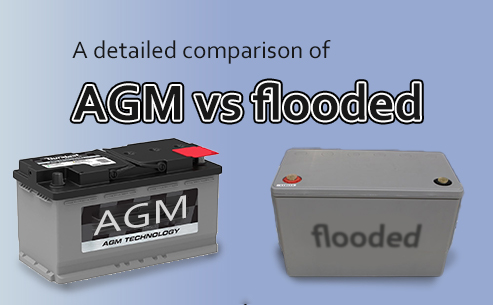
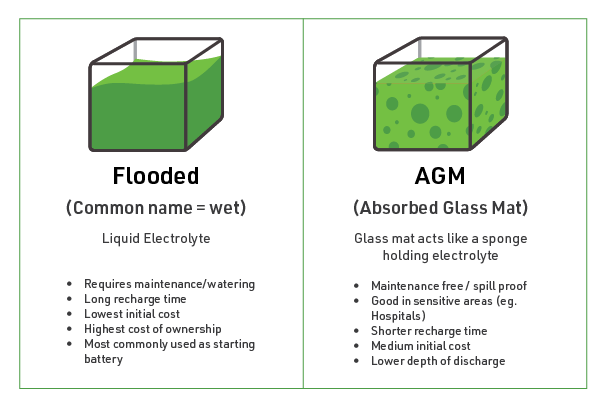
AGM batteries are a modern type of lead-acid battery. Instead of having liquid electrolyte sloshing around inside, AGM batteries use a very thin fiberglass mat to hold the electrolyte. This mat is “absorbing” the acid, so the battery is spill-proof and works even if turned upside down.
AGM technology was first developed for military aircraft in the 1980s. Today, you find AGM batteries in cars that need high power, such as vehicles with start-stop systems, luxury cars, or those with lots of electronic features. These batteries are known for:
- Longer life compared to standard flooded batteries
- Vibration resistance (good for off-road or rough conditions)
- Fast charging capability
- Maintenance-free design
But AGM batteries are usually more expensive than regular lead-acid batteries.
What Is A Flooded Car Battery?
Flooded batteries are the traditional car batteries most people know. They contain liquid electrolyte (a mix of sulfuric acid and water) that moves freely between the lead plates inside the battery. These batteries have been around for over a century and are still very popular because:
- They are affordable
- Easy to find almost everywhere
- Well-understood by mechanics
However, flooded batteries need regular maintenance. You must check and refill water levels from time to time, and they can spill acid if tipped over or damaged. They are also more sensitive to vibration and high temperatures.
Key Differences Between Agm And Flooded Batteries
Understanding the main differences helps you see why one might be better for your car than the other. Here is a side-by-side comparison:
| Feature | AGM Battery | Flooded Battery |
|---|---|---|
| Internal Design | Fiberglass mat absorbs acid | Liquid acid moves freely |
| Maintenance | Maintenance-free | Needs water checks/refills |
| Spill Risk | Spill-proof | Can leak/spill |
| Vibration Resistance | High | Low |
| Cost | More expensive | Less expensive |
| Life Span | 3-5 years (sometimes longer) | 2-4 years |
| Charging Speed | Fast | Slower |
| Deep Cycle Tolerance | Better | Weaker |
Performance In Real-world Conditions
How a battery performs in your car depends on where and how you drive. Here are some common situations:
Cold Weather
AGM batteries are much better in cold weather. Their design allows them to deliver more cold cranking amps (CCA), which means your car starts easier when it is freezing outside. Flooded batteries can struggle in low temperatures. If you live in a cold climate, AGM is a clear winner.
Frequent Short Trips
Driving short distances often, like city driving, means your battery does not always get fully charged. AGM batteries handle this better because they accept charge faster and tolerate partial charging. Flooded batteries may “sulfate” (build up lead sulfate crystals) and wear out faster if not fully recharged.
High Electrical Demand
If your car has many electronics—power-hungry stereos, advanced navigation, heated seats, or even start-stop systems—AGM batteries are designed to keep up. They can handle deep discharges and quick recharges. Flooded batteries are not made for these heavy loads and can fail sooner.
Credit: www.tycorun.com
Pros And Cons Of Agm Batteries
Advantages
- Maintenance-free: No need to check or add water.
- Spill-proof: Can be installed in any position.
- Longer life: Outlasts most flooded batteries.
- Vibration resistance: Great for rough roads or off-road use.
- Better for electronics: Handles extra power needs well.
- Faster charging: Saves time, especially with modern alternators.
Disadvantages
- Higher cost: Usually 1.5–2 times the price of flooded.
- Sensitive to overcharging: Needs a smart charger; old chargers can damage them.
- Not always needed: Overkill for simple cars without extra electronics.
Pros And Cons Of Flooded Batteries
Advantages
- Low cost: Cheapest option for most cars.
- Easy to find: Available almost everywhere.
- Simple to use: Works well in older vehicles.
Disadvantages
- Regular maintenance: Needs water checks and cleaning.
- Spill risk: Not safe if battery tips or cracks.
- Sensitive to vibration: Can fail faster in rough conditions.
- Shorter life: Usually lasts less than AGM in the same car.
Which Battery Lasts Longer?
On average, AGM batteries last longer than flooded batteries. Most AGMs give you 3-5 years, with some lasting up to 7 years if well cared for. Flooded batteries usually last 2-4 years. The difference is even bigger if you have a modern car with high electrical demand, or if you live in a very hot or cold climate.
One non-obvious tip: Battery life depends not just on the battery type, but on your charging system. If your car’s alternator is weak or overcharges, even a premium AGM will fail early.
Which Battery Is Best For Start-stop Vehicles?
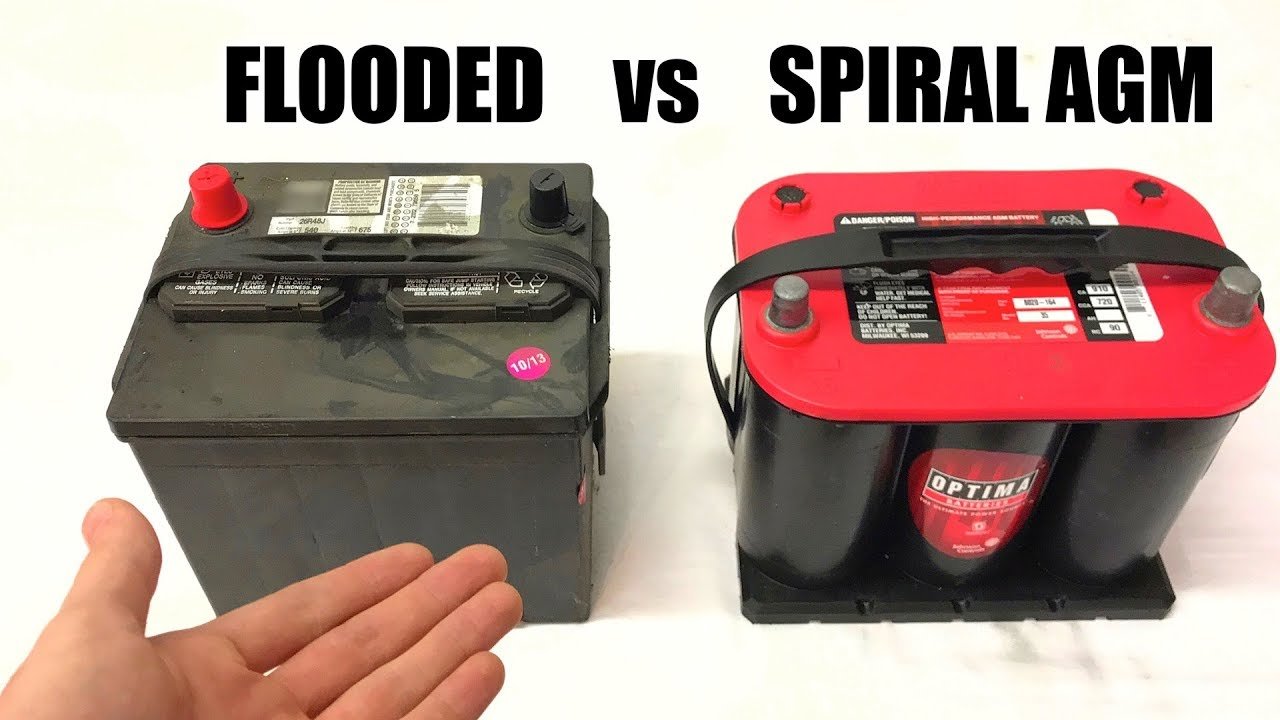
Many newer cars shut off the engine at stop lights to save fuel (start-stop technology). These systems need a battery that can handle frequent starts and stops. AGM batteries are designed for this. Flooded batteries often cannot keep up and may fail quickly in these vehicles.
If your car has start-stop, using a flooded battery can actually void your warranty. Always check your car manual before replacing the battery.
Credit: www.youtube.com
Cost Comparison
At first, AGM batteries cost more. But do they save money over time? Let’s compare:
| Battery Type | Average Price (USD) | Average Life (years) | Cost Per Year |
|---|---|---|---|
| AGM | $180 | 5 | $36 |
| Flooded | $100 | 3 | $33 |
While AGM batteries are more expensive upfront, their longer life means the cost per year is nearly the same as a flooded battery. However, if you forget to maintain a flooded battery, it can die much faster and cost you more in the long run.
Common Mistakes When Choosing A Car Battery
It’s easy to make mistakes when picking a battery. Here are a few things people often miss:
- Ignoring car requirements: Some cars need AGM batteries (especially start-stop or luxury models). Using the wrong type can cause problems.
- Not considering driving habits: If you mostly drive short trips, AGM is better. For highway driving with few electronics, flooded might be fine.
- Assuming bigger is better: Getting a larger battery does not always mean better performance. Always match the battery to your car’s specs.
- Using old chargers on AGM: Traditional chargers can overcharge and damage AGM batteries. Use a charger with an AGM setting.
- Buying by price only: The cheapest battery may not last, especially in extreme climates.
How To Tell Which Battery Is Right For You
To decide between AGM and flooded batteries, ask yourself:
- Does my car have start-stop or lots of electronics? (If yes, choose AGM)
- Do I want a battery I never have to check? (AGM is best)
- Am I on a tight budget and drive an older car? (Flooded may be enough)
- Do I drive in cold or hot weather often? (AGM handles extremes better)
If you’re unsure, check your car manual or ask a trusted mechanic.
Battery Maintenance Differences
AGM batteries are advertised as “maintenance-free,” but that does not mean you can ignore them completely. Here’s what to do:
- AGM: Keep battery terminals clean and check your charging system. Avoid deep discharging (letting the battery go dead) when possible.
- Flooded: In addition to the above, check fluid levels every few months. Add distilled water if low. Clean any corrosion.
One tip that beginners miss: Even maintenance-free batteries should be checked for bulging or leaks once a year, especially before long trips.
Credit: discoverbattery.com
Environmental Impact
Both AGM and flooded batteries are recyclable. However, AGM batteries are sealed and less likely to leak acid, making them safer for the environment during normal use. When it’s time to replace your battery, always recycle it at an approved center.
Real-world Example
Imagine two car owners: Maria drives a 2019 luxury sedan with lots of features, and Tom has a 2005 compact car. Maria’s car came with an AGM battery, and when it failed, she replaced it with another AGM. Her car started faster in winter and never gave her trouble. Tom, trying to save money, bought the cheapest flooded battery he could find. He forgot to check the water level, and after two years his battery died in the middle of a road trip.
This example shows why matching the battery to your car and driving style is so important.
Frequently Asked Questions
What Does Agm Mean On A Car Battery?
AGM stands for Absorbent Glass Mat. It means the battery uses a fiberglass mat to hold the acid, making it spill-proof and maintenance-free compared to traditional flooded batteries.
Can I Replace A Flooded Battery With An Agm Battery?
Yes, in most cases you can replace a flooded battery with an AGM battery. Just make sure it matches your car’s size and power requirements. If your car has a smart charging system, AGM is usually a safe upgrade.
Are Agm Batteries Worth The Higher Price?
AGM batteries cost more, but they last longer, need less care, and work better in tough conditions. If you value reliability or have a modern car, the extra cost can be worth it.
Do Agm Batteries Need A Special Charger?
AGM batteries work best with chargers that have an AGM setting or smart charging feature. Old-style chargers can overcharge and damage them, so always check your charger’s manual.
How Do I Know If My Car Needs An Agm Battery?
Check your owner’s manual. If your car has start-stop, lots of electronic features, or originally came with an AGM battery, you should always use AGM. Replacing it with a flooded battery can cause problems.
For more technical details on lead-acid battery types, you can visit the Wikipedia page on lead-acid batteries.
Choosing between AGM and flooded car batteries is about more than price. When you pick the right battery, your car will start easily, electronics will work smoothly, and you’ll avoid common problems. Think about your car’s needs, your driving style, and how much maintenance you want to do. With the right choice, your car will thank you every time you turn the key.