
When your brake pedal goes to the floor, it’s not just an inconvenience—it’s a serious safety issue. Imagine driving and suddenly needing to stop, but your foot sinks down with little or no resistance. It’s a heart-stopping moment that means something is very wrong with your car’s braking system. Even if your car still slows down a bit, this is not a problem you can ignore or delay. Understanding why this happens, what causes it, and what steps you should take can make the difference between a close call and a dangerous accident.
This article explains, in simple language, all the possible reasons your brake pedal might lose pressure and go all the way to the floor. You’ll learn how to check for the most common problems, what each one means, and what you can do about them.
You’ll also see real examples, practical advice, and warnings that can help you stay safe. If you want to understand this problem fully, whether you’re a driver or just curious, keep reading.
What Does It Mean When The Brake Pedal Goes To The Floor?
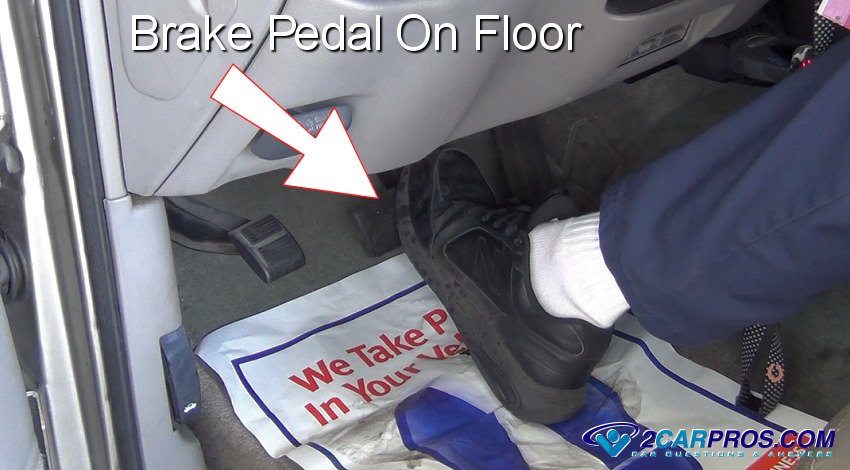
When the brake pedal goes to the floor, it means you have lost normal braking force. Normally, when you press the pedal, you should feel firm resistance. The brakes should start working quickly. If the pedal feels soft, spongy, or sinks all the way down, there’s a loss of pressure in the brake system.
This can lead to:
- Longer stopping distances
- Poor brake response
- Complete brake failure in severe cases
The main job of your brakes is to keep you and others safe. If the pedal isn’t firm, you need to fix the problem before driving further.
Main Causes Of Brake Pedal Going To The Floor
Many things can cause this dangerous problem. Let’s look at the main reasons, from most common to least.
1. Brake Fluid Leak
Brake fluid is the lifeblood of your braking system. It transfers force from the pedal to the brakes at each wheel. If there’s a leak, you lose pressure, and the pedal sinks.
Where leaks happen:
- Brake lines: Rust, age, or damage can cause small holes.
- Calipers or wheel cylinders: Seals can wear out, especially in older cars.
- Master cylinder: Leaks here are harder to see but very dangerous.
How to check: Look under your car for puddles near the wheels or under the engine. Brake fluid is usually clear to light brown and slippery.
Example: A 2012 Toyota Corolla developed a pinhole in a rear brake line after 10 years, causing the pedal to suddenly go soft.
Non-obvious insight: Even a small leak can quickly lead to total brake failure. You might only notice a little fluid at first.
2. Air In The Brake Lines
If air gets into the brake lines, it compresses when you press the pedal, unlike brake fluid. This makes the pedal feel soft or spongy and can cause it to go to the floor.
How air gets in:
- After repairs when brakes are not bled properly
- Through leaks or worn seals
- Low brake fluid letting air into the system
How to check: If your brakes feel softer after recent work, or you hear a whooshing sound, air might be trapped.
Tip: Professional bleeding removes all air and restores firm pedal feel.
3. Failing Master Cylinder
The master cylinder pushes fluid to all four brakes. If the internal seals wear out, fluid leaks past them inside the unit, causing a loss of pressure. Sometimes you won’t see any fluid outside the car, but the pedal still goes to the floor.
Signs of failure:
- Pedal sinks while holding steady pressure
- Brakes work at first, then fade quickly
Example: In older vehicles (10+ years), master cylinders often fail due to worn seals.
Non-obvious insight: You might feel the pedal slowly sink to the floor if you hold constant pressure, especially at stoplights.
4. Worn Or Broken Brake Components
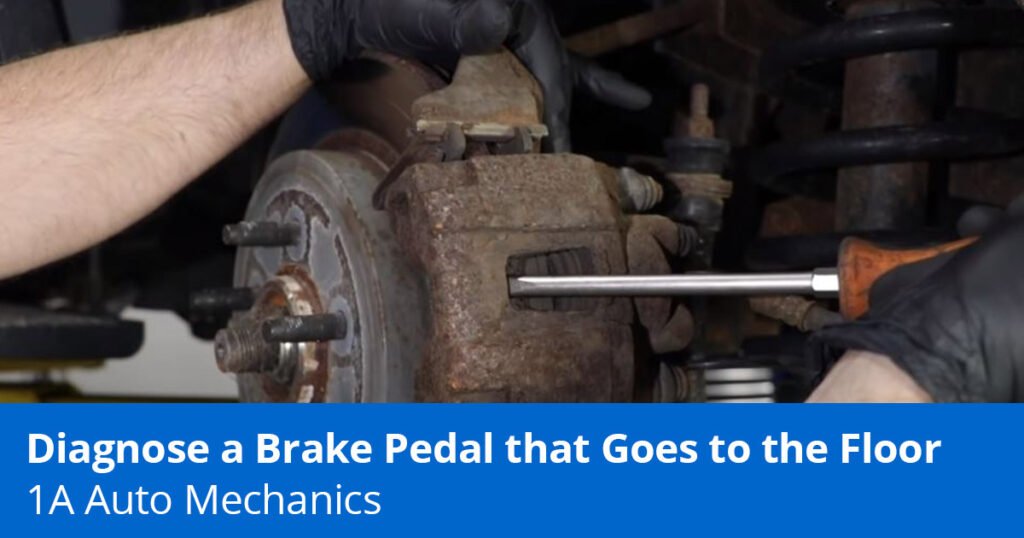
Parts like brake calipers, wheel cylinders, and hoses can fail or break. If a caliper piston seal fails, fluid leaks and pressure is lost. Broken hoses can bulge under pressure, giving a soft pedal.
How to check: Look for wetness around calipers and hoses. Check for cracks or splits in rubber hoses.
Extra tip: Swollen hoses may look normal until you press the brakes.
5. Rear Drum Brake Adjustment Problems
Some cars, especially older models, have drum brakes on the rear wheels. If these are out of adjustment or the shoes are worn, the pedal travels further than normal.
Signs:
- Pedal goes lower before brakes grab
- Parking brake needs to be pulled higher
Example: After changing rear drum shoes, failing to adjust them can lead to a low pedal.
6. Abs Modulator Or Hcu Failure
Modern cars have an ABS (Anti-lock Braking System) module, also called HCU. If it fails internally, it can let fluid bypass inside, causing the pedal to sink.
Signs:
- ABS warning light on the dashboard
- Pedal goes to floor during hard stops
Non-obvious insight: ABS units rarely fail, but when they do, repairs are expensive and require special tools.
7. Faulty Brake Booster Or Vacuum Problems
The brake booster helps you press the pedal more easily. If it fails, the pedal can feel harder or go lower than normal, especially if there’s a vacuum leak.
How to check: With the engine off, pump the pedal several times. Hold the pedal, start the engine—if the pedal doesn’t move, the booster may be bad.
Extra tip: A hissing sound from under the dash may mean a vacuum leak.
8. Damaged Brake Rotors Or Drums
Badly worn or warped rotors or drums can push the brake pads or shoes further away, increasing pedal travel.
Symptoms:
- Vibration or pulsing when braking
- Pedal feels low but not always to the floor
Note: This is less common, but possible if other issues exist.
How To Diagnose The Problem
Finding the cause takes a careful approach. Here’s a simple step-by-step method:
- Check brake fluid level. Low fluid usually means a leak.
- Look for leaks. Inspect under the car, around each wheel, and under the hood.
- Test the pedal feel. Does it sink slowly, quickly, or only when the car is running?
- Check for warning lights. ABS or brake lights can give clues.
- Inspect brake lines and hoses. Look for wetness, rust, or bulges.
- Ask about recent work. Air may be trapped if brakes were just repaired.
- Test the parking brake. If it holds the car, the problem may be only in the front brakes.
Many times, you’ll need a mechanic for a full diagnosis. But these checks help you understand what’s wrong.
What To Do Immediately If Your Brake Pedal Goes To The Floor
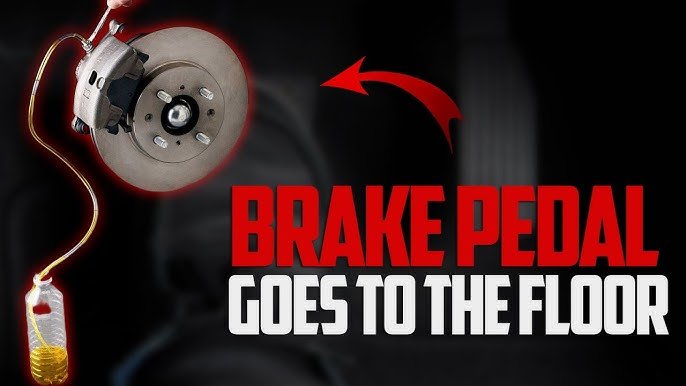
If you’re driving and your brake pedal goes to the floor, act fast:
- Pump the pedal. Sometimes, pumping quickly builds some pressure.
- Use the parking brake. Pull gently—never yank suddenly or the wheels may lock.
- Downshift (manual or automatic). Lower gears help slow the car.
- Pull over safely. Use hazard lights and stop as soon as possible.
- Don’t drive the car. Have it towed to a repair shop.
Important: Never try to “limp home” with failed brakes. The risk is too high.
Credit: www.youtube.com
Professional Vs. Diy Brake Repairs
Some brake repairs are simple, but many require experience and special tools. Here’s a quick comparison:
| Repair Type | DIY Possible? | Risks | Recommended |
|---|---|---|---|
| Bleeding Brakes | Yes (with help) | Air left in system | If experienced |
| Replacing Brake Lines | No | Leak, total brake failure | Professional |
| Master Cylinder Replacement | No | Incorrect installation | Professional |
| Adding Brake Fluid | Yes | Does not fix leaks | Temporary only |
Common Myths About Brake Pedal Problems
Many drivers believe things that can get them in trouble. Let’s clear up a few myths:
- “Topping up brake fluid fixes the problem.” Not true—a leak will drain the fluid again. You must fix the source.
- “If the pedal firms up after pumping, it’s safe to drive.” Wrong. The problem can return at any moment.
- “Only old cars have brake failures.” New cars can also have leaks or air in the system.
- “ABS light means the brakes won’t work.” Usually, basic brakes will still work, but not the ABS feature.
Key Warning Signs Before Total Brake Failure
You don’t have to wait for the pedal to go all the way to the floor. Watch for these early signs:
- Spongy or soft pedal when braking
- Brake warning light on dashboard
- Wet spots under the car near wheels
- Unusual sounds (hissing, grinding, or squealing)
- Car pulls to one side when braking
Catching these signs early can prevent complete brake loss.
How Much Does It Cost To Fix?
Costs vary widely based on the problem:
| Repair | Average Cost (USD) | Notes |
|---|---|---|
| Brake Line Replacement | $150 – $400 | Per line; depends on car model |
| Master Cylinder | $250 – $600 | Parts and labor |
| Brake Bleeding | $70 – $150 | Simple if no other repairs needed |
| ABS Module | $400 – $1200 | Rare, but expensive |
Tip: Always get a written estimate and compare at least two repair shops.
Credit: www.2carpros.com
How To Prevent Brake Pedal Problems
Prevention is the best strategy. Here’s how to avoid this scary problem:
- Regularly check brake fluid. Top up if needed, but investigate if it drops quickly.
- Get yearly brake inspections. Mechanics can spot leaks or worn parts early.
- Replace brake fluid every 2-3 years. Old fluid attracts water, causing rust and failure.
- Fix warning signs right away. Never wait if you notice something is off.
- Avoid aggressive driving. Hard stops wear out parts faster.
Real-life Example
A driver of a 2016 Honda Accord noticed the brake pedal felt softer over a few weeks. One morning, the pedal went straight to the floor. The mechanic found a leaking rear brake caliper that was dripping fluid. The repair cost $320, and the brakes worked perfectly after fixing the leak and bleeding the system.
Non-obvious insight: Problems often start small and get worse over time. Don’t ignore gradual changes in pedal feel.
Safety Tips For All Drivers
- Test your brakes before every trip, especially after repairs.
- If your pedal feels different, stop and check before driving far.
- Never ignore brake warning lights.
- Teach all drivers in your family what to do if the pedal goes to the floor.
Frequently Asked Questions
What Should I Do If My Brake Pedal Suddenly Goes To The Floor While Driving?
Immediately pump the pedal to try and build pressure. Use your parking brake gently and downshift if possible. Pull over safely and call for help. Do not continue driving, as your brakes are not working properly.
Can I Fix A Soft Brake Pedal Myself?
You can check the brake fluid and add more if it’s low, but this only buys time. Real repairs, like fixing leaks or bleeding brakes, often need professional tools and skill. If you’re not experienced, let a mechanic handle it.
How Dangerous Is It To Drive With A Brake Pedal That Goes To The Floor?
It’s extremely dangerous. You may not be able to stop your car in time, risking your life and others’. Even if you can “pump up” the brakes, the problem can return suddenly. Always repair before driving.
How Do I Know If It’s A Master Cylinder Problem Or A Fluid Leak?
A master cylinder often causes the pedal to sink slowly when you hold steady pressure, without visible leaks. Fluid leaks usually cause the pedal to go down quickly, and you may see fluid under the car or on the wheels.
Where Can I Learn More About Brake System Safety?
A reliable source is the Wikipedia Brake System page, which covers all key concepts and terms.
Staying alert to changes in your brake pedal can save lives. If your pedal ever goes to the floor, act fast and get it checked. Your safety depends on it.
Credit: blog.1aauto.com