
A bright red or yellow light suddenly appears on your dashboard: the brake warning light. For many drivers, this small icon can create big worries. Is it safe to keep driving? Is your car about to stop working? These questions are common, but the answers depend on understanding what the brake warning light really means.
Let’s explore why this light turns on, what actions you should take, and how to stay safe. Whether you drive daily or only occasionally, knowing about the brake warning light can save you from expensive repairs—and even prevent accidents.
What Is The Brake Warning Light?
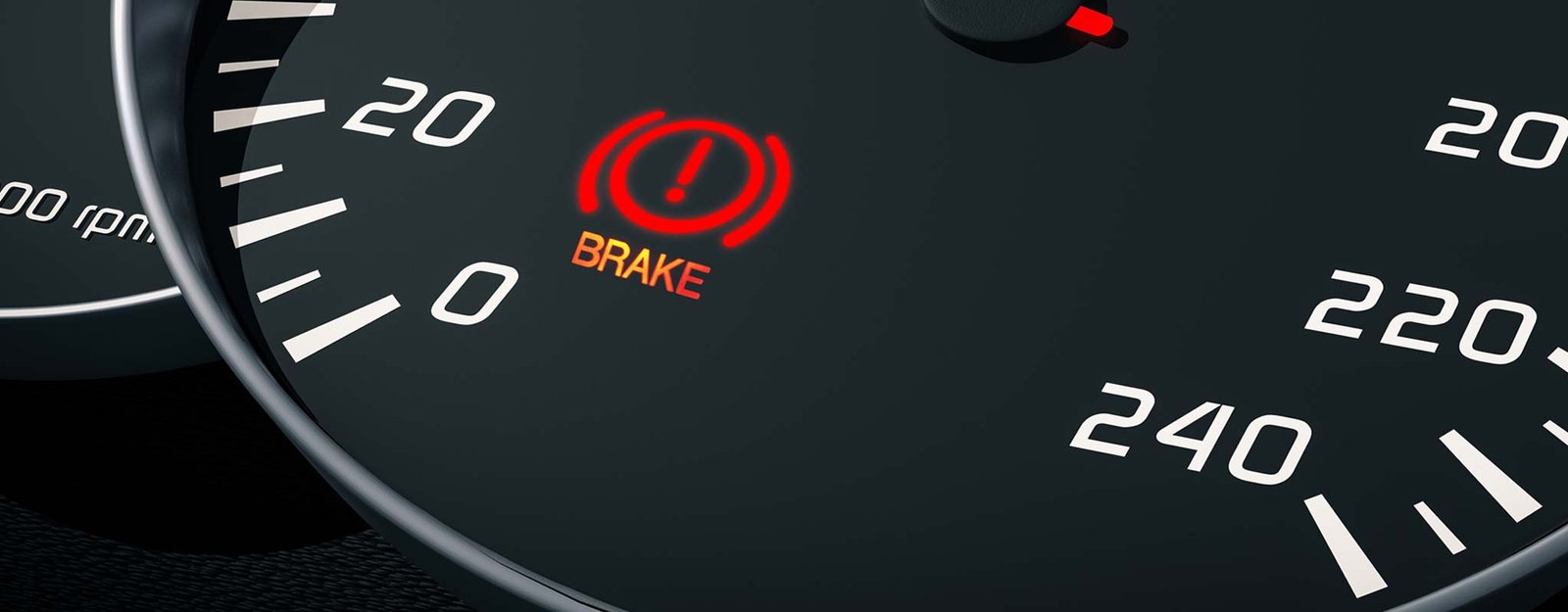
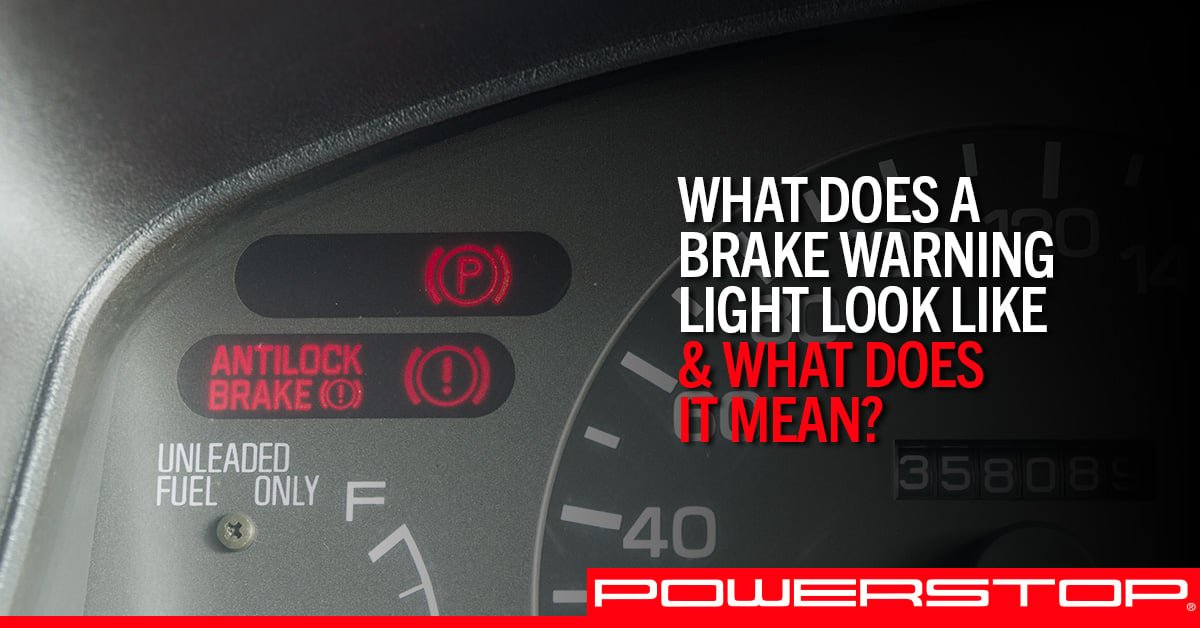
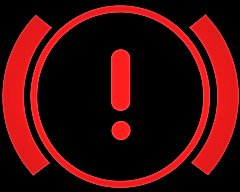
The brake warning light is a dashboard indicator that alerts you to possible problems in your car’s braking system. Usually, it appears as a red circle with an exclamation mark or the word “BRAKE.” Some cars use a yellow or amber version for less urgent brake-related issues.
This light is not just a suggestion. It tells you that something needs attention—right now. Brakes are your vehicle’s most important safety system. Ignoring this warning can increase your risk of losing control, causing accidents, or damaging your car further.
Common Reasons The Brake Warning Light Turns On
There are many reasons why this light might activate. Understanding them helps you react the right way. Here are the most common causes:
- Low Brake Fluid
- Brake fluid transfers force from your foot to the brakes. If it’s low, your brakes won’t work well. Leaks, worn pads, or old age can lower the fluid level.
- Worn Brake Pads
- Many cars have sensors that detect when the brake pads are too thin. Once they’re worn out, the warning light appears to prevent metal-on-metal contact.
- Handbrake/Emergency Brake Is Engaged
- If you start driving with the handbrake even slightly on, the light stays lit. Make sure the lever or pedal is fully released.
- ABS System Problems
- Sometimes, the brake warning light shares a circuit with the Anti-lock Braking System (ABS). Problems here can trigger the warning.
- Sensor or Electrical Faults
- Wiring issues, corroded connectors, or failed sensors can cause a false warning light.
- Hydraulic Pressure Issues
- Uneven or low pressure in the brake lines is dangerous. Your car’s computer detects this and triggers the warning.
- Master Cylinder Failure
- The master cylinder is the heart of your braking system. If it starts to fail, the dashboard light warns you.
- Brake Light Bulb Issues
- In some vehicles, a broken brake light bulb can trigger the warning, especially in models with advanced electronics.
Credit: www.lesschwab.com
What To Do When The Brake Warning Light Comes On
Seeing this light is not a reason to panic, but it’s not something to ignore either. Here’s what you should do:
- Check the Handbrake
- Make sure it’s fully released. Sometimes the lever or pedal sticks.
- Pull Over Safely
- If the light stays on while driving, find a safe place to stop.
- Inspect Brake Fluid
- Open your hood and check the brake fluid reservoir. If it’s low, top it up with the correct type. Do not use the wrong fluid.
- Look for Leaks
- Check under your car for wet spots. Fluid leaks are a major safety risk.
- Test Brake Pedal Feel
- If the pedal feels “spongy” or goes to the floor, do not continue driving.
- Call for Help if Needed
- If you’re unsure or notice a loss of braking power, call a tow truck. Do not risk driving.
How Modern Cars Monitor The Braking System
Today’s cars use computers and sensors for many brake functions. Here’s how they work:
- Fluid Level Sensor: Detects when brake fluid is below minimum.
- Pad Wear Sensor: Senses when pads are too thin.
- ABS Sensor: Monitors each wheel for lock-up or electronic problems.
- Pressure Sensor: Checks for uneven hydraulic pressure.
If any sensor reports a problem, the brake warning light turns on. These systems are designed for your safety, but sometimes sensors can fail or give false readings.
Difference Between Brake Warning Light And Abs Light
Many drivers confuse the brake warning light and the ABS light. Here’s how they differ:
| Feature | Brake Warning Light | ABS Light |
|---|---|---|
| Color | Red (sometimes yellow) | Yellow or amber |
| Icon | Circle with “!” or “BRAKE” | “ABS” letters |
| Main Purpose | Shows general brake system issues | Shows anti-lock system issues |
| Can You Drive? | Usually not safe | Brakes work, but no ABS |
If both lights are on, stop driving and get your car checked immediately.
Dangers Of Ignoring The Brake Warning Light
It’s tempting to keep driving when you see a warning light, especially if you’re in a hurry. But ignoring the brake warning light can lead to:
- Complete brake failure: You could lose all braking power, especially if fluid is leaking.
- Longer stopping distances: Worn pads or low fluid reduce braking ability.
- Expensive repairs: Driving with a problem can damage rotors, calipers, or other parts.
- Safety risks: You endanger yourself, your passengers, and others on the road.
Always treat this light seriously. In many countries, driving with a known brake problem is illegal and can void insurance.
How Mechanics Diagnose Brake Warning Light Problems
A professional mechanic uses a step-by-step approach:
- Visual Inspection
- Checks brake fluid, pad thickness, and for leaks.
- Diagnostic Scan Tool
- Connects a computer to your car’s OBD-II port to read trouble codes.
- Test Drive
- Feels for brake pedal issues and listens for noises.
- System Pressure Test
- Measures hydraulic pressure to find leaks or blockages.
- Electrical Check
- Inspects wiring and sensors for faults.
This process finds the real cause and prevents guesswork repairs.
Cost Of Fixing Brake Warning Light Issues
Repair costs depend on the cause. Here’s a comparison of common fixes:
| Problem | Estimated Cost (USD) | Notes |
|---|---|---|
| Low brake fluid (no leaks) | 10 – 30 | Just fluid top-up |
| Worn brake pads | 120 – 300 | Both front pads replaced |
| Brake fluid leak repair | 150 – 500 | Depends on leak location |
| Sensor replacement | 80 – 200 | Pad or fluid sensor |
| Master cylinder replacement | 300 – 800 | Parts and labor |
Always get a clear estimate before work begins. Cheap fixes often ignore the real problem.
Credit: www.powerstop.com
Preventing Brake Warning Light Problems
You can avoid most brake warning light issues with good habits:
- Check brake fluid regularly: Top up with the correct type if needed.
- Replace pads on time: Most last 20,000–60,000 miles, but check your manual.
- Inspect for leaks: Look under your car after parking.
- Listen for noises: Squeaking or grinding means your pads are worn.
- Service brakes yearly: A mechanic can spot problems before they become serious.
These small steps protect your safety and your wallet.
Non-obvious Insights Most Drivers Miss
Many people think topping up brake fluid will always fix the light. But if the fluid is low, there’s often a leak or your pads are worn. Simply adding fluid can hide a dangerous problem.
Also, some modern cars can show the brake warning light if you use the wrong size wheels or tires. This can confuse the sensors and trigger false warnings. Always use manufacturer-recommended parts.
What To Tell Your Mechanic
When you visit a mechanic, share these details:
- When did the light first appear?
- Does it stay on all the time or blink?
- Did you notice any strange noises or smells?
- How does the brake pedal feel?
- Did you add any fluid or change any parts recently?
Giving clear information helps mechanics find the problem faster and saves you money.
Brake Warning Light And Vehicle Types
Some vehicles have special brake warning features:
- Hybrid and electric cars: They use both hydraulic and electronic brakes. Their warning lights may also cover battery or regenerative braking issues.
- Trucks and SUVs: Heavier vehicles put more stress on brakes, so warning lights are more sensitive.
- Older cars: Some use simple switches, not advanced sensors. Their warning lights may miss certain problems.
Always read your owner’s manual to understand your car’s specific warning systems.
Credit: www.stoneacre.co.uk
When It’s Safe To Drive—and When It’s Not
If the brake warning light is on and:
- The handbrake is not engaged
- The brake pedal feels soft or goes to the floor
- You see leaking fluid
- You hear grinding or squealing
Do not drive the car. Call for assistance.
If the light comes on but everything else feels normal, drive slowly to a repair shop. But do not wait—brake problems can get worse quickly.
Useful Resources And Where To Learn More
For more details on dashboard warning lights and car safety, visit the Wikipedia page about brake warning lights.
Frequently Asked Questions
What Does It Mean If The Brake Warning Light Comes On While Driving?
If the brake warning light turns on while you are driving, it usually means there is a problem with the braking system—such as low fluid, worn pads, or a mechanical issue. Pull over safely and check your brakes. Driving with this light on is risky.
Can I Drive With The Brake Warning Light On?
It is not recommended. If the light is on because of low fluid, worn pads, or a system fault, your brakes may not work correctly. Only drive short distances to a repair shop if the pedal feels normal and there are no leaks.
If in doubt, call for help.
Will Adding Brake Fluid Turn Off The Brake Warning Light?
Sometimes adding fluid will turn off the warning light if the level was low. But you must find out why the fluid was low. Leaks or worn pads often cause this problem, and adding fluid alone does not fix the real issue.
What Is The Difference Between The Brake Warning Light And The Abs Light?
The brake warning light shows there is a main brake system problem, while the ABS light shows a problem with the anti-lock system. If the brake warning light is on, do not drive. If only the ABS light is on, your main brakes work, but you have no anti-lock support.
How Often Should I Check My Brakes To Avoid Warning Lights?
It’s smart to check your brakes at least once a year, or every 10,000 miles. If you hear unusual noises, feel vibrations, or see the warning light, check your brakes immediately—even if it’s before your next scheduled service.
Knowing what your brake warning light means and how to react keeps you safer on the road. Regular checks and quick action can prevent accidents, protect your car, and give you peace of mind every time you drive.