
Buying a Car With the Check Engine Light On: What You Must Know
Buying a used car can be exciting, but it also brings many questions and risks. One of the most worrying signs is seeing the check engine light on when you test drive or inspect a car. Some people ignore this warning, hoping it’s a small issue. Others walk away immediately, afraid of expensive repairs. Which is the right choice?
This article gives you a complete guide to buying a car with the check engine light on. You’ll learn what the light means, how to protect yourself, what to ask the seller, and when it’s a dealbreaker. If you’re thinking about buying a car with this warning, keep reading—you might save thousands and avoid big headaches.
What Does The Check Engine Light Mean?
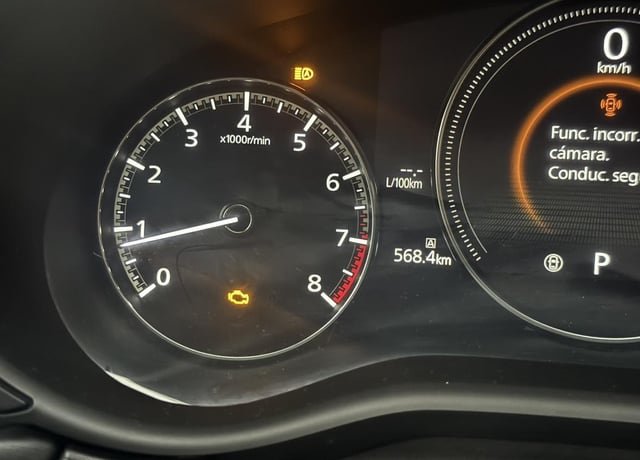
The check engine light is part of the car’s onboard diagnostics system (OBD-II). When the car’s computer finds a problem with the engine, emission system, or transmission, it turns on this warning light. The issue can be simple, like a loose gas cap, or serious, like a failing catalytic converter.
There are two main types of check engine light:
- Steady (Solid) Light: Often means a less urgent issue, but still needs attention.
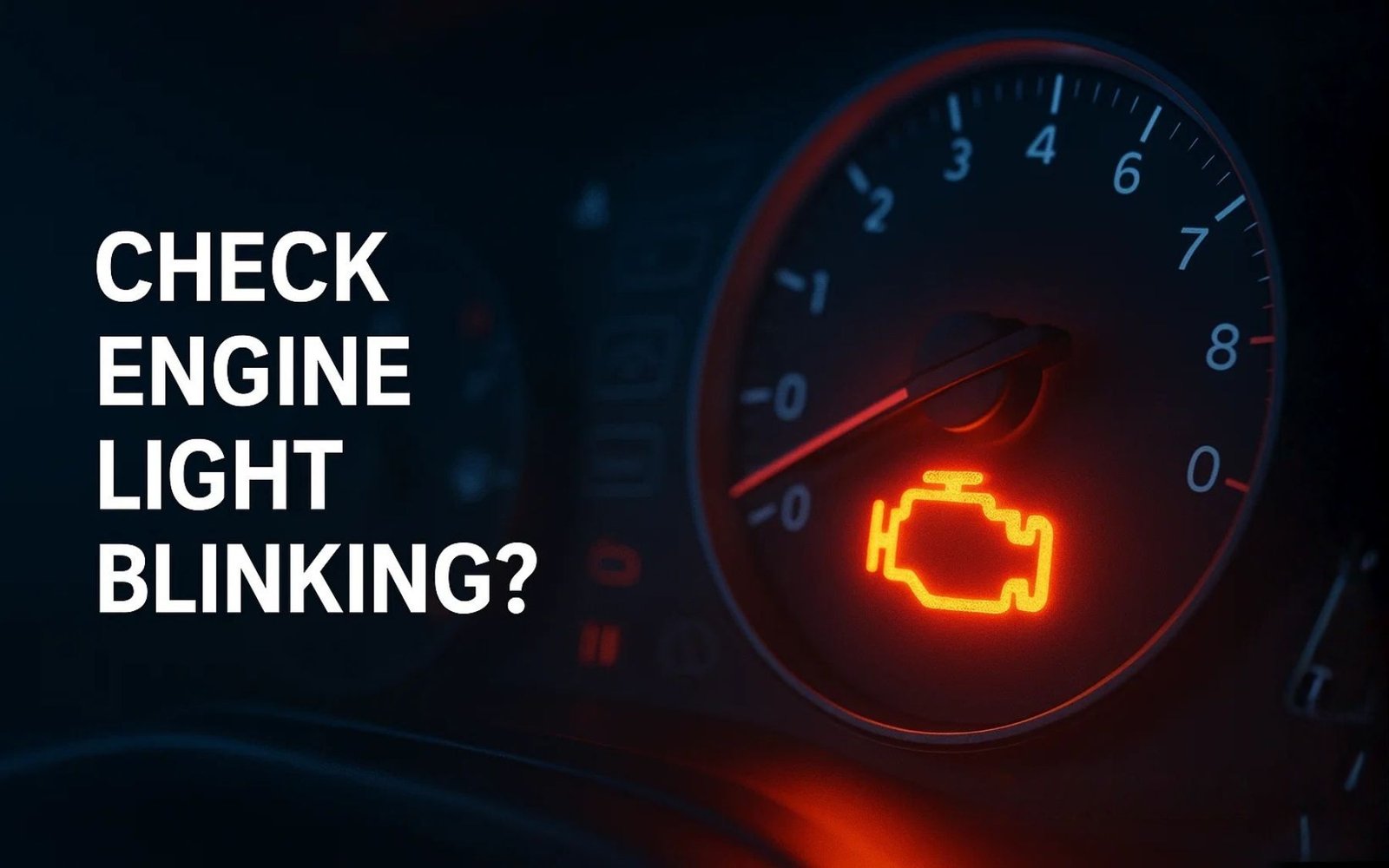
- Flashing Light: Usually points to a serious problem, like a misfire that could damage the engine.
Many buyers think a steady check engine light means a small problem. But it could hide bigger, costly repairs. You should never guess what the light means—always check it.
Common Reasons For The Check Engine Light
When you see the check engine light, you want to know the cause. Here are some of the most common reasons:
- Loose or Faulty Gas Cap: This is a simple fix, but can trigger the light.
- Oxygen Sensor Failure: A broken sensor affects fuel economy and emissions.
- Catalytic Converter Issues: Replacing this part is expensive.
- Mass Air Flow Sensor Failure: Impacts engine performance and efficiency.
- Spark Plug/Ignition Coil Problems: Causes rough running and misfires.
- Evaporative Emissions System Leak: May require special tools to fix.
If the seller says “it’s just a gas cap,” ask for proof. Even small issues can lead to bigger problems if ignored.
Should You Buy A Car With The Check Engine Light On?
This is the key question. Here are the main risks and when it might make sense:
Risks
- Unknown Costs: Repairs could cost $50 or $2,000+. You won’t know until you diagnose the problem.
- Failed Emissions Test: Many regions will not let you register a car with the light on.
- Hidden Problems: Sellers might try to hide bigger issues.
- Low Resale Value: It’s harder to sell a car with warning lights.
When It Might Make Sense
- You Get a Deep Discount: If the price is much lower and you’re ready to repair.
- You Know the Exact Issue: The problem is diagnosed and the repair cost is clear.
- You’re Mechanically Skilled: You can fix cars yourself, saving on labor.
- It’s a Rare or Special Car: The car is hard to find, and you’re willing to invest in repairs.
In most cases, you should be cautious. Never buy without understanding the problem.
Steps To Take Before Buying
If you’re still interested, follow these steps to protect yourself:
1. Ask The Seller For Details
- When did the light come on?
- Has the car been driving differently?
- Did they try to fix it?
- Can you see past repair bills or codes?
2. Scan For Diagnostic Trouble Codes (dtcs)
Bring a simple OBD-II scanner or ask a mechanic to scan the car. This tool reads the codes stored in the car’s computer.
Example codes:
- P0420: Catalytic converter problem.
- P0300: Random misfire.
- P0171: Engine running too lean.
Knowing the code gives you power. Some sellers will let you scan for free; others may resist. If a seller says no, be extra careful.
3. Get A Professional Inspection
Hire a trusted mechanic for a pre-purchase inspection. They can give you a full list of problems and an estimate for repairs. This costs around $100-$200 but can save you thousands.
4. Research Repair Costs
Once you know the code, check real repair costs. Use online tools or call local shops. Here’s a quick comparison for common check engine light causes:
| Issue | Typical Repair Cost (USD) |
|---|---|
| Loose gas cap | $0 – $20 |
| Oxygen sensor | $150 – $500 |
| Catalytic converter | $900 – $2,500 |
| Ignition coil/spark plug | $100 – $500 |
| Mass air flow sensor | $200 – $400 |
Don’t forget labor costs, which can be higher for some cars.
5. Negotiate Based On Facts
Use the inspection and repair estimates to lower the price. A seller who refuses to lower the price is a red flag.
6. Check Local Laws
Some states or countries require a car to pass emissions tests before you can register it. If the check engine light is on, you may not be able to drive it legally. Always check your local rules before buying.
Credit: www.reddit.com
How To Spot Red Flags
Some sellers try to hide engine problems. Watch out for these warning signs:
- The light suddenly goes off before you arrive (could mean codes were cleared, not fixed).
- Seller refuses a scan or inspection.
- You smell strong exhaust or see blue/black smoke.
- The car runs rough, stalls, or has low power.
If you see these signs, walk away. Even a good deal can turn into a nightmare if you buy a car with hidden issues.
Non-obvious Insights Most Buyers Miss
Many buyers, especially first-timers, miss these key facts:
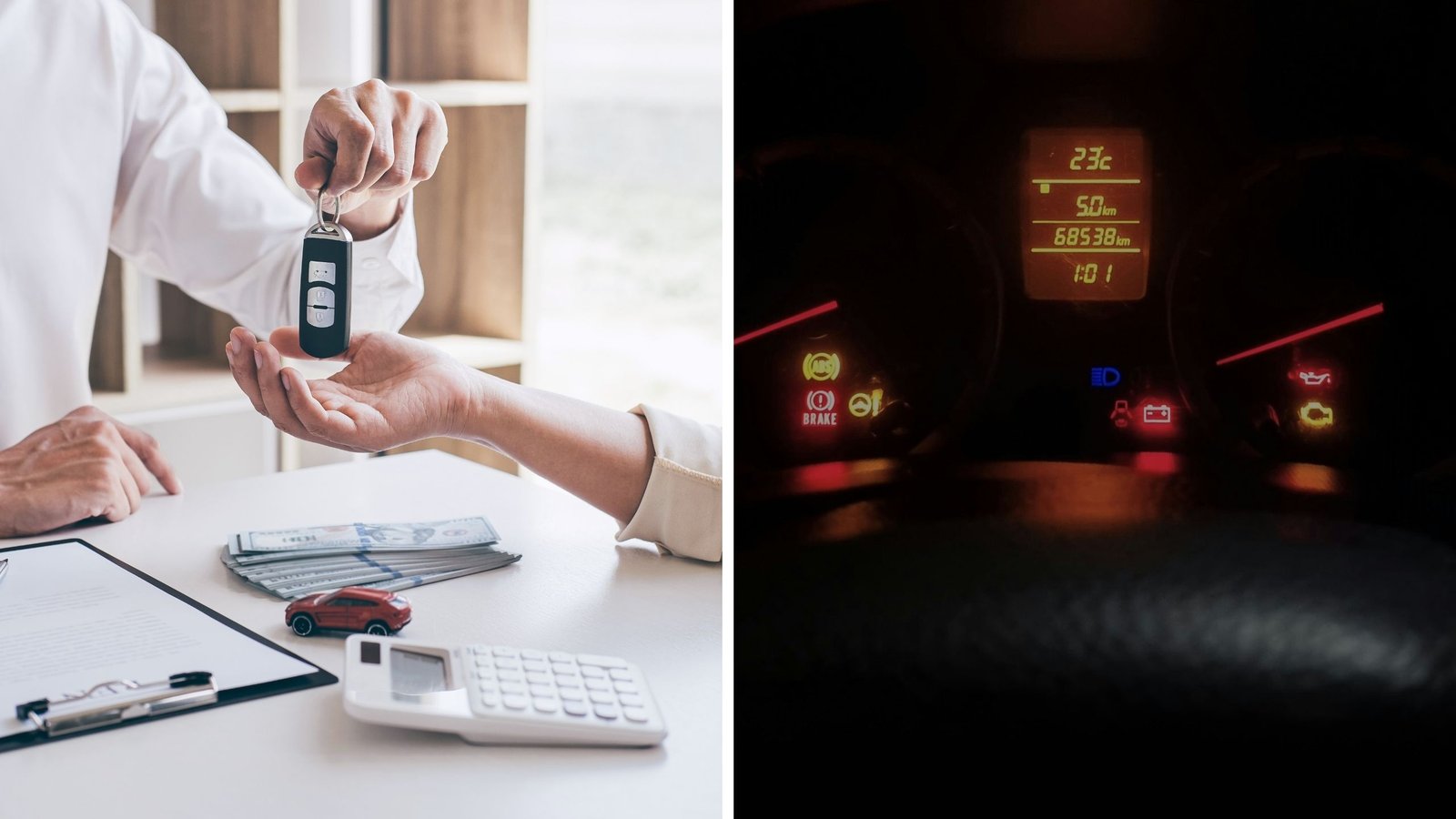
- Some sellers disconnect the battery to erase codes. The light may stay off for a short time, but the problem is still there. If the dashboard clock or radio has reset, ask why.
- Check engine light may hide other warning lights. On some cars, a check engine light can mask other issues, like ABS or transmission faults. Always check all dashboard lights.
- Not all codes trigger the check engine light right away. Some issues store a “pending” code, which can become a big problem later. Ask for a full code scan, not just active codes.
Credit: www.motorbiscuit.com
Is There Ever A Safe Way To Buy?
It is possible to buy a car with the check engine light on, but only if you:
- Get a full diagnosis (with codes and mechanic’s report)
- Understand the cost and risk
- Negotiate a much lower price
- Have a plan to fix the problem quickly
If the seller is honest and you know what you’re getting into, it can work. But never skip the steps above.
Alternatives: Should You Walk Away?
Sometimes, the best choice is to find another car. Here are reasons to walk away:
- The seller is not transparent.
- The repairs are more than the car’s value.
- You need a reliable car right now.
- You can’t register the car with the light on.
Remember, there are always more cars out there. Don’t rush into a bad deal.
Credit: www.autozilla.co
Real-world Example
Jorge found a used 2013 Toyota Camry with 100,000 miles for $6,000, but the check engine light was on. The seller claimed it was “just an oxygen sensor.” Jorge brought a mechanic, who found a P0420 code—catalytic converter failure. The repair cost was $1,200. After negotiation, Jorge got the car for $4,800 and fixed the problem. He saved money, but only because he checked before buying.
How The Check Engine Light Affects Value
Cars with the check engine light on sell for less. Here’s a look at how value drops:
| Car Value (without issues) | With Check Engine Light | Decrease (%) |
|---|---|---|
| $10,000 | $7,500 | 25% |
| $7,000 | $5,250 | 25% |
| $5,000 | $3,750 | 25% |
This is an average. If the problem is minor, the drop can be less. If it’s serious, the car may be almost worthless until fixed.
Tips For Buyers: Protecting Yourself
- Always scan for codes. Bring your own OBD-II scanner if possible.
- Insist on a mechanic’s inspection. Don’t trust just the seller’s word.
- Check all dashboard lights. Look for signs of battery disconnection.
- Research the repair. Know if it’s a cheap or expensive fix.
- Use the issue to negotiate. Don’t pay full price for a car with problems.
- Check registration rules. Make sure you can legally drive the car.
- Be ready to walk away. There are always other cars.
Questions To Ask The Seller
- How long has the check engine light been on?
- What was the last repair?
- Has the car failed an emissions test?
- Can I take the car for an independent inspection?
- Would you lower the price to cover the repair?
If the seller refuses to answer or gets defensive, that’s a warning sign.
When A Cheap Car Isn’t A Bargain
A low price may look good, but if the repair is costly, you lose money. For example, a $3,000 car needing a $2,000 repair is not a deal. Always add repair costs to the price before deciding.
Useful Resources
For more information about car diagnostics and the check engine light, visit the official Wikipedia OBD-II page.
Frequently Asked Questions
Can I Drive A Car With The Check Engine Light On?
You can drive with the light on if the car runs normally, but it’s risky. If the light is flashing, do not drive—the engine can be damaged. Always get the car checked as soon as possible.
Will A Car With The Check Engine Light Pass Inspection?
In most places, no. The car will usually fail emissions or safety inspection if the light is on, and you may not be able to register it.
How Do I Check The Code If I Don’t Have A Scanner?
Many auto parts stores will scan codes for free. You can also buy a simple OBD-II scanner online for $20-$50.
Is It Legal For A Dealer To Sell A Car With The Check Engine Light On?
Laws vary. In some areas, dealers must fix the problem or disclose it. Private sellers have fewer rules. Always check your local laws.
What If The Light Was Just Reset?
If the light was recently reset (battery disconnected), the codes may come back after a few miles. Drive the car for 15-20 minutes to see if the light returns.
Buying a car with the check engine light on is possible, but only if you do your homework and protect yourself. Always diagnose the issue, understand the cost, and never rush into a deal you’re not comfortable with. Informed buyers make better choices—and avoid costly surprises.