
When the summer heat rises, there’s nothing more frustrating than turning on your car’s air conditioning and feeling only warm air. If your car AC isn’t cooling properly, a low refrigerant level is often the main cause. Recharging your car AC refrigerant can restore its cooling power and make your drives comfortable again.
However, the process must be done safely and correctly to protect your car and your health. This guide covers everything you need to know about car AC refrigerant recharge, from understanding the system to step-by-step instructions, safety tips, and common mistakes to avoid.
How Car Ac Systems Work
Before you recharge the refrigerant, it helps to understand how the car AC system operates. Your AC uses a closed-loop system that moves refrigerant through several parts:
- Compressor: Pressurizes the refrigerant and sends it through the system.
- Condenser: Cools down the pressurized refrigerant, turning it from a gas into a liquid.
- Expansion Valve (or Orifice Tube): Reduces the refrigerant’s pressure, making it cold.
- Evaporator: Blows air over the cold refrigerant, cooling the air before it enters the cabin.
The refrigerant is the lifeblood of the AC system—it absorbs heat from the inside of your car and releases it outside. If there’s not enough refrigerant, the system can’t cool efficiently.
Signs Your Car Needs An Ac Refrigerant Recharge
Recharging isn’t always the solution—sometimes there’s a leak or another problem. Here are some clear signs your car might need more refrigerant:
- Warm air from vents: Even at the coldest setting, the air doesn’t feel cool.
- AC clutch doesn’t engage: You hear no clicking sound when turning on the AC.
- Visible refrigerant leaks: Oily spots under the hood, especially near AC lines or connections.
- Hissing sounds: You might hear this from the AC system, usually when it’s turned off.
- Compressor cycles on and off frequently: The system can’t maintain the right pressure.
If you notice any of these, check your refrigerant level—but always confirm there are no leaks before recharging.
Credit: www.lucamaurizio.ch
Types Of Car Ac Refrigerants
Different vehicles use different refrigerants. Using the wrong one can damage your system, so check your owner’s manual or the under-hood label. Here are the main types:
| Refrigerant Type | Common Vehicles | Years Used |
|---|---|---|
| R12 (Freon) | Older Cars (pre-1994) | Up to 1993 |
| R134a | Most Cars | 1994–2017 |
| R1234yf | Newer Cars | 2018–Present |
R12 is no longer legal in many countries due to environmental concerns. Most cars today use R134a or R1234yf. Never mix refrigerants or use the wrong type, as it can cause expensive damage.
Tools And Materials You’ll Need
To recharge your car AC, gather the following:
- AC refrigerant (correct type for your car)
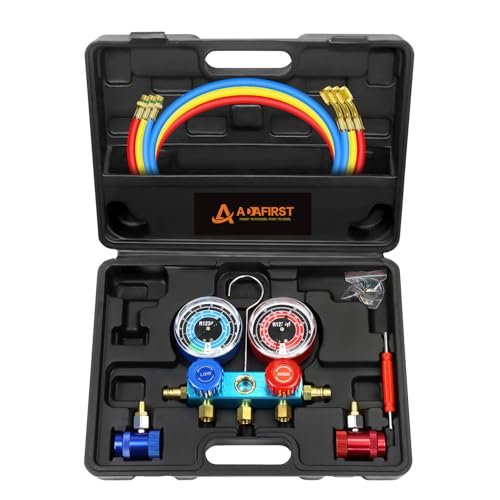
- Recharge hose with gauge
- Protective gloves and glasses
- Thermometer (optional)
- Leak detector or soapy water (for checking leaks)
Some kits include everything in one package. Always use equipment rated for automotive AC systems.
Step-by-step Car Ac Refrigerant Recharge
Recharging your AC might sound intimidating, but with the right tools and care, you can do it safely. Here’s how:
1. Park And Prepare
- Park your car on a level surface.
- Turn off the engine and let it cool.
- Open all windows for ventilation.
- Put on gloves and safety glasses.
2. Locate The Low-pressure Service Port
- Find your car’s low-pressure AC port. It’s usually marked with an “L” and is the only port your recharge hose will fit.
- The port is typically on the larger AC line between the compressor and the evaporator.
3. Check System Pressure
- Attach the recharge hose gauge to the low-pressure port.
- Read the pressure with the engine off.
- Normal low-side pressure is usually between 25–45 psi when the system is off.
If the pressure is 0, you may have a big leak that needs professional repair.
4. Start The Engine And Ac
- Start your car.
- Set the AC to maximum cool and fan speed to high.
- Make sure the compressor clutch is engaging (a clicking sound).
5. Add Refrigerant
- Shake the refrigerant can.
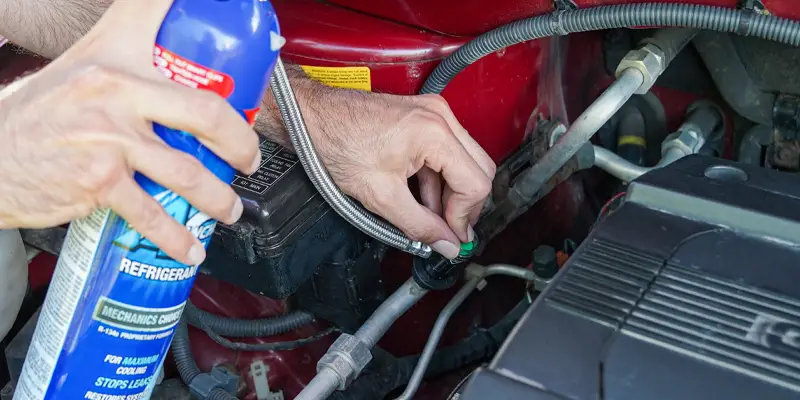
- Attach the can to the recharge hose.
- Open the valve to allow refrigerant into the system.
- Hold the can upright and gently squeeze the trigger.
- Watch the pressure gauge. Fill until you reach the recommended low-side pressure (usually 35–45 psi with the AC on).
Do not overfill—too much refrigerant can harm your AC system.
6. Monitor System Cooling
- Use a thermometer at the AC vent.
- Properly charged systems usually blow air at 38–45°F (3–7°C).
- If the air is not cold after adding refrigerant, there may be another problem.
7. Detach And Check
- Turn off the engine.
- Carefully remove the recharge hose.
- Replace the port cap tightly.
8. Check For Leaks
- Spray soapy water on AC connections. Bubbles indicate leaks.
- Fix any leaks before recharging again.
Common Mistakes When Recharging Car Ac
Many people make errors when trying to recharge their car’s AC. Here are common mistakes and how to avoid them:
- Recharging without checking for leaks: If you don’t fix leaks, the refrigerant will escape again quickly.
- Overcharging the system: Too much refrigerant can cause high pressure, damaging the compressor or hoses.
- Using the wrong refrigerant: Always use the type specified for your car.
- Not running the engine and AC during recharge: The compressor must be running to pull refrigerant into the system.
- Ignoring safety gear: Refrigerant can cause frostbite and eye injury. Always wear gloves and glasses.
Credit: www.aireserv.com
How To Tell If Your Ac Has A Leak
Detecting leaks early can save you money and prevent bigger repairs. Here’s what to look for:
- Oily residue: Check hoses, fittings, and the compressor for oil stains.
- Dye test: Some shops add a UV dye to the system to spot leaks with a black light.
- Soapy water test: Spray soapy water on connections; bubbles mean a leak.
If you find a leak, it’s best to have it fixed by a professional before recharging.
Diy Vs. Professional Recharge: Which Is Better?
Some jobs are simple for DIY, but AC recharging isn’t always one of them. Here’s a quick comparison:
| DIY Recharge | Professional Service |
|---|---|
| Lower cost | More expensive |
| Can be done at home | Specialized equipment |
| Risk of overfilling/underfilling | Accurate recharge |
| May miss hidden leaks | Leak detection and repair |
| Good for small top-ups | Best for major repairs |
If your AC is completely empty or you suspect a big leak, let a pro handle it. For small top-ups, DIY can save money if you’re careful.
Safety Precautions When Handling Ac Refrigerant
Working with refrigerant can be dangerous if you’re not careful. Here’s how to protect yourself and your car:
- Wear gloves and goggles to avoid skin or eye contact.
- Keep refrigerant away from open flames—it’s flammable.
- Work in a well-ventilated area to avoid breathing in fumes.
- Never vent refrigerant into the air—it’s illegal and harmful to the environment.
- Dispose of empty cans properly according to local rules.
How Much Does A Car Ac Recharge Cost?
Costs vary depending on whether you do it yourself or pay a mechanic. Here’s a quick breakdown:
| Method | Average Cost (USD) | What’s Included |
|---|---|---|
| DIY Kit | $30–$70 | Refrigerant, hose, gauge |
| Professional Service | $150–$300 | Leak check, recharge, system test |
DIY is cheaper, but if you’re unsure or have a complex problem, paying a pro is usually worth it.

Credit: www.team-bhp.com
How Often Should You Recharge Car Ac Refrigerant?
Most modern AC systems are sealed and should not lose refrigerant quickly. If you need to recharge every year, you have a leak. Normally, AC refrigerant lasts 3–5 years or longer. Some cars go their entire life without needing a recharge unless there’s a problem.
Non-obvious Tips For A Successful Ac Recharge
Many people overlook these details:
- Weigh the refrigerant can: For perfect results, professionals use a scale to add the exact amount. Most DIY gauges are less accurate.
- Check for system oil: AC systems need special oil. Some recharge cans have oil added, but too much or too little oil can harm the compressor.
- Ambient temperature matters: Recharge when it’s at least 65°F (18°C) outside. In cooler weather, pressure readings may be inaccurate.
When To Seek Professional Help
If your AC system is empty, you hear unusual noises, or your recharge doesn’t restore cool air, it’s time for a mechanic. Also, some refrigerants (like R1234yf) require special tools and training.
Environmental Responsibility
Refrigerants can harm the environment if released. Never vent them into the air. Always recover and dispose of old refrigerant safely. Many auto shops accept used refrigerant for recycling.
For more information, visit the U.S. Environmental Protection Agency website.
Frequently Asked Questions
What Happens If I Put Too Much Refrigerant In My Car Ac?
Overfilling can cause high pressure, leading to poor cooling and possible damage to the compressor or hoses. Always fill to the recommended pressure.
Can I Use Any Brand Of Refrigerant?
No. Always use the type and specification listed for your car. Using the wrong refrigerant can cause serious damage.
How Do I Know If My Car Uses R134a Or R1234yf?
Check your owner’s manual or the label under the hood. Most cars after 2018 use R1234yf, but confirm before buying.
Why Does My Ac Lose Refrigerant?
Small leaks from seals or hoses are the most common reason. If you need frequent recharges, have the system checked for leaks.
Is It Safe To Recharge Car Ac At Home?
Yes, if you follow all safety instructions and use the correct tools. If you’re not confident, have a professional do it.
Getting your car AC working again is possible with a bit of knowledge and the right approach. If you’re careful, methodical, and use the correct refrigerant, you’ll enjoy cool air all summer long. Remember, if in doubt, call a professional—your comfort and safety come first.