
Replacing a car battery can seem difficult, especially if you have never done it before. Yet, knowing how to change a car battery is a valuable skill for any driver. A dead battery can leave you stranded at the worst time—sometimes far from help.
This guide will take you through every step, from understanding when a battery needs replacing, choosing the right battery, to installing it safely. Even if you are not a car expert, you will find practical tips and clear instructions to help you do it with confidence.
Why Car Battery Replacement Matters
The car battery is the heart of your vehicle’s electrical system. It powers the starter motor, ignition, lights, and electronic devices. Over time, all batteries lose their ability to hold a charge. This is natural, and most car batteries last between 3 to 5 years. Replacing your battery before it fails can prevent inconvenient breakdowns and keep your car reliable.
Some beginners think a battery will last as long as the car itself. In reality, extreme weather, frequent short trips, and leaving electronics on can shorten battery life. Understanding these factors helps you plan ahead and avoid surprises.
Signs You Need A New Car Battery
How do you know when it’s time to replace your car battery? Watch for these warning signs:
- Slow engine crank – The engine turns over slowly when starting.
- Dim headlights – Lights are not as bright, especially at idle.
- Clicking sound – You hear a click but the engine doesn’t start.
- Dashboard warning light – The battery or check engine light comes on.
- Old age – The battery is over 3 years old.
- Swollen case – The battery case looks bloated or misshapen.
- Corrosion – White or blue powder on battery terminals.
- Electrical issues – Power windows or radio act strangely.
If you see one or more of these signs, it’s a good idea to test or replace your battery soon.
What To Know Before Buying A New Battery
Choosing the right replacement battery is important. Not all batteries are the same. Here are the key things to check:
- Battery group size – Refers to the battery’s physical dimensions and terminal position. Check your car’s manual or the label on your old battery.
- Cold Cranking Amps (CCA) – This measures the battery’s ability to start in cold weather. Use a battery with at least the recommended CCA for your vehicle.
- Reserve capacity (RC) – Indicates how long the battery can supply power if the alternator fails.
- Battery type – Most cars use lead-acid batteries. Some newer cars require AGM (Absorbent Glass Mat) batteries.
- Warranty – Longer warranties are a sign of better quality.
Example Comparison: Battery Types
Here’s a quick look at common car battery types:
| Type | Maintenance | Cost | Lifespan |
|---|---|---|---|
| Lead-Acid (Flooded) | Low | Low | 3–5 years |
| AGM | Very Low | Medium–High | 4–7 years |
| Gel Cell | Very Low | High | 5–7 years |
Most drivers choose lead-acid or AGM batteries. AGM batteries cost more but last longer and perform better in modern cars with many electronics.
Preparing For Battery Replacement
Before you start, gather the tools and supplies you will need:
- New car battery (correct size and type)
- Wrenches (usually 8mm or 10mm)
- Gloves and safety glasses
- Battery terminal puller (optional, but helpful)
- Wire brush or terminal cleaner
- Baking soda and water (for cleaning corrosion)
- Old towels or rags
It’s also a good idea to park your car on a flat surface, in a well-ventilated area, and turn off the engine. Make sure you have the radio code or anti-theft code if your car needs it after battery disconnection.
Safety Tips
Car batteries contain acid and can be heavy. Wear gloves and eye protection. Never smoke or create sparks near the battery. Always remove the negative terminal first to prevent short circuits.

Credit: finetunedautos.ca
Step-by-step Car Battery Replacement
Changing a battery is easier than many people think. Here’s how to do it:
1. Locate The Battery
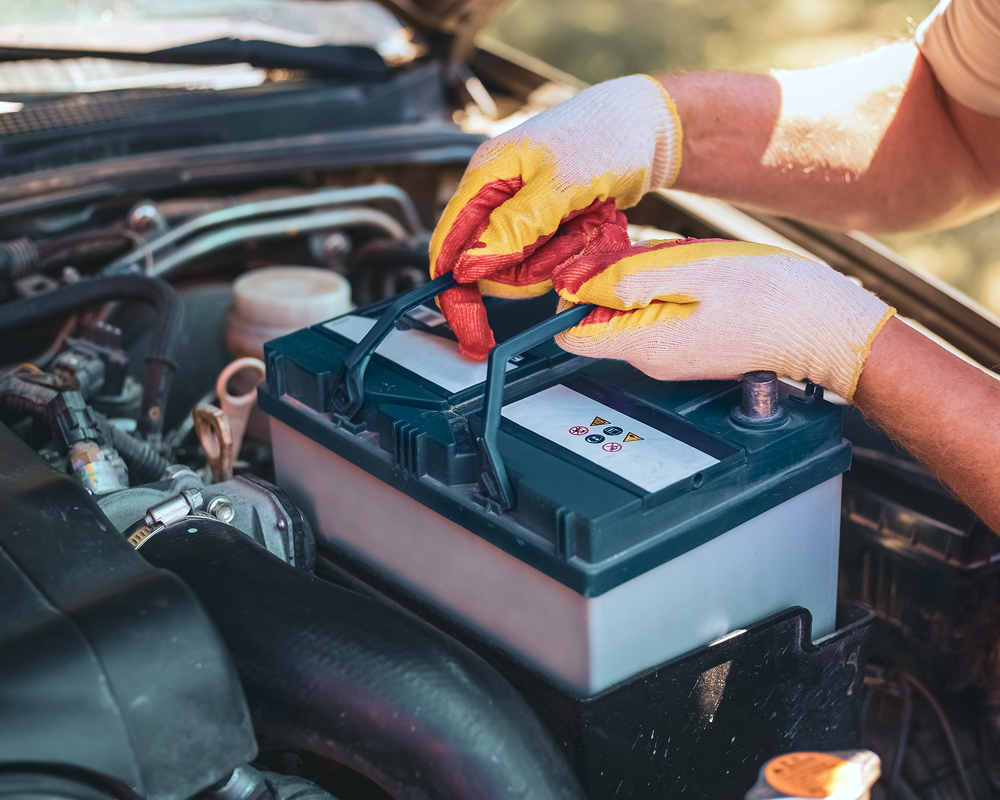
Open your car’s hood. Most batteries are near the front of the engine bay, but some are in the trunk or under the back seat. If you can’t find it, check your manual.
2. Disconnect The Negative Cable
Find the negative terminal (usually marked with a minus sign “-” or black cable). Use a wrench to loosen the nut. Twist and pull the cable off the terminal. Tuck it aside so it cannot touch the battery.
3. Disconnect The Positive Cable
Now, loosen the nut on the positive terminal (marked with a plus “+” or red cable) and remove the cable.
4. Remove The Battery Hold-down Clamp
Most batteries are held in place with a bracket or clamp. Remove any bolts or fasteners. Set them aside.
5. Lift Out The Old Battery
Car batteries can weigh 30–50 pounds (14–23 kg). Lift carefully and keep it upright to avoid spills. Place the old battery on the ground, away from children and pets.
6. Clean The Battery Tray And Terminals
Mix a bit of baking soda with water and use a brush to clean any corrosion or dirt from the battery tray and cable ends. Dry everything with a towel.
7. Place The New Battery
Set the new battery in the tray. Make sure the positive and negative terminals are on the correct sides.
8. Secure The Battery
Reinstall the hold-down clamp or bracket. The battery should not move or wiggle.
9. Reconnect The Positive Cable
Attach the positive cable to the positive terminal. Tighten the nut so it is snug, but don’t over-tighten.
10. Reconnect The Negative Cable
Attach the negative cable to the negative terminal. Tighten the nut.
11. Double-check Everything
Check that all connections are tight. Make sure no tools are left in the engine bay.
12. Start Your Car
Start the engine to make sure everything works. Reset your clock and radio if needed.
13. Dispose Of The Old Battery
Car batteries are toxic and must be recycled properly. Most auto parts stores will take your old battery for free.
Common Mistakes To Avoid
Replacing a battery is straightforward, but mistakes can cause problems. Here are errors to watch out for:
- Connecting cables backwards – This can damage your car’s electrical system.
- Dropping the battery – Batteries are heavy and can leak acid if dropped.
- Forgetting to clean terminals – Dirty or corroded terminals can cause poor connections.
- Using wrong size battery – Wrong size may not fit or provide enough power.
- Over-tightening clamps – This can crack the battery case or posts.
An easy-to-miss detail: if your car has a memory saver port (to keep radio codes and settings), use it before disconnecting the battery.
How To Choose The Best Battery For Your Car
Selecting the right battery is more than just matching size and type. Consider these points:
- Climate – If you live in a cold area, choose a battery with higher CCA.
- Driving habits – Frequent short trips don’t let the battery recharge fully. Consider a battery designed for high cycling.
- Brand reputation – Well-known brands usually offer better performance and warranty.
- Manufacture date – Check the date code. Buy a battery made within the last 6 months.
Example: Battery Group Size Comparison
If you’re not sure what group size fits your car, here’s a quick comparison:
| Group Size | Common Vehicles | Dimensions (inches) |
|---|---|---|
| 24 | Toyota Camry, Honda Accord | 10.3 x 6.8 x 8.9 |
| 35 | Honda Civic, Nissan Sentra | 9.1 x 6.9 x 8.9 |
| 48 | Chevrolet, Buick | 12.1 x 6.9 x 7.6 |
Always check your owner’s manual for the correct group size.
Cost Of Car Battery Replacement
The price of a car battery depends on type, brand, and where you buy it. Here is a basic breakdown:
- Standard lead-acid battery: $60–$130
- AGM or specialty battery: $120–$250
- Installation (shop): $20–$50 extra
Doing the replacement yourself can save you money. Some stores offer free installation if you buy the battery from them.
Credit: www.fleetio.com
Extending The Life Of Your New Battery
Getting the most from your new battery saves money and trouble. Here are tips to help:
- Drive longer trips – Short trips drain the battery. Drive at least 20 minutes regularly to recharge.
- Turn off electronics – Before turning off the engine, switch off lights, radio, and AC.
- Check charging system – If your battery keeps dying, have your alternator tested.
- Clean terminals – Corrosion reduces battery life. Check and clean every few months.
- Secure the battery – Vibrations can damage internal parts. Make sure the hold-down is tight.
A detail many beginners miss: extreme heat is just as bad as cold for batteries. If you live in a hot climate, check your battery more often.
When To Seek Professional Help
Sometimes, it’s better to let a mechanic handle battery replacement:
- If your battery is hard to access (some are under seats or in the wheel well)
- If you are unsure about the electrical system or have a hybrid/electric car
- If you see leaking acid or heavy corrosion
- If warning lights stay on after replacement
Modern cars with start-stop systems, advanced electronics, or luxury features may need special battery registration or programming after installation.
Credit: www.reddit.com
Quick Reference: Battery Replacement Steps
For your convenience, here is a fast summary:
- Park and turn off engine
- Put on gloves and safety glasses
- Disconnect negative cable
- Disconnect positive cable
- Remove hold-down clamp
- Lift out old battery
- Clean tray and terminals
- Place new battery
- Secure with clamp
- Connect positive cable
- Connect negative cable
- Check connections
- Start engine
If you need detailed visuals, you can find helpful guides on car care sites like AAA.
Frequently Asked Questions
How Long Does It Take To Replace A Car Battery?
For most cars, battery replacement takes 15 to 30 minutes. If the battery is hard to reach or there is a lot of corrosion, it may take longer.
Can I Use Any Car Battery In My Vehicle?
No, you must use the correct group size and type. The wrong battery may not fit or could damage your electrical system.
Why Did My New Battery Die So Quickly?
Common reasons include a bad alternator, frequent short trips, leaving lights on, or a parasitic drain from electronics. Have your charging system checked.
Is It Safe To Change A Car Battery Myself?
Yes, if you follow safety steps: wear gloves, eye protection, and disconnect the negative cable first. Take care with tools and avoid creating sparks.
Where Can I Recycle My Old Car Battery?
Most auto parts stores, battery shops, and recycling centers accept old car batteries for free. Never throw them in the trash—they contain harmful chemicals.
Changing your own car battery is a practical skill that saves money and time. With this guide, you’ll be ready to replace your battery safely and keep your car running smoothly for years to come.