
When you drive down the road and your car seems to bounce over every bump and dip, it’s more than just annoying. This kind of movement signals a deeper problem—often with your car’s shock absorbers. While most drivers expect a smooth ride, too much bouncing means your shocks are struggling to do their job. What does this really mean for your car, your comfort, and your safety? Let’s dive deep into why bad shocks lead to excessive bouncing, what damage this can cause, and how you can spot and fix the problem before it gets worse.
What Are Shocks And Why Do They Matter?
Your car’s shock absorbers are part of the suspension system. They control the impact and movement when your tires hit bumps or potholes. Good shocks keep your tires in contact with the road, making your ride smooth and safe. Without them, every bump feels bigger, and your car can become difficult—or even dangerous—to drive.
It’s easy to forget about shocks because they work quietly behind the scenes. But when they fail, the effects are hard to miss. You might notice your car bouncing up and down after hitting a bump or swaying when you turn.
These are clear signs that your shocks need attention.
How Bad Shocks Cause Car Bouncing
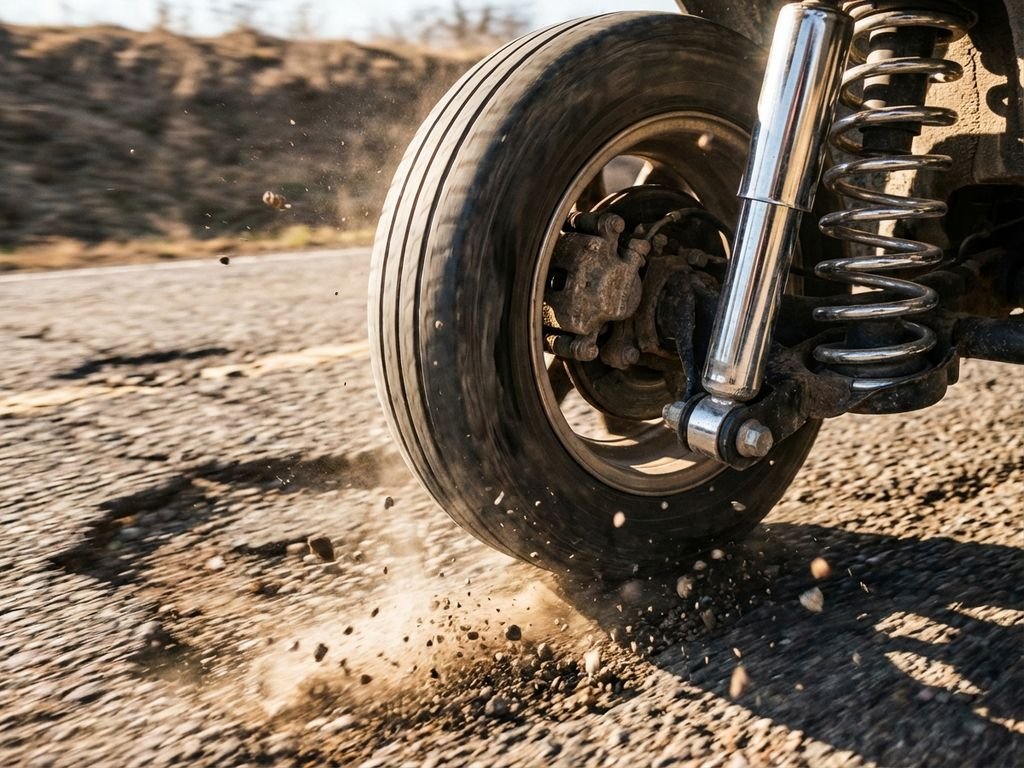
When shocks are worn out, they lose their ability to control the up-and-down movement of the suspension. Instead of absorbing the energy from bumps, they let the car’s springs bounce freely. This is why your car feels like it’s hopping or floating over the road.
Physics Behind The Bounce
Springs in your suspension compress when you hit a bump. Shocks are supposed to slow down and control this spring action. But with bad shocks, the springs keep moving—up, down, up, down—making your car bounce several times instead of settling quickly.
Real-world Example
Imagine driving over a speed bump at 20 mph. With good shocks, your car moves up, then settles back down in one smooth motion. With bad shocks, your car might bounce three or four times before it stops moving.
Non-obvious insight: Even if your car’s springs are in perfect condition, failing shocks alone are enough to make your ride uncomfortable and unsafe.
Credit: knowhow.napaonline.com
Dangers Of Driving With Bad Shocks
Ignoring excessive bouncing is risky. Here’s what can go wrong if you continue to drive with worn shocks:
- Reduced Control: Your car can lose grip on the road, especially during turns or sudden stops.
- Longer Braking Distance: With bad shocks, tires don’t stay planted, so it takes longer to stop.
- Uneven Tire Wear: Bouncing makes tires lose contact with the road, causing strange wear patterns.
- Damage to Other Parts: Suspension, steering, and even your car’s frame can suffer because of constant bouncing.
- Passenger Discomfort: Every ride feels rough, which can be especially hard for kids, older adults, or people with back pain.
Stat: Tests show that vehicles with bad shocks can increase stopping distances by up to 20% in emergency situations.
Signs Your Shocks Are Bad
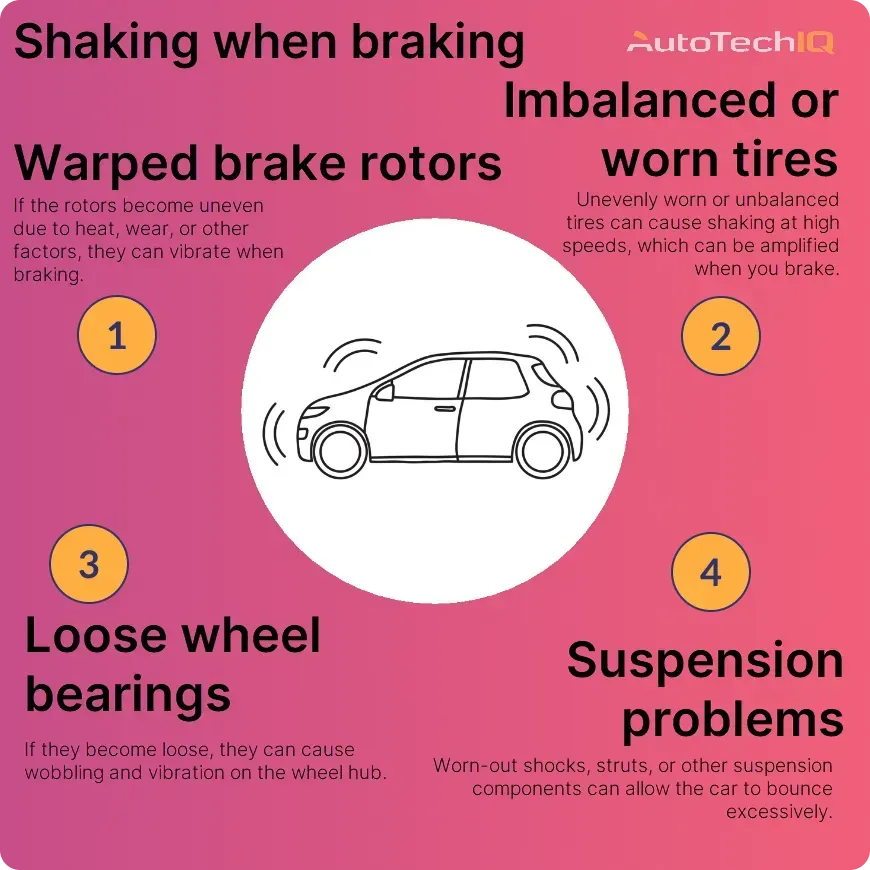
Sometimes, bouncing is obvious. But there are other signs your shocks may be at the end of their life:
- The car leans or sways when you turn.
- You hear knocking or clunking noises over bumps.
- The front end dives when you brake.
- The rear end squats when you accelerate.
- Oil leaks on the side of the shock absorber.
- Tires show cupping or uneven wear.
If you notice these symptoms, it’s time to have your shocks checked.
Credit: www.intraxracing.nl
How Long Do Shocks Last?
Most shocks last 50,000 to 100,000 miles, but this depends on driving conditions. Rough roads, heavy loads, or frequent driving on gravel can wear them out faster.
| Mileage | Condition | Recommendation |
|---|---|---|
| 0-50,000 miles | Usually good | Check if symptoms appear |
| 50,000-100,000 miles | Potential wear | Inspect regularly |
| 100,000+ miles | Often worn out | Replace recommended |
Practical tip: Even if you haven’t reached 50,000 miles, harsh driving conditions can cause shocks to fail early.
How To Test If Your Shocks Are Bad
While a mechanic can inspect shocks professionally, you can do a simple test at home:
- Bounce Test: Push down hard on the corner of your car and let go.
- Observe Movement: If the car bounces more than twice, the shocks are likely worn out.
This quick check is not perfect, but it often reveals major problems.
What Happens If You Ignore Bad Shocks?
Letting shocks get worse can lead to several expensive problems:
- Braking problems: Increased risk of accidents.
- Extra tire costs: You’ll need new tires sooner.
- Suspension damage: Other parts can break, costing more to fix.
- Failed inspections: In many places, bad shocks can make your car fail safety checks.
Non-obvious insight: Suspension damage from bad shocks can sometimes cost more than the shocks themselves. Early replacement saves money.
Replacing Shocks: What To Expect
Changing shocks is not just about comfort—it’s about safety. Here’s what you should know:
- All or Nothing: It’s best to replace shocks in pairs (front or rear), or all four at once for the best balance.
- Quality Matters: Cheaper shocks may not last as long or give a smooth ride.
- Labor Costs: Installation takes 1-2 hours per pair, depending on the car.
| Shock Type | Average Cost (each) | Replacement Time |
|---|---|---|
| Standard | $50-$120 | 1-2 hours |
| Performance | $120-$300 | 1-2 hours |
| Electronic/Active | $300-$700 | 2-3 hours |
Advice: Always have a professional check your entire suspension if you feel bouncing. Sometimes, other parts like struts or bushings are also worn.
Choosing The Right Replacement Shocks
Not all shocks are the same. Here’s what to consider:
- Vehicle Type: Heavier vehicles need stronger shocks.
- Driving Style: If you drive off-road or tow heavy loads, choose heavy-duty shocks.
- Budget: High-quality shocks cost more but last longer and perform better.
Common Mistakes When Buying Shocks
- Choosing the cheapest option.
- Replacing only one shock instead of a pair.
- Ignoring other worn suspension parts.
Tip: Read your car’s manual or ask a mechanic for the correct shock type.
How Bad Shocks Affect Other Car Parts
Ignoring bouncing can hurt more than your comfort. Here’s how:
| Car Part | Effect of Bad Shocks |
|---|---|
| Tires | Uneven wear, shorter life |
| Brakes | Longer stopping distances |
| Steering | Reduced control, harder to steer |
| Suspension bushings | Faster wear, more noise |
| Chassis | Extra stress, possible cracks |
Fixing shocks early helps prevent these extra costs.
Professional Vs. Diy Shock Replacement
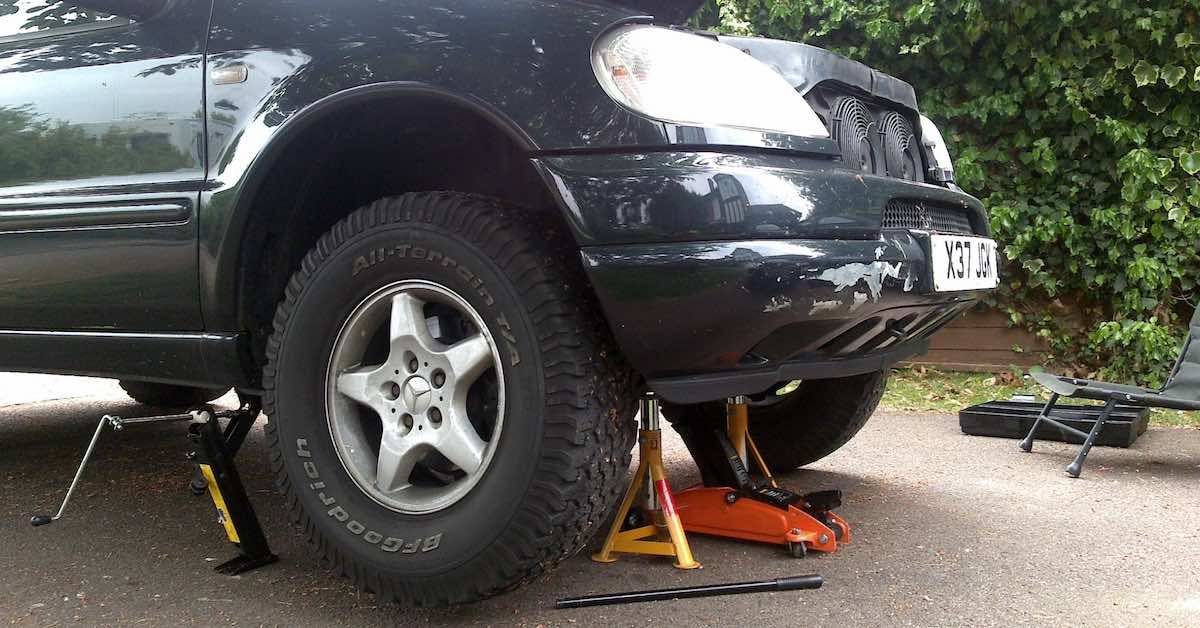
Some car owners wonder if they can replace shocks themselves. While it’s possible with the right tools and experience, there are risks:
- Safety: Shocks are under pressure; removing them wrong can be dangerous.
- Tools Needed: Spring compressors, torque wrenches, and sometimes special sockets.
- Alignment: Some cars need a wheel alignment after shock replacement.
If you’re not sure, it’s safer and often faster to let a pro handle it.
Preventing Shock Problems
You can’t stop all wear, but you can make shocks last longer:
- Avoid potholes and rough roads when possible.
- Don’t overload your car with too much weight.
- Check your suspension every 20,000 miles.
- Listen for changes in ride quality—catching problems early saves money.
Pro tip: Clean mud and debris from shocks after off-road driving. Dirt buildup can speed up wear.
When To See A Mechanic
If you notice any of these problems, get your car checked soon:
- Continuous bouncing after bumps
- Leaking oil from shocks
- Strange noises from under the car
- Uneven tire wear
Quick action keeps you safe and avoids bigger repair bills.
Frequently Asked Questions
Why Does My Car Bounce After Hitting A Bump?
Excessive bouncing usually means your shock absorbers are worn out. Shocks help control your car’s up-and-down movement. When they fail, the springs keep bouncing, making the car move more than it should.
Can Bad Shocks Damage My Tires?
Yes, bad shocks can cause uneven tire wear. When tires lose contact with the road, they wear in patches or develop a pattern called cupping. This reduces tire life and can be expensive to fix.
How Do I Know If I Need New Shocks Or Struts?
If your car bounces, sways, or makes clunking noises over bumps, your shocks or struts may need replacement. Leaking oil on the shock body is another sign. A mechanic can confirm which parts are bad.
Is It Safe To Drive With Bad Shocks?
It’s not safe. Bad shocks reduce your control, increase stopping distances, and can lead to accidents, especially in emergencies or wet conditions. It’s best to replace them as soon as possible.
Where Can I Learn More About Car Suspension?
You can find detailed information about car suspension systems at Wikipedia. They explain how shocks, struts, and other parts work together.
A bouncing car is more than just a comfort issue—it’s a warning sign. Paying attention to your suspension and acting early keeps your ride smooth, safe, and affordable. Don’t let bad shocks turn every drive into a bumpy ride; check and replace them as needed, and enjoy the difference in your car’s handling and your peace of mind.
Credit: www.autotechiq.com