
Every car owner dreads seeing blue smoke from the exhaust or noticing their oil level dropping quickly between changes. When your car is burning oil, it’s more than just an inconvenience—it can signal hidden engine problems that affect performance and lifespan. Many drivers ignore early signs, hoping they’ll go away, but understanding what causes oil burning and how to fix it can save you serious headaches and money.
In this guide, we’ll break down the main reasons cars burn oil, practical steps to diagnose the issue, and the best ways to fix it. Whether you drive a newer model or an older vehicle, this article gives you the clear answers you need to keep your engine healthy.
What Does It Mean When A Car Burns Oil?
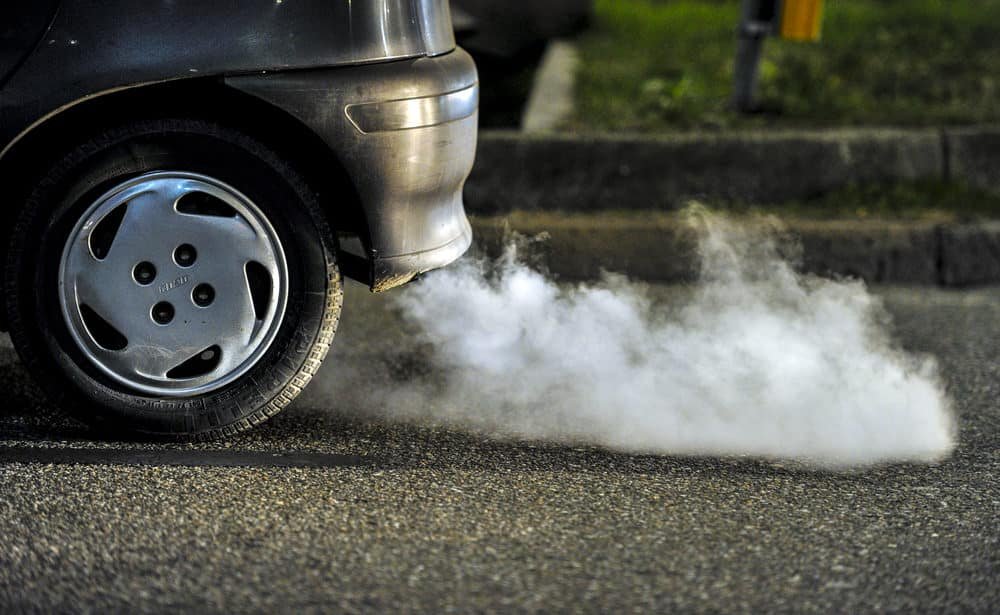
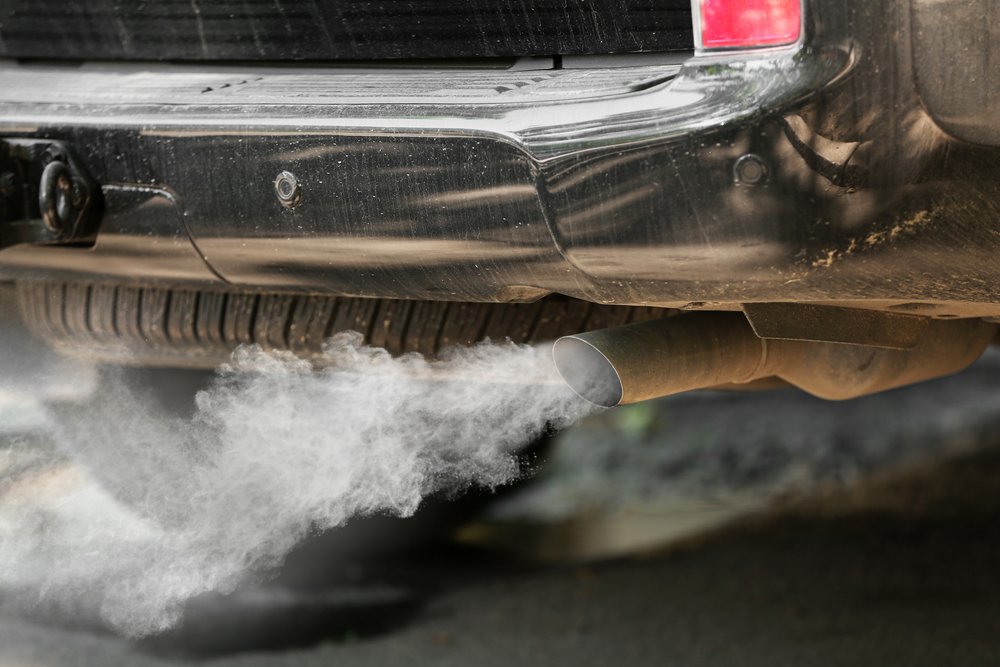
Burning oil happens when engine oil gets into areas where it shouldn’t—mainly the combustion chamber—and is burned along with fuel. This can cause blue or gray smoke from the exhaust, lower oil levels, or even a burning smell inside the cabin. Sometimes, you won’t see obvious smoke, especially if the problem is small, but you’ll still notice you have to add oil often.
Modern cars are designed to use a tiny amount of oil, but if you’re losing more than one quart every 1,000 miles, there’s likely a problem. Ignoring it can lead to engine damage, increased emissions, and expensive repairs.
Common Signs Your Car Is Burning Oil
Knowing the symptoms helps you catch the problem early. Here are some things to watch for:
- Blue or gray exhaust smoke – Most visible when starting the car or accelerating.
- Rapidly dropping oil level – Needing to top up oil frequently, even without leaks.
- Oil smell in the cabin – Unusual smells during or after a drive.
- Fouled spark plugs – Oil residue on plugs can cause misfires and rough idling.
- Poor engine performance – Loss of power, hesitation, or increased fuel consumption.
If you see one or more of these signs, it’s time to investigate further.
Main Causes Of Car Burning Oil
Many things can cause oil burning, but some are much more common than others. Let’s break down the key reasons:
1. Worn Piston Rings
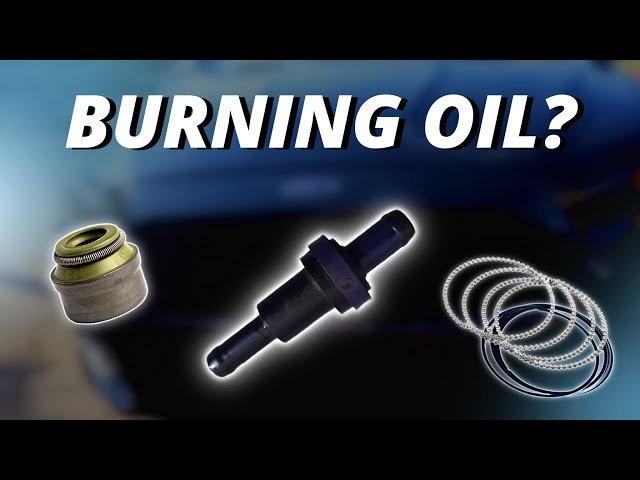
Piston rings seal the gap between the piston and the cylinder wall. Over time, they wear out, letting oil slip into the combustion chamber. This is a frequent cause in high-mileage vehicles.
- Symptoms: Blue smoke, loss of power, excessive oil consumption.
- Why it happens: High mileage, poor maintenance, or engine overheating.
2. Bad Valve Seals
Valve seals prevent oil from dripping into the cylinders. When they get hard or crack, oil leaks into the engine and burns.
- Symptoms: Blue smoke, especially on startup or after idling.
- Why it happens: Age, heat cycles, or lack of oil changes.
3. Damaged Cylinder Walls
If the cylinder walls are scratched or worn, oil can get past the piston rings.
- Symptoms: Consistent oil loss, blue exhaust smoke, reduced compression.
- Why it happens: Dirt in engine, failed air filter, infrequent oil changes.
4. Failing Pcv Valve
The PCV (Positive Crankcase Ventilation) valve helps control engine pressure. When it fails, oil is sucked into the intake and burned.
- Symptoms: Oil in the air filter, increased oil use, rough idling.
- Why it happens: Clogged or stuck PCV valve due to sludge or lack of maintenance.
5. Turbocharger Issues
In cars with a turbocharger, worn turbo seals can leak oil directly into the intake.
- Symptoms: Blue smoke under boost, loss of power, oil in intercooler.
- Why it happens: High mileage, overheating, aggressive driving.
6. Overfilled Oil
Too much oil can cause increased pressure and force oil past seals and rings.
- Symptoms: Blue smoke, oil leaks, poor performance.
- Why it happens: Mistake during oil change.
7. Wrong Oil Viscosity
Using oil that is too thin (low viscosity) can slip past seals and rings more easily, especially in older engines.
- Symptoms: Excessive oil burning after an oil change.
- Why it happens: Using oil not recommended for your engine.
8. Head Gasket Failure
A blown head gasket can let oil and coolant mix, sending oil into the combustion chamber.
- Symptoms: White and blue smoke, milky oil, overheating.
- Why it happens: Overheating, engine age, poor maintenance.
9. Worn Valve Guides
Valve guides keep valves aligned. If they wear out, oil can leak past the guides into the combustion chamber.
- Symptoms: Smoke on startup, oil fouled spark plugs.
- Why it happens: High mileage, poor lubrication.
10. Engine Wear Due To Old Age
Engines with high mileage simply wear out. All moving parts develop larger gaps, making it easier for oil to escape into the wrong places.
- Symptoms: All of the above, more frequent in cars over 150,000 miles.
Comparing Causes And How They Show Up
To help spot the problem, here’s how the main causes compare:
| Cause | Typical Mileage | Main Symptom | Repair Cost Estimate |
|---|---|---|---|
| Piston Rings | 100,000+ miles | Blue smoke, loss of power | $1,000–$3,500 |
| Valve Seals | 70,000+ miles | Smoke on startup | $600–$1,500 |
| PCV Valve | Any | Oil in air filter | $50–$150 |
| Turbo Seals | 80,000+ miles | Smoke under boost | $800–$2,500 |
How To Diagnose Why Your Car Is Burning Oil
Finding the source of oil burning takes a careful approach. Here’s a step-by-step method:
1. Check For External Leaks
Make sure the oil isn’t simply leaking onto the ground. Look under the car and around the engine for wet spots.
- Inspect the Exhaust Smoke
- Blue smoke: Burning oil.
- White smoke: Coolant burning (head gasket issue).
- Black smoke: Too much fuel.
- Look at the Spark Plugs
Remove a few spark plugs. If you see oily, wet deposits, oil is getting into the combustion chamber.
4. Check The Pcv Valve
Remove and shake it. If it doesn’t rattle, or you see oil around it, it could be clogged.
5. Compression Test
This measures the health of piston rings and cylinders. Low or uneven compression points to internal engine wear.
6. Inspect The Air Intake
Check for oil inside the air filter housing or intake pipes. This can suggest PCV or turbo issues.
7. Check Oil Viscosity And Level
Make sure you’re using the right oil and not overfilled.
8. Monitor Oil Usage
Track how much oil you add and how often. This helps your mechanic diagnose the issue faster.
Advanced Tests
Some problems need more detailed checks:
- Leak-down test: Pinpoints if piston rings, valves, or head gaskets are failing.
- Cylinder borescope: Lets a mechanic look inside the engine.
Credit: www.metrocarremoval.com.au
How To Fix A Car That’s Burning Oil
The right fix depends on the cause. Here’s what you can do, from simple to complex:
1. Replace The Pcv Valve
This is a quick, cheap fix. A new PCV valve often solves minor oil burning, especially in modern cars.
- DIY time: 15–30 minutes.
- Cost: $10–$50 for most cars.
2. Use The Correct Oil
Switch to the manufacturer-recommended oil viscosity. In some older engines, using a slightly thicker oil (like 10W-40 instead of 5W-30) can reduce burning, but only do this if the manual allows.
3. Do Not Overfill The Oil
Check the dipstick and only fill to the max mark. Draining excess oil can stop burning due to overfilling.
4. Try High-mileage Oil
High-mileage oils contain seal conditioners that can help slow leaks and burning in older engines. This isn’t a cure, but it can reduce symptoms.
5. Change Valve Seals
If smoke is worst on startup, replacing valve seals can fix the problem. This is a job for an experienced mechanic.
- Typical cost: $600–$1,500.
6. Repair Turbocharger
For turbocharged cars, rebuild or replace the turbo if the seals are leaking. This is a complex and sometimes expensive repair.
7. Engine Rebuild Or Replacement
If the piston rings, cylinder walls, or valve guides are worn out, the only real fix is to rebuild or replace the engine. This is a major job, but sometimes the only way to stop serious oil burning.
8. Head Gasket Replacement
If tests show a failed head gasket, you’ll need a new one. This is urgent, as driving with a blown head gasket can destroy your engine.
- Typical cost: $1,000–$2,500.
When A Fix Isn’t Worth It
For very old cars or those with high mileage, the cost of repairs may be more than the car’s value. In these cases, it may be smarter to monitor oil levels and keep adding oil until you replace the vehicle.
Fixes Compared
Here’s a quick comparison of repair effectiveness and cost:
| Fix | Effectiveness | Cost | DIY Possible? |
|---|---|---|---|
| PCV Valve Replacement | High (if PCV is cause) | Low | Yes |
| Valve Seals | High | Medium | No |
| Piston Rings/Engine Rebuild | Very High | High | No |
| High-Mileage Oil | Medium | Low | Yes |
Preventing Oil Burning In The Future
Prevention is always better than cure. Here’s what you can do to keep your engine running clean:
- Change oil and filter regularly – Follow your owner’s manual schedule.
- Use high-quality oil – Cheap oil breaks down faster and leaves deposits.
- Replace air filter as needed – Prevents dirt from scratching cylinder walls.
- Don’t ignore warning signs – Catch small problems before they become big.
- Let the engine warm up – Especially in cold weather, to prevent seal damage.
One thing many drivers miss: Short trips where the engine doesn’t fully warm up can cause sludge buildup, blocking the PCV valve and leading to oil burning. Taking a longer drive occasionally helps keep the system clean.
Credit: www.goldeagle.com
Real-world Example
A 2012 Honda Accord with 110,000 miles began burning oil at a rate of one quart every 1,200 miles. The owner noticed blue smoke only on startup and after long idles. A mechanic replaced the PCV valve and switched to high-mileage oil.
The burning slowed, but after 6 months, smoke returned. The final fix was new valve seals. This highlights that sometimes, multiple steps are needed, and the cheapest fix doesn’t always solve the problem long-term.
When To See A Mechanic
If you’ve tried simple fixes and your car still burns oil, or you see blue smoke and power loss, it’s time for professional help. Mechanics have tools like leak-down testers and borescopes to find the root cause. Delaying repairs can lead to total engine failure—be proactive.
For more about engine oil and vehicle care, the Wikipedia Motor Oil page offers in-depth technical insights.
Credit: www.youtube.com
Frequently Asked Questions
What Causes A Car To Burn Oil But Not Leak?
Internal engine wear—such as worn piston rings or valve seals—lets oil enter the combustion chamber and burn. There’s no external leak, so you don’t see oil on the ground, but you’ll notice oil loss and possibly blue smoke.
Is It Safe To Drive A Car That Burns Oil?
It’s usually safe for short trips if you check and top up oil regularly. However, ignoring the problem can lead to engine damage, poor performance, and higher repair costs. Address the root cause as soon as possible.
How Much Oil Burning Is Normal?
Most manufacturers consider up to one quart per 1,000 miles acceptable, especially in older or high-performance engines. Anything more should be checked by a mechanic.
Will A Thicker Oil Stop My Car From Burning Oil?
Sometimes, using a thicker oil (like 10W-40) can reduce oil burning in older engines. But always check your manual—using oil that’s too thick can cause other problems, especially in cold weather.
Can Oil Additives Fix Oil Burning?
Some additives claim to reduce oil burning by swelling seals or thickening oil. They may help minor problems but won’t fix serious engine wear. Use only as a temporary measure, not a solution.
Keeping your car’s engine healthy saves money, reduces pollution, and gives you peace of mind on the road. Now you know what causes oil burning, how to diagnose it, and the best ways to fix and prevent it—so you can drive with confidence.