
Every car dealership wants happy customers. But how do you know if buyers really leave with a smile—or with complaints they never voice? This is where the car dealer satisfaction survey comes in. It’s not just a simple questionnaire. It’s a powerful tool that helps dealerships understand what works, what fails, and how to improve. In the modern auto market, with so many choices for buyers, understanding customer satisfaction is no longer optional. It’s essential for survival and growth.
Many dealerships think their service is good enough. But without clear feedback, they miss hidden problems or new trends. Sometimes, even small annoyances can push buyers away. On the other hand, small improvements can turn a first-time buyer into a loyal customer.
This is why a strong, well-designed satisfaction survey is so important. It shows what customers really feel, not just what sales teams hope.
Let’s look at why car dealer satisfaction surveys matter so much, what makes them effective, how to interpret the results, and how using the data leads to real business success.
Why Car Dealer Satisfaction Surveys Matter
Car buying is a big decision for most people. For many, it’s the second largest purchase after a home. When customers walk into a dealership, they expect honest advice, fair pricing, and good service. If their experience is poor, they rarely complain directly. Instead, they simply leave—and tell friends and family to avoid your business.
A satisfaction survey gives customers a voice. It helps management see their business through the customer’s eyes. When used well, these surveys do much more than just collect opinions. They help dealerships:
- Identify weaknesses in sales or after-sales service
- Understand what keeps customers coming back
- Track performance of staff and processes
- Compare with local competitors
- Discover new market trends and customer needs
Without this feedback, dealerships are guessing. With it, they have a roadmap for improvement.
The Impact On Customer Loyalty
One of the biggest benefits of satisfaction surveys is building customer loyalty. Studies show that a happy customer is much more likely to return for their next car. According to a 2022 Cox Automotive survey, about 53% of repeat buyers said past dealership experience was a key reason for returning.
Even more important, loyal customers are often the best source of referrals. A single happy customer might tell five friends or family members. A dissatisfied one can warn even more, especially online.
Helping Dealerships Stand Out
Today, buyers research online before ever visiting a showroom. They read reviews and compare ratings. A dealership with many positive experiences stands out. When surveys highlight strengths—like fast paperwork or helpful staff—dealerships can use these insights in marketing.
On the flip side, a survey can reveal negative patterns before they turn into bad online reviews.
What Makes A Good Car Dealer Satisfaction Survey
Not all surveys are created equal. A survey that’s too long, confusing, or poorly timed can annoy customers or give unreliable results. Effective surveys share certain features:
- Clear questions: Avoid jargon. Ask about what matters—such as wait times, staff friendliness, and how well problems were solved.
- Short and focused: Most customers will not answer a 50-question survey. The best surveys take 5-10 minutes.
- Mix of question types: Use ratings (1-10), yes/no, and a few open-ended questions for personal feedback.
- Easy to access: Offer surveys by email, SMS, or even a tablet in the dealership.
- Anonymous option: Some customers give more honest feedback when they don’t have to share their name.
Example: Key Survey Questions
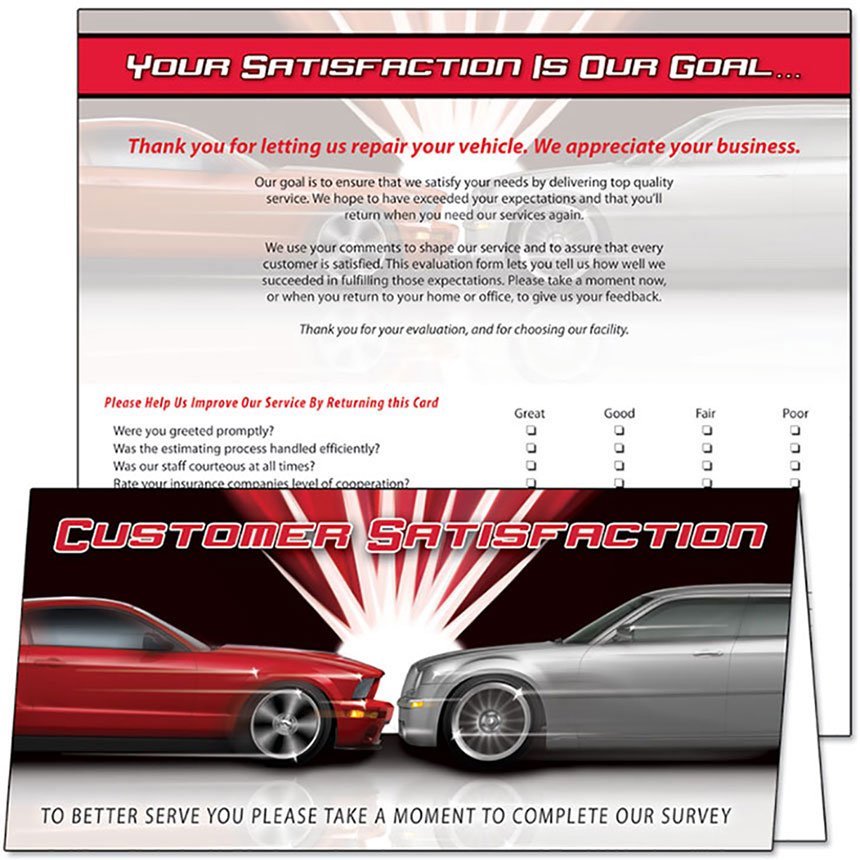
Here are some questions that usually get valuable feedback:
- How satisfied were you with the sales process?
- Did staff answer all your questions clearly?
- Was the price explained well?
- How likely are you to recommend us to a friend?
- What could we have done better?

Credit: www.customer-alliance.com
The Survey Process: Timing And Method
When and how you ask for feedback matters as much as the questions themselves. Catching the customer at the right moment increases response rates and accuracy.
Timing
- Right after purchase: The customer’s memory is fresh. They can remember details about the sales process, finance, and delivery.
- After service visits: Service departments can send out a quick survey after maintenance or repairs.
- A few weeks later: This checks if the new car meets expectations and if any issues have come up.
Method
Most dealerships use a mix of survey methods:
- Email surveys: Easy to automate and track.
- SMS surveys: Short, quick feedback, but best for 1-2 questions.
- Phone calls: More personal, but time-consuming and not everyone answers.
- On-site tablets: Good for immediate feedback, but some customers may rush through.
Each method has pros and cons. The best approach is to offer more than one option.
Analyzing Survey Results: Turning Data Into Action
Collecting feedback is only the first step. The real value comes from careful analysis and action. Raw numbers alone don’t help. It’s the patterns and stories behind the numbers that matter.
Key Metrics To Track
Several common survey metrics can guide dealership improvements:
- Net Promoter Score (NPS): Measures how likely customers are to recommend the dealership. A score above 50 is considered excellent.
- Customer Satisfaction Score (CSAT): Simple 1-5 or 1-10 rating on overall satisfaction.
- Customer Effort Score (CES): How easy was it to complete the purchase or service?
Here’s a comparison of these three metrics:
| Metric | What It Measures | Question Example | Best Use |
|---|---|---|---|
| Net Promoter Score (NPS) | Loyalty and referrals | How likely to recommend? | Long-term loyalty tracking |
| Customer Satisfaction (CSAT) | Immediate satisfaction | How satisfied today? | Quick feedback after visits |
| Customer Effort (CES) | Ease of process | How easy was it? | Spotting process problems |
Finding Patterns
Look beyond averages. Are there certain days or staff members with lower scores? Does the service department get more complaints than sales? Are repeat customers happier than first-timers? Comparing these groups helps target training and process changes.
Real-world Example
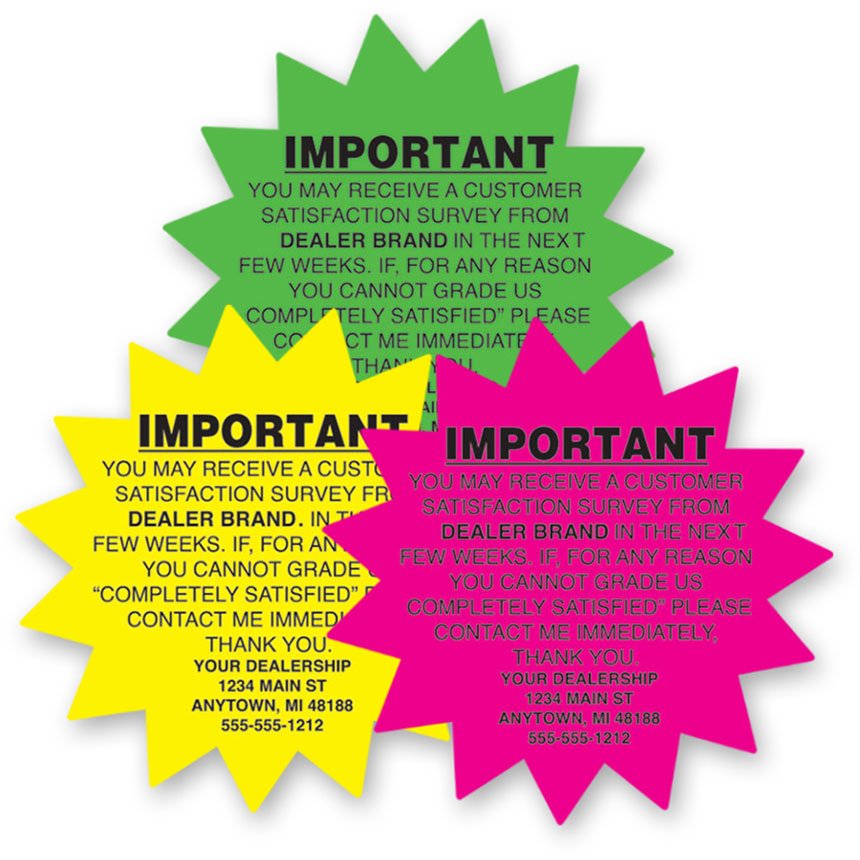
A dealership in Texas noticed low scores for “wait time during paperwork. ” By reviewing survey comments, they found the finance process was confusing and slow. They simplified forms and trained staff to explain each step. In three months, satisfaction scores improved by 23%.
Credit: www.sidsavage.com
Acting On Feedback: Making Real Improvements
The most successful dealerships don’t just collect feedback—they act on it. This involves:
- Sharing results with the team: Everyone, from sales to service, should know customer feedback. This builds a culture of improvement.
- Setting goals: For example, aiming to raise NPS by 10 points in six months.
- Training and coaching: Use survey comments to guide staff training.
- Fixing common pain points: If many customers mention long waits, add more staff during busy hours.
- Thanking customers: Let customers know their feedback led to real changes. This increases trust and loyalty.
Here is a simple before-and-after improvement example:
| Issue | Before Action | After Improvement | Result |
|---|---|---|---|
| Long wait times | Average wait 45 minutes | Added 2 more finance staff | Wait cut to 20 minutes |
| Poor communication | Staff did not follow up | Added reminder system | Follow-up calls rose by 40% |
Common Mistakes Dealerships Make With Surveys
Many dealerships run surveys but get little value. Here’s why:
- Ignoring negative feedback: Some managers focus only on good scores and miss big problems.
- Not closing the loop: If a customer complains, but nothing is done, they feel ignored.
- Asking too late: Surveys sent weeks or months after a visit get low response rates and poor memory.
- Over-surveying: Sending too many surveys annoys customers and causes “survey fatigue.”
A good practice is to act quickly on urgent complaints, thank all respondents, and use feedback for steady improvements—not just quick fixes.
The Business Value: How Surveys Drive Profits
Dealerships that take satisfaction seriously see real results. According to J.D. Power, dealerships with high satisfaction scores have up to 50% higher customer retention rates. This means more repeat buyers, more referrals, and higher sales.
Happy customers are also less likely to haggle hard on price. They trust the dealership and are willing to pay a fair rate for good service. On the service side, satisfied customers are more likely to buy extras or return for regular maintenance.
Here’s a simple comparison of business impact:
| Dealership Type | Repeat Customer Rate | Average Profit per Customer |
|---|---|---|
| High satisfaction | 60% | $2,800 |
| Low satisfaction | 35% | $1,900 |
These numbers show why satisfaction surveys are not just “nice to have. ” They’re a key part of a successful, profitable dealership.
Non-obvious Insights Most Beginners Miss
First, timing matters more than you think. Many dealerships wait too long to send surveys, losing valuable feedback. Fast, same-day surveys capture honest opinions before customers forget details.
Second, staff buy-in is critical. If your team thinks surveys are just for management, they won’t care. Involve all staff. Share positive feedback, not just complaints. Celebrate improvements together.
Another insight: small gestures matter. A handwritten thank-you note after a survey response, or a quick call to unhappy customers, can make a big difference. These actions are noticed and remembered.
Finally, don’t just compare against your past scores. Benchmark against local competitors or industry averages. This shows where you truly stand—and pushes your team to aim higher.
Credit: www.collisionservices.com
Frequently Asked Questions
What Is The Main Goal Of A Car Dealer Satisfaction Survey?
The main goal is to understand customer experiences and find ways to improve service, sales, and loyalty. It helps dealerships see what customers like, what annoys them, and what changes will keep them coming back.
How Often Should A Dealership Send Satisfaction Surveys?
Most dealerships send surveys right after each sale or service visit. Some also send a follow-up survey a few weeks later. The key is not to send too many, or customers may stop responding.
What Should I Do With Negative Feedback From Surveys?
Negative feedback should be treated as a gift. It shows where your business needs to improve. Always thank the customer, fix the problem if possible, and let the team know about common issues.
Are Online Reviews And Satisfaction Surveys The Same?
No, they are different. Online reviews are public and can be seen by anyone. Satisfaction surveys are private and give more detailed, honest feedback. Surveys help you fix problems before they become bad reviews.
Where Can I Learn More About Customer Satisfaction In The Auto Industry?
A good source is the J.D. Power Automotive research site. They publish studies and best practices on satisfaction and loyalty.
Car dealer satisfaction surveys are much more than simple forms. They are the secret to understanding customers, improving service, and building a stronger, more profitable business. Dealerships that listen and act on feedback will not just survive—they’ll lead the market.