
Car Exhaust System Maintenance: Keep Your Vehicle Running Smoothly
When you start your car and hear a smooth, low hum, you probably don’t think much about the exhaust system. But this hidden network under your vehicle plays a huge role in performance, safety, and even the environment. Many drivers ignore exhaust system maintenance until they face a loud noise, a failed emissions test, or worse—a breakdown. Taking care of your car’s exhaust doesn’t just save money in the long run; it also keeps your driving experience safe and comfortable.
This guide will explain everything you need to know about car exhaust system maintenance—from basic tasks to advanced tips. Whether you’re a new driver or have owned cars for years, you’ll discover practical advice, surprising facts, and clear steps to keep your car healthy.
What Is The Exhaust System And Why Does It Matter?
Your car’s exhaust system is more than just a tailpipe. It’s a series of connected parts that direct exhaust gases away from the engine, reduce pollution, and control noise. A well-maintained exhaust system helps your car run efficiently and prevents harmful fumes from entering the cabin.
Main Parts Of The Exhaust System
- Exhaust manifold: Collects gases from the engine cylinders.
- Oxygen sensors: Monitor oxygen levels for better fuel control.
- Catalytic converter: Reduces toxic emissions.
- Resonator: Helps control noise.
- Muffler: Further reduces noise.
- Pipes: Channel gases through the system and out of the car.
- Tailpipe: Releases exhaust into the air.
Neglecting any part can lead to reduced performance, increased emissions, or even dangerous leaks.
Signs Your Exhaust System Needs Attention
Knowing the warning signs of a failing exhaust system can save you from bigger, costlier problems.
- Loud noises: A sudden, deep, or rattling noise often means a problem with the muffler or a hole in the pipes.
- Decreased fuel efficiency: If you’re visiting the gas station more often, a faulty exhaust can be the cause.
- Vibrations or loss of power: Engine vibrations or sluggish acceleration may indicate exhaust leaks or blockages.
- Unusual smells: A strong odor of gas or exhaust inside the car is a serious safety concern.
- Visible rust or holes: Check for rust spots or holes under your car, especially near the muffler and pipes.
Ignoring these signs can lead to more expensive repairs and unsafe driving conditions.
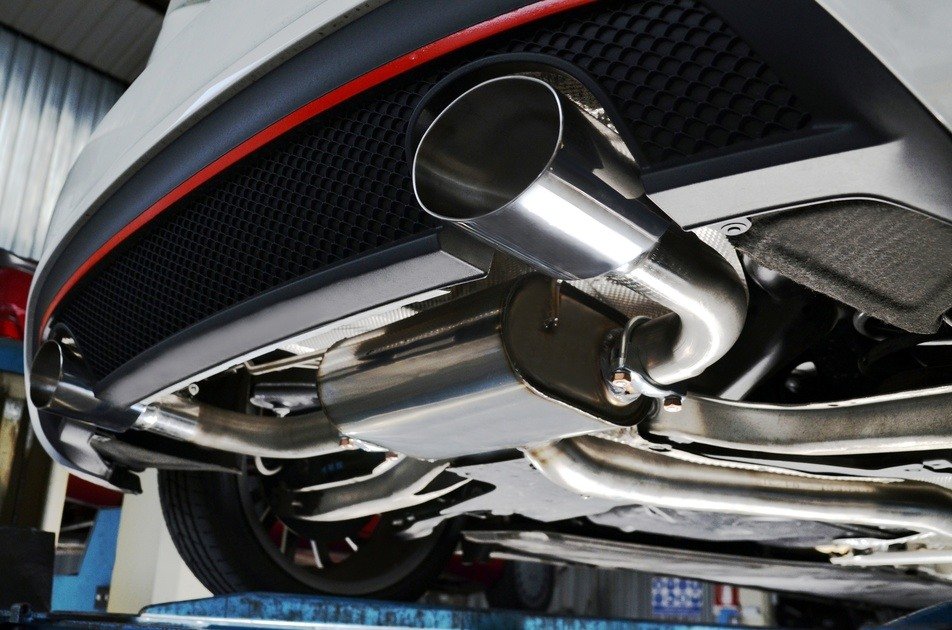
Credit: www.gotodobbs.com
Basic Maintenance Tasks For Your Exhaust System
Regular maintenance goes a long way in preventing major problems. Here’s what every driver should do:
1. Regular Inspections
Look under your car every few months (or at each oil change) for visible damage, rust, or loose parts. Pay extra attention if you often drive on rough or salted roads, as these increase wear.
2. Listen For Changes
A change in your car’s sound is often the first warning of an exhaust issue. If your car suddenly sounds louder or different, have it checked by a mechanic.
3. Check For Leaks
After parking, look for drips or black soot under the car. Exhaust leaks can be dangerous, especially if fumes enter the cabin.
4. Keep The System Clean
Road salt, mud, and water can cause rust. Wash the underside of your car regularly, especially in winter or after driving through mud.
5. Use The Right Fuel
Using high-quality fuel helps the catalytic converter work better and reduces buildup inside the system.
Common Problems And How To Handle Them
Even with regular maintenance, problems can happen. Here are some of the most common exhaust issues and what you can do:
Rust And Corrosion
Rust is the enemy of all metal parts. Exhaust systems face constant moisture and temperature changes, making them easy targets for rust.
Prevention tips:
- Wash the undercarriage during winter.
- Park in a garage or on dry ground.
- Consider rust-proof coatings for older cars.
Exhaust Leaks
Leaks can happen at connection points or due to holes in pipes. They make your car noisy and can let dangerous gases enter the cabin.
What to do:
If you suspect a leak, get it checked immediately. Mechanics can patch small holes or replace damaged sections.
Failing Catalytic Converter
A catalytic converter that fails will trigger the check engine light and may cause poor performance.
Signs:
- Rotten egg smell
- Poor acceleration
- Failed emissions test
Solution:
Replacement is often the only fix. Using the right fuel and fixing engine problems quickly can extend its life.
Faulty Oxygen Sensors
Oxygen sensors help manage fuel efficiency and emissions. A failing sensor will hurt your gas mileage and might cause rough idling.
Action:
Replace sensors as recommended in your car’s manual, usually every 60,000 to 100,000 km.
How The Exhaust System Affects Emissions And The Environment
The exhaust system is critical for reducing your car’s environmental impact. The catalytic converter turns dangerous gases like carbon monoxide, hydrocarbons, and nitrogen oxides into safer substances. A damaged exhaust means your car will release more pollution.
Emission Test Failures
In many countries, cars must pass an emissions test. A faulty exhaust system is a common reason for failure, which can lead to fines or being unable to renew your registration.
Tip:
Keeping your exhaust system in good shape helps you pass these tests and protects the environment.
Diy Maintenance Vs. Professional Service
You can do some maintenance tasks yourself, but others need a mechanic’s expertise.
| Task | DIY Possible? | When to See a Mechanic |
|---|---|---|
| Visual Inspection | Yes | If you see rust, holes, or hanging parts |
| Washing Undercarriage | Yes | If you notice damage while cleaning |
| Oxygen Sensor Replacement | Sometimes | If check engine light is on or after 100,000 km |
| Catalytic Converter Replacement | No | Always see a professional |
| Exhaust Leak Repair | No | Always see a professional |
If you enjoy working on cars, you can handle inspections, cleaning, and sometimes changing sensors. But for leaks, rusted parts, or anything involving welding, trust a mechanic.
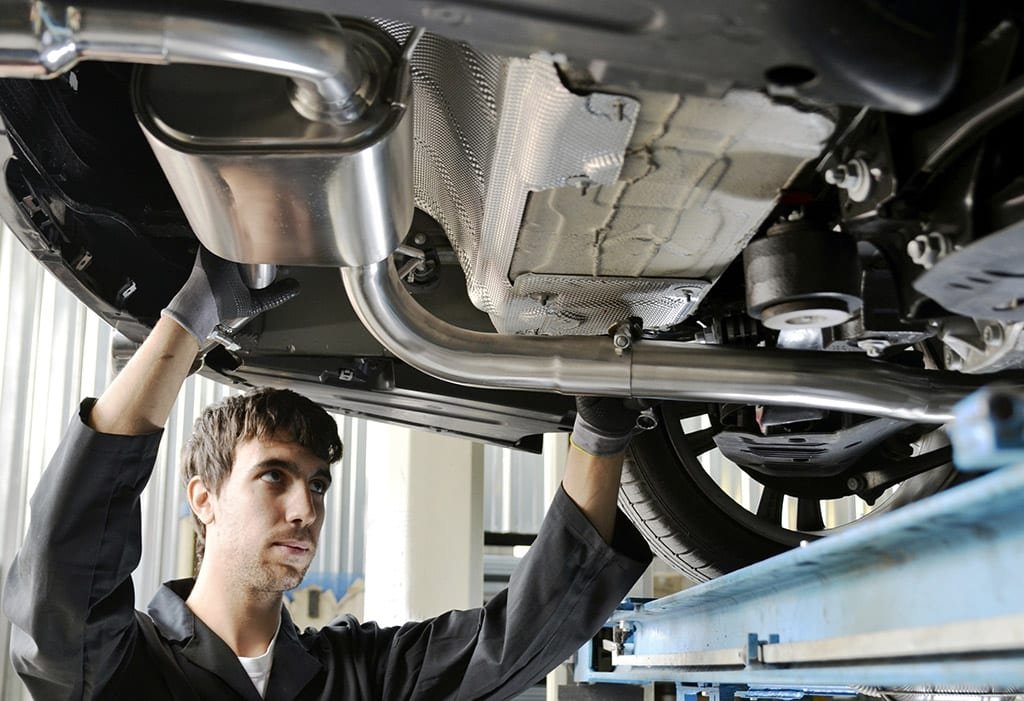
Credit: fifthgear.biz
How Often Should You Service The Exhaust System?
There’s no single answer for every car, but here are some general guidelines:
- Check the system every oil change or at least twice a year.
- Replace oxygen sensors as recommended (usually every 60,000–100,000 km).
- Inspect the catalytic converter if you notice poor performance or a check engine light.
- Clean the undercarriage every few months, especially after winter or muddy conditions.
Newer cars may need less frequent attention due to better materials, but don’t ignore warning signs.
Cost Of Exhaust System Repairs
Repair costs vary based on the problem and your car’s make and model.
| Repair Type | Average Cost (USD) | Notes |
|---|---|---|
| Muffler Replacement | 150–400 | Depends on car model and part quality |
| Catalytic Converter | 900–2,500 | Can be more for luxury cars |
| Oxygen Sensor | 100–300 | Labor costs extra if done at a shop |
| Pipe Welding/Repair | 100–500 | Depends on location and severity |
Fixing small problems early can prevent bigger, more expensive repairs later.
Advanced Tips For Extending Exhaust System Life
Many drivers don’t realize that small habits can make a big difference. Here are two advanced insights most people miss:
- Short Trips Increase Moisture: If you only drive short distances, your exhaust system doesn’t get hot enough to burn off water vapor. This moisture stays inside the pipes and creates rust. Taking your car for a longer drive occasionally helps dry out the system.
- Aftermarket Parts Aren’t Always Better: Many aftermarket exhaust parts promise better performance or sound. However, cheaper parts may rust faster or not fit perfectly. Always choose parts from trusted brands and check for corrosion resistance.
Common Mistakes In Exhaust System Maintenance
Even well-meaning drivers can make mistakes that harm their exhaust systems:
- Ignoring warning lights: The check engine light often signals exhaust problems.
- Using sealants instead of proper repairs: Temporary fixes can make things worse.
- Skipping undercarriage washes: Dirt and salt speed up rust.
- Letting small noises go unchecked: Small problems grow quickly in exhaust systems.
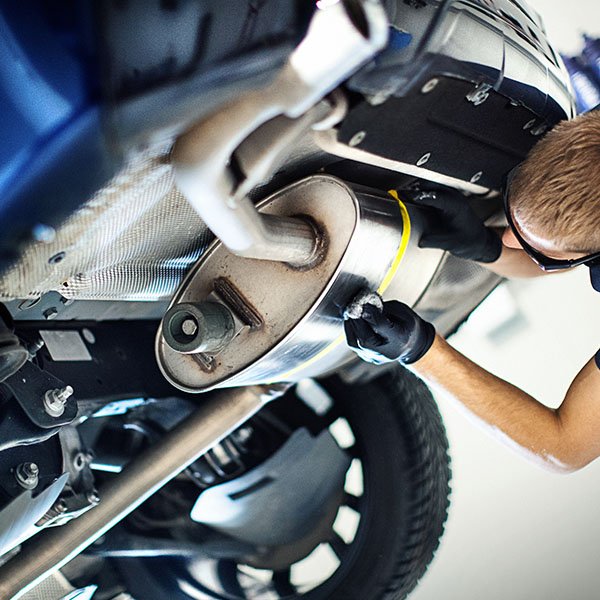
Credit: www.rgvtirepros.com
When To Replace Vs. Repair
Not every problem means you need new parts. But sometimes, replacement is the smarter choice.
| Situation | Repair | Replace |
|---|---|---|
| Small hole in pipe | Patch or weld | No |
| Heavy rust throughout system | No | Yes |
| Muffler rattle | Sometimes | If internal damage is severe |
| Failed catalytic converter | No | Yes |
If you’re unsure, ask your mechanic to show you the damaged parts. Good shops will explain your options clearly.
Environmental And Legal Reasons To Maintain Your Exhaust
Many countries have strict rules about vehicle emissions. Driving with a damaged exhaust system can lead to fines or your car failing inspections. More importantly, it can harm air quality for everyone. Keeping your exhaust healthy is not just about your car—it’s also about protecting your community and the environment.
For further details on emissions standards, you can check the EPA Automotive Trends Report.
Frequently Asked Questions
How Do I Know If My Exhaust System Has A Leak?
Common signs include loud noises, vibrations, or a strong smell of exhaust inside the car. If you suspect a leak, get it checked immediately, as exhaust gases can be dangerous.
How Long Does A Muffler Last?
A muffler usually lasts 5 to 7 years but can fail sooner in areas with harsh winters or rough roads. Regular inspections help catch problems early.
Can I Drive With A Damaged Catalytic Converter?
Driving with a failing catalytic converter is not recommended. It can lead to poor performance, higher emissions, and possible damage to other engine parts.
What Happens If I Ignore Exhaust Maintenance?
Ignoring maintenance can lead to expensive repairs, failed emissions tests, unsafe driving conditions, and even carbon monoxide poisoning inside the car.
Is Exhaust System Maintenance Expensive?
Basic maintenance is inexpensive, and catching problems early saves money. Major parts like catalytic converters are costly, but regular checks help avoid surprise expenses.
Keeping your car exhaust system in good shape is not just about performance—it’s about safety, savings, and caring for the environment. Regular attention, a few smart habits, and quick action when problems arise will keep you driving smoothly for years to come.