
Caring for your car is not just about oil changes and tire pressure. There are hidden parts that keep everything running smoothly, and one of the most important is the car gasket. Many drivers ignore gaskets until a big problem happens. But paying attention to gasket maintenance can save you time, money, and stress. Gaskets may be small, but they play a big role in keeping your engine safe from leaks and damage.
This article will guide you through everything you need to know about car gasket maintenance and replacement. You will learn what gaskets do, signs of trouble, how to keep them healthy, and what to do when replacement is needed. Whether you are a beginner or have some experience, these tips will help you avoid common mistakes and protect your vehicle for years to come.
Understanding Car Gaskets
A car gasket is a seal placed between two surfaces to prevent leaks of fluids or gases. In cars, gaskets are used in many places, including the cylinder head, intake manifold, exhaust manifold, valve cover, and oil pan. Their main job is to keep oil, coolant, and air in the right places.
Types Of Car Gaskets
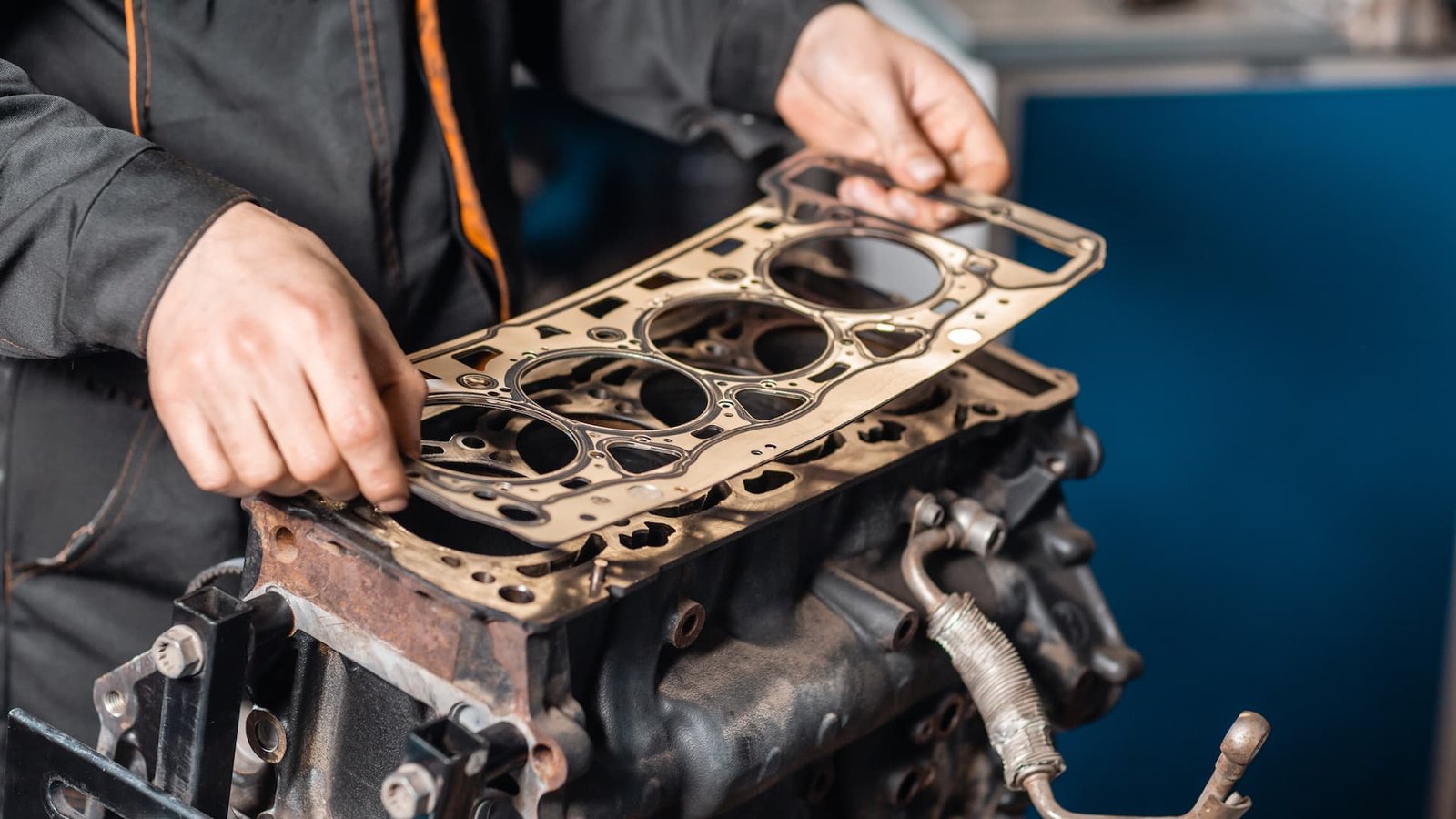
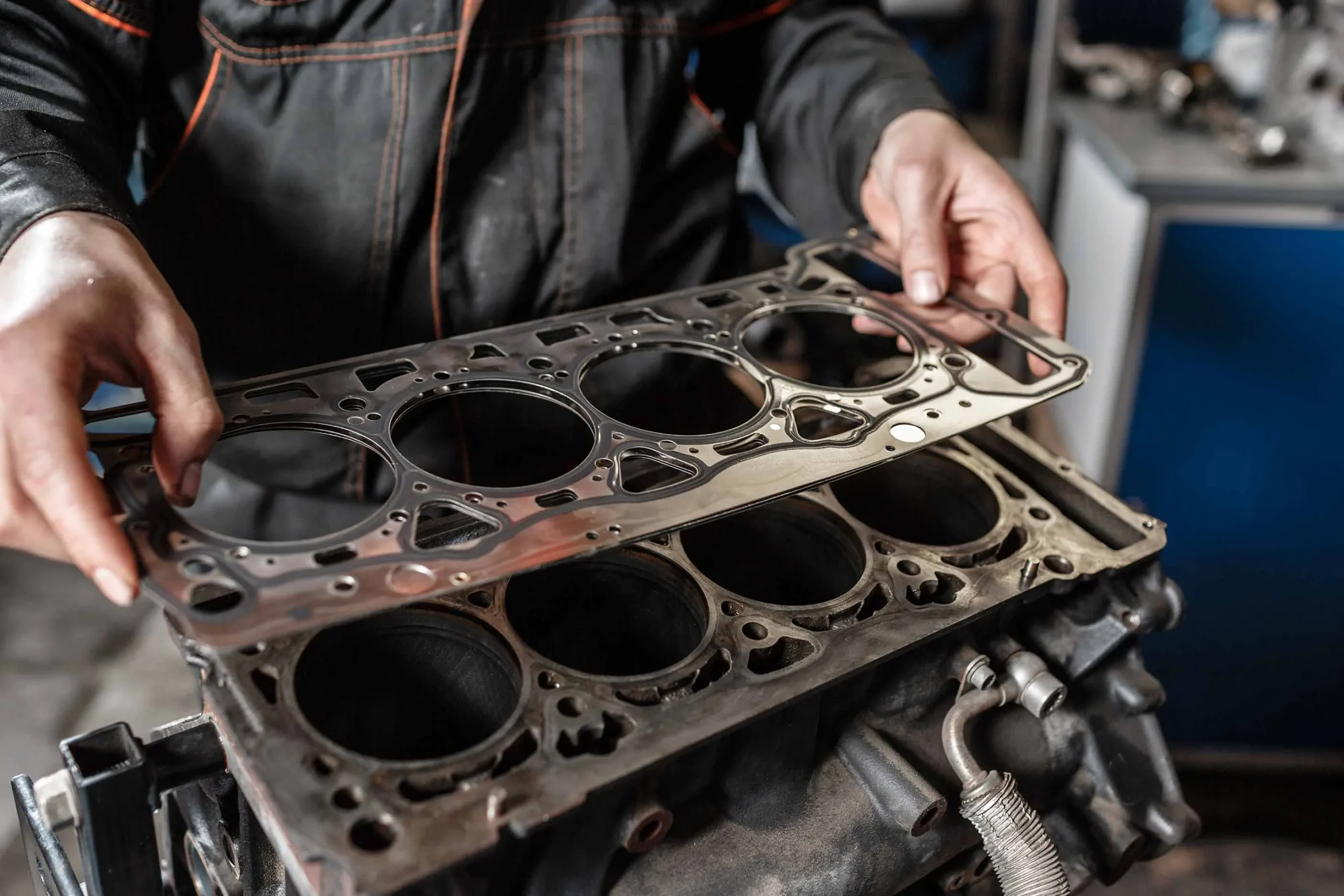
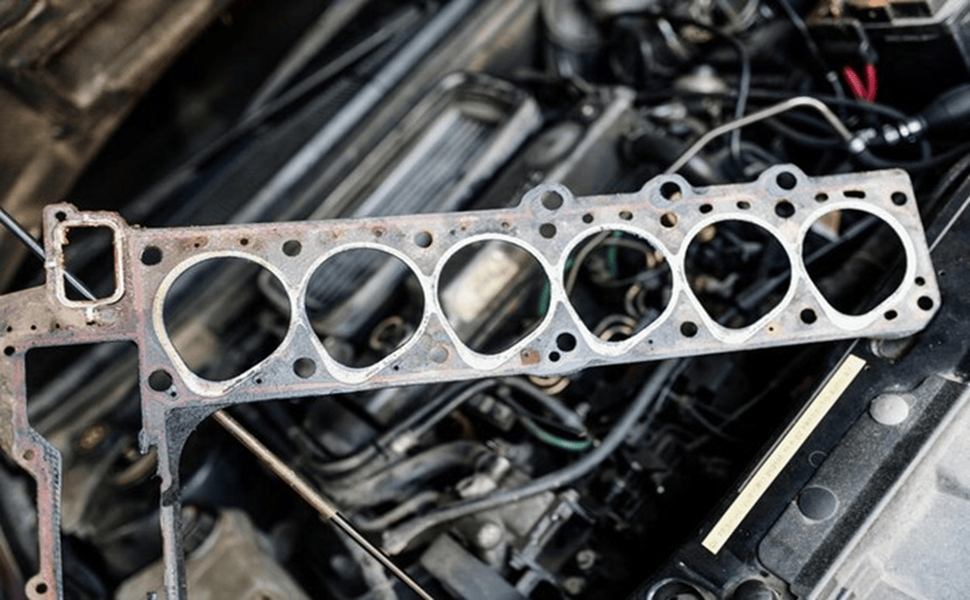
- Head gasket: Sits between the engine block and cylinder head. Prevents coolant and oil from mixing.
- Valve cover gasket: Seals the valve cover to the top of the engine, keeping oil inside.
- Intake manifold gasket: Stops air and coolant leaks between the intake manifold and engine.
- Exhaust manifold gasket: Prevents exhaust gases from escaping before they reach the exhaust system.
- Oil pan gasket: Seals the oil pan to the bottom of the engine, keeping oil from leaking out.
- Thermostat gasket: Seals the thermostat housing.
- Water pump gasket: Keeps coolant sealed in the water pump.
Every gasket must fit perfectly and stay strong under heat and pressure.
Why Gaskets Matter
A damaged gasket can cause serious problems:
- Oil leaks can lower engine lubrication, leading to wear.
- Coolant leaks can cause overheating and engine failure.
- Exhaust leaks may allow harmful gases to enter the car cabin or reduce engine performance.
Gaskets are not just simple rubber or metal rings — they are critical for your car’s health.
Signs Your Car Gasket Needs Attention
Most gasket problems do not happen suddenly. There are warning signs you should watch for:
- Visible oil or coolant leaks under your car.
- White smoke from the exhaust, which can mean a blown head gasket.
- Overheating engine, sometimes due to coolant loss.
- Milky oil on the dipstick, a sign of coolant mixing with oil.
- Loss of power or rough engine running.
- Unusual smells (sweet for coolant, burnt for oil).
Ignoring these signs can lead to engine damage that is expensive to fix.
Credit: www.autonationmobileservice.com
How To Maintain Car Gaskets
Regular maintenance helps your gaskets last longer and prevents sudden failures. Here is how you can keep them in good shape:
1. Check Fluid Levels Regularly
Low oil or coolant can point to gasket leaks. Check your fluids at least once a month. If you notice drops without an obvious leak, inspect your gaskets.
2. Use The Right Fluids
Always use the manufacturer-recommended oil and coolant. Wrong fluids can damage gaskets or make them swell and leak.
3. Keep Your Engine Cool
Overheating is a main cause of gasket failure. Make sure your radiator, thermostat, and cooling fans are working well. Replace coolant as recommended.
4. Tighten Bolts Correctly
Gaskets often fail because bolts are too tight or too loose. Use a torque wrench and follow the car manual’s instructions.
5. Inspect For Leaks
Look under your car for oil or coolant spots. Use a flashlight to check around the valve cover, oil pan, and intake manifold.
6. Replace Gaskets When Needed
Most gaskets last a long time, but after 100,000 miles or so, they may become brittle or cracked. Don’t wait for a total failure.
7. Avoid Engine Additives
Some products claim to stop leaks, but they can damage seals or clog small engine passages. Use additives only if a mechanic recommends them.
Non-obvious Insight
Many beginners miss this: even a small, slow leak can harm your engine over time. A little oil on your driveway could mean a gasket is wearing out. Early repair is much cheaper than fixing a broken engine.
Car Gasket Replacement: When And How
At some point, every car will need a gasket replaced. Here is how to approach it:
When To Replace A Gasket
- Constant leaks that don’t stop after tightening bolts.
- Oil in your coolant or vice versa.
- Loss of engine power with no other clear cause.
- Visible damage when inspecting engine parts.
Diy Vs Professional Replacement
Replacing a gasket can be a simple or difficult job, depending on the gasket type.
- Valve cover gaskets are usually easy to reach and can be replaced at home.
- Head gaskets require removing many engine parts and need special tools. It’s best to leave these to professionals.
Tools You Need
- Socket set and wrenches
- Torque wrench
- Gasket scraper or razor blade
- Cleaning solvent
- New gasket (specific for your car model)
- Engine sealant (if recommended)
Step-by-step Gasket Replacement (valve Cover Example)
- Disconnect the battery to avoid any electrical issues.
- Remove parts blocking access to the valve cover (hoses, wires, etc. ).
- Unbolt the valve cover in a crisscross pattern to avoid warping.
- Remove the old gasket and clean both surfaces. Make sure no old gasket material remains.
- Place the new gasket in the correct spot. Use a small amount of sealant if required.
- Reinstall the valve cover and tighten bolts to the recommended torque.
- Reconnect parts and battery.
- Run the engine and check for leaks.
Common Mistake
Do not overtighten bolts. Many beginners think tighter is better, but too much force can damage the gasket or the cover.
Comparing Gasket Types And Materials
Choosing the right gasket is important for performance and durability. Here is how common types compare:
| Gasket Type | Main Material | Best For | Average Lifespan |
|---|---|---|---|
| Head Gasket | Multi-layer steel | High pressure & heat | 100,000+ miles |
| Valve Cover | Rubber or Cork | Oil sealing | 50,000–80,000 miles |
| Intake Manifold | Composite or Rubber | Air/coolant sealing | 60,000–100,000 miles |
| Exhaust Manifold | Metal or Graphite | High heat | 80,000–120,000 miles |
Cost Of Gasket Replacement
Prices vary depending on the type of gasket and labor involved. Here is a basic comparison:
| Gasket Replacement | DIY Cost (parts only) | Professional Cost (parts + labor) | Difficulty Level |
|---|---|---|---|
| Valve Cover | $20–$40 | $100–$250 | Easy |
| Oil Pan | $30–$60 | $150–$400 | Medium |
| Head Gasket | $50–$200 | $900–$2,000 | Hard |
| Intake Manifold | $30–$80 | $250–$600 | Medium |
Non-obvious tip: If your car is old and needs a head gasket replacement, compare the repair cost to the car’s value. Sometimes, it makes more sense to upgrade your vehicle.
Credit: www.autostop.com.au
How To Choose Quality Gaskets
When buying a replacement gasket, look for these features:
- OEM (Original Equipment Manufacturer) parts fit best and last longest.
- Material should match the original (steel for head gaskets, rubber for valve covers).
- Brand reputation matters — cheap gaskets can fail early.
- Warranty is a good sign of quality.
Check your car’s manual or ask a trusted mechanic for advice. Avoid aftermarket parts with poor reviews.
Preventing Gasket Failure
You can help your gaskets last longer by following these habits:
- Warm up your engine gently in cold weather.
- Avoid overheating by keeping the cooling system healthy.
- Change oil and coolant at the recommended intervals.
- Listen for new noises or smells — these can be early warnings.
A small investment in regular care can prevent big repair bills.
Gasket Myths And Facts
Many drivers hear myths about gaskets. Let’s clear up some common ones.
| Myth | Fact |
|---|---|
| All gaskets are the same | Each gasket is designed for a specific job and conditions. |
| Adding stop-leak products is safe | These can work short-term but may clog or damage the engine in the long run. |
| Leaks mean you need a new engine | Most gasket leaks can be fixed without replacing the entire engine. |
| Metal gaskets never fail | All gaskets wear out eventually, even metal ones. |
When To See A Mechanic
If you see large puddles under your car, notice smoke, or your engine overheats quickly, do not drive. Call a mechanic. Some gasket failures can damage the engine in minutes.
If you are unsure, it is always better to ask a professional. They can do a pressure test, inspect your engine, and give you clear advice.
Credit: servicemycar.com
Frequently Asked Questions
What Is The Most Common Gasket To Fail In A Car?
The valve cover gasket is one of the most common to leak, especially in older cars, because it is exposed to heat and oil.
How Often Should Car Gaskets Be Replaced?
There is no fixed schedule. Most gaskets last many years, but check them every 60,000–100,000 miles or if you see leaks.
Can I Drive With A Leaking Gasket?
Driving with a small leak is risky and can lead to bigger problems. Always repair gasket leaks as soon as possible.
How Do I Know If My Head Gasket Is Blown?
Signs include white smoke from the exhaust, engine overheating, and milky oil. A mechanic can do a test to confirm.
Are Aftermarket Gaskets Safe To Use?
Some aftermarket gaskets are good, but always choose well-known brands and avoid the cheapest options. For important gaskets (like head gaskets), use OEM parts when possible.
Caring for your car’s gaskets is smart maintenance. By watching for early warning signs, choosing quality parts, and knowing when to ask for help, you can keep your car running smoothly for years. For more detailed technical information, visit the Wikipedia page on gaskets.