
When your car starts to hesitate and the check engine light comes on, it’s more than an inconvenience. It’s a signal from your vehicle that something isn’t right. Many drivers ignore this warning or hope the problem disappears, but this can lead to bigger, more expensive issues. Understanding what causes hesitation, why the check engine light is on, and how to respond can save you time, money, and stress. Let’s break down everything you need to know about car hesitation with the check engine light, using clear language and practical advice.
What Does Car Hesitation Mean?
Car hesitation happens when your vehicle does not respond smoothly to your actions, like pressing the gas pedal. Instead of accelerating as expected, the engine may feel like it’s stalling, stumbling, or holding back. Sometimes, there’s a brief loss of power or a jerking motion. This hesitation can be minor or severe, and it often occurs during acceleration, at low speeds, or when the engine is under load.
Car hesitation is almost always a sign that the engine is not getting the right mix of fuel, air, or spark needed to run smoothly. When the check engine light comes on at the same time, your car’s computer has detected a problem serious enough to need attention.
Why The Check Engine Light Appears With Hesitation
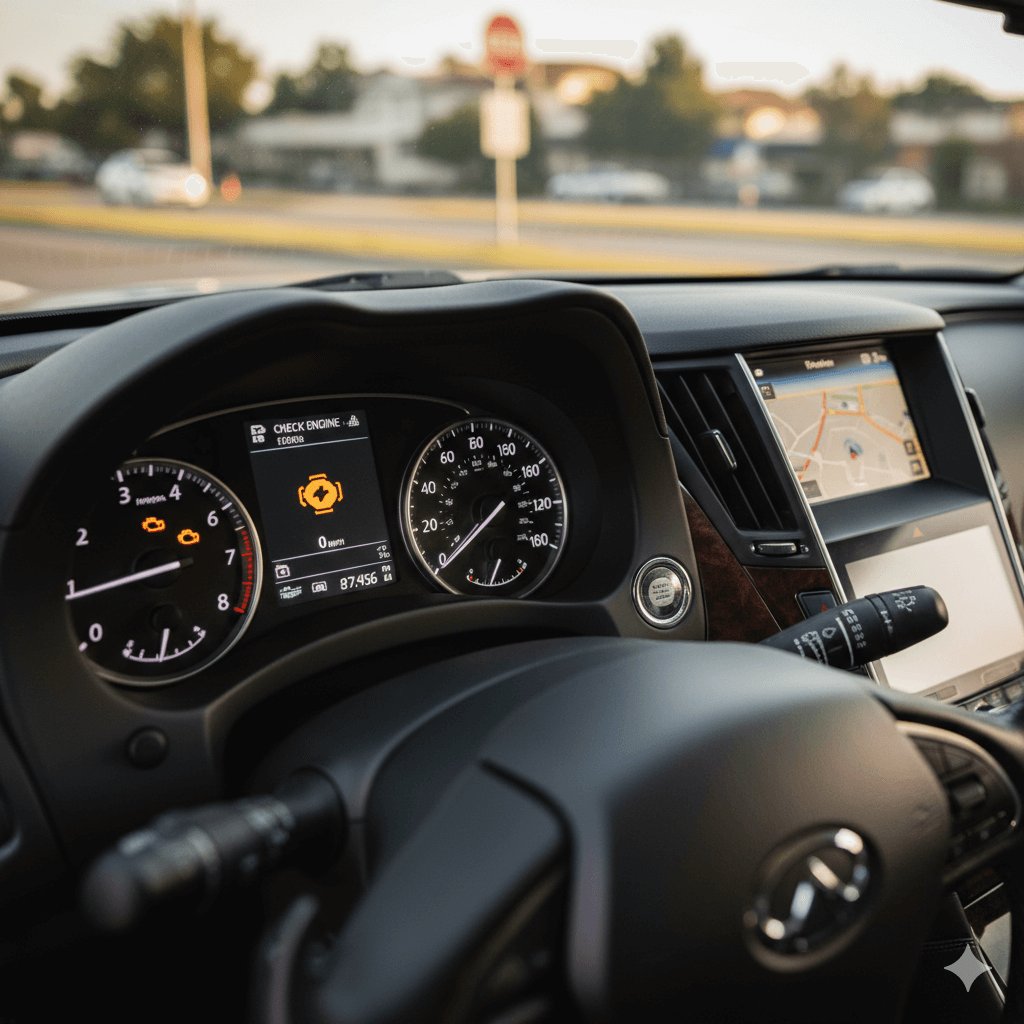
The check engine light is part of your car’s onboard diagnostics (OBD) system. When it turns on, it means the computer has found a fault that affects emissions, performance, or safety. If you notice hesitation and the check engine light together, the engine control unit (ECU) has likely detected a problem affecting how the engine runs.
Here are some key points about the check engine light:
- Flashing light: Indicates a severe problem, like a misfire that can damage the catalytic converter.
- Steady light: Still important, but usually less urgent. The car may be drivable, but performance and fuel efficiency can drop.
Ignoring the check engine light, especially when you feel hesitation, is risky. The problem may get worse and could leave you stranded.
Credit: www.pacificautomotive.net
Common Causes Of Car Hesitation And Check Engine Light
Many different issues can cause hesitation and trigger the check engine light. Let’s explore the most frequent reasons, how they affect your car, and how to recognize them.
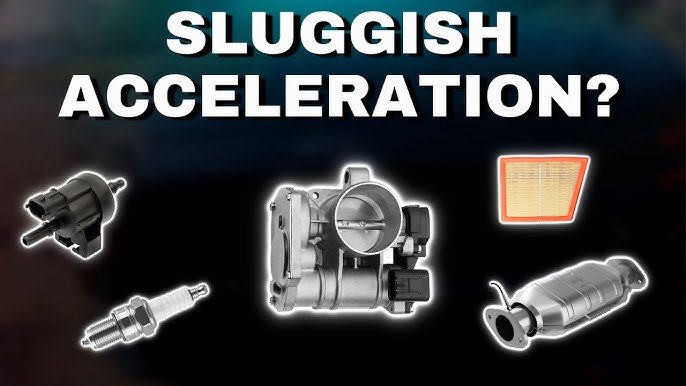
1. Faulty Spark Plugs Or Ignition Coils
Spark plugs ignite the fuel-air mixture in the engine. If they are worn, dirty, or damaged, the combustion process is weak. Hesitation, rough idle, and poor acceleration are common symptoms. Ignition coils provide the high voltage needed by the spark plugs. A failing coil will cause similar issues.
- Signs: Jerky acceleration, engine misfire, reduced power.
- Solution: Replace spark plugs and coils as recommended by your manufacturer.
2. Clogged Fuel Injectors
Fuel injectors spray fuel into the engine. Over time, they can get clogged by dirt, varnish, or carbon. When this happens, the engine gets too little fuel, leading to hesitation.
- Signs: Poor acceleration, rough idle, increased fuel consumption.
- Solution: Professional cleaning or replacement of injectors.
3. Bad Mass Air Flow (maf) Sensor
The MAF sensor measures the amount of air entering the engine. If it fails, the engine gets the wrong fuel-air mix, causing hesitation and triggering the check engine light.
- Signs: Hesitation on acceleration, hard starts, stalling.
- Solution: Clean or replace the MAF sensor.
4. Failing Oxygen (o2) Sensors
Oxygen sensors monitor the exhaust gases to help adjust the fuel mixture. A bad sensor can make the engine run too rich or too lean, leading to hesitation and poor performance.
- Signs: Hesitation, check engine light, decreased fuel economy.
- Solution: Replace the faulty sensor.
5. Dirty Or Faulty Throttle Body
The throttle body controls air flow into the engine. If it’s dirty or sticking, air flow is disrupted, causing hesitation.
- Signs: Unresponsive accelerator, rough idle, stalling.
- Solution: Clean or repair the throttle body.
6. Vacuum Leaks
Small hoses under the hood carry air and vapors. If they leak, the engine gets extra air, disrupting the fuel mixture.
- Signs: Whistling sound, rough idle, hesitation.
- Solution: Find and replace damaged hoses.
7. Fuel Pump Problems
The fuel pump delivers gasoline from the tank to the engine. If it’s weak or failing, the engine doesn’t get enough fuel, especially under load.
- Signs: Hesitation on hills, sputtering at high speeds, hard starts.
- Solution: Test and replace the fuel pump if needed.
8. Bad Egr Valve
The Exhaust Gas Recirculation (EGR) valve helps reduce emissions. If it sticks open or closed, engine performance suffers.
- Signs: Hesitation, rough idle, check engine light.
- Solution: Clean or replace the EGR valve.
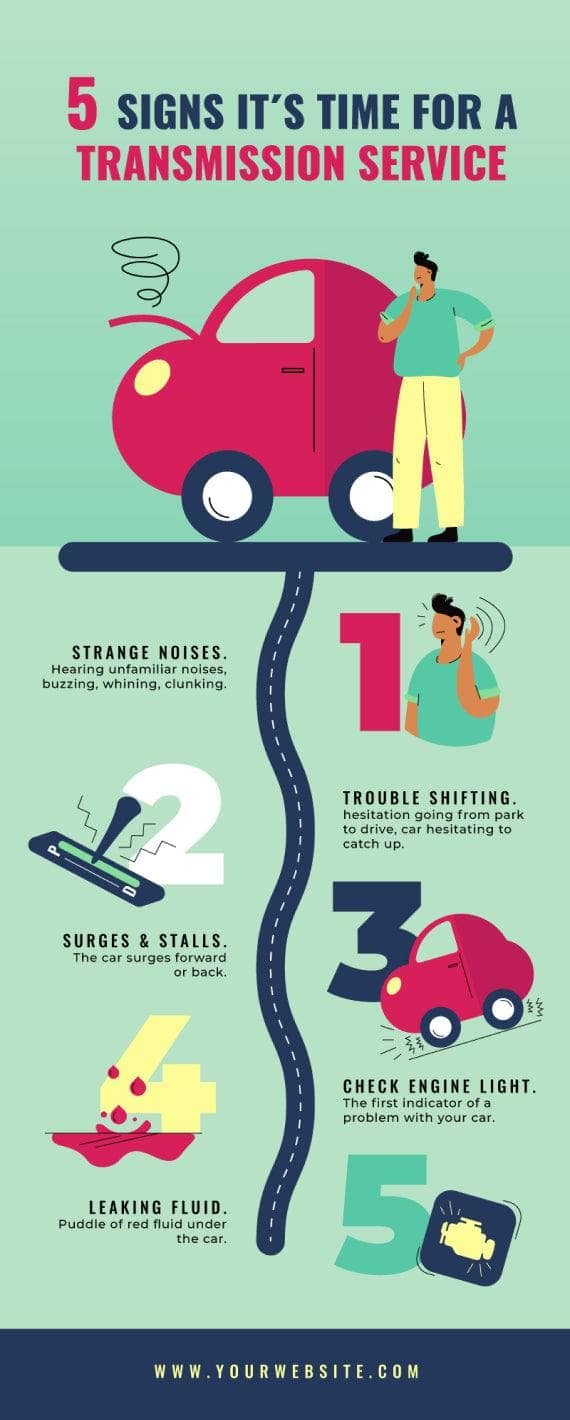
9. Transmission Problems
Sometimes, what feels like engine hesitation is actually a transmission issue. Faulty sensors or worn parts can cause delayed shifting, making the car feel sluggish.
- Signs: Jerking during gear changes, delayed response, slipping gears.
- Solution: Check transmission fluid level and condition; get a professional diagnosis.
10. Low-quality Or Contaminated Fuel
Bad fuel can cause hesitation and trigger the check engine light. Water or dirt in the fuel disrupts engine performance.
- Signs: Sudden hesitation after refueling, rough idle.
- Solution: Use high-quality fuel. If the problem started after refueling, consider draining the tank.
11. Failing Sensors (crankshaft Or Camshaft Position)
These sensors tell the computer the position of engine parts. If they fail, the engine may hesitate or even stall.
- Signs: Hard starting, hesitation, stalling, check engine light.
- Solution: Replace the faulty sensor.
12. Clogged Air Filter
A dirty air filter restricts airflow, making the engine work harder.
- Signs: Hesitation, poor acceleration, increased fuel consumption.
- Solution: Replace the air filter regularly.
13. Engine Control Unit (ecu) Problems
Rarely, the ECU itself may have a fault. Corrupted software or damaged circuits can cause hesitation and warning lights.
- Signs: Unusual engine behavior, multiple warning lights.
- Solution: Professional diagnosis and possible reprogramming or replacement.
Comparing Common Causes Of Hesitation
It’s helpful to see how these causes compare in terms of cost, difficulty to fix, and urgency.
| Cause | Urgency | DIY Difficulty | Average Cost (USD) |
|---|---|---|---|
| Spark Plugs/Coils | High | Medium | $50-$300 |
| Fuel Injectors | Medium | High | $150-$600 |
| MAF Sensor | High | Medium | $80-$300 |
| O2 Sensors | High | Medium | $100-$400 |
| Vacuum Leaks | Medium | Medium | $30-$150 |
| Fuel Pump | High | High | $400-$900 |
Credit: infografolio.com
How To Diagnose The Problem
When you see the check engine light and feel hesitation, follow these steps to find the cause:
- Read the trouble codes: Use an OBD-II scanner to check for error codes. Many auto parts stores will do this for free.
- Look for obvious issues: Open the hood and check for loose wires, cracked hoses, or disconnected parts.
- Listen and observe: Pay attention to when the hesitation happens. Is it at idle, during acceleration, or at high speed?
- Research the code: Each OBD-II code points to a specific system or part. Some codes are more urgent than others.
- Test likely parts: Based on the code and symptoms, test or inspect the most common causes (spark plugs, sensors, etc. ).
Here’s a sample of common OBD-II codes related to hesitation:
| Code | System | Possible Cause |
|---|---|---|
| P0300 | Ignition | Random Misfire |
| P0171 | Fuel/Air | System Too Lean |
| P0101 | MAF Sensor | Range/Performance Problem |
| P0401 | EGR Valve | Insufficient Flow |
| P0420 | Catalytic Converter | Efficiency Below Threshold |
What To Do If You Experience Hesitation And The Check Engine Light
Experiencing hesitation with the check engine light can be stressful. Here’s how to handle it smartly:
- Don’t panic, but don’t ignore it. If the light is flashing, stop driving and get your car checked immediately.
- Drive carefully. Avoid heavy acceleration or high speeds.
- Use an OBD-II scanner. Find the trouble code. This gives you a starting point.
- Address the basics first. Check spark plugs, air filter, and fuel quality.
- Seek professional help if you’re unsure. Car computers are complex, and guessing can waste money.
- Fix the problem quickly. Delaying repairs can make things worse and more costly.
Two Insights Many Beginners Miss
- Minor hesitation can signal a big problem. Many people think small stumbles or brief hesitations are harmless. In reality, they can be early signs of serious issues like a failing fuel pump or sensor. Early action often prevents expensive breakdowns.
- A single problem can trigger multiple codes. When you scan for trouble codes, you might see several at once. This does not always mean you have many separate problems. For example, one bad sensor can confuse the computer and make other parts look faulty. Always fix the root cause, not just the symptoms.
Preventing Future Hesitation And Check Engine Lights
While not all car problems can be avoided, you can greatly reduce the risk by following some simple steps:
- Regular maintenance: Replace spark plugs, filters, and fluids on schedule.
- Use quality fuel and oil: Cheap fuel may contain contaminants.
- Inspect hoses and wires: Look for damage or wear every few months.
- Respond to warning lights early: Don’t wait for symptoms to get worse.
- Drive gently: Hard acceleration and high speeds put extra stress on engine parts.
Credit: www.youtube.com
When To Visit A Mechanic
Some hesitation problems can be fixed at home, but many need special tools or experience. Visit a mechanic if:
- The check engine light flashes or stays on after fixing basics.
- Hesitation gets worse or the car becomes hard to drive.
- You cannot find or fix the problem with basic checks.
Mechanics have the tools to read codes, test parts, and make sure the repair is done right. They can also check for recalls or technical service bulletins that may apply to your car.
Real-world Example
A 2016 Honda Accord owner noticed hesitation when accelerating and a steady check engine light. Scanning the codes showed P0171 (system too lean). The mechanic found a cracked vacuum hose, which was letting in too much air. Replacing the hose fixed the hesitation and turned off the warning light. This simple fix saved the owner from possible engine damage.
Resources For Further Help
If you want to learn more about specific codes or repairs, websites like Wikipedia’s OBD page offer detailed information on car diagnostics and codes.
Frequently Asked Questions
What Should I Do First If My Car Hesitates And The Check Engine Light Is On?
Start by reading the trouble code with an OBD-II scanner. Check basic items like spark plugs and filters, and look for obvious issues under the hood. If the light is flashing, stop driving and seek help immediately.
Is It Safe To Keep Driving With Hesitation And A Check Engine Light?
If the light is steady and the car drives normally, you can often drive short distances. However, you should fix the problem soon. If the light is flashing, or the hesitation is severe, stop and get your car checked.
How Much Does It Usually Cost To Fix Car Hesitation?
Costs vary. Simple issues like spark plugs or air filters may cost $50–$150. More complex repairs, like fuel pumps or injectors, can range from $300 to $900 or more.
Can Low Fuel Cause Hesitation And The Check Engine Light?
Low fuel can cause hesitation, but it usually does not trigger the check engine light. However, running the tank very low can damage the fuel pump over time.
How Often Should I Scan For Codes If I Feel Hesitation?
Whenever you notice hesitation or see the check engine light, scan for codes right away. Regular checks during oil changes can also catch problems early.
Taking prompt action when you feel hesitation and see the check engine light can keep your car running smoothly and prevent bigger problems. By understanding the causes and knowing what steps to take, you’ll be prepared to handle this common car issue with confidence.