
Regular car maintenance is not just about oil changes and checking tire pressure. Many drivers forget about a crucial part: car hoses. These flexible tubes keep your engine cool, your brakes working, and your car running safely. Ignoring them can lead to breakdowns, expensive repairs, and even accidents. If you want your car to last and drive safely, learning about car hose inspection and replacement is essential.
This guide explains everything you need to know. You’ll learn how to check hoses, when to replace them, what tools to use, and common mistakes to avoid. Even if you’re not a mechanic, these steps are simple to follow and can save you money and trouble.
Let’s make sure your car’s hoses never let you down.
Why Car Hoses Matter
Car hoses are simple but vital. They move fluids like coolant, fuel, and air between different parts of your car. If a hose fails, the results can be serious—engine overheating, brake failure, or sudden breakdowns. For example, a leaking radiator hose can cause your engine to overheat in minutes, leaving you stranded. A cracked fuel hose can even cause fires.
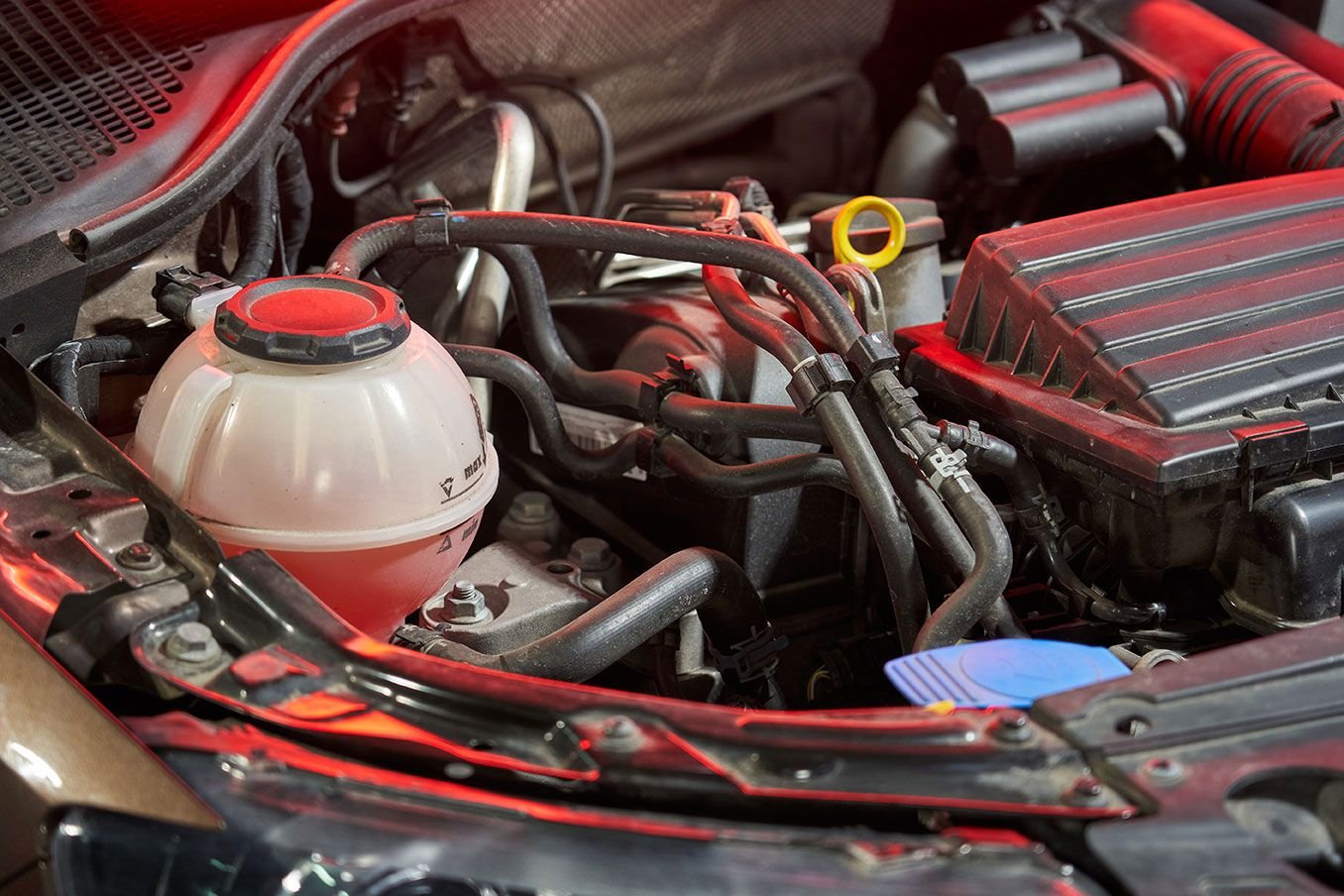
Most modern cars have at least five main hoses:
- Radiator hoses (upper and lower)
- Heater hoses
- Fuel hose
- Vacuum hoses
- Power steering hose (in cars with hydraulic steering)
Each one has a different job, but all are important. Over time, heat, pressure, and age break them down. That’s why inspecting and replacing hoses before they fail is smart car care.
Common Types Of Car Hoses
Understanding the main hoses in your car helps you inspect and replace them correctly. Here’s a quick look at the most important types:
| Hose Type | Main Function | Failure Risk |
|---|---|---|
| Radiator Hose | Moves coolant between radiator and engine | Overheating, engine damage |
| Heater Hose | Carries hot coolant to heater core | No cabin heat, coolant leaks |
| Fuel Hose | Delivers fuel to engine | Leaks, fire risk |
| Vacuum Hose | Controls air flow in engine systems | Poor performance, check engine light |
| Power Steering Hose | Transfers fluid in steering system | Hard steering, leaks |
Non-obvious insight: Not all hoses are visible from above the engine. Some may be hidden under covers or behind other parts. Always check your car’s manual for hose locations.
Signs Of A Bad Hose
Hoses don’t last forever. Heat, chemicals, and vibration wear them out. Knowing the warning signs can prevent breakdowns.
- Cracks or Splits: Look for visible cracks, especially near the ends or bends.
- Bulges or Bubbles: Swollen spots show internal failure.
- Leaks or Wetness: Any fluid around a hose means trouble.
- Soft or Spongy Feel: Hoses should be firm, not soft or sticky.
- Hard and Brittle: Old hoses become stiff and crack easily.
- Coolant Smell: A sweet smell from the engine area can mean a coolant leak.
- Low Fluid Levels: Dropping coolant or power steering fluid can point to hose leaks.
Not all problems are obvious. Sometimes, a hose looks fine but leaks under pressure or heat. That’s why regular checks are important, not just waiting for big signs.
How To Inspect Car Hoses
Inspecting hoses is simple and takes only a few minutes. Here’s how to do it safely and effectively:
1. Wait For A Cool Engine
Never open the hood right after driving. Hot hoses and fluids can burn you. Wait until the engine is cool.
2. Find All Main Hoses
Use your car’s manual to locate radiator, heater, fuel, vacuum, and power steering hoses.
3. Look For Visual Damage
Check for cracks, bulges, or leaks. Gently squeeze hoses—they should feel firm, not soft or brittle.
4. Check Hose Clamps
Make sure clamps are tight and not rusted. Loose clamps can cause leaks even if the hose is healthy.
5. Look Underneath
Some leaks only show as drips under the car. Check for puddles or stains under the engine.
6. Listen And Smell
Hissing sounds or strange smells can point to leaks.
7. Check Fluid Levels
If coolant or other fluids are low, a hose may be the cause.
| Inspection Step | What to Look For | Common Issues |
|---|---|---|
| Visual Check | Cracks, bulges, leaks | Aging, pressure damage |
| Touch Test | Firmness, flexibility | Softness, brittleness |
| Clamp Check | Rust, tightness | Loose clamps, leaks |
Tip: Use a flashlight and mirror to check hard-to-see spots. Even small cracks can become big problems.
When To Replace Car Hoses
Many drivers wait until a hose fails, but that’s risky. Most experts recommend replacing hoses every 4 to 5 years or every 60,000 to 100,000 kilometers (about 40,000 to 62,000 miles), whichever comes first. In hot climates, hoses wear out faster.
Replace hoses right away if you notice:
- Cracks, bulges, or leaks
- Sudden loss of coolant or power steering fluid
- Overheating engine without other cause
Even if hoses look fine, age and heat can cause inside damage you can’t see. If you’re replacing a major part like the radiator, it’s smart to install new hoses at the same time.
Non-obvious insight: Some hoses, like turbocharger hoses or emission system hoses, may not show classic failure signs but can still cause performance problems. Trust your mechanic’s advice if they recommend replacement.
Tools And Parts Needed
Replacing hoses doesn’t require special tools, but having the right gear makes the job easier.
You’ll need:
- New hose(s) (correct type and size for your car)
- New clamps (if old ones are rusty or loose)
- Screwdriver or socket wrench (to loosen clamps)
- Pliers (for stubborn hoses)
- Catch pan (to collect fluid)
- Gloves and safety glasses
- Coolant or fluid (to refill lost liquid)
- Rags or towels
Check your car’s manual or parts store to get the exact hose for your make and model. Using the wrong hose can cause leaks or failure.
Credit: www.big10tiresms.com
Step-by-step: How To Replace A Car Hose
Replacing a hose is not hard if you follow these steps carefully. Here’s how to do it safely:
1. Let The Car Cool Down
Working on a hot engine can cause burns. Wait until everything is cool.
2. Drain The Fluid (if Needed)
For radiator or heater hoses, open the radiator drain or remove the lower hose to let coolant out. Use a catch pan to avoid spills.
3. Loosen Clamps
Use a screwdriver or socket wrench to loosen the clamps at both ends of the hose.
4. Remove The Old Hose
Twist and gently pull the hose off. If it’s stuck, use pliers, but don’t damage metal parts.
5. Clean The Fittings
Wipe away any old residue or rust from the metal fittings. This helps the new hose seal properly.
6. Install The New Hose
Slide the new hose into place. Make sure it’s seated fully on both ends.
7. Tighten The Clamps
Position the clamps near the ends of the hose and tighten them securely. Don’t overtighten—this can cut into the hose.
8. Refill Lost Fluid
Add coolant, fuel, or other fluid to the correct level.
9. Check For Leaks
Start the engine and watch for leaks. Recheck clamp tightness after a short drive.
10. Dispose Of Old Fluids Properly
Don’t pour used coolant or fuel down the drain. Take them to a recycling center.
| Step | Key Action | Time Estimate |
|---|---|---|
| 1 | Let car cool | 30–60 min |
| 2–5 | Remove old hose | 10–20 min |
| 6–9 | Install new hose & check | 15–30 min |
Total time: Usually 1–2 hours, depending on the hose and your experience.
Tips For A Safe And Lasting Repair
- Always replace both upper and lower radiator hoses together if one is bad; the other will likely fail soon.
- Use new clamps for a better seal. Old clamps can break or leak.
- Buy high-quality hoses. Cheap hoses wear out faster and may not fit perfectly.
- Check after a few days. Sometimes, leaks start after the car heats up and cools down a few times.
- Don’t mix old and new fluids. If your coolant is dirty, flush the system before adding new fluid.
- Label vacuum hoses if you remove more than one at a time. This prevents mix-ups.
- Ask for help if a hose is hard to reach. Some hoses are under the car or behind the engine.
Non-obvious insight: Some hoses, like transmission cooler lines, carry high-pressure fluid. These are best left to a professional unless you have experience.
Credit: www.macstire.com
What Happens If You Ignore Bad Hoses?
Neglecting hoses can cause:
- Engine overheating
- Loss of power steering
- Brake failure (on cars with hydraulic brake hoses)
- Engine fires (from leaking fuel hoses)
- Stranded on the road
These failures can cost hundreds or thousands of dollars. Regular inspection and replacement is much cheaper and safer. According to the Car Care Council, cooling system failures are one of the leading causes of vehicle breakdowns, mostly due to bad hoses and belts.
Cost Of Hose Replacement
Prices depend on the hose type and car model. Here’s a general idea:
- Radiator hose: $15–$45 for the part, $50–$120 labor
- Heater hose: $15–$40 for the part, $60–$110 labor
- Fuel hose: $20–$70 for the part, $80–$150 labor
DIY replacement can save you the labor cost, but only if you’re comfortable working on your car.
Credit: gandgautorepair.com
Professional Vs Diy Replacement
Should you do it yourself or go to a shop? Here’s a quick comparison:
| Factor | DIY | Professional |
|---|---|---|
| Cost | Lower (parts only) | Higher (parts + labor) |
| Skill Needed | Basic tools and care | Expertise, special tools |
| Time | 1–2 hours | 1 hour or less |
| Warranty | Usually none | Often included |
| Risk of Mistakes | Higher for beginners | Low |
If you’re unsure, ask a trusted mechanic for advice. Safety comes first.
For more on car maintenance standards, see Wikipedia’s automobile page.
Frequently Asked Questions
How Often Should I Inspect My Car Hoses?
Check all hoses every time you do an oil change, or at least every 6 months. More frequent checks are needed if you drive in extreme heat or see leaks.
Can I Use Universal Hoses For My Car?
Universal hoses sometimes fit, but always check size and shape. It’s safest to use hoses made for your car’s model.
Is It Dangerous To Drive With A Leaking Hose?
Yes. Even a small leak can lead to overheating, loss of power steering, or fire. Replace damaged hoses as soon as possible.
Do All Hoses Fail At The Same Time?
No. Hoses wear out at different rates based on heat, pressure, and use. Replace any hose that shows wear—don’t wait for all to fail.
What Should I Do With Old Hoses And Fluids?
Take them to a recycling center or auto shop that handles automotive waste. Don’t throw them in the trash or pour fluids down the drain.
Keeping your car’s hoses in good shape is one of the simplest ways to avoid expensive repairs and stay safe on the road. A few minutes of inspection and a little preventive maintenance can make a big difference.
