
Car Maintenance Diy Vs Professional: Which Is Right For You?
Caring for your car is a regular part of being a driver. But when it comes to car maintenance, many people wonder: Should you do it yourself, or trust a professional? Both options have strong points, but also clear limits. Making the right choice can save you money, time, and keep your vehicle running safely for years. Let’s look at what really matters when choosing between DIY car maintenance and going to an expert.
What Is Car Maintenance?
Car maintenance means the regular tasks that keep your car working well. This includes things like oil changes, replacing air filters, checking fluids, rotating tires, and more complex jobs like brake repairs. Doing these tasks on time prevents bigger problems and expensive repairs later.
Many car owners do simple jobs themselves. Others prefer to go to a mechanic for everything. The right choice depends on your skills, time, budget, and how comfortable you feel working with cars.
Diy Car Maintenance: What You Can Do Yourself
Some car maintenance jobs are easy enough for beginners. Here are some common tasks you can do at home:
- Checking and topping up fluids (oil, coolant, brake, windshield washer)
- Changing air filters
- Replacing windshield wiper blades
- Rotating tires
- Replacing bulbs and fuses
- Battery maintenance
- Changing engine oil (with the right tools and space)
- Checking tire pressure and tread
If you own a basic tool set and your car’s manual, you can do these tasks with a little practice.
Advantages Of Diy Car Maintenance
- Cost savings: You pay only for parts and supplies, not labor.
- Learning experience: You understand your car better.
- Convenience: You work on your own schedule.
- Quick fixes: No need to wait for a shop appointment for small things.
Risks And Limits Of Diy
- Skill required: Some mistakes can cause damage or safety issues.
- Tools needed: Not all jobs can be done with basic tools.
- Time consuming: Learning and doing takes time, especially at first.
- Warranty concerns: Doing complex jobs yourself might void your warranty.
Non-obvious Insight 1
Many DIY beginners forget to properly dispose of used fluids like oil or coolant. Pouring them down the drain or on the ground is illegal and bad for the environment. Always take old fluids to a recycling center.
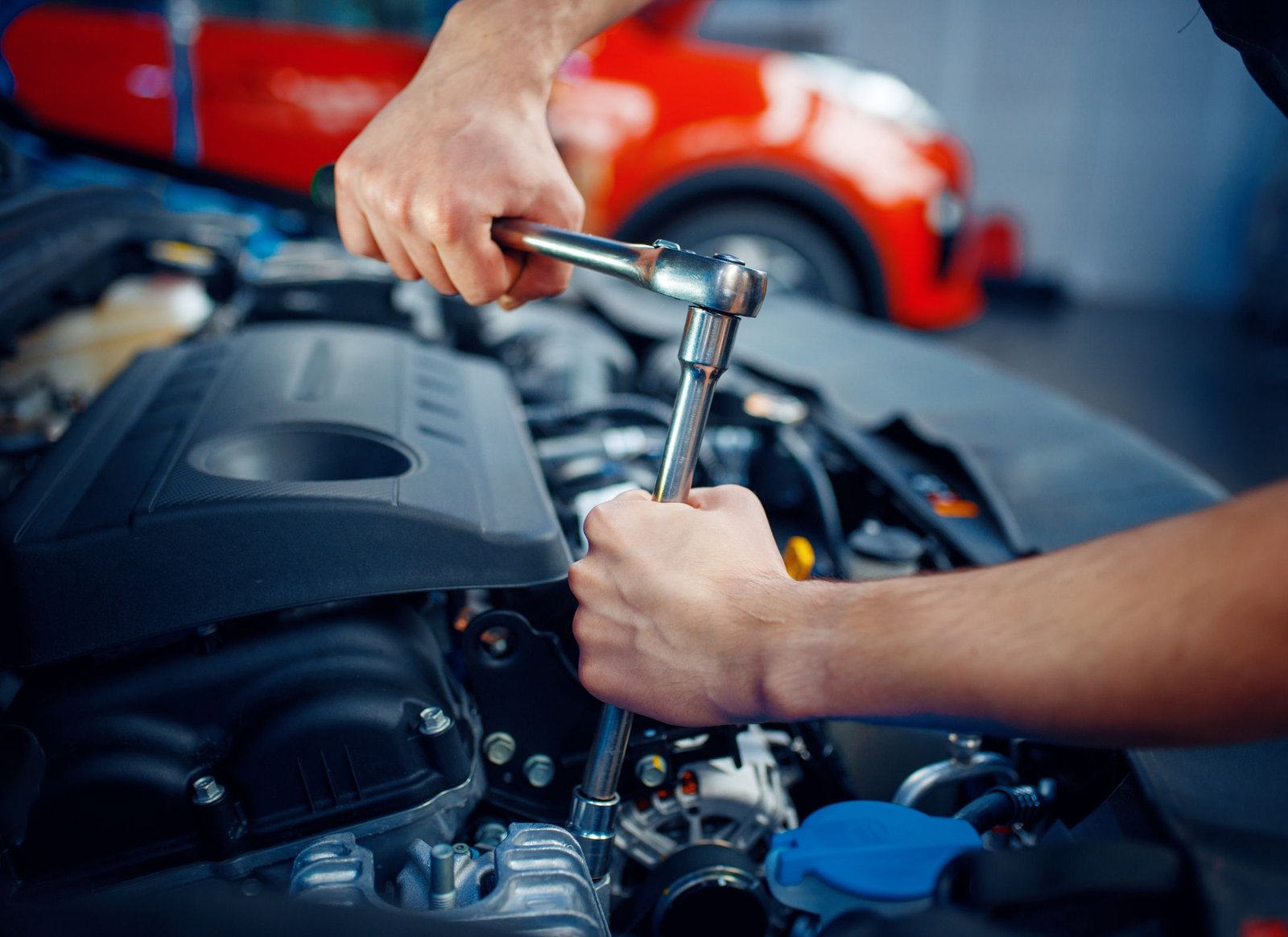
Credit: www.autoleaders.com.au
Professional Car Maintenance: What Experts Offer
Professional mechanics have training, certification, and equipment to handle all types of car repairs. Some jobs are best left to them:
- Brake system repairs
- Transmission service
- Timing belt or chain replacement
- Suspension and steering work
- Electrical problems
- Diagnostic and engine issues
Modern cars are complex. Computerized systems, sensors, and tight engine spaces can make repairs difficult for someone without experience.
Benefits Of Professional Service
- Expertise: Mechanics know the latest technology and repair techniques.
- Proper tools: Shops have equipment most people don’t own.
- Warranty protection: Repairs are often guaranteed.
- Time efficiency: Jobs are usually done faster.
Risks And Drawbacks
- Higher cost: You pay for labor and shop fees.
- Possible upselling: Some shops push for extra work you may not need.
- Less control: You rely on their schedule and trust their advice.
Non-obvious Insight 2
Many people don’t realize that some repairs done by unlicensed persons can void your vehicle warranty. Always check your manual or call your dealer before doing major work yourself.
Comparing Diy And Professional Maintenance
To help you decide, here’s a direct comparison of key points:
| Aspect | DIY Maintenance | Professional Maintenance |
|---|---|---|
| Cost | Lower (parts only) | Higher (parts + labor) |
| Time Needed | Flexible, can take longer | Usually faster for complex jobs |
| Skill Level | Basic to intermediate | Expert |
| Tools Required | Basic set, sometimes special tools | All necessary tools and equipment |
| Warranty Impact | Possible risk if done wrong | Usually safe for warranty |
| Safety | Depends on knowledge | High, with trained staff |
When Should You Choose Diy?
DIY is a good choice if:
- The task is simple (like oil changes or bulb replacement)
- You want to save money and have time to learn
- You enjoy working on your car
- You have the right tools and space
Some car owners do basic maintenance themselves and visit a shop for big jobs. This can be a smart way to save money and still stay safe.
Common Diy Mistakes To Avoid
- Skipping the manual: Always read your car’s owner manual before starting.
- Forgetting to tighten parts: Loose bolts or caps can cause leaks or damage.
- Using wrong fluids or parts: Check specifications for oil, coolant, and other items.
- Overfilling fluids: Too much oil or coolant can cause problems.
- Neglecting safety: Use jack stands, gloves, and eye protection.
When Is Professional Maintenance Better?
Professional service is best when:
- The repair is complex or involves safety (brakes, suspension, engine)
- Your car is under warranty and requires certified service
- You don’t have the right tools or a safe workspace
- You need the job done quickly and correctly
- You want a record of service for resale value
How To Choose A Good Mechanic
- Check for certification: Look for ASE-certified mechanics or local equivalents.
- Read reviews: Ask friends or check online ratings.
- Ask questions: Get clear estimates and explanations.
- Compare prices: Don’t accept the first quote for major repairs.
Real-world Example: Oil Change Cost
Let’s compare the cost of an oil change at home vs. a shop.
| Expense | DIY | Professional |
|---|---|---|
| Oil (5 quarts) | $25 | Included |
| Oil filter | $7 | Included |
| Labor | $0 (your time) | $30–$50 |
| Disposal fee | $0–$5 | Included |
| Total | $32–$37 | $60–$80 |
DIY saves money, but takes about an hour if you’re new. A shop does it in 20 minutes, but costs more.
Safety And Warranty: What You Must Know
Safety is the top priority. Never try a repair you are unsure about, especially with brakes, suspension, or anything under the car. A small mistake can cause an accident.
Warranty protection is another key point. New cars often require service from certified shops to keep the warranty valid. Check your manual or ask your dealer before any big DIY job.
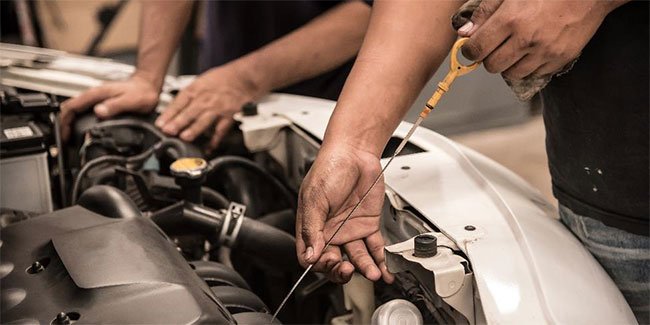
Credit: westernauto.net.au
Essential Tools For Diy Maintenance
If you want to start doing your own maintenance, you’ll need:
- Socket set and wrenches
- Screwdrivers
- Jack and jack stands
- Oil filter wrench
- Funnel and drain pan
- Tire pressure gauge
- Work gloves and rags
Many beginners don’t realize that jack stands are much safer than just using a car jack. Never go under your car with only a jack holding it up.
The Hidden Value Of Service Records
Keeping records of all maintenance—DIY or professional—adds value to your car. If you sell your car, buyers like to see proof you cared for it. Write down dates, mileage, and what was done, and keep receipts for all parts.
Some car owners use smartphone apps to track service history. This helps you remember when it’s time for the next oil change or tire rotation.

Credit: ackodrive.com
Environmental Impact
Proper car maintenance helps the environment. A well-maintained car uses less fuel, produces less pollution, and lasts longer. But it’s important to dispose of old oil, coolant, and parts correctly. Many shops recycle fluids and tires. If you do it yourself, find local recycling centers.
The Role Of Modern Technology
Modern cars are full of computers and sensors. Some repairs need special diagnostic tools. For example, fixing a check engine light or resetting maintenance warnings often needs a code reader.
If your car is less than 10 years old, you may need to buy or borrow an OBD-II scanner for some DIY jobs. Professional shops have advanced tools to find problems quickly.
Costs Over Time: Diy Vs Professional
How much can you really save? Let’s look at five years of basic car maintenance (oil changes, air filter, wipers, bulbs):
| Maintenance Item | DIY Cost (5 years) | Professional Cost (5 years) |
|---|---|---|
| Oil changes (2 per year) | $350 | $700 |
| Air filter (1 per year) | $60 | $150 |
| Wiper blades (1 set per year) | $75 | $150 |
| Bulbs (2 per year) | $30 | $90 |
| Total | $515 | $1,090 |
DIY saves money, but only if you’re comfortable and have the time.
Making Your Decision
In the end, the choice between DIY and professional car maintenance depends on:
- Your skill level and interest
- The age and type of your car
- How much time and money you want to invest
- The importance of warranty and service records
Many owners mix both options. Simple jobs at home, complex repairs at the shop. This gives you the best of both worlds.
If you want to learn more about common car repairs, you can visit Wikipedia’s car maintenance page for extra details.
Taking care of your car is one of the best ways to avoid stress and save money in the long run. Whether you do it yourself or visit a pro, regular maintenance always pays off.
Frequently Asked Questions
Is Diy Car Maintenance Safe For Beginners?
DIY car maintenance is safe for beginners if you start with simple jobs, follow instructions, and use the right tools. Always put safety first, and never try repairs you don’t understand.
Can I Save Money By Doing My Own Car Maintenance?
Yes, you can save a lot on labor costs. However, mistakes can sometimes lead to bigger problems. Start with easy tasks and build your skills over time.
Will Diy Repairs Affect My Car’s Warranty?
DIY repairs can void your warranty if not done correctly or if the manufacturer requires certified service. Always check your warranty terms before doing major repairs yourself.
What Car Maintenance Should Always Be Left To Professionals?
Jobs like brake repairs, suspension work, transmission service, and electrical problems should be left to professionals. These tasks need special tools and knowledge.
How Do I Know If A Mechanic Is Trustworthy?
Look for certifications, ask for recommendations, and read online reviews. A good mechanic explains repairs clearly and gives written estimates before starting work.