
Owning a car brings freedom and convenience, but it also means taking responsibility for its upkeep. Many first-time car owners are surprised at how much regular attention a vehicle needs to stay safe, reliable, and valuable. Skipping key maintenance tasks can lead to breakdowns, expensive repairs, or even accidents.
By understanding your core responsibilities as a car owner, you can avoid common mistakes and enjoy a smoother driving experience for years.
This guide breaks down the essential car owner maintenance responsibilities. Whether you drive a brand-new sedan or an older SUV, these principles apply to nearly every vehicle. Along the way, you’ll find practical examples, tips, and insights that even experienced drivers sometimes overlook.
Routine Checks Every Owner Must Perform
Some car checks are quick and simple, but they make a big difference in keeping your vehicle healthy. Make them a habit, and you’ll prevent problems before they grow.
Engine Oil Level
The engine oil keeps your car’s engine running smoothly by reducing friction and heat. Check the oil level at least once a month, or before long trips. Low oil can cause severe engine damage. To check:
- Park on a flat surface and let the engine cool.
- Pull out the dipstick, wipe it, reinsert, and pull out again.
- The oil should be between the “Min” and “Max” marks.
If it’s low, top up with the correct oil type. Change oil and filter as recommended in your manual—usually every 5,000 to 10,000 km.
Tire Pressure
Correct tire pressure improves fuel efficiency, tire life, and safety. Check all tires, including the spare, at least monthly.
- Use a digital or analog pressure gauge.
- Inflate to the number listed on the driver’s door sticker (not the tire’s sidewall).
Under-inflated tires wear out faster and may blow out at high speeds.
Coolant And Other Fluids
Your car needs several fluids besides oil. Check these at least every two months:
- Coolant: Prevents engine overheating.
- Brake fluid: Essential for safe stopping.
- Power steering fluid: Makes steering easier.
- Transmission fluid: Keeps gears shifting smoothly (for automatics).
Look for low levels, leaks, or dirty fluid. Top up as needed, but use only the type listed in your manual.
Lights And Signals
Regularly test all lights: headlights, brake lights, turn signals, reverse lights, and fog lights. Burned-out bulbs reduce your visibility and could result in a ticket. Replacing bulbs is often simple and inexpensive.
Windshield Wipers And Washer Fluid
Wipers clear rain and dirt for safe vision. Replace them every 6–12 months or if they leave streaks. Keep the washer fluid tank full, especially in winter or dusty conditions.
Scheduled Maintenance Tasks
Some car parts wear out over time and need replacing. Follow your car’s maintenance schedule, usually found in the owner’s manual.
Oil And Filter Changes
Changing the engine oil and filter on time is the single most important routine service. Old oil turns dirty and loses its ability to protect the engine. Most cars need this every 5,000–10,000 km, depending on driving style and oil type.
Tire Rotation And Alignment
Front and rear tires wear differently. Rotating tires every 10,000 km ensures even wear and longer life. Misaligned wheels can cause tires to wear unevenly and affect steering. Have alignment checked annually or if the car pulls to one side.
Brake Pads And Rotors
Brakes keep you safe. Brake pads wear out with use and must be checked at least once a year. Listen for squeaking, grinding, or a soft brake pedal—these are warning signs. Rotors (the discs pads press against) also wear out and may need resurfacing or replacing.
Battery Maintenance
Car batteries last 3–5 years on average. Signs of a weak battery include slow starting, dim lights, or warning lights on the dashboard. Check for corrosion on the terminals and keep them clean.
Air And Cabin Filters
- Engine air filter: Keeps dust out of the engine. Replace every 15,000–30,000 km.
- Cabin air filter: Cleans air inside the car. Replace every 15,000–25,000 km, or if the air smells musty.
Timing Belt Or Chain
Some cars use a timing belt to keep engine parts moving in sync. If it breaks, the engine can be ruined. Replace at the mileage specified in your manual—often between 60,000 and 100,000 km.
Spark Plugs
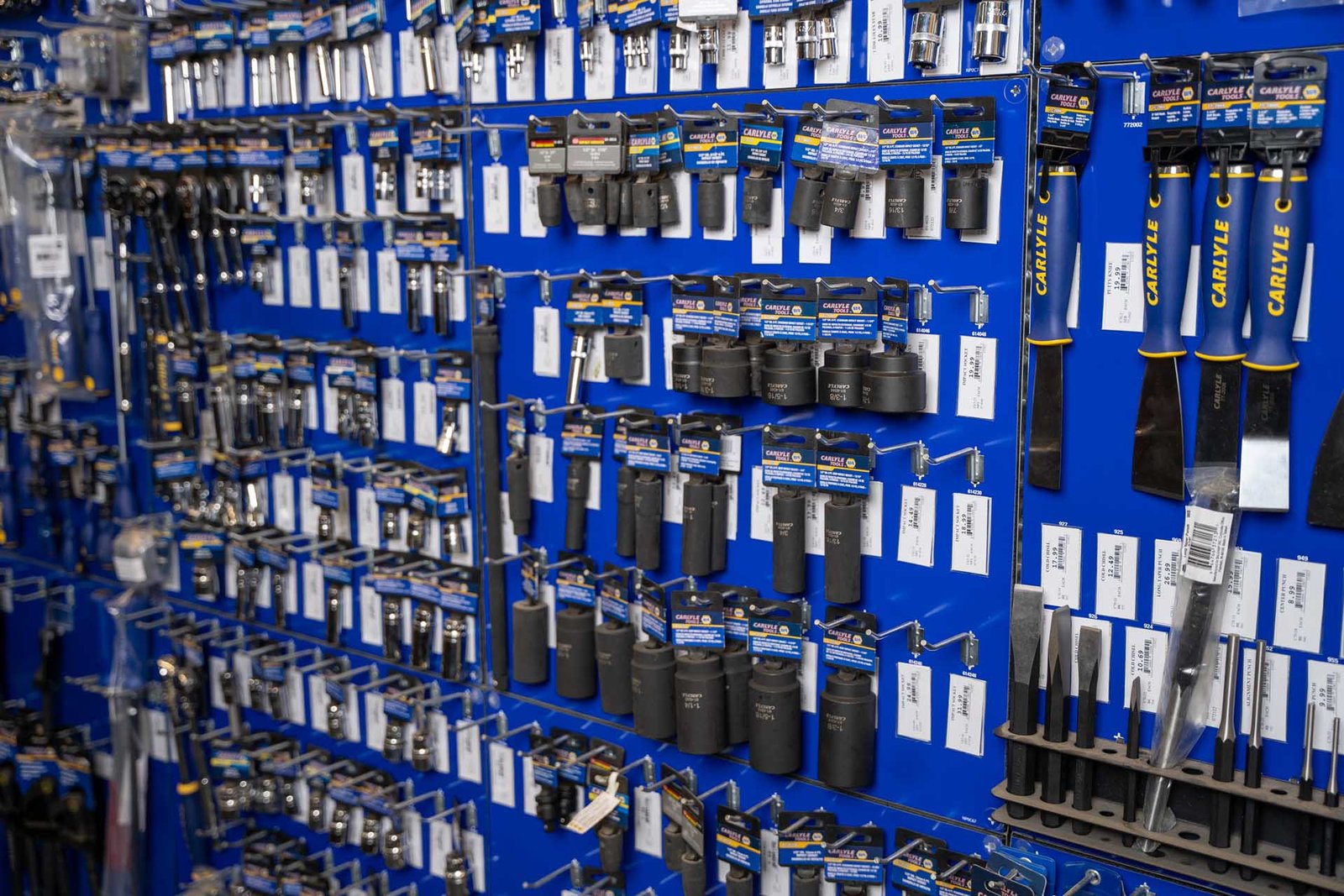
Spark plugs ignite the fuel. Old plugs can cause rough running, poor fuel economy, or difficulty starting. Most last 30,000–100,000 km, depending on type.
Credit: wittnapa.com
Cleaning And Appearance
A clean car isn’t just about looks—it also prevents rust and preserves value.
Exterior Washing
Wash your car every 2–4 weeks, especially after driving on salted roads in winter. Dirt, road salt, and bird droppings can damage paint and cause rust.
Waxing And Paint Protection
Waxing every 3–6 months protects the paint from UV rays and pollution. Newer cars may have paint protection coatings, but waxing still helps.
Interior Cleaning
Vacuum the carpets and seats regularly. Clean up spills quickly to prevent stains and odors. Use cleaners made for your car’s materials (leather, fabric, plastic).
Window And Mirror Cleaning
Clean glass inside and out for the best visibility. Use a proper glass cleaner and avoid ammonia-based products on tinted windows.
Keeping Records And Documentation
Maintaining complete service records is often overlooked but very important.
- Record all services, repairs, and inspections.
- Keep receipts, even for small items.
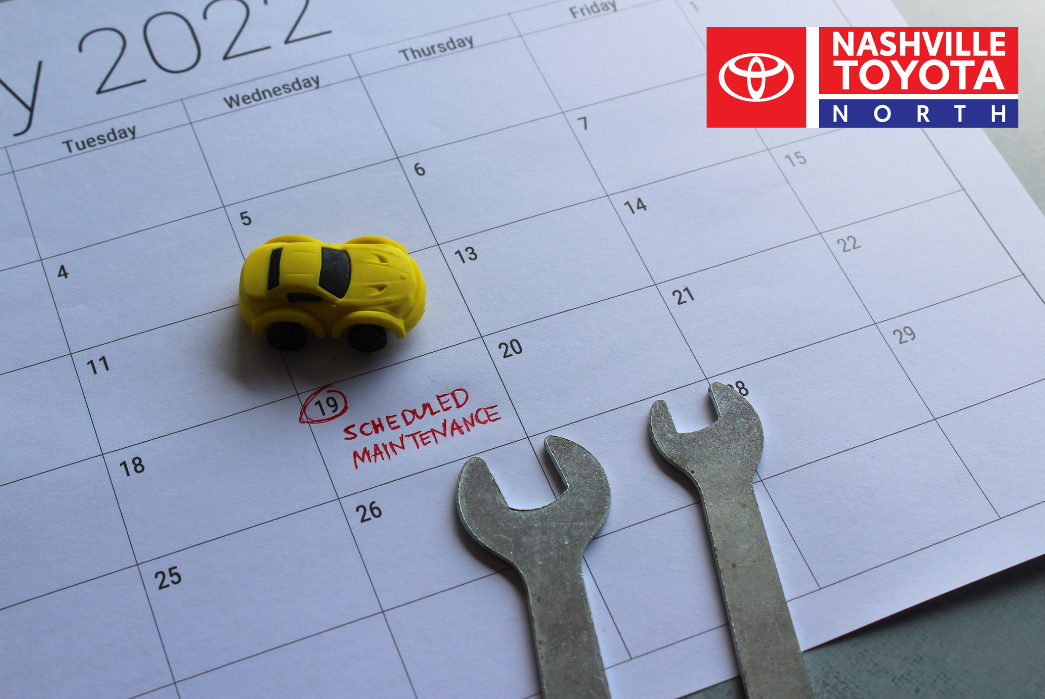
- Update records each time you change oil, tires, or get repairs.
These records help you track maintenance, remind you of upcoming services, and can boost your car’s resale value. Buyers trust cars with complete histories.
Credit: www.nashvilletoyotanorth.com
Legal And Safety Responsibilities
Car owners have legal duties that go beyond repairs and cleaning.
Insurance
You must have at least basic car insurance as required by your state or country. Review your policy yearly and update coverage as your situation changes.
Registration And Inspection
Keep your registration current. Some places require regular safety or emissions inspections—don’t miss them, as expired tags or failed tests can lead to fines.
Recall Notices
Manufacturers issue recalls for safety defects. Always respond to recall letters and schedule repairs with a dealer—these are free and protect you.
Emergency Preparedness
Carry an emergency kit with items like:
- Jumper cables
- First-aid kit
- Flashlight
- Basic tools
- Spare tire and jack
These help you handle breakdowns or accidents.
Common Mistakes Car Owners Make
Even experienced drivers can overlook these points:
- Ignoring warning lights: Dashboard lights signal urgent problems. Don’t delay checking them.
- Using the wrong fluids: Never mix types—using the wrong oil or coolant can damage the engine.
- Overlooking tire spare: Many only check the four main tires and forget the spare until they need it.
- Neglecting to check after repairs: Always test the car after service to catch any issues early.
- Skipping the manual: Each car is different. The owner’s manual has specific advice for your model.
How Maintenance Costs Compare
Understanding the cost of maintenance helps you plan your budget. Here’s a comparison of annual costs for different car types:
| Car Type | Average Annual Maintenance Cost (USD) | Common Expenses |
|---|---|---|
| Compact | $350–$500 | Oil, tires, brakes |
| SUV | $500–$700 | Tires, fluids, battery |
| Luxury | $800–$1,200 | Special parts, labor |
New cars often have lower costs for the first few years, but all vehicles need regular care.
How Long Do Car Parts Last?
Different parts need replacing at different intervals. Here’s a quick guide:
| Component | Typical Lifespan | Warning Signs |
|---|---|---|
| Brake pads | 30,000–70,000 km | Squeaking, slow stopping |
| Battery | 3–5 years | Slow engine crank |
| Tires | 40,000–80,000 km | Worn tread, cracks |
| Spark plugs | 30,000–100,000 km | Engine misfire, poor mileage |
Always check your manual for exact numbers for your vehicle.
Tips For Reducing Maintenance Stress
Regular car care doesn’t have to feel overwhelming. Try these strategies:
- Set reminders on your phone for oil changes or tire rotations.
- Find a mechanic you trust and stick with them.
- Learn basic tasks like checking fluids or changing wiper blades.
- Budget a small amount each month for future repairs—unexpected costs are easier to handle this way.
- Don’t ignore small problems; they usually get worse (and more expensive) over time.
If you’re unsure, ask questions. Mechanics appreciate informed customers, and small mistakes are cheaper to fix early.
Frequently Asked Questions
What Is The Most Important Car Maintenance Task?
The most critical is changing the engine oil and filter on schedule. Fresh oil prevents engine damage, which is expensive to repair. Check your manual for the right interval, as it varies by model and driving conditions.
How Often Should I Check My Tire Pressure?
Check tire pressure at least once a month and before long trips. Properly inflated tires are safer, last longer, and save fuel.
What Should I Do If A Warning Light Comes On?
Don’t ignore dashboard warning lights. Check your manual to identify the light. If it’s red or flashing, stop driving and get help—these often signal urgent problems.
How Can I Keep Track Of Car Maintenance?
Use a maintenance log or smartphone app to record services. Keep all receipts and mark your calendar for upcoming work. This helps avoid missed tasks and adds value when selling.
Is It Safe To Skip Scheduled Maintenance If The Car Seems Fine?
No—scheduled maintenance prevents hidden problems. Parts wear out even if the car runs smoothly. Skipping tasks can lead to breakdowns and void your warranty.
Owning a car is a long-term commitment. With good maintenance habits, you protect your safety, save money, and get the most enjoyment from your vehicle. Start with the basics, learn from experience, and don’t hesitate to consult resources like your mechanic or official sites such as NHTSA for recall info and safety advice. Responsible car ownership isn’t just about driving—it’s about keeping your vehicle reliable, safe, and ready for the road ahead.
Credit: northwestautohouston.com