
Working on a car can give you a sense of freedom and control. You can save money, solve problems on your own, and even enjoy the process. But car repair is not just about tools and skills—safety must always come first. Many people make mistakes that cause injuries, fires, or costly damage. If you want to fix your car with confidence, you need to know how to stay safe every time you touch your vehicle.
This guide explains the most important car repair safety tips. Whether you’re a beginner or have some experience, these tips can protect your health, your family, and your car. You’ll learn what equipment you need, how to use it, and what to avoid. Most importantly, you’ll discover insights that many DIY mechanics overlook.
Why Car Repair Safety Matters
Every year, thousands of people are hurt while working on cars. According to the U.S. Bureau of Labor Statistics, around 15,000 injuries from car repair happen annually in the U.S. alone. These accidents range from simple cuts to serious burns or broken bones. Most could have been prevented with careful planning and the right habits.
Car parts can be heavy, sharp, or hot. Fluids like oil, coolant, and gasoline are toxic and flammable. Electrical systems store enough power to shock or even kill. That’s why taking safety seriously is not optional—it’s essential.
Preparing Your Workspace
Before you touch a wrench, set up your workspace properly. A safe workspace can prevent most accidents before they happen.
- Choose a well-ventilated area. Car exhaust and fumes from chemicals can be harmful. Always work in a place with good airflow—open your garage door or use fans if needed.
- Keep your area clean and organized. Remove clutter, tools, or objects you don’t need. Spills or stray parts can cause you to trip or slip.
- Have good lighting. Shadows can hide dangers. Use bright overhead lights and portable lamps to see every detail.
- Check for fire hazards. Keep flammable materials far from your work area. Store gasoline, oil, and solvents in proper containers, away from any source of heat or spark.
Essential Safety Gear
Never start a repair without the right protective equipment. Even small jobs can turn dangerous without these basics:
- Safety glasses: Protect your eyes from flying debris, dust, and chemicals.
- Mechanic gloves: Prevent cuts, burns, and chemical exposure.
- Closed-toe shoes: Steel-toe boots are best for heavy work.
- Long sleeves and pants: Guard your skin from burns and scrapes.
- Hearing protection: Use earplugs or earmuffs if using loud tools.
Some mechanics skip these items because they feel uncomfortable or slow them down. But a minor inconvenience is better than a trip to the hospital.
Lifting And Supporting The Vehicle
One of the most dangerous steps in car repair is lifting the vehicle. Many injuries happen when a car falls off a jack or ramp. Follow these steps every time:
- Use a quality jack. Never use a damaged or cheap jack. Make sure it’s rated for your car’s weight.
- Place jack stands under the frame. Never rely on the jack alone. Always use sturdy jack stands to support the car.
- Work on a level surface. Sloped or uneven ground can cause jacks and stands to slip.
- Chock the wheels. Put wheel chocks behind the tires that stay on the ground, so the car won’t roll.
Here’s a quick comparison of lifting equipment:
| Equipment | Best Use | Common Risks |
|---|---|---|
| Hydraulic Floor Jack | Lifting cars for wheel or brake work | Jack failure, slippage |
| Jack Stands | Supporting car after lifting | Improper placement, tipping |
| Car Ramps | Oil changes, underbody inspections | Rolling off ramps |
Pro tip: Always give the car a gentle shake after it’s on stands. If it moves, reset everything. Never crawl under a car supported only by a jack.
Credit: www.fmins.com
Handling Fluids Safely
Cars use many fluids—oil, coolant, brake fluid, power steering fluid, and more. Each one is hazardous if handled carelessly.
- Avoid skin contact. Wear gloves, and wash hands after touching fluids.
- Work with fluids only when the engine is cool. Opening a radiator cap on a hot engine can cause serious burns.
- Dispose of fluids properly. Never pour them down a drain or onto the ground. Take used oil, coolant, and other liquids to a recycling center.
Some fluids look harmless but are highly toxic. For example, coolant (antifreeze) is sweet-tasting but can be deadly if swallowed. Always keep containers closed and away from children and pets.
Dealing With Batteries And Electrical Systems
Modern cars have powerful electrical systems. The battery alone can deliver hundreds of amps—enough to cause burns or even explosions.
- Disconnect the negative terminal first. This prevents short circuits.
- Never touch both terminals with metal tools. You could create a spark or cause the battery to explode.
- Keep metal jewelry away. Rings and watches can bridge connections and cause burns.
- Be careful with hybrid or electric vehicles. These can store high voltage—sometimes over 400 volts. If you’re not trained, don’t touch high-voltage components.
Batteries contain acid. If you see white or blue corrosion, clean it with baking soda and water. Wear gloves and eye protection.
Credit: simonsautorepairtaunton.com
Fire Prevention And Emergency Readiness
Car repairs often involve flammable materials. A simple spark can start a fire. Protect yourself with these steps:
- Keep a fire extinguisher nearby. Use a dry chemical extinguisher rated for electrical and fuel fires.
- Never smoke in the work area. Gasoline vapors are invisible but explosive.
- Let the engine cool before repairs. Hot exhausts or manifolds can ignite spilled fluids.
- Know the location of exits. If a fire starts, get out and call emergency services.
It’s smart to review your workspace and create a quick action plan before every repair.
Using Tools The Right Way
Using the wrong tool, or using a tool incorrectly, is a leading cause of injuries.
- Read the manual. Learn how each tool works, especially power tools.
- Inspect tools before use. Broken handles or dull blades can slip and cause injury.
- Use the right tool for the job. Don’t use pliers as a wrench or a screwdriver as a chisel.
- Store tools safely. Put them back after use to avoid accidents.
Here’s a table comparing hand tools and power tools for car repair:
| Tool Type | Advantages | Risks |
|---|---|---|
| Hand Tools | More control, safer for beginners | Pinches, cuts from slips |
| Power Tools | Faster, good for stuck bolts | Kickback, flying debris |
Extra tip: Always unplug power tools before changing bits or blades.
Avoiding Common Mistakes
Many injuries and accidents happen because of common, simple mistakes:
- Ignoring the owner’s manual. Every car is different. The manual has safety warnings and procedures for your exact model.
- Skipping safety steps to save time. Rushing leads to accidents. Take time to do things right.
- Not securing the car. Failing to set the parking brake or chock wheels can let the car move unexpectedly.
- Wearing loose clothing or jewelry. These can get caught in moving parts.
Non-obvious insight: Even experienced mechanics sometimes forget to disconnect the battery when working on airbags or electronics. This can set off airbags unexpectedly—a dangerous and expensive mistake.
Handling Heavy Parts
Car parts are not just heavy—they can be awkward and sharp. Dropping a part can crush fingers or toes.
- Lift with your legs, not your back. Bend your knees, not your waist.
- Get help with large parts. Don’t try to lift transmissions, engines, or axles alone.
- Use a hoist or lift when possible. Rental shops often have engine hoists for a low cost.
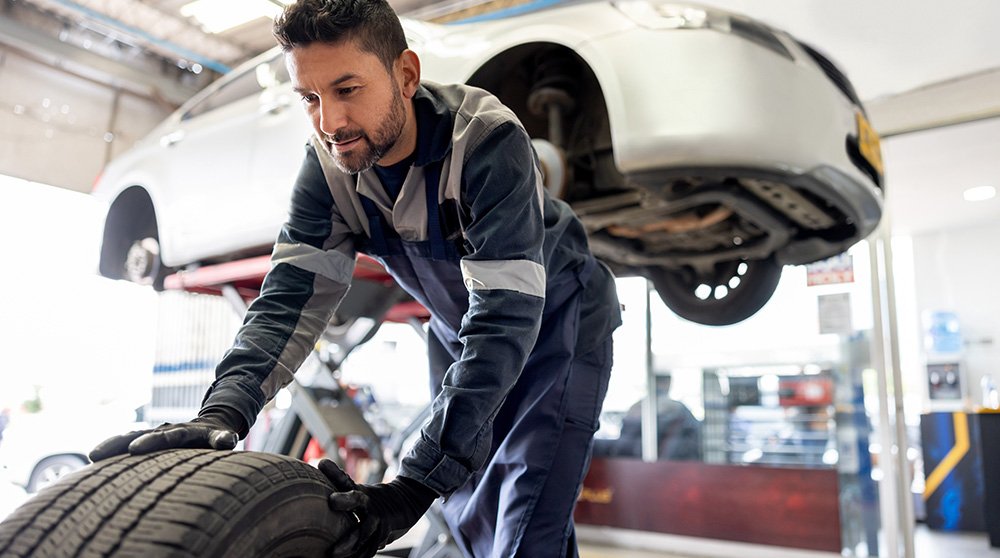
For example, a typical car tire and wheel can weigh 40–50 pounds (18–23 kg). Dropping it on your foot can cause serious injury.

Credit: www.prudentialuniforms.com
Protecting Your Lungs And Skin
Some repair jobs create dust, fumes, or mists that can harm your lungs or skin.
- Wear a mask or respirator when sanding, grinding, or spraying chemicals.
- Use a fan or open windows to improve ventilation.
- Wash up after repairs. Engine oil and brake dust contain toxic substances that can be absorbed through your skin.
A less-known risk: Asbestos dust can be present in older brake pads or clutches. Never use compressed air to clean brake parts—use a vacuum or damp cloth instead.
Staying Focused And Avoiding Fatigue
Working on a car requires attention. Distractions and tiredness are hidden dangers.
- Take breaks every hour. Fatigue causes mistakes.
- Never work when distracted or under the influence. Alcohol, drugs, or even strong medication can affect your judgment.
- Keep children and pets out of the work area. They can cause distractions or get hurt themselves.
Knowing When To Call A Professional
Some repairs are too risky or complex for a home garage. Examples include:
- Airbag or advanced electrical repairs
- Fuel system work (especially with high-pressure lines)
- Suspension work on modern cars with air or hydraulic systems
- Hybrid or electric vehicle repairs
Modern cars have computers and sensors that require special tools and knowledge. If you’re not sure, ask a pro or search for advice from reliable sources like the National Highway Traffic Safety Administration.
Seasonal And Weather Considerations
Weather can add extra risk to car repairs.
- Never work under a car outdoors in windy or icy conditions. The car or your tools can slip.
- In hot weather, let the engine cool longer before touching anything.
- In cold weather, wear gloves for warmth, but make sure you can still grip tools safely.
Extreme weather can also affect how fluids behave. For example, gasoline evaporates more quickly in heat, increasing fire risk.
What Most Beginners Miss
Even careful beginners can miss some safety details:
- Not labeling parts and bolts. Mixing up bolts can cause mechanical failure. Use labels or take photos as you work.
- Forgetting to torque bolts properly. Guessing can lead to loose or overtightened parts.
- Not double-checking your work. Before starting the engine, review every step to make sure everything is back in place.
These simple habits can prevent expensive mistakes and keep you safe.
Frequently Asked Questions
How Do I Know If My Jack Stands Are Safe?
Check the weight rating on your jack stands. They must be rated for more than your car’s weight. Inspect them for cracks, bent parts, or rust. Place them on solid, level ground. Always use both stands—never just one.
What Should I Do If I Spill Gasoline During A Repair?
Wipe up the spill immediately with absorbent material. Put the material in a metal container outside, away from buildings. Let the area air out before continuing. Do not use fans or electrical equipment near the spill, as these can cause sparks.
Is It Safe To Work On My Car Alone?
It’s better to have someone nearby, especially if you’re going under the car or working with electrical systems. If you must work alone, keep a phone nearby and tell someone when you start and finish.
Can I Use A Car’s Scissor Jack For Repairs?
Scissor jacks are meant for emergency tire changes, not for repairs. They are less stable and can tip easily. Use a hydraulic floor jack and jack stands for safety during repairs.
What Is The Safest Way To Disconnect A Car Battery?
Turn off the ignition. Remove the negative (black) cable first, then the positive (red). When reconnecting, attach the positive first, then the negative. This reduces the risk of sparks or short circuits.
Car repair is rewarding, but safety always comes first. If you set up your workspace, use the right gear, and follow these tips, you can enjoy fixing your car and keep yourself out of harm’s way. Always respect the risks, keep learning, and never hesitate to ask for help when needed.
Safe repairs mean you can drive with confidence, knowing your hands—and your car—are in good shape.