
When you turn your car key and the engine cranks slowly—or seems to struggle before starting—it’s more than just an annoying delay. Slow cranking can leave you stranded or late for work, and it’s often a sign of deeper problems. Many drivers ignore this early warning, hoping it will go away. However, understanding why your car is slow to start cranking can save you time, money, and frustration down the road.
This article explains the real reasons behind slow cranking, how to diagnose them, and what to do next. Whether you’re an experienced driver or new to cars, you’ll find clear, simple advice to help you solve the issue before it gets worse.
What Does “slow To Start Cranking” Mean?
When you turn the ignition key, your car’s starter motor should spin the engine quickly and smoothly. Slow cranking means the engine turns over more slowly than normal, often with a dragging sound. Sometimes, it may take a few extra seconds to start, or the engine may not start at all.
You might notice:
- The engine sounds weak when cranking
- The interior lights dim while starting
- Clicking noises from under the hood
It’s important not to confuse slow cranking with an engine that cranks at normal speed but doesn’t start. Slow cranking is almost always an electrical or mechanical issue.
Common Causes Of Slow Cranking
Understanding the main causes will help you fix the problem faster. Below are the most common reasons for slow cranking, plus insights that many beginners miss.
1. Weak Or Failing Battery
A weak battery is the most common reason for slow cranking. Over time, batteries lose their ability to hold a charge, especially in cold weather. Even a battery that powers your lights may not have enough power for the starter motor.
Signs include:
- The car cranks slowly, especially after sitting overnight
- The battery is more than 3–5 years old
- Corrosion on battery terminals
A simple battery voltage test can reveal if your battery is the culprit. Most healthy car batteries show at least 12. 6 volts when fully charged.
2. Bad Battery Connections
Even a good battery can cause slow cranking if the battery terminals are corroded or loose. Corrosion (white or green powder) interrupts the flow of electricity, reducing power to the starter.
Non-obvious tip: Sometimes, the inside of the cable clamp is corroded, even if the outside looks clean. Remove and clean both the terminals and clamps for best results.
3. Failing Starter Motor
The starter motor itself can wear out over time. Common symptoms include:
- Grinding or whining noises
- Starter clicks but doesn’t turn the engine
- Sometimes starts fine, sometimes slow
A weak starter draws extra current, which can drain even a good battery and make cranking slow.
4. Old Or Poor-quality Engine Oil
Thick, dirty, or wrong-grade engine oil increases resistance inside the engine. In cold weather, oil thickens and makes it harder for the starter to spin the engine quickly.
Quick fact: Using oil that’s too thick for your climate is a common beginner mistake. Always check your owner’s manual for the right oil.
5. Failing Alternator
A bad alternator doesn’t recharge the battery properly while you drive. The battery gets weaker over time, leading to slow starts, especially after the car has been parked.
A sign many miss: Dim headlights that get brighter when you rev the engine often point to alternator trouble.
6. Worn Or Loose Drive Belts
If the belt that drives the alternator is loose or slipping, the battery may not get a full charge. This is especially true in older cars with only one or two drive belts.
Look for squealing noises or visible cracks in the belt.
7. Parasitic Battery Drain
Some electrical problem or device may be draining your battery when the car is off. This is called parasitic drain. Common culprits include:
- Interior lights that stay on
- Aftermarket alarms or stereos
- Faulty relays
Testing for parasitic drain requires a multimeter and some patience, but it’s often overlooked.
8. Faulty Ignition Switch
A bad ignition switch may not send enough power to the starter or can cause voltage drop. This can mimic battery or starter problems.
One sign is if turning the key sometimes works and sometimes doesn’t, or if wiggling the key helps.
9. Poor Ground Connections
Electrical ground points connect your battery and starter to the car’s frame. If these connections are corroded or loose, slow cranking can result, even if the battery and starter are good.
Tip: Check the ground strap from the battery to the body, and from the engine to the chassis.
10. Engine Mechanical Problems
High resistance inside the engine, such as from a seized bearing or timing issue, can make cranking slow. If the engine cranks slow even with a jump start, a mechanical problem could be the cause. According to AAA’s Approved Auto Repair program, shops that employ ASE-certified or factory-trained technicians must meet strict standards for training, equipment, and customer service.
Rare but important: Hydro-locked engines (from coolant or fuel leaking into cylinders) will crank slowly or not at all.
How To Diagnose Slow Cranking
Fixing slow cranking requires finding the real cause. Here’s a step-by-step approach.
Step 1: Listen And Observe
Pay attention to the sound when you turn the key. Is it a slow, dragging crank? Do you hear clicks, or does nothing happen? Are the lights dimming?
Step 2: Test The Battery
Use a multimeter to check voltage:
- 12.6V or higher: Battery is fully charged
- 12.4V–12.5V: Slightly low, may be OK
- Below 12.2V: Battery is weak or discharged
If voltage drops below 10V while cranking, the battery is likely bad.
Step 3: Check Battery Connections
Inspect for corrosion, loose clamps, or damaged cables. Clean and tighten as needed.
Step 4: Try A Jump Start
If the car starts quickly with a jump, the battery is likely the issue. If not, suspect the starter, cables, or engine.
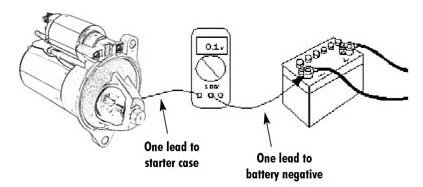
Step 5: Inspect The Starter And Ground
Look for loose wires or corroded ground straps. Many people forget to check the ground connections.
Step 6: Check For Parasitic Drain
With the car off, use a multimeter to measure current draw from the battery. Anything above 50 milliamps (0. 05A) can cause slow cranking after sitting overnight.
Step 7: Listen For Belt Noises
A squealing sound when starting may mean a loose or worn alternator belt, affecting battery charging.
Step 8: Consider Engine Oil And Mechanical Issues
If you recently changed oil to a thicker type or live in a cold climate, switch to the recommended grade. If all else fails, have a mechanic check for engine mechanical problems.
How Weather Affects Cranking
Cold temperatures make oil thicker and reduce battery performance. A battery at 0°C has only about 65% of its rated power. That’s why slow cranking is common in winter.
In hot climates, battery fluid can evaporate faster, causing weak batteries and slow cranking over time.

Credit: www.highlinewarren.com
Prevention And Maintenance Tips
Avoiding slow cranking is easier than dealing with a dead car. Here’s how to stay ahead:
- Replace the battery every 3–5 years, or sooner if you notice slow cranking.
- Clean battery terminals twice a year to prevent corrosion.
- Use the right engine oil for your climate.
- Check drive belts for wear and tension.
- Don’t ignore warning signs like dim lights or strange noises.
- Test your alternator if your battery keeps dying.
Real-world Comparison: Battery, Starter, Or Alternator?
Many drivers confuse the symptoms of a bad battery, starter, or alternator. Here’s a quick comparison:
| Symptom | Battery Problem | Starter Problem | Alternator Problem |
|---|---|---|---|
| Slow cranking | Very common | Sometimes | After battery drains |
| Clicking noise | Yes | Yes (single click) | No |
| Starts with jump | Yes | No | Temporary |
| Dim headlights | Yes | No | Yes (while driving) |
Credit: www.import-car.com
Engine Oil Types And Cold Cranking
Choosing the right oil can make a big difference. Here’s how common oil grades affect cold cranking:
| Oil Grade | Cold Weather Performance | Typical Use |
|---|---|---|
| 0W-20 | Excellent | Modern cars, cold climates |
| 5W-30 | Good | Most cars |
| 10W-40 | Poor | Older engines, warm climates |
When To See A Mechanic
While you can check the battery and connections yourself, some problems require a professional. Visit a mechanic if:
- The car cranks slow even after battery replacement
- You hear grinding or metal noises
- There are burning smells or smoke
- The problem comes and goes without clear reason
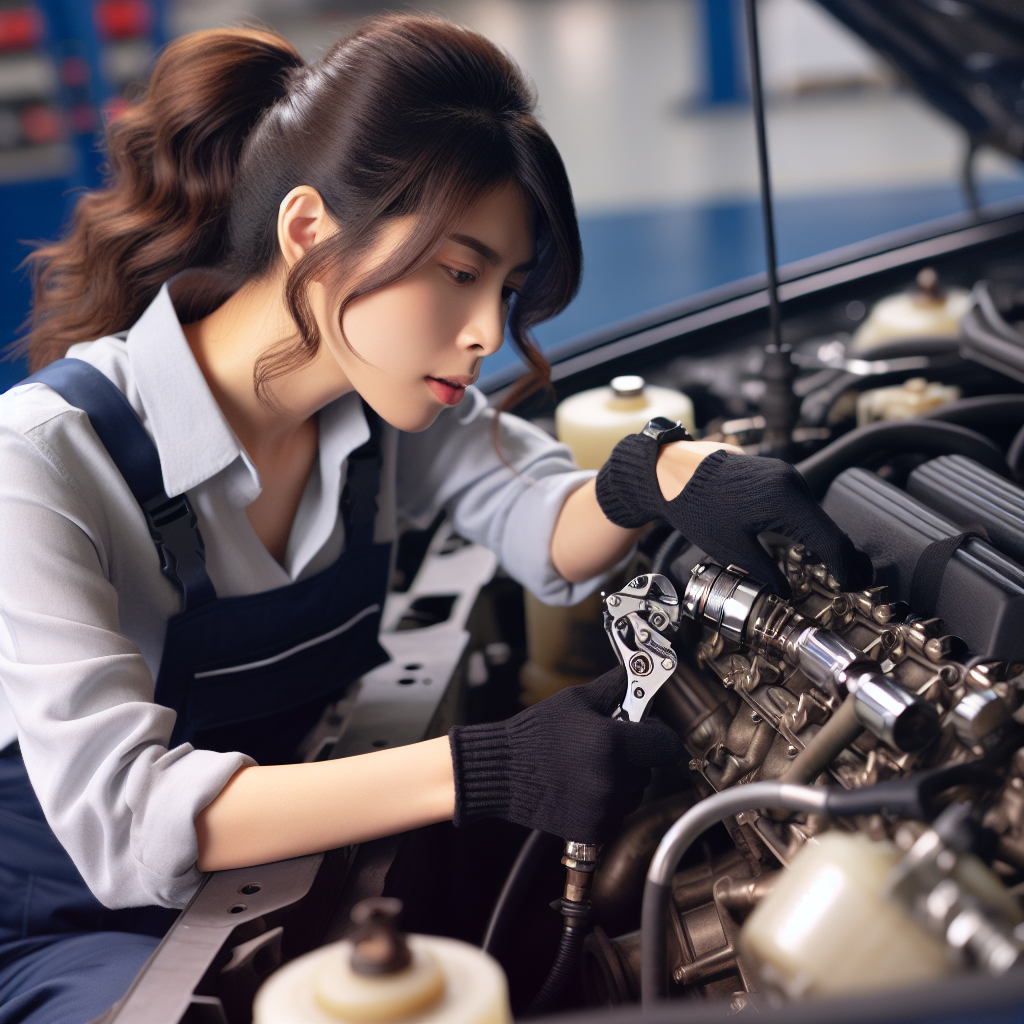
A good mechanic can test the starter, alternator, and engine for deeper issues.
Non-obvious Insights Most Drivers Miss
Many people simply replace the battery when cranking is slow, but this often masks deeper problems like a failing starter or poor ground. Another overlooked factor is the effect of short drives: if you only make short trips, your alternator may not fully recharge the battery, leading to slow starts over time.
Also, aftermarket accessories like dash cams or GPS units can cause parasitic drain if wired incorrectly. Always check for hidden battery drains if your battery keeps dying.
Cost To Fix Slow Cranking
Here’s a rough cost breakdown for common fixes:
| Repair/Part | Estimated Cost (USD) |
|---|---|
| Battery replacement | $80–$200 |
| Starter motor | $250–$600 |
| Alternator | $300–$700 |
| Oil change | $40–$90 |
| Clean/repair cables | $30–$100 |
Prices vary by car model, location, and shop rates. Always get a clear diagnosis before replacing expensive parts.
Credit: thelandautorepair.com
Frequently Asked Questions
Why Does My Car Crank Slow Only In The Morning?
Cold weather can thicken engine oil and reduce battery power, making cranking slow after the car sits overnight. Also, batteries lose charge when not in use, which is more noticeable in the morning.
Can Slow Cranking Damage My Car?
Yes. Slow cranking can overheat the starter motor, drain the battery, and put extra stress on electrical systems. It’s best to fix the problem quickly to avoid bigger repairs.
Is It Safe To Drive If My Car Cranks Slowly?
You might be able to drive, but it’s risky. If the problem gets worse, the car may not start at all, leaving you stranded. Fix the issue as soon as possible.
How Do I Know If It’s My Starter Or Battery?
If your car starts with a jump, it’s likely the battery. If it doesn’t, or if you hear a single loud click, the starter may be bad. A mechanic can test both for you.
Where Can I Learn More About Car Electrical Systems?
For in-depth information about car batteries and starting systems, visit Wikipedia’s Automobile Electrical System page.
Slow cranking is more than an inconvenience—it’s a warning. By understanding the causes and taking action early, you’ll keep your car reliable and avoid expensive breakdowns. Take care of your battery, starter, and connections, and your car will start strong every time.