
Keeping your car driving smoothly and safely depends a lot on the condition of its suspension system. Many drivers only think about suspension when they hit a pothole or feel a strange noise from underneath their car. But proper suspension maintenance does much more than protect your ride comfort. It also keeps your tires wearing evenly, supports your steering, and—most importantly—helps you stay in control during emergencies.
If you want to extend the life of your vehicle, avoid costly repairs, and drive with confidence, understanding car suspension maintenance is crucial. This guide explains everything you need to know, from the basics of how suspension works to practical steps you can take to keep it in top shape.
What Is A Car Suspension System?
The suspension system connects your car’s wheels to its frame. It absorbs bumps, keeps your tires on the road, and gives you a comfortable, controlled drive. The main parts include:
- Shock absorbers (or struts)
- Springs (coil or leaf)
- Control arms
- Bushings
- Ball joints
- Sway bars (stabilizer bars)
All these parts work together to balance comfort and safety. If one part fails, the whole system can be affected.
Why Suspension Maintenance Matters
Suspension problems can sneak up on you. The signs are often subtle at first but can become serious over time. Here’s why staying on top of suspension maintenance is essential:
- Safety: A faulty suspension reduces your ability to steer and brake.
- Tire wear: Bad suspension causes uneven tire wear, costing you money.
- Ride comfort: Worn parts make your ride bumpy and noisy.
- Longevity: Neglecting maintenance can damage other car systems.
According to the National Highway Traffic Safety Administration, suspension issues are a factor in about 13,000 car crashes each year in the United States.
Common Suspension Problems And Warning Signs
Recognizing problems early can save you from expensive repairs. Look out for these warning signs:
- Uneven tire wear: If you notice bald spots or different tread depths, your suspension may be off.
- Pulling or drifting: If the car pulls to one side, it could be a worn control arm or bad alignment.
- Bouncing after bumps: A good suspension should settle quickly after a bump. If your car keeps bouncing, the shocks may be worn out.
- Nose diving when braking: If the front of your car dips down when you brake, it’s a classic sign of weak shocks or struts.
- Clunking or squeaking noises: Sounds from under the car when turning or hitting bumps can mean loose or damaged parts.
- Steering feels loose: Difficulty keeping the car straight can point to suspension or steering issues.
- Leaking fluid: Oil on the shocks or struts means they are leaking and need replacement.
Don’t ignore these signals. Small problems can quickly turn into expensive breakdowns.
How Suspension Systems Differ By Vehicle
Not all suspensions are built the same. The type depends on your car’s design, size, and purpose.
| Vehicle Type | Suspension Style | Main Features |
|---|---|---|
| Sedan | Independent front & rear | Smooth, comfort-focused ride |
| SUV/Truck | Solid rear axle, independent front | Handles heavy loads, rough roads |
| Sports Car | Performance-tuned, often adjustable | Precise handling, firmer ride |
| Luxury Car | Air or adaptive suspension | Automatic ride height, extra comfort |
Knowing your vehicle’s suspension type helps you choose the right parts and care methods.
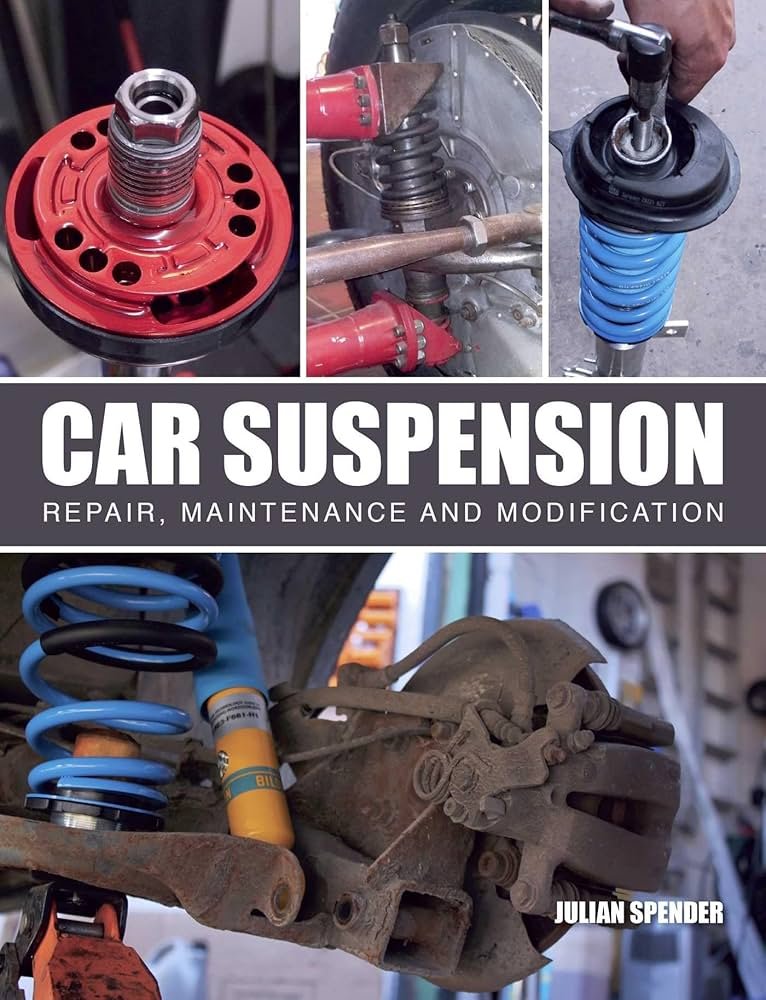
Credit: www.amazon.com
Key Suspension Maintenance Tasks
Keeping your suspension healthy isn’t just about replacing worn parts. Regular checks and simple habits can make a big difference. Here’s what you should do:
1. Inspect Suspension Regularly
Check your suspension at least twice a year, or every 10,000 miles (16,000 km). Look for:
- Cracks or leaks in shocks and struts
- Worn or torn bushings
- Rust on springs or control arms
- Bent or damaged parts
A quick visual inspection can reveal issues before they get worse.
2. Monitor Tire Condition And Pressure
Tires tell a story about your suspension. Uneven wear patterns can signal problems. Also, always keep your tires at the recommended pressure. Under-inflated or over-inflated tires stress the suspension.
3. Listen For Unusual Noises
Drive with your windows down at low speed over bumps or rough roads. Listen for clunks, squeaks, or rattles. These noises often mean something is loose or worn out.
4. Test For Smoothness
Push down hard on each corner of your car. If it bounces more than once, your shocks or struts may need to be replaced.
5. Get Regular Wheel Alignments
Misaligned wheels can ruin your suspension and tires fast. Have your alignment checked every 12,000 miles (20,000 km) or if you notice the steering pulling or crooked.
6. Replace Worn Suspension Parts
Shocks, struts, bushings, and ball joints wear out over time. Most shocks last 50,000–100,000 miles (80,000–160,000 km), but road conditions can shorten this. Replace any part that shows damage or excess wear. According to Consumer Reports, sticking to a regular maintenance schedule is one of the most effective ways to extend a vehicle’s life and preserve its resale value.
7. Clean Suspension Components
Mud, salt, and road debris can accelerate rust and wear. Periodically hose down the undercarriage, especially in winter climates.
8. Lubricate Moving Parts
Some suspension systems have grease fittings. If yours does, make sure to lubricate bushings and ball joints as recommended by your manufacturer.
9. Avoid Overloading
Too much weight stresses springs and shocks. Check your vehicle’s load rating and avoid carrying more than recommended.
10. Drive Carefully Over Bumps
Slow down for speed bumps and potholes. Hard impacts can bend suspension parts or damage shocks.
Suspension Maintenance: Diy Or Professional?
Some tasks are easy for car owners; others require a professional touch. Here’s a comparison:
| Task | DIY? | Professional Needed? |
|---|---|---|
| Visual inspection | Yes | No |
| Tire pressure check | Yes | No |
| Replacing shocks/struts | Possible, but challenging | Recommended |
| Wheel alignment | No | Yes |
| Lubrication (if fittings exist) | Yes | No |
| Replacing bushings/ball joints | No | Yes |
If you’re not comfortable with tools or don’t have the right equipment, it’s best to let a mechanic handle major repairs.
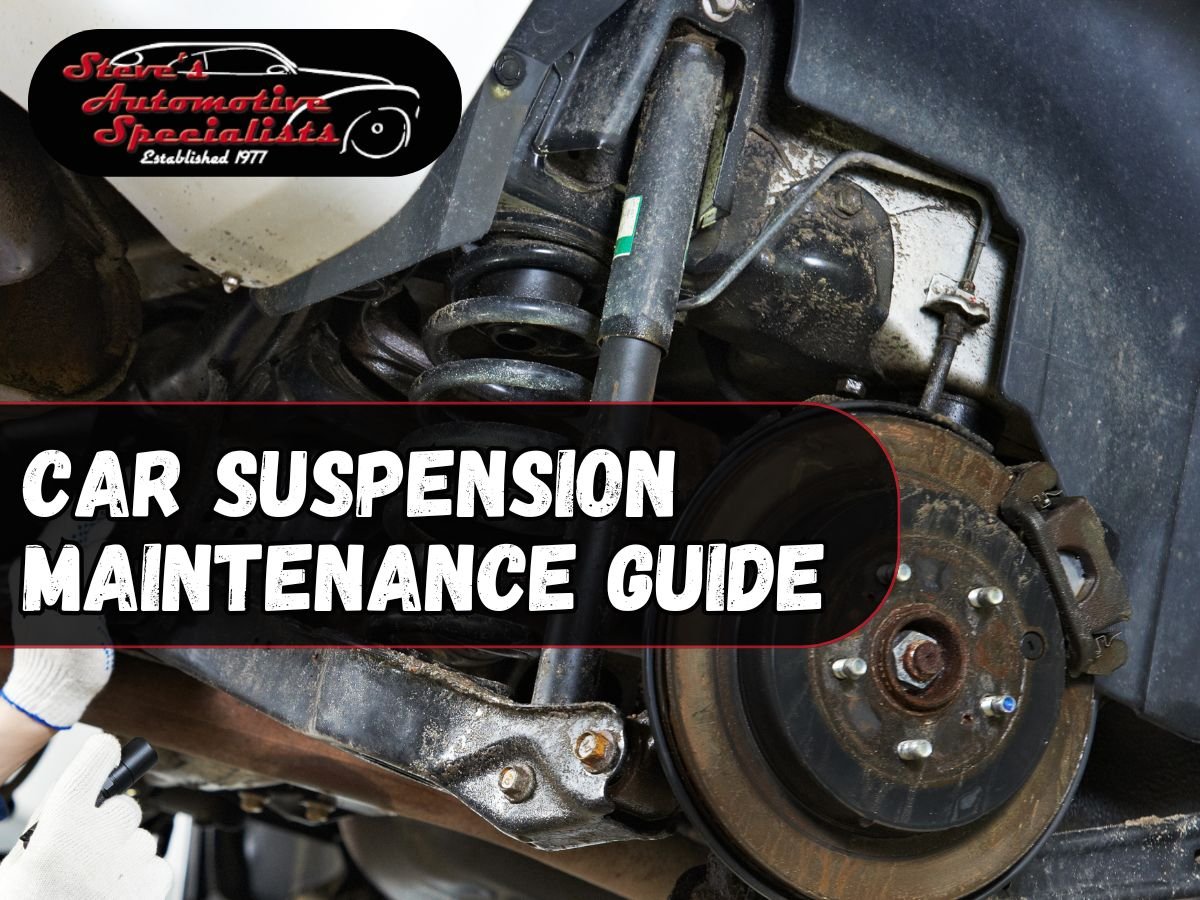
Credit: stevesautomotivespecialists.com
How Much Does Suspension Maintenance Cost?
Costs vary by car type and problem. Here are average price ranges in the US:
| Service | Average Cost (USD) |
|---|---|
| Shock/strut replacement (per pair) | $300–$700 |
| Wheel alignment | $75–$150 |
| Bushing replacement (per bushing) | $100–$350 |
| Ball joint replacement (each) | $150–$400 |
| Control arm replacement (each) | $200–$600 |
Doing regular checks and catching issues early can save hundreds or even thousands of dollars over your car’s life.
Two Insights Most Car Owners Miss
- Tires can mask suspension problems. If you replace your tires but don’t fix worn suspension parts, the new tires can wear out just as quickly. Always inspect suspension when changing tires.
- Suspension affects more than comfort. Many people think of suspension as just a ride-quality feature. In reality, a weak suspension increases braking distance and makes emergency maneuvers less safe. Even advanced safety features like ABS and stability control can’t work properly with a bad suspension.
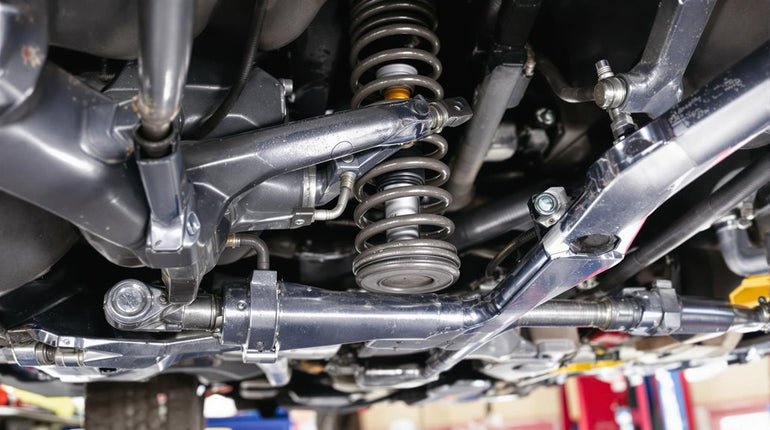
Credit: gexhaust.com
Practical Tips For Long Suspension Life
- Rotate your tires every 6,000–8,000 miles (10,000–13,000 km) to spot uneven wear early.
- After hitting a big pothole, have your suspension checked even if nothing feels wrong.
- If you drive in areas with salted roads, wash the undercarriage more often to fight rust.
- Use only high-quality replacement parts; cheap parts often fail sooner and can affect other systems.
How To Choose Replacement Suspension Parts
When it’s time to replace parts, consider these key factors:
- Compatibility: Only buy parts made for your exact vehicle year and model.
- Quality: Choose trusted brands or original equipment manufacturer (OEM) parts.
- Warranty: Look for at least a one-year warranty.
- Type of driving: If you do a lot of off-roading or towing, consider heavy-duty parts.
- Price: Beware of parts that seem too cheap—they may not last.
One common mistake is focusing only on price. Low-quality parts can cause more damage in the long run.
For more technical details about car suspensions, visit the Wikipedia page on vehicle suspension.
Frequently Asked Questions
How Often Should I Have My Suspension Inspected?
It’s best to inspect your suspension system every 10,000 miles or at least twice a year. If you notice any warning signs—like noises, pulling, or bouncy rides—check it sooner.
Can I Drive With A Bad Suspension?
Driving with a damaged suspension is risky. It can affect your control, increase stopping distance, and lead to further damage. Get it repaired as soon as possible.
Are Suspension Repairs Covered By Warranty?
New cars usually include a basic warranty that covers suspension parts for a certain period or mileage. Always check your warranty terms. Aftermarket warranties may also cover some repairs.
What Causes Suspension Parts To Wear Out Quickly?
Rough roads, frequent heavy loads, and lack of maintenance are common causes. Potholes and curbs can also bend or break suspension parts.
Is It Safe To Replace Shocks Or Struts At Home?
Replacing shocks or struts can be done at home if you have experience and proper tools. However, these parts are under high tension and can be dangerous. If unsure, have a mechanic do the job.
Keeping your suspension in top shape is one of the smartest ways to ensure a safe and enjoyable drive. Regular checks, prompt repairs, and smart driving habits will help you avoid big bills and keep your vehicle running smoothly for years to come.
Stay alert to changes in your car’s ride and don’t hesitate to seek professional help when needed. Your safety and comfort depend on it.