
If you’ve ever turned your key or pushed the start button only to hear your car struggle, hesitate, or crank several times before finally starting, you’re not alone. A car that takes multiple tries to start is more than just an inconvenience—it’s a sign that something isn’t working as it should.
This problem can leave you feeling anxious, especially if you need to get somewhere important. But what actually causes this? How serious is it? And what can you do about it before you end up stranded?
Understanding why your car takes multiple tries to start helps you avoid costly repairs, stay safe, and keep your vehicle running smoothly. In this guide, you’ll learn about the most common causes, how to diagnose the problem, what repairs might be needed, and how to prevent future issues. You’ll also find practical tips from real-world experience that many beginners miss.
Common Reasons Your Car Takes Several Tries To Start
Car starting problems can be simple or complex. Some issues require only a quick fix, while others need a mechanic’s attention. Let’s look at the main reasons your car might take multiple tries to start.
1. Weak Or Dead Battery
Your car battery is the heart of the starting system. If it’s weak, old, or has loose connections, you may hear slow cranking or just clicks. Extreme temperatures, especially cold weather, can make batteries lose power fast.
- Most car batteries last 3–5 years.
- Corroded terminals or loose clamps can also cause poor connections.
- A battery that measures under 12.4 volts when the car is off is considered weak.
2. Faulty Starter Motor
The starter motor turns the engine over when you start the car. If it’s wearing out or has electrical issues, you’ll often hear a clicking sound or nothing at all. Sometimes, tapping the starter gently with a tool can get it working temporarily, but this is a sign that it needs replacing soon.
3. Bad Ignition Switch
When you turn the key or push the start button, the ignition switch sends power to the starter and other systems. If this switch is failing, the car may not recognize your attempt to start, or it might work only after several tries. Symptoms can include flickering dashboard lights or no response when you try to start.
4. Fuel System Problems
Your engine needs the right amount of fuel at the right time. Issues in the fuel system can make starting difficult:
- Weak fuel pump: Not enough fuel reaches the engine.
- Clogged fuel filter: Blocks fuel flow.
- Leaking fuel injectors: Too much or too little fuel enters the engine.
Sometimes you may notice a strong fuel smell or the engine runs rough after starting.
5. Failing Spark Plugs Or Ignition Coils
Spark plugs ignite the fuel-air mixture in your engine. If they’re dirty, worn, or damaged, or if ignition coils are faulty, you’ll experience hard starting, rough idle, or even misfires. Replacing spark plugs is affordable and often solves these problems.
6. Engine Sensor Or Computer Issues
Modern cars rely on many sensors and the engine control unit (ECU). If a sensor (like the crankshaft position sensor or camshaft sensor) sends the wrong signal, the engine may not start correctly. Sometimes, a check engine light appears, but not always.
7. Bad Ground Or Electrical Connections
The car’s electrical system needs strong, clean connections. If there’s a bad ground wire or corroded cables, starting can be inconsistent. This is often missed by beginners but can be fixed with simple cleaning and tightening.
8. Security System Malfunctions
Some cars have security systems that prevent starting if they don’t recognize the key or fob. If the immobilizer malfunctions, you may need several tries—or be unable to start at all.
9. Flooded Engine (mainly Gasoline Cars)
If you press the gas pedal too much while starting, especially in cold weather, you might flood the engine (too much fuel, not enough air). This makes it hard to start and often leads to a strong fuel smell. According to AAA’s Approved Auto Repair program, shops that employ ASE-certified or factory-trained technicians must meet strict standards for training, equipment, and customer service.
10. Faulty Relays Or Fuses
Relays and fuses control power to the starter, fuel pump, and other systems. A failing starter relay or blown fuse can cause intermittent starting problems.
How To Diagnose The Problem Yourself
You don’t need to be an expert to do some basic checks. Here are steps you can take if your car takes multiple tries to start:
- Listen carefully. Does the engine crank slowly, click, or make no sound?
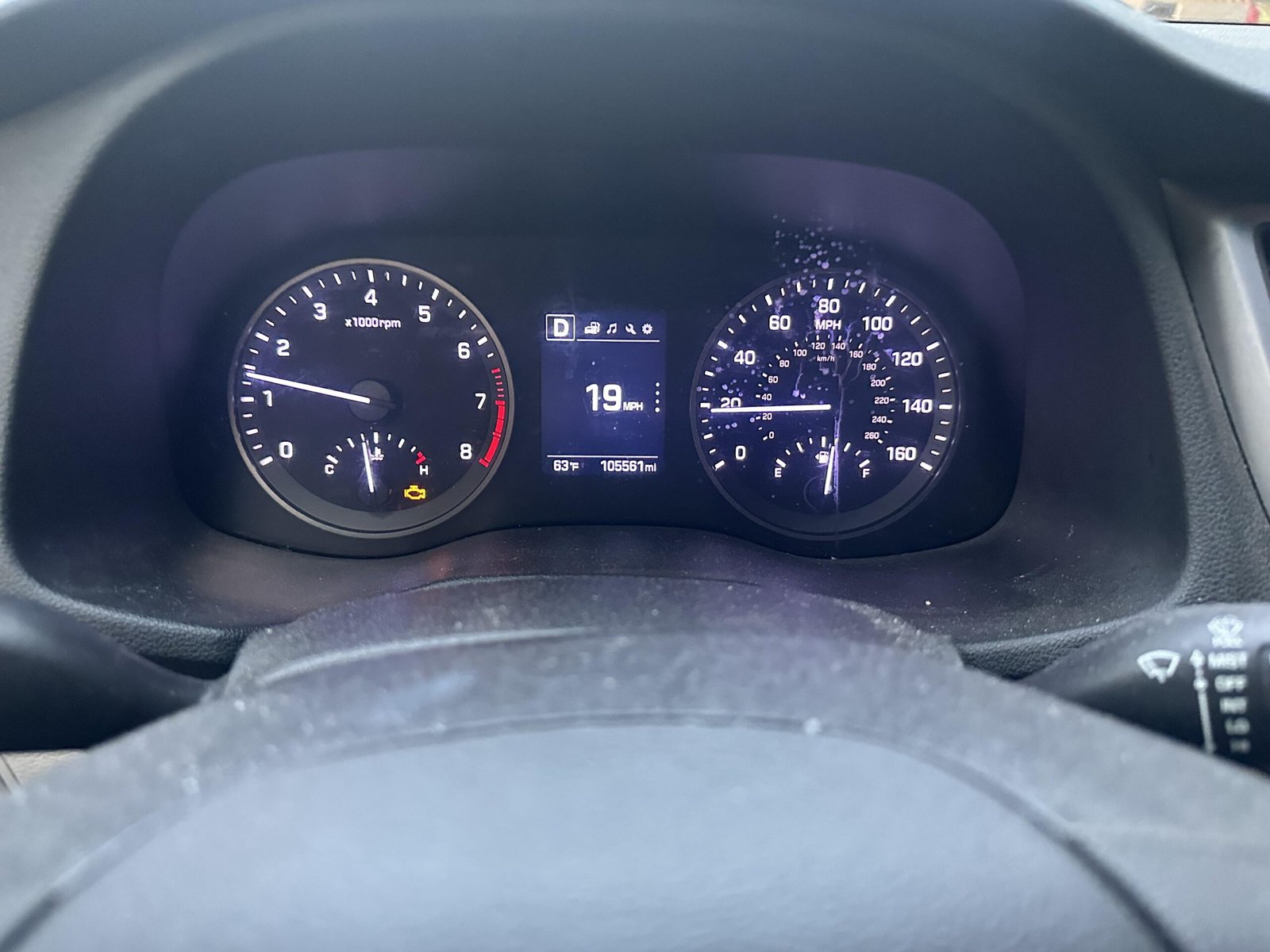
- Check dashboard lights. Do they dim or flicker when you try to start?
- Look at the battery. Are the terminals corroded? Is the battery more than 3 years old?
- Smell for fuel. A strong gasoline odor can mean flooding or leaks.
- Pay attention to weather. Does the problem happen only in cold or damp conditions?
- Notice patterns. Does it happen after short trips, or only when the car sits for a long time?
Sometimes, simply tightening a battery cable or cleaning a terminal can solve the problem. If you’re not sure, it’s best to get a mechanic’s help.
Credit: www.reddit.com
How Mechanics Diagnose Starting Issues
A professional uses tools and experience to find the root cause. Here’s what usually happens at a repair shop:
| Diagnostic Step | What the Mechanic Checks | Common Tools Used |
|---|---|---|
| Battery Test | Battery voltage, health, and connections | Multimeter, battery tester |
| Starter & Alternator Test | Starter motor function and alternator output | Starter/alternator tester |
| Fuel Pressure Test | Fuel pump pressure and injector leaks | Fuel pressure gauge |
| OBD-II Scan | Error codes from ECU and sensors | OBD-II scanner |
Most shops can diagnose starting issues in less than an hour. Clear communication about symptoms helps them save time and money.
Repair Solutions And Cost Overview
Fixing a car that takes multiple tries to start can range from simple to complex. Here are typical solutions and what you might expect to pay:
| Repair | Estimated Cost (USD) | Time Needed |
|---|---|---|
| Replace Battery | $80 – $250 | 15–30 minutes |
| Starter Motor Replacement | $300 – $700 | 1–2 hours |
| Ignition Switch Repair | $150 – $400 | 1–2 hours |
| Fuel Pump or Filter Replacement | $150 – $900 | 1–3 hours |
| Spark Plugs/Coils Replacement | $60 – $400 | 30–60 minutes |
| Sensor Replacement | $100 – $350 | 30–60 minutes |
Note that prices vary by car model and location. Labor costs are higher at dealerships than independent shops.
Credit: www.youtube.com
Preventing Starting Problems
Most starting issues can be avoided with regular maintenance and smart habits:
- Replace your battery every 3–5 years, or sooner if you notice slow cranking.
- Keep battery terminals clean and tight. Check for corrosion and clean with baking soda and water.
- Change spark plugs and filters as recommended by your car’s manual.
- Use the correct fuel. Low-quality gas can cause injector and pump problems.
- Listen to your car. New noises, slow cranking, or warning lights mean it’s time to check things out.
- Avoid short trips only. Engines need to run long enough to recharge the battery.
Many beginners overlook battery maintenance. Even a car that “starts fine” can have a weak battery if it’s only driven short distances.
Special Cases And Non-obvious Insights
Some starting problems are less obvious and often missed by new drivers:
- Parasitic Battery Drain: If your car sits for days and is hard to start, something may be draining the battery when off. Common causes are dome lights, phone chargers, or even faulty modules.
- Weather-Related Issues: Cold weather reduces battery power and thickens engine oil, making it harder to start. Parking in a garage and using synthetic oil can help.
Also, if your car has push-button start, a weak key fob battery can prevent the system from recognizing you—even if the main car battery is fine.
Data: How Common Are Starting Problems?
According to the American Automobile Association (AAA), battery-related issues are the number one cause of roadside assistance calls. Each year, millions of drivers experience starting problems. Here’s a look at the most common causes:
| Cause | % of Starting Problems |
|---|---|
| Battery Issues | 58% |
| Starter Motor/Alternator | 22% |
| Fuel System | 11% |
| Ignition/Electrical | 6% |
| Other | 3% |
This shows that keeping your battery and electrical system in good shape solves most starting issues.
When To Seek Professional Help
If you’ve checked the basics and your car still takes multiple tries to start, it’s time for professional help. Call a mechanic if:
- The car won’t start at all.
- You smell burning or see smoke.
- There’s a clicking noise but no cranking.
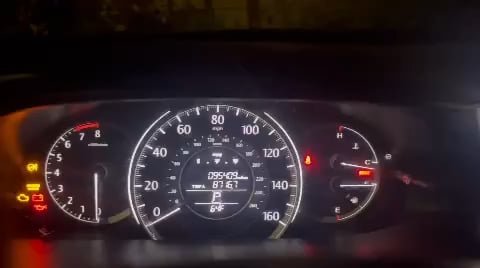
- Dashboard warning lights stay on.
Ignoring starting problems can leave you stranded or cause bigger issues, like damage to the starter or engine.
Credit: www.reddit.com
Frequently Asked Questions
Why Does My Car Start After Several Tries But Then Run Fine?
This often means your battery, starter, or fuel system is weak but not completely failed. Once the engine is running, the alternator provides power, so the problem only shows up at start.
Can Cold Weather Make My Car Hard To Start?
Yes. Cold weather reduces battery power and can make oil thicker, which makes the engine harder to turn over. It also affects fuel vaporization in older cars.
Is It Safe To Drive If My Car Takes Several Tries To Start?
You can drive, but it’s risky. The problem might get worse and leave you stranded. Get it checked as soon as possible.
What Is The Most Common Cause Of Starting Problems?
The car battery is the most common cause, especially if it’s more than 3 years old or exposed to extreme temperatures.
How Can I Prevent My Car From Having Starting Problems?
Regular maintenance is key. Replace your battery on time, keep terminals clean, change spark plugs, and pay attention to warning signs. For more in-depth guidance, see this starter motor overview.
A car that takes multiple tries to start is your vehicle’s way of asking for attention. With a bit of knowledge and care, you can keep your car starting strong and avoid surprises on the road. Don’t wait until you’re stuck—take action early for peace of mind and reliable performance.