
Keeping your car looking shiny and new is not just about washing it. Protecting your car’s paint from the sun, rain, dirt, and scratches is essential if you want it to last. This is where car wax, sealant, and ceramic coating come in. But what do these terms mean, and how do you decide which is right for your vehicle? Let’s break down each one, compare them, and help you choose the best solution for your car.
Understanding Car Wax
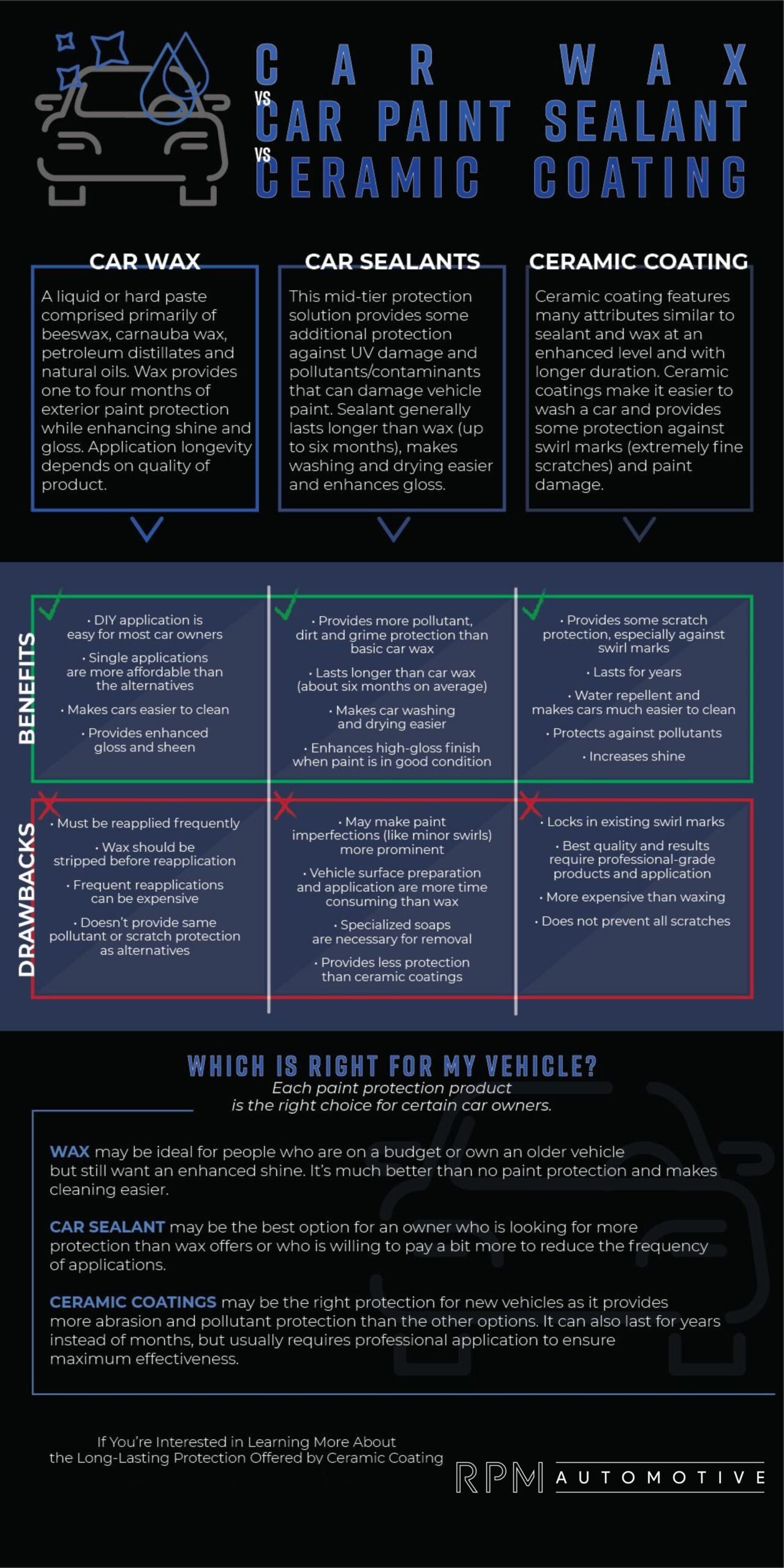
Car wax has been around for decades. It’s often the first product car owners use to protect their paint. Most waxes come from natural ingredients, mainly carnauba wax from palm leaves, though some are synthetic blends.
When you apply car wax, it creates a thin, protective layer on your car’s paint. This layer helps repel water, gives a rich shine, and can make minor scratches less visible. However, the protection wax offers is temporary. Heat, rain, and car washes will slowly wear it away.
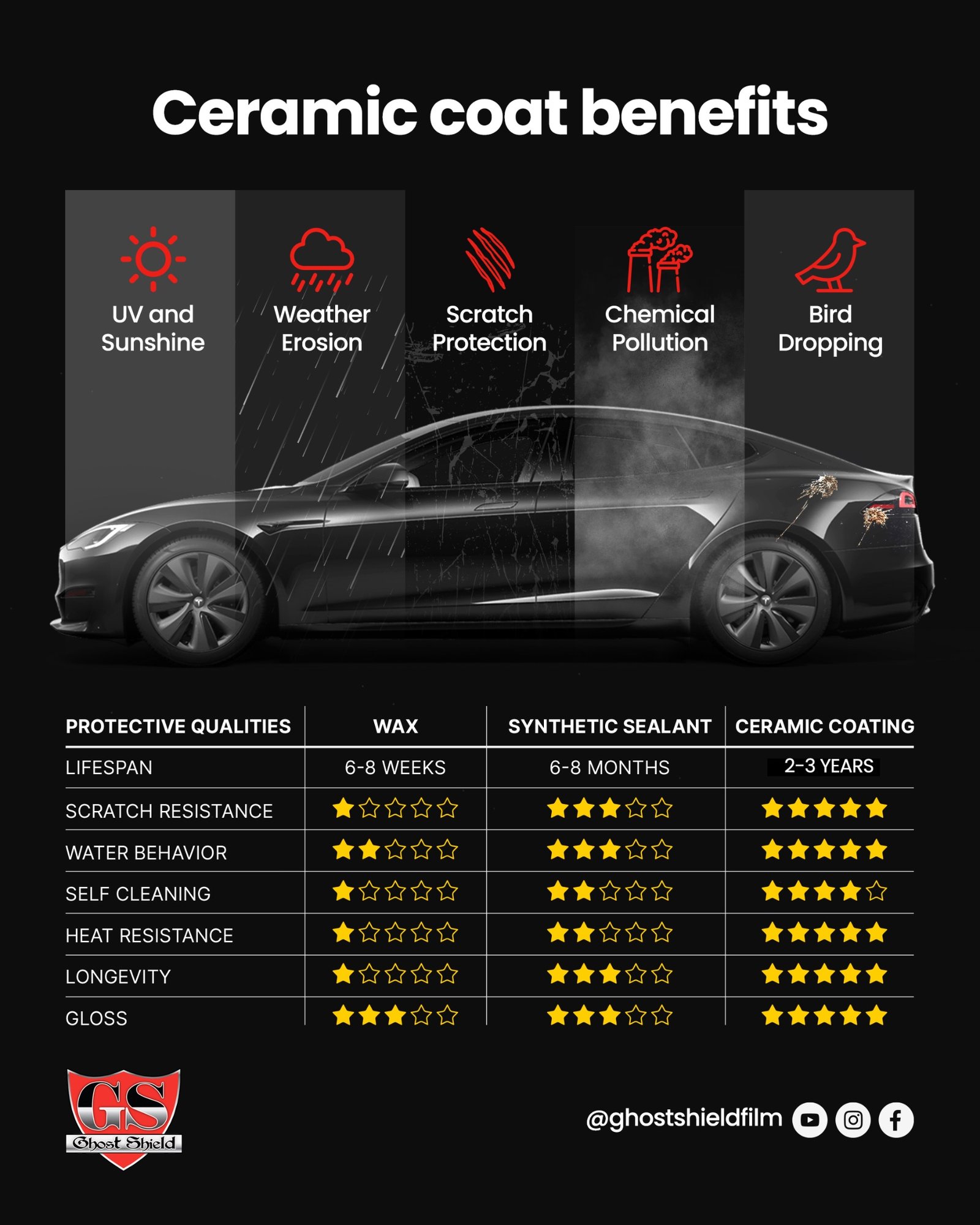
On average, car wax lasts 4 to 8 weeks, depending on weather and how often you wash your car. You need to reapply it regularly if you want to keep your car protected and shiny.
Pros Of Car Wax
- Easy to apply: Most waxes are simple to use, even for beginners.
- Affordable: You can find many good waxes for a low price.
- Great shine: Wax gives a deep, warm gloss that many car lovers prefer.
Cons Of Car Wax
- Short protection: Needs frequent reapplication.
- Limited chemical resistance: Waxes don’t protect well against harsh chemicals or bird droppings.
- Not heat-resistant: Sun and high temperatures can melt wax off your car.
What Is A Paint Sealant?
A paint sealant is a synthetic product designed to provide longer-lasting protection than wax. Sealants use modern polymers and silicones, which bond to the car’s paint. This makes them tougher and longer-lasting than wax.
You’ll find that paint sealants usually last 4 to 6 months per application. They’re popular with car owners who want good protection but don’t want to reapply products every month.
Sealants give a glassy, reflective shine—different from the warm glow of wax. They also offer better protection against UV rays, acid rain, and road salts.
Advantages Of Paint Sealants
- Long-lasting: One application can protect your car for months.
- Chemical resistance: Sealants stand up better to detergents and contaminants.
- Easy to use: Most can be applied by hand or machine.
Disadvantages Of Paint Sealants
- Less depth in shine: Some people find the shine less “rich” than wax.
- Can highlight paint imperfections: Because sealants are so clear, scratches may show more unless you prep the paint well.
- Synthetic look: Some prefer the natural look of wax.
Credit: ghostshieldfilm.com
What Is Ceramic Coating?
Ceramic coating is the newest and most advanced paint protection available to consumers. Made from silicon dioxide or similar compounds, ceramic coatings create a chemical bond with your car’s paint. This forms a hard, glass-like shell over the surface.
Ceramic coatings last much longer than wax or sealant—1 to 5 years or more, depending on the product and how well it’s applied. Some professional-grade coatings can protect your car for up to 7 years.
Ceramic coatings offer high levels of hydrophobicity (water beading), UV protection, resistance to chemicals, and scratch resistance. They also make your car easier to clean, because dirt and grime don’t stick as easily.
Benefits Of Ceramic Coating
- Durability: Lasts years, not months.
- Superior protection: Guards against chemicals, UV rays, and minor scratches.
- Low maintenance: Washing is easier; less dirt sticks to the surface.
- High gloss: Produces a deep, mirror-like shine.
Drawbacks Of Ceramic Coating
- High cost: Both product and application are expensive.
- Difficult to apply: Often needs professional installation.
- Not damage-proof: Large scratches or chips can still happen.
Side-by-side Comparison
To help you see the differences clearly, here is a quick comparison:
| Feature | Car Wax | Sealant | Ceramic Coating |
|---|---|---|---|
| Protection Duration | 4-8 weeks | 4-6 months | 1-5 years |
| Gloss Level | Warm, natural | Glassy, reflective | Deep, mirror-like |
| Cost | Low | Medium | High |
| Application | Easy | Easy to moderate | Hard (often professional) |
| Scratch Resistance | Low | Medium | High |
| Water Beading | Good | Very good | Excellent |
Credit: www.youtube.com
When To Choose Car Wax
Car wax is perfect if you:
- Enjoy working on your car every few weeks
- Love a deep, natural shine
- Don’t want to spend much money
- Don’t mind reapplying often
If your car is a classic or a show vehicle, wax can give you that “old school” look that’s hard to match.
Pro tip: Wax works best on well-prepared paint. Wash and dry your car first, and use a clay bar if you want the smoothest finish. Avoid applying wax in direct sunlight, as it can dry too fast and become hard to remove.
When To Choose Paint Sealant
Sealant is a good choice if you:
- Want longer-lasting protection
- Don’t want to wax your car often
- Prefer a sharp, reflective shine
Sealants are great for daily drivers. They protect well against city pollution, rain, and car washes. Many modern sealants can be applied even in less-than-perfect conditions, making them user-friendly for most people.
Non-obvious insight: Some users combine products, applying a sealant first, then topping with wax for both durability and a rich shine. This “layering” method can give you the best of both worlds, but always check product compatibility.
When To Choose Ceramic Coating
Ceramic coating is right for you if:
- You want the highest level of protection
- You dislike regular waxing or sealing
- You’re ready to invest in professional application
Ceramic coatings are especially useful in harsh climates—hot sun, snow, salt, or acid rain. They protect the car’s paint from fading and make cleaning much easier.
Important note: While ceramic coatings resist minor scratches, they are not bulletproof. Parking lot dings, stone chips, or deep scratches can still damage your car. Also, most warranties require you to maintain the coating with special soaps and avoid automatic car washes with brushes. According to AAA’s Approved Auto Repair program, shops that employ ASE-certified or factory-trained technicians must meet strict standards for training, equipment, and customer service.
Common Mistakes When Choosing Protection
Many beginners make these mistakes:
- Choosing solely by cost: The cheapest option may require more work and cost more long-term.
- Skipping surface prep: Applying any product over dirty or rough paint reduces its effectiveness.
- Using products incorrectly: Too much or too little product can cause streaks or weak protection.
- Expecting miracles: No product makes your car completely scratch-proof.
Real-world Examples
Let’s look at how these products work for different users:
- Anna owns a vintage car she only drives on weekends. She prefers carnauba wax for its warm glow, reapplying every month.
- Mike drives 40 miles daily. He uses a sealant for six months of protection and likes that his car always looks sharp.
- Priya bought a new SUV and paid for a professional ceramic coating. Now, water beads off after rain, and she only needs to wash her car every few weeks.
Cost Comparison
How much will you spend over time? Here’s an estimate for a typical car over two years:
| Product | Initial Cost | Applications Needed | Total Cost (2 years) |
|---|---|---|---|
| Car Wax | $20 | 12-24 | $60–$100 |
| Sealant | $30 | 4-6 | $50–$90 |
| Ceramic Coating (Pro) | $800–$1,500 | 1 | $800–$1,500 |
| Ceramic Coating (DIY) | $70–$150 | 1-2 | $70–$300 |
DIY ceramic coatings are cheaper but require careful prep and application. A mistake can lead to streaks or uneven gloss. Professional coatings cost more but often include warranties and expert application.
Credit: rpmaz.com
Durability And Maintenance
Wax, sealant, and ceramic coating all need some care. Here are maintenance tips:
- Waxed cars: Wash with a gentle soap, avoid strong chemicals.
- Sealed cars: Use a pH-neutral wash; reapply every few months.
- Ceramic-coated cars: Use special shampoo, avoid abrasive sponges.
Non-obvious insight: Using the wrong cleaning products can remove your protection layer faster, so always check product instructions.
Environmental Impact
When choosing between wax, sealant, and ceramic coating, consider the environment. Natural carnauba waxes are biodegradable and less harmful. Some synthetic sealants and ceramic coatings contain chemicals that require careful disposal. Always follow local rules for disposing of leftover products.
Which One Is Best For You?
There’s no single “best” product for everyone. It depends on your needs, budget, and how much effort you want to spend.
- If you love hands-on care and want a classic look, go with wax.
- For easy maintenance and longer protection, try a sealant.
- For maximum durability and protection, invest in ceramic coating.
If you want deeper technical details, you can read more on the Wikipedia page about car wax.
Frequently Asked Questions
What Lasts Longer, Wax, Sealant, Or Ceramic Coating?
Ceramic coating lasts the longest (years), followed by sealant (months), and then car wax (weeks).
Is Ceramic Coating Worth The Cost?
For most people who want top protection and minimal maintenance, ceramic coating is worth it. However, the high cost and need for professional application may not suit everyone.
Can I Use Wax Over A Sealant Or Ceramic Coating?
You can apply wax over a sealant for added shine, but you should not apply wax on top of ceramic coating, as it can reduce the coating’s hydrophobic effect.
Do These Products Prevent Scratches?
They help resist light scratches. Only ceramic coatings offer real scratch resistance, but no product can stop deep scratches or chips completely.
How Do I Know When To Reapply These Products?
If water stops beading on your car, it’s time to reapply wax or sealant. For ceramic coatings, check with your installer or product guide—most last several years but may need boosters.
Choosing between car wax, sealant, and ceramic coating is about balancing your needs, budget, and how much you enjoy caring for your car. With the right choice, your car will stay shiny and protected for years to come.
