
Many people believe an oil change is a simple task. You drain the old oil, put in new oil, and your car should run better. But what if you turn the key and your car won’t start after an oil change?
This can be a stressful moment, especially if you just finished working on your vehicle. The good news is that this problem is usually caused by something minor and fixable. In this article, you’ll learn why a car might not start after an oil change, the most common mistakes, how to troubleshoot the issue, and how to avoid future problems.
Common Reasons A Car Won’t Start After Oil Change
When your car doesn’t start after an oil change, it usually means something went wrong during the process. Here are the most frequent causes:
1. Low Or No Oil
Sometimes, people forget to add new oil, or don’t add enough. The engine has a safety feature that prevents starting if the oil level is too low, protecting the engine from damage. Always check the oil dipstick after filling.
2. Wrong Oil Type
Cars need a specific oil viscosity. Using oil that’s too thick or too thin can cause starting problems, especially in cold weather. Check your owner’s manual for the right type.
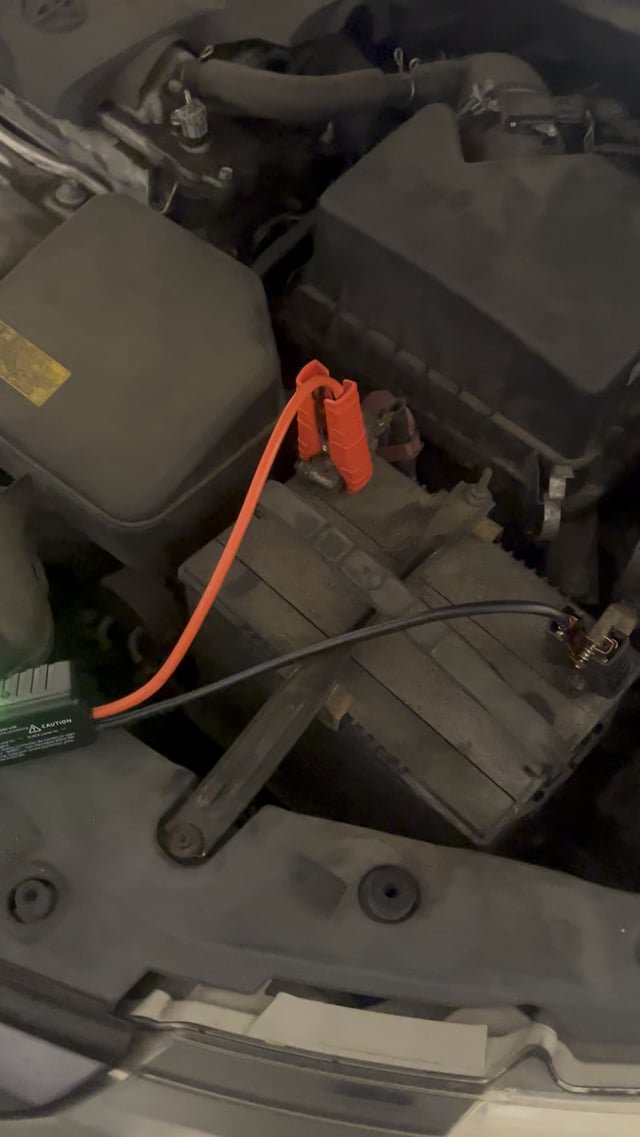
3. Disconnected Battery
If you disconnected the battery for safety, it’s easy to forget to reconnect it. A loose or disconnected battery terminal means the car won’t start at all.
4. Oil Filter Problems
Installing the oil filter incorrectly or using the wrong filter can block oil flow. Some cars have sensors that prevent starting if oil pressure is too low.
5. Oil Pressure Sensor Issues
Some vehicles have sensitive oil pressure sensors. If you damage or unplug the sensor during the oil change, the car’s computer may prevent starting.
6. Spilled Oil On Engine Parts
Spilling oil on electrical connectors or spark plugs can cause short circuits. This is rare, but it happens, especially in crowded engine bays.
7. Engine Flooded
If you crank the engine too many times without it starting, you can flood the engine with fuel. This is more common in older cars.
8. Faulty Starter Or Ignition
It’s possible your starter or ignition failed by coincidence during the oil change. If you hear a clicking sound, this could be the issue.
9. Security System Reset
Some modern cars have anti-theft systems that reset when the battery is disconnected. The car may need to “relearn” the key before starting.
10. Faulty Oil Cap Or Loose Drain Plug
If you forget to tighten the oil cap or drain plug, oil can leak out, and the car’s sensors may prevent starting to avoid damage.
Step-by-step Troubleshooting Guide
If your car won’t start after an oil change, follow these steps to find the problem:
Check The Oil Level
- Wait a few minutes for the oil to settle.
- Pull out the dipstick, wipe it, re-insert, and check the level.
- If it’s low, add oil until it reaches the proper mark.
Inspect The Battery
- Make sure both terminals are tight and clean.
- Listen for a clicking sound when turning the key. No sound means no power.
Double-check The Oil Filter
- Is it the correct filter for your car?
- Is it installed tightly, but not over-tightened?
- Are there leaks around the filter area?
Verify Oil Type
- Look at your oil container. Does it match the recommended type?
- If not, you may need to drain and refill with the proper oil.
Look For Disconnected Wires Or Sensors
- Inspect the area around the oil filter and oil pressure sensor.
- Plug in any loose connectors.
Search For Spilled Oil
- Check for oil on the engine, especially near the battery, spark plugs, and sensors.
- Clean any visible oil with a rag.
Test The Starter
- Listen for a clicking or grinding sound.
- If nothing happens, the starter or ignition may be the issue.
Reset The Security System
- Lock and unlock the car with the key fob.
- Follow your owner’s manual instructions for system resets.
Tighten The Oil Cap And Drain Plug
- Make sure both are snug and not leaking.
- If you see oil under the car, you may need to re-tighten.
Common Mistakes During Oil Change
Even experienced DIYers can make mistakes during oil changes. Here are some to watch out for:
- Forgetting to add new oil after draining the old.
- Using the wrong oil viscosity or type.
- Installing the oil filter backward or cross-threading it.
- Leaving the old oil filter gasket stuck to the engine (double gasket).
- Not tightening the drain plug enough, causing leaks.
- Over-tightening the oil filter, making removal difficult next time.
- Failing to reset the oil change light or oil pressure sensor.
- Ignoring small oil spills, which can attract dirt and cause corrosion.
Real-life Examples
It helps to see how these problems happen in the real world:
- Case 1: John changed his oil but forgot to reconnect the negative battery terminal. The car was completely dead. After reconnecting, it started right up.
- Case 2: Maria used 20W-50 oil instead of 5W-30 in her modern sedan. The car struggled to start on a cold morning. Changing to the correct oil fixed the problem.
- Case 3: After an oil change, Alex’s car wouldn’t start. He found oil spilled onto the spark plug wires. Cleaning them with a cloth solved the issue.
Credit: www.tooltally.com
How To Avoid Problems Next Time
There are some simple habits that can keep you from running into trouble after your next oil change:
- Always double-check the oil level before starting the engine.
- Use a checklist to make sure every step is completed.
- Buy the right oil and filter for your specific car model.
- Clean up any oil spills immediately.
- Don’t rush—take your time to inspect your work.
- If unsure, ask a friend or watch a trusted video tutorial.
Data: How Often Do Oil Change Errors Cause Starting Issues?
Most oil change errors don’t lead to starting problems, but it’s more common than you might think. According to a survey by a major auto service chain:
| Issue | % of Post-Oil Change Problems |
|---|---|
| Forgotten Oil Refill | 28% |
| Wrong Oil Type | 18% |
| Loose Battery Connection | 13% |
| Oil Filter Issues | 11% |
| Other (Sensors, Spills, etc.) | 30% |
These numbers show that about 1 in 4 problems after an oil change are simply from forgetting to add oil!
Credit: www.reddit.com
Comparing Oil Change Problems And Solutions
Here’s a quick look at the most common problems, their symptoms, and solutions:
| Problem | Symptom | Solution |
|---|---|---|
| No Oil Added | Engine won’t crank | Add oil, check level |
| Wrong Oil Type | Slow or no start | Drain and refill with correct oil |
| Loose Battery | No power, dashboard dark | Tighten battery terminals |
| Oil Filter Issue | Oil leak, warning light | Reinstall or replace filter |
| Spilled Oil | Rough idle, misfire | Clean affected parts |
Deeper Insights: What Most Beginners Miss
Many first-time DIY oil changers make mistakes that can be avoided with a little planning:
- Oil filter gaskets can stick: When you remove the old oil filter, the rubber gasket can sometimes stay on the engine. If you put the new filter on top, it won’t seal, causing leaks and possible engine damage. Always check for the old gasket.
- Sensor connectors are fragile: Oil pressure sensors and electrical connectors near the oil filter can be broken or unplugged easily. A loose sensor may prevent your car from starting or cause warning lights.
Another thing beginners often overlook is the importance of letting the engine run for a minute after an oil change. This helps the oil circulate and allows you to check for leaks. Turn off the car and check the oil level again after a minute.
This ensures your engine has the right amount of oil.
When To Seek Professional Help
If you’ve checked all the basics—oil, battery, filter, sensors—and your car still won’t start, it’s time to call a professional. There may be a deeper issue, such as:
- Damaged starter motor
- Faulty ignition switch
- Engine computer issues
- Complex electrical faults
Don’t keep trying to start the car if you hear strange noises or see warning lights. This can cause more damage. It’s better to get expert help at this point.
Frequently Asked Questions
What Should I Do First If My Car Won’t Start After An Oil Change?
Start by checking the oil level using the dipstick. Then, make sure the battery is connected and the terminals are clean. These are the two most common issues.
Can Using The Wrong Oil Really Stop My Car From Starting?
Yes, especially in cold weather. The wrong oil can be too thick or too thin for your engine, making it hard to turn over. Always use the oil type recommended in your owner’s manual.
Credit: www.iralexus.com
Is It Safe To Drive If I Spilled Some Oil On The Engine?
Small spills are usually not dangerous, but oil on electrical parts or hot surfaces can cause smoke or even fire. Wipe up any spills before starting the engine.
Why Does My Dashboard Show An Oil Light After Changing The Oil?
This can happen if the oil level is low, the filter is not installed correctly, or the oil pressure sensor is unplugged. Double-check all these points before driving.
How Can I Avoid Mistakes During My Next Oil Change?
Use a checklist, take your time, and double-check the oil and filter. If you’re unsure, watch a tutorial video or ask a friend with experience. For more in-depth help, you can visit the Oil Change Wikipedia page.
Changing your own oil is a great way to care for your car and save money. If your car won’t start after an oil change, don’t panic. With careful troubleshooting and attention to detail, most issues can be fixed quickly.
Remember, every mistake is a learning experience, and soon you’ll be an expert at keeping your vehicle running smoothly.