
If you leave your car parked for a few days or weeks, you might expect it to start up like normal. But many drivers face a frustrating surprise—their car won’t start after sitting. This problem can appear suddenly and often feels mysterious, especially if your car was working fine before. You turn the key or press the button, and either nothing happens, or you hear strange sounds. Understanding why this happens is the first step to getting back on the road quickly and avoiding bigger repairs in the future.
Cars are designed to be used regularly. When they sit unused, certain parts can fail or lose efficiency. Some issues are simple and easy to fix, while others might require a mechanic. In this article, you’ll learn the most common reasons a car won’t start after sitting, how to diagnose the problem, practical steps to get your car running, and tips to prevent this from happening again.
You’ll also find out about mistakes many people make and answers to common questions. Let’s get into the details so you can solve the problem with confidence.
Most Common Reasons Your Car Won’t Start After Sitting
When your car won’t start after being unused for a while, several possible issues could be the cause. Here are the most frequent reasons, explained in simple terms:
1. Dead Or Weak Battery
The car battery is the main power source for starting the engine. If a car sits unused, the battery can slowly lose its charge. Modern vehicles have electronic systems that use a small amount of power even when off. After several days or weeks, this can drain the battery.
- Signs: Clicking sound, dim lights, dashboard lights flicker, or complete silence when you try to start.
- Tip: Most car batteries last 3–5 years, but sitting for even a month can drain an old battery.
2. Corroded Or Loose Battery Connections
Corrosion on battery terminals (the metal parts where cables connect) can block the flow of electricity, even if the battery has charge. Loose connections also prevent enough power from reaching the starter.
- Signs: You may see white, green, or blue powder on the terminals, or cables might move easily if touched.
- Tip: Cleaning and tightening the connections often solves this issue.
3. Bad Fuel Or Empty Fuel Tank
Gasoline can go bad after sitting for a month or more, especially if the tank is less than half full. Old fuel loses its ability to ignite well. In some cases, fuel may have evaporated or leaked out, leaving the tank empty.
- Signs: Engine cranks but doesn’t start, or it starts and quickly dies.
- Tip: Fuel stabilizers help keep fuel fresh if you won’t drive for a long time.
4. Faulty Starter Motor
The starter motor turns the engine to begin the combustion process. If it’s faulty or stuck from sitting, the car won’t start.
- Signs: Single loud click, or a grinding noise when trying to start.
- Tip: Sometimes tapping the starter lightly with a tool can temporarily free it.
5. Bad Alternator
An alternator recharges the battery while the engine runs. If it failed before the car was parked, the battery might have drained. If the alternator is stuck or broken, it won’t charge after starting.
- Signs: Battery warning light on the dashboard, or car dies after starting.
- Tip: Alternators usually last 7–10 years, but sitting can speed up wear.
6. Bad Ignition Switch Or Key Fob Battery
Cars with push-button start or electronic keys need a working ignition switch or key fob battery. If these are dead, the car may not recognize the key.
- Signs: No response when pressing the start button, or a warning about the key fob on the dashboard.
- Tip: Replace the key fob battery every 1–2 years.
7. Clogged Fuel Injectors Or Fuel Pump
When a car sits, fuel injectors or the fuel pump can get clogged by old gas or debris. This blocks fuel from reaching the engine.
- Signs: Engine turns over but doesn’t start, or rough idling after starting.
- Tip: Using high-quality fuel and cleaning additives can help prevent clogs.
8. Rodent Damage
Rodents (like mice or rats) sometimes chew on wiring or build nests in engine bays of cars left unused. This can cause electrical problems or block air flow.
- Signs: Visible chewed wires, strange smells, or warning lights.
- Tip: Parking in a garage and using rodent repellents can reduce this risk.
9. Moisture In The Engine Or Fuel System
Condensation can build up inside the engine or fuel system when a car sits, especially in humid climates. This water can cause starting problems.
- Signs: Engine sputters, misfires, or fails to start.
- Tip: Keeping the gas tank full reduces condensation.
10. Faulty Sensors Or Security System
Modern cars rely on many sensors (like crankshaft or camshaft sensors) and security systems. A failed sensor or locked security system can prevent starting.
- Signs: No crank, blinking security light, or error codes on the dashboard.
- Tip: Try unlocking and locking the car several times, or check your owner’s manual for reset procedures.
How To Diagnose The Problem
If your car won’t start after sitting, a logical approach can save time and money. Here’s a step-by-step guide:
1. Check For Obvious Issues
Look for lights, sounds, or smells. Is the battery light on? Do you hear a click or nothing at all?
2. Test The Battery
If you have a multimeter, measure the voltage. A healthy battery should be around 12. 6 volts. Anything below 12. 4 means it’s weak.
3. Inspect Battery Connections
Wiggle the cables. Tighten any loose connections, and clean off any corrosion with a brush and baking soda (wear gloves).
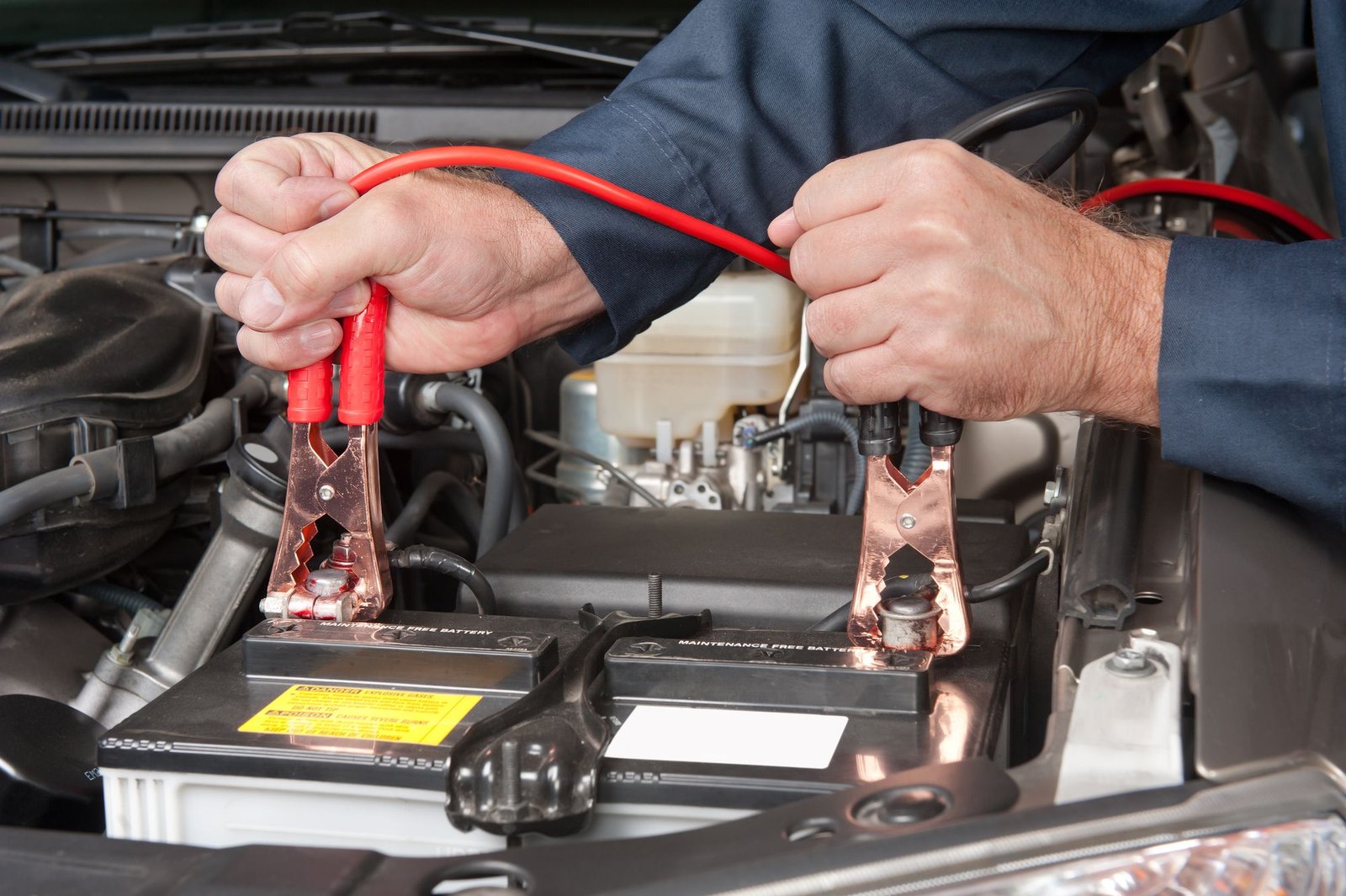
4. Try Jump Starting
Use jumper cables and another car to try starting your vehicle. If it starts, the battery is likely the problem.
5. Check Fuel Level And Smell
Look at the gauge. If you smell strong gasoline near the car, there could be a leak.
6. Listen For The Fuel Pump
When you turn the key to “on,” you should hear a faint whirring from the fuel tank area for 2–3 seconds. Silence can mean a bad fuel pump.
7. Look For Rodent Damage
Shine a flashlight into the engine bay and under the car for chewed wires or nests.
8. Scan For Error Codes
If you have an OBD-II scanner, plug it in to read any trouble codes. Many auto parts stores will check for free.
This process helps narrow down the cause so you can fix it or decide if a mechanic is needed.
What To Do If Your Car Won’t Start After Sitting
Once you have an idea of what’s wrong, you can try specific solutions. Here are practical steps based on the most common causes:
Jump Start The Battery
Most cars that won’t start after sitting just need a jump start. Use jumper cables and another running car:
- Connect red to positive (+), black to negative (-) terminals.
- Start the working car, let it run a minute, then try starting yours.
- If it works, let your car run for at least 20 minutes to recharge.
Clean Battery Terminals
If you see corrosion, disconnect the battery (negative cable first), then use a wire brush and a mixture of baking soda and water to clean the terminals. Reconnect and try starting again. According to AAA’s Approved Auto Repair program, shops that employ ASE-certified or factory-trained technicians must meet strict standards for training, equipment, and customer service.
Add Fresh Fuel
If fuel is old or the tank is low, add at least 2–3 gallons of fresh gasoline. If possible, use a fuel additive designed to clean the system.
Replace Key Fob Battery
If your car uses a key fob, open it (usually with a small screwdriver) and replace the button battery inside.
Reset Security Or Sensors
Try locking and unlocking the car, or disconnecting the battery for 10 minutes to reset electronics. For advanced issues, a mechanic may need to reprogram sensors.
Inspect For Rodent Damage
If you find chewed wires, you may need a mechanic to repair or replace them. Avoid starting the car if wires are exposed, as this can cause more damage.
Call For Help
If these steps don’t work, contact a roadside assistance service or a trusted mechanic.
How Sitting Affects Different Car Types
Not all cars react the same way to sitting idle. Here’s a quick comparison of how sitting impacts various vehicle types:
| Car Type | Common Issue After Sitting | Extra Precaution Needed? |
|---|---|---|
| Gasoline | Battery drain, bad fuel | Fuel stabilizer, battery maintainer |
| Diesel | Fuel gelling, battery drain | Anti-gel additive, keep tank full |
| Electric | High-voltage battery drain | Periodic charging, avoid 0% charge |
| Hybrid | 12V and hybrid battery drain | Drive regularly, charge both batteries |
This shows that prevention steps can vary. Electric and hybrid cars need special care for their unique batteries.
Credit: www.youtube.com
Preventing The Problem: What To Do If You Won’t Drive For A While
To avoid the headache of a car that won’t start after sitting, follow these proven tips:
1. Drive Every 1–2 Weeks
Even a short 15–20 minute drive helps keep the battery and moving parts healthy.
2. Use A Battery Maintainer
Also called a trickle charger, this device keeps the battery topped up without overcharging.
3. Keep The Gas Tank At Least Half Full
This reduces condensation and keeps fuel fresh.
4. Add Fuel Stabilizer
If you expect to leave the car for more than a month, use a stabilizer to prevent fuel breakdown.
5. Check Tire Pressure
Tires lose air over time. Low tires can develop flat spots if not moved.
6. Protect Against Rodents
Park in a garage if possible, and use repellents like peppermint oil or electronic devices.
7. Cover The Car
A breathable car cover can protect paint and discourage animals.
8. Ask Someone To Start The Car
If you travel, ask a friend or neighbor to start your car once a week.
Comparison: Battery Maintainer Vs. Jump Start
When keeping your car ready to start, is it better to use a battery maintainer or just jump start when needed? Here’s a quick look:
| Method | Pros | Cons |
|---|---|---|
| Battery Maintainer | Prevents battery drain, extends battery life, set-and-forget | Needs power outlet, small upfront cost |
| Jump Start | Works in emergencies, portable | May shorten battery life, not preventive |
Using a maintainer is the best choice for long periods of inactivity.
Common Mistakes To Avoid
Many car owners make simple errors that lead to problems when the car is unused:
- Leaving electronics on: Interior lights, dash cams, or chargers slowly drain the battery.
- Ignoring warning lights: If a light appears before you park, fix it. Small issues can grow during storage.
- Waiting too long to check the car: Problems like rodents or flat tires get worse with time.
- Forgetting about the key fob battery: Even if you’re not driving, the fob battery can die.
One insight many beginners miss: batteries can drain even faster in hot weather, not just cold. Also, short trips don’t fully recharge a battery, so always allow enough driving time.

Credit: thelandautorepair.com
When To Call A Mechanic
If your car still won’t start after trying these steps, or if you see serious warning lights, it’s time for professional help. Examples of when to call a mechanic:
- Repeated jump starts don’t work.
- Electrical systems are dead even after replacing the battery.
- You hear grinding or loud noises from the engine area.
- You see large fluid leaks under the car.
A mechanic has tools and experience to quickly find and fix hidden issues, saving you time and money in the long run. For extra details about battery care and car maintenance, check trusted sources like the Wikipedia page on automobile batteries.
Frequently Asked Questions
Why Does My Car Battery Die When Not Used?
A car battery slowly loses power even when the car is off, because of small systems like alarms and computers. If the car sits too long, the battery can’t recharge and goes flat.
How Long Can A Car Sit Before The Battery Dies?
Most car batteries last 2–4 weeks without starting, but older batteries can die in just a week. Using a battery maintainer can extend this time.
Can Old Fuel Prevent My Car From Starting?
Yes, fuel can break down after a month or more, especially in hot weather or if the tank is less than half full. Old fuel doesn’t ignite well, which can stop the engine from starting.
What Should I Do If My Car Won’t Start After Sitting All Winter?
First, check the battery and connections. Add fresh fuel, and look for rodent damage. Try jump starting. If it still doesn’t work, call a mechanic to inspect the car.
Is It Bad To Let A Car Sit Unused For Months?
Yes, long periods of inactivity can damage the battery, fuel system, tires, and more. Regular short drives, a battery maintainer, and proper storage steps help keep your car healthy.
Taking good care of your car, even when you’re not driving it often, can save you from the frustration and cost of a non-starting vehicle. A little prevention goes a long way, so your car will be ready the next time you need it.
Credit: wrench.com
