
When you turn your key and the engine just won’t start, it’s frustrating. You check the battery, listen for the starter, maybe even try jumping the car. But sometimes, the cause is hidden deeper in your engine: a bad crankshaft sensor. This small part plays a huge role in how your car runs—or doesn’t run at all. Understanding how a faulty crankshaft sensor causes starting problems can save you time, money, and stress. Let’s break down what really happens, how to spot the symptoms, and what you can do next.
What Is A Crankshaft Sensor?
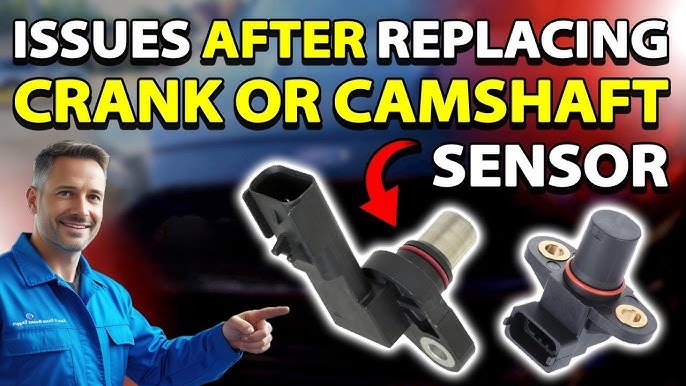
The crankshaft position sensor is an electronic device located near the crankshaft of your engine. Its main job is to monitor the position and speed of the crankshaft. It sends this information to the car’s engine control unit (ECU), which uses the data to control fuel injection, ignition timing, and other key functions. Without accurate information from this sensor, the engine can’t start or run smoothly.
There are two common types of crankshaft sensors:
- Magnetic (Variable Reluctance) Sensor: Uses magnets to detect the position of the crankshaft.
- Hall Effect Sensor: Uses electronic signals to do the same job, often more reliably.
Both types are critical for modern engines, but they can fail due to age, heat, electrical issues, or damage from oil leaks.
Why A Bad Crankshaft Sensor Stops Your Car From Starting
When the crankshaft sensor fails, the ECU cannot get the correct information about the crankshaft’s position. Here’s what happens:
- The ECU doesn’t know when to send fuel or spark to the engine.
- The engine may crank (turn over) but not fire up.
- In some cases, the car may start but stall soon after.
The crankshaft sensor is like the conductor of an orchestra. If it doesn’t send the right signals, everything else falls out of sync. The result: your car just won’t start.
Credit: www.youtube.com
Common Symptoms Of A Bad Crankshaft Sensor
If your car won’t start, a faulty crankshaft sensor often shows other signs too. Watch for these key symptoms:
- No Start Condition: The engine turns over but never fires.
- Intermittent Starting Problems: Sometimes the car starts, sometimes it doesn’t.
- Check Engine Light: The warning light may come on, often with codes related to the crankshaft sensor.
- Stalling: The engine stops running while driving, especially when hot.
- Rough Idle or Misfiring: The engine feels rough or shakes when idling.
- Reduced Power: Loss of acceleration or power, especially at higher speeds.
Noticing one or more of these can point toward a bad crankshaft sensor. However, these symptoms can also come from other problems, so proper diagnosis matters.
How To Diagnose A Bad Crankshaft Sensor
You don’t need to be a professional mechanic to start the diagnosis. Here’s how you can check for a bad crankshaft sensor:
Visual Inspection
- Look for damaged wires or connectors near the sensor.
- Check for oil leaks that might cover the sensor and cause failure.
Scan For Error Codes
Most modern cars store error codes in the ECU. Use an OBD-II scanner to check for codes like P0335 (Crankshaft Position Sensor “A” Circuit Malfunction).
Testing The Sensor
If you have some technical skill, you can test the sensor with a multimeter. Measure resistance or output voltage (details depend on sensor type). Compare your readings with your vehicle’s service manual specs.
Table: Common Crankshaft Sensor Error Codes
| Error Code | Description | What It Means |
|---|---|---|
| P0335 | Crankshaft Position Sensor “A” Circuit Malfunction | Sensor not sending signal to ECU |
| P0336 | Crankshaft Position Sensor “A” Range/Performance | Signal out of expected range |
| P0337 | Crankshaft Position Sensor “A” Circuit Low Input | Weak signal detected |
| P0338 | Crankshaft Position Sensor “A” Circuit High Input | Strong or abnormal signal |
If you find these codes, the crankshaft sensor is a likely culprit.
Difference Between Crankshaft Sensor And Camshaft Sensor Issues
Car won’t start? Sometimes, people mix up the crankshaft sensor with the camshaft position sensor. Both are important, but they do different jobs. Here’s a comparison to clear things up:
| Feature | Crankshaft Sensor | Camshaft Sensor |
|---|---|---|
| Main Function | Monitors crankshaft position | Monitors camshaft position |
| Effect on Starting | Car may not start at all | Car usually starts, but runs poorly |
| Common Symptoms | No start, stalling | Hard starting, rough idle |
| Error Codes | P0335-P0338 | P0340-P0344 |
This table shows why a bad crankshaft sensor is more likely to cause a complete no-start situation.
What Causes A Crankshaft Sensor To Go Bad?
Several factors can damage or wear out your crankshaft sensor:
- Heat: The sensor sits close to the engine and can get damaged by high temperatures over time.
- Oil Leaks: Oil from seals or gaskets can cover the sensor, affecting its signal.
- Vibration: Constant engine movement can loosen wires or damage the sensor.
- Electrical Problems: Bad wiring, corroded connectors, or a weak battery can cause the sensor to fail.
- Physical Damage: Road debris, accidents, or careless repairs can break the sensor.
Non-obvious insight: Even if the sensor itself is fine, damaged wiring or connectors can cause the same symptoms. Always check the wiring before replacing the sensor.
Credit: www.wikihow.com
How To Fix And Replace A Bad Crankshaft Sensor
If you’ve confirmed the crankshaft sensor is the problem, here’s how to replace it:
Step-by-step Replacement
- Disconnect the battery: Always start by cutting power for safety.
- Locate the sensor: Usually found near the crankshaft pulley, flywheel, or transmission bell housing.
- Remove electrical connector: Press the tab and pull it out gently.
- Unscrew the sensor: Use the proper socket or wrench.
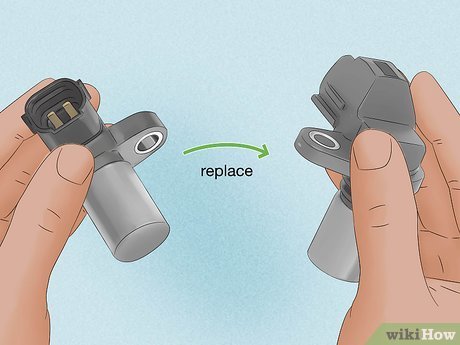
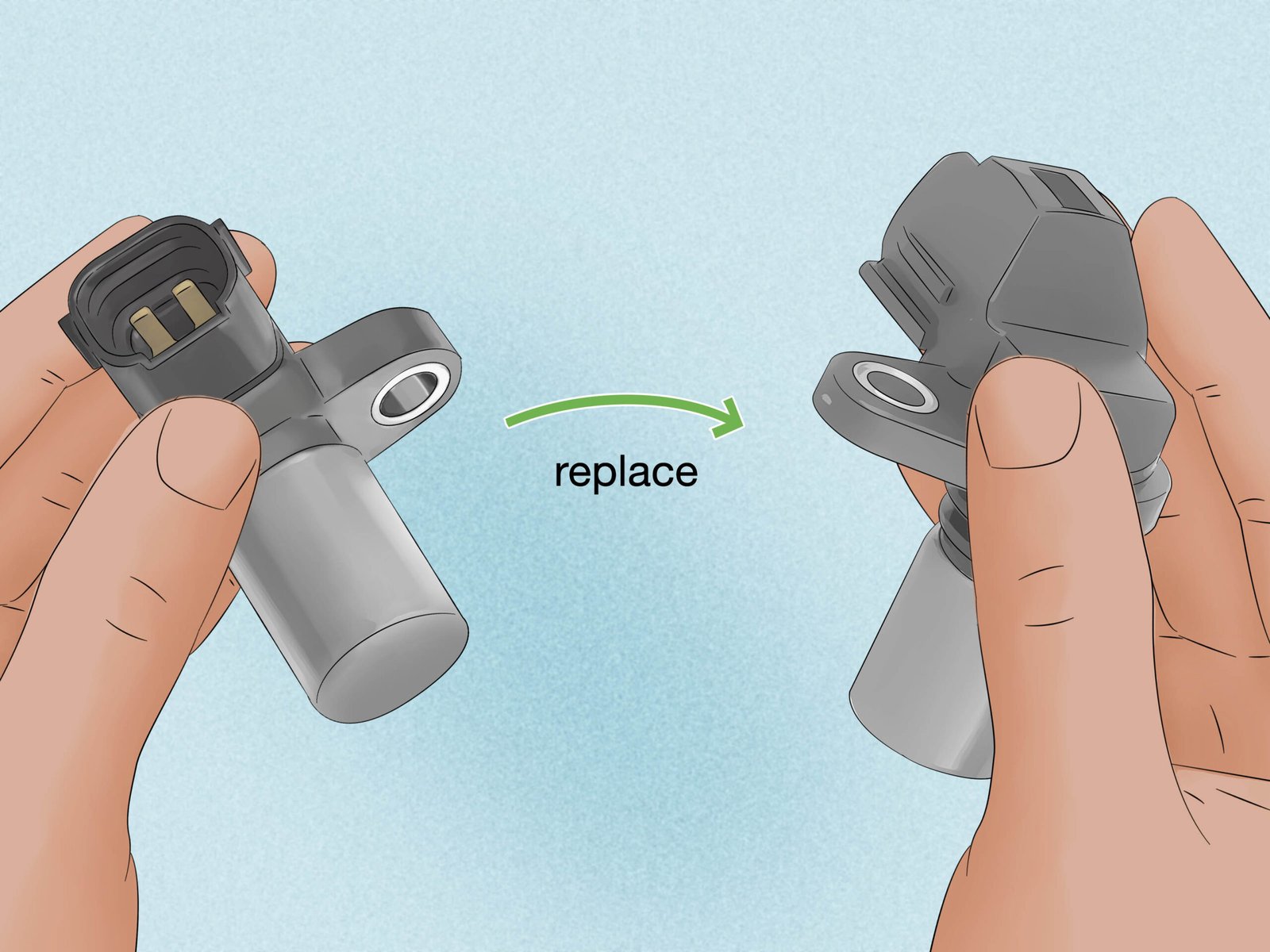
- Install the new sensor: Place it in the same spot and tighten it gently.
- Reconnect the connector: Make sure it clicks into place.
- Reconnect the battery: Start the car and check for warning lights or codes.
Table: Diy Vs. Professional Replacement
| Aspect | DIY Replacement | Professional Repair |
|---|---|---|
| Cost | $30-$100 for sensor | $150-$350 including labor |
| Time Needed | 30-90 minutes | 1-2 hours |
| Tools Required | Basic hand tools | Professional equipment |
| Risk | Possible mistakes | Low risk |
If you’re not confident, it’s best to let a mechanic handle the job—especially if your car’s sensor is hard to reach.
What Else Could Cause A Car Not To Start?
A bad crankshaft sensor is just one possible cause. Other common reasons include:
- Dead battery
- Faulty starter motor
- Bad fuel pump
- Failed ignition switch
- Blown fuse
- Empty fuel tank
Don’t overlook these basics. Many people replace parts they don’t need because they skip simple checks.
How To Prevent Crankshaft Sensor Failure
While you can’t always prevent sensor failure, you can reduce the risk with good habits:
- Fix oil leaks quickly: Oil damages sensors and wiring.
- Keep electrical connections clean: Check for corrosion and loose wires during routine maintenance.
- Avoid overheating: Make sure your cooling system works well.
- Listen for warning signs: If your car hesitates, stalls, or the check engine light comes on, get it checked.
Another non-obvious tip: When replacing a crankshaft sensor, always clear the error codes with an OBD-II scanner. Some cars won’t run right until the codes are reset.
When To Call A Professional
If you’ve checked the basics and your car still won’t start, it’s smart to get help. A professional mechanic can:
- Run advanced diagnostics
- Check for hidden wiring problems
- Test related sensors and systems
- Replace the sensor safely
Delaying repairs can cause further engine damage or leave you stranded. If you’re unsure, don’t wait—get expert help.
Additional Resources
For detailed technical guides and more information about crankshaft sensors, the Wikipedia page on crankshaft position sensors is a reliable reference.
Frequently Asked Questions
What Happens If I Drive With A Bad Crankshaft Sensor?
Driving with a bad sensor can cause stalls, poor engine performance, and possibly damage other components. In many cases, the car won’t start at all.
Can A Bad Crankshaft Sensor Drain My Battery?
No, the sensor itself doesn’t drain the battery. However, repeated attempts to start the engine can quickly drain the battery.
Is It Safe To Replace The Crankshaft Sensor Myself?
Yes, if you have basic tools and follow safety steps, you can replace it yourself. Make sure to disconnect the battery and check your car’s manual for the sensor’s location.
Will My Car Start After Replacing The Crankshaft Sensor?
If the sensor was the problem and you installed it correctly, your car should start. If it still won’t start, check for wiring issues or other related faults.
How Much Does It Cost To Replace A Crankshaft Sensor?
The sensor itself usually costs $30 to $100. Professional repair, including labor, can be $150 to $350 depending on your car model and local rates.
A bad crankshaft sensor can turn a reliable car into a no-start nightmare. Knowing the signs and how to fix them puts you back in control. With the right information, you can avoid unnecessary repairs and get back on the road faster.
Credit: www.wikihow.com