
When you turn your car’s key and hear nothing, or just a weak click, it’s easy to think the problem is big. But sometimes, the answer is simple: a blown fuse. Many drivers don’t realize that a small, inexpensive fuse can completely stop a car from starting. This can be frustrating, especially if you’re in a hurry or far from home. Understanding how fuses work, why they blow, and how to fix them can save you time, money, and stress. Let’s look closely at how a blown fuse can keep your car from starting, how to diagnose the issue, and how to fix it safely.
How Fuses Work In Your Car
Fuses are small electrical safety devices. They protect your car’s wiring and electronic parts from too much current, which can cause damage or even fire. Every car has a fuse box (sometimes two or three), usually under the dashboard and under the hood. Each fuse controls a different circuit, like the radio, headlights, or the starter system.
When too much electricity passes through a fuse, a thin metal strip inside melts and breaks the circuit. This stops power from reaching that part of your car. It’s a simple but very important way to prevent bigger problems.
Why A Blown Fuse Can Stop Your Car From Starting
Many people think a blown fuse will only affect small things like lights or the radio. But some fuses are directly connected to the systems that start your car. For example, if the starter relay fuse or ignition fuse blows, your engine won’t turn over at all.
Here are the main ways a blown fuse can stop your car from starting:
- Starter relay fuse – Sends power to the starter motor. If it blows, the starter won’t work.
- Ignition switch fuse – Controls power to the ignition system. Without it, the engine can’t start.
- Fuel pump fuse – Supplies the fuel pump with power. If it fails, fuel won’t reach the engine.
- ECU fuse – Powers the car’s computer. If it blows, the engine management system won’t work.
- Immobilizer or anti-theft fuse – Some cars have a fuse for the security system that, if blown, will prevent starting.
These fuses are critical. If any of them fails, turning the key will do nothing, or you might just hear a click.

Credit: www.ievilenergy.com
Signs That A Blown Fuse Is Preventing Your Car From Starting
Some symptoms can help you spot a blown fuse as the cause. Look for these signs:
- No sound at all when you turn the key
- Dashboard lights do not turn on
- Clicking sound but engine doesn’t turn over
- Radio, windows, or other electronics not working
- No fuel pump noise when turning the key to ON position
Keep in mind, these signs can also be caused by other issues like a dead battery or bad starter. But if you notice several electronic parts not working at once, a blown fuse is a strong possibility.
How To Find And Check Car Fuses
Checking fuses is usually quick and doesn’t need special skills. Here’s how to do it safely:
1. Find The Fuse Box
Most cars have two main fuse boxes:
- One under the hood, often near the battery
- One under the dashboard, near the driver’s left knee
Check your owner’s manual for exact locations.
2. Read The Diagram
Inside the fuse box cover or in the manual, you’ll find a diagram showing which fuse controls each circuit. Look for fuses labeled starter, ignition, fuel pump, or ECU. According to AAA’s Approved Auto Repair program, shops that employ ASE-certified or factory-trained technicians must meet strict standards for training, equipment, and customer service.
3. Remove And Inspect Fuses
Use the small plastic tool (fuse puller) usually found inside the box, or use tweezers. Pull out the suspected fuse and hold it up to the light. If the thin metal strip inside is broken or burnt, the fuse is blown.
4. Check Fuse Ratings
Fuses have numbers printed on them (like 10, 15, 20). This is the amp rating. Always replace with the same number. Using a higher rating can cause serious damage.
Example: Common Car Fuse Ratings
| Fuse Type | Amp Rating | Color |
|---|---|---|
| Starter Relay | 30A | Green |
| Ignition Switch | 15A | Blue |
| Fuel Pump | 15A | Blue |
| ECU | 10A | Red |
5. Replace The Fuse
Push a new fuse of the same rating into the slot. Make sure it fits snugly. Then try starting the car. If it starts, you’ve found the problem.
Why Do Fuses Blow? (and How To Prevent It)
Fuses are designed to blow when there’s a problem, but why does it happen? Here are the main causes:
- Short circuit – Wires touch where they shouldn’t, causing too much current.
- Faulty parts – A bad starter, fuel pump, or other part can draw too much power.
- Water intrusion – Moisture in the fuse box can cause shorts.
- Worn wiring insulation – Old wires can rub and create a short.
To prevent blown fuses:
- Keep the fuse box dry and clean.
- Never use a higher amp fuse than recommended.
- Fix worn or frayed wires right away.
- If you replace a fuse and it blows again quickly, have a mechanic check the system.
Common Fuse Locations And Their Functions
Every car is a bit different, but most use similar setups. Here is a comparison of common fuse locations and the systems they protect:
| Fuse Box Location | Main Systems Protected | Example Fuses |
|---|---|---|
| Under Hood | Engine, starter, fuel pump, ECU | Starter relay, ECU, fuel pump |
| Driver’s Side Dashboard | Interior electronics, ignition switch | Ignition, radio, windows |
| Trunk (in some models) | Rear lights, power outlets | Tail lights, cigarette lighter |
Knowing where to look saves time, especially in emergencies.
Credit: www.youtube.com
Step-by-step: What To Do If Your Car Won’t Start Because Of A Blown Fuse
If you suspect a blown fuse is stopping your car, follow these steps:
- Turn off the car and remove the key for safety.
- Open the fuse box and read the diagram inside.
- Find the fuse for starter, ignition, or fuel pump.
- Remove and check the fuse. Replace it if blown.
- Try starting the car again.
- If the new fuse blows right away, stop and call a mechanic. There is likely a bigger electrical problem.
- If the car starts, drive to a repair shop to have the system checked. Blown fuses often point to deeper issues.
Real-world Examples
Let’s look at a couple of situations where a blown fuse caused starting problems.
- Toyota Corolla 2015: Owner turned the key, but nothing happened. No dashboard lights. After checking, found the ignition fuse blown. Replaced it, and car started right up.
- Honda Civic 2012: Car cranked but did not start. Fuel pump fuse was blown. Changing the fuse fixed the problem, but it blew again next day. Mechanic found damaged wire under the back seat causing a short.
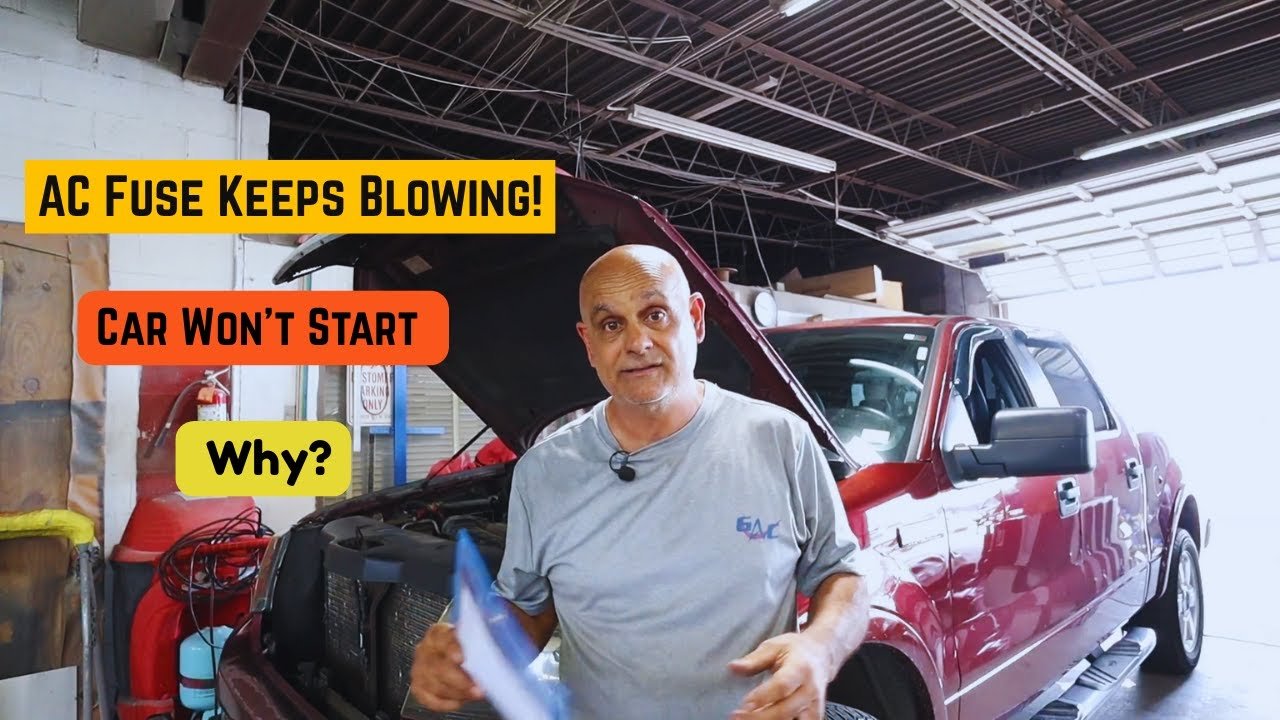
In both cases, the fuse was a clue to a deeper issue. Never ignore a fuse that keeps blowing.
Credit: www.youtube.com
Non-obvious Insights Most Drivers Miss
- Multiple fuses can blow at once if there’s a big electrical fault. Always check all related fuses, not just one.
- Aftermarket accessories (like new radios or alarms) can cause fuse problems if installed poorly. If you recently added something, check its wiring.
- Fuse testing tools: You can buy a cheap fuse tester to check fuses without removing them. This saves time and avoids damaging fuse slots.
When To See A Mechanic
If you replace a fuse and your car starts, that’s good news. But if a fuse blows again soon, or if you see signs of burning or melting around the fuse box, stop driving. This could mean a serious short circuit or fire risk.
Some problems, like water leaking into the fuse box or a bad ECU, are best handled by professionals.
Cost Of Fuse-related Repairs
Most car fuses cost between $1 and $5 each. Replacing them yourself is very cheap. But if you need a mechanic to trace electrical problems, labor can cost $80–$150 per hour. Fixing wiring or replacing parts like a fuel pump relay might add $100–$300, depending on your car.
Comparison: Do-it-yourself Vs. Professional Repair
| Repair Type | Average Cost | Time Needed | Skill Level |
|---|---|---|---|
| DIY Fuse Replacement | $1–$5 | 5–10 min | Beginner |
| Mechanic Diagnosis & Repair | $80–$300+ | 1–3 hours | Professional |
If you’re not comfortable with car electrics, or if the fuse keeps blowing, it’s safer to let a mechanic handle it.
Can A Blown Fuse Damage My Car?
A blown fuse itself won’t damage your car. It’s actually protecting your car’s wiring from bigger harm. But if you keep replacing fuses that blow again and again, you risk bigger electrical damage or even fire. Always find and fix the root cause, not just the symptom.
How To Avoid Fuse Problems In The Future
- Regularly check the fuse box for corrosion or loose fuses.
- Keep liquids away from the dashboard and floor.
- Don’t overload circuits with too many gadgets.
- Use only recommended fuse ratings.
- Have a mechanic check any new electrical accessories after installation.
These steps keep your car’s electrical system healthy and reduce the risk of being stranded.
Frequently Asked Questions
What Fuse Would Cause A Car Not To Start?
Key fuses include the starter relay fuse, ignition fuse, fuel pump fuse, and sometimes the ECU fuse. If any of these blow, your car may not start at all. Always check these first if your car is completely dead when you turn the key.
Can I Drive With A Blown Fuse?
If the blown fuse only affects non-essential items (like radio or interior lights), you can drive safely. But if it affects the starter, ignition, fuel pump, or ECU, your car won’t start or could stop running. Never drive if you suspect a fuse is blowing repeatedly.
Why Does My Car Keep Blowing The Same Fuse?
Repeated blown fuses usually mean there is a short circuit, faulty wiring, or a bad part like the starter or fuel pump. Simply replacing the fuse won’t fix the real problem. Have a mechanic inspect the system to avoid further damage.
How Do I Know If A Fuse Is Blown Without Pulling It?
You can use a fuse tester. This small tool checks for continuity (unbroken circuit) and can show if a fuse is good or bad without removing it. They are inexpensive and sold at auto parts stores.
Is It Safe To Use A Higher Amp Fuse?
No, it’s not safe. Using a fuse with a higher amp rating than recommended can let too much current flow, risking damage to wiring or causing a fire. Always use the correct fuse rating for your car.
A blown fuse stopping your car can be annoying, but it’s often a simple fix. Understanding how fuses work, knowing what to look for, and being prepared to check and replace them will help you stay safe and get back on the road faster. If in doubt, always consult your owner’s manual or a professional mechanic. For more details about car electrical systems, you can visit Wikipedia’s page on automotive fuses. Remember, small parts like fuses play a big role in keeping your car running smoothly.