
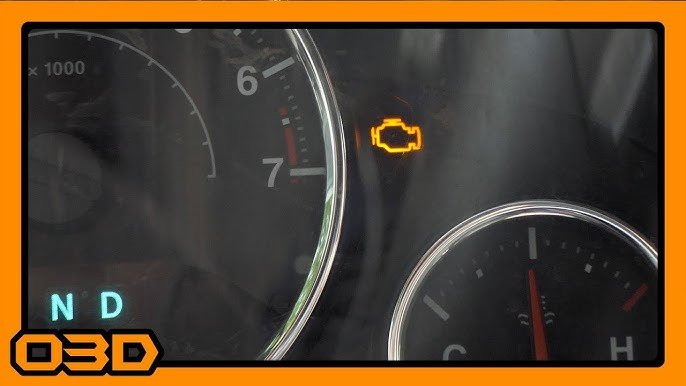
When you’re driving your Jeep and the Check Engine Light (CEL) suddenly turns on, it can feel worrying. Maybe you’re far from home or you need your Jeep for work the next day. The CEL is one of the most important warning lights on your dashboard. It tells you that your vehicle’s computer (the Engine Control Module or ECM) has found a problem. But what does it really mean? And how do you know what to do next?
Understanding Jeep check engine light codes can help you save time, money, and stress. Instead of guessing or panicking, you can make smart choices. This article explains what these codes are, how to read them, what the most common codes mean, and what you should do if your Jeep’s CEL comes on.
Whether you drive a Wrangler, Cherokee, Grand Cherokee, or another Jeep model, this guide will help you take control of the situation.
What Are Jeep Check Engine Light Codes?
When your Jeep’s computer finds something wrong, it stores a diagnostic trouble code (DTC). This code is a combination of letters and numbers. Each code tells you about a specific problem, like a faulty sensor, a misfire, or a problem with emissions.
For example, the code P0302 means “Cylinder 2 Misfire Detected.” The “P” stands for “Powertrain” (engine and transmission), and the numbers give more details. These codes follow a standard called OBD-II, which is used in most vehicles made after 1996.
You can read these codes using an OBD-II scanner. Many auto parts stores will check your codes for free. You can also buy a small scanner or use a Bluetooth adapter and your smartphone.
Why The Check Engine Light Comes On
The CEL might turn on for many reasons. Some are simple, while others are serious. Here are the most common causes:
- Loose gas cap — This is easy to fix, but it’s often missed.
- Oxygen sensor failure — A bad sensor affects fuel use and emissions.
- Catalytic converter problems — This can damage your Jeep if ignored.
- Mass airflow sensor issues — Your engine needs the right air/fuel mix.
- Spark plug or ignition coil failure — This causes misfires and power loss.
A blinking CEL is more serious than a steady light. If the light is blinking, stop driving soon and get help. It can mean engine damage is happening right now.
Credit: www.youtube.com
How To Read Jeep Check Engine Light Codes
You don’t need to be a mechanic to check your Jeep’s codes. Here’s a simple step-by-step process:
- Find the OBD-II port — Usually under the dashboard, near the steering wheel.
- Plug in the scanner — Turn your Jeep’s ignition to “On,” but don’t start the engine.
- Read the codes — Follow the scanner’s instructions. Write down any codes you see.
- Look up the code meanings — Use the scanner’s guide, the internet, or your Jeep’s manual.
Some newer Jeeps allow you to check codes without a scanner. For example, you can turn the ignition key on and off three times (without starting the engine) and the codes will show on the odometer display.
Most Common Jeep Check Engine Light Codes And What They Mean
Jeep vehicles share many common codes with other cars, but some codes happen more often in Jeeps. Here are ten of the most frequent codes and what they mean:
| Code | Meaning | Likely Cause |
|---|---|---|
| P0456 | Evaporative Emissions System Leak (small leak) | Loose gas cap or cracked hose |
| P0300 | Random/Multiple Cylinder Misfire | Spark plugs, ignition coils, or fuel injectors |
| P0420 | Catalyst System Efficiency Below Threshold | Bad catalytic converter or oxygen sensor |
| P0128 | Coolant Thermostat (Coolant Temperature Below Thermostat Regulating Temperature) | Thermostat stuck open |
| P0133 | O2 Sensor Circuit Slow Response (Bank 1, Sensor 1) | Failing oxygen sensor |
| P0340 | Camshaft Position Sensor Circuit Malfunction | Bad camshaft sensor or wiring |
| P0113 | Intake Air Temperature Sensor Circuit High Input | Sensor unplugged or faulty |
| P0442 | Evaporative Emissions System Leak (medium leak) | Fuel cap, EVAP canister, or hoses |
| P0455 | Evaporative Emissions System Leak (large leak) | Missing or loose gas cap, or broken line |
| P0562 | System Voltage Low | Bad battery or alternator |
Knowing these codes can help you decide if the problem is something you can handle or if you should visit a mechanic.
What To Do When Your Jeep’s Check Engine Light Comes On
Seeing the CEL can be stressful, but here’s a smart plan:
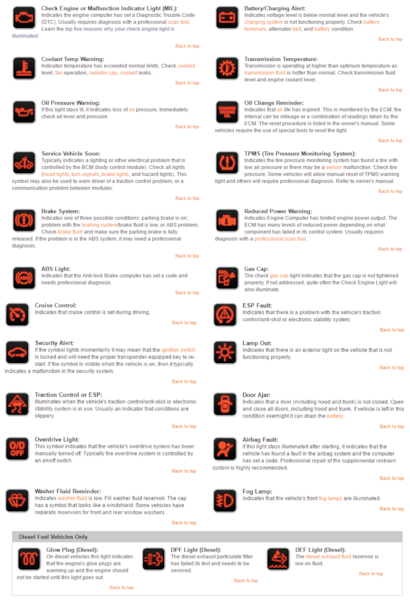
- Check your gas cap first. Make sure it’s tight. If the code is P0456, P0442, or P0455, a loose cap is often the problem.
- See if the Jeep runs differently. Is it shaking, losing power, or making strange sounds? If so, it’s best to stop driving and get professional help.
- Read the codes with a scanner. If you don’t have one, many auto parts stores will do this for free.
- Research the codes. Some problems are simple DIY fixes, like changing a gas cap or air filter. Others, like a bad catalytic converter, need a mechanic.
- Reset the light (if safe). After fixing an issue, you can clear the code with a scanner. If the problem comes back, the light will turn on again.
If the light is blinking, it means the engine is misfiring badly. This can damage your catalytic converter. Stop driving and get your Jeep checked right away.
How Jeep Codes Compare To Other Brands
Jeep uses the same OBD-II standard as most other carmakers. However, some codes are more common in Jeeps, especially those related to the EVAP system and off-road use. For example, a cracked EVAP hose is more likely in a Jeep that’s used on rough trails. According to the U.S. Environmental Protection Agency, vehicle emissions standards and onboard diagnostic systems are designed to identify problems that can increase pollution.
Here’s how common Jeep codes compare to other brands:
| Code | More Common in Jeep? | Seen in Other Brands? |
|---|---|---|
| P0456 | Yes | Yes, but less often |
| P0420 | No | Very common in all cars |
| P0300 | About average | Common in all brands |
| P0128 | Yes | Common in older vehicles |
| P0340 | Yes | Some Ford and GM cars too |
So, while many codes are universal, knowing which ones are more likely in Jeeps can help you diagnose problems faster.
How To Prevent The Check Engine Light
You can’t prevent every problem, but regular care reduces your risk. Here are key tips:
- Check and tighten your gas cap every time you fill up.
- Change spark plugs at the recommended intervals.
- Replace air and fuel filters as needed.
- Use good quality fuel and parts.
- Inspect hoses and wires for cracks or damage, especially if you drive off-road.
- Get regular oil changes and check fluid levels.
One insight many beginners miss: A weak battery can trigger codes unrelated to the battery, like sensor or voltage codes. Always check your battery health if you see strange codes.
The Hidden Details: What Beginners Often Miss
Most people know to check the gas cap or change spark plugs, but here are two less obvious tips:
- Electrical grounds matter. Jeeps, especially older models, can develop corrosion on ground wires. This causes false sensor readings and strange codes. Cleaning and tightening ground connections can fix odd problems that seem unrelated.
- Aftermarket parts can cause codes. Adding custom lights, radios, or other electronics may change the way your Jeep’s computer sees voltage. This sometimes triggers codes like P0562 (low voltage) or sensor codes. If you add new electronics and then get a check engine light, check your wiring and grounds.

Credit: www.wayalife.com
When To Visit A Mechanic
Not every CEL means a big repair bill. But some situations need expert help:
- The light is blinking or the Jeep is running very rough.
- You see multiple codes that don’t make sense together.
- You’ve fixed the obvious issues, but the light keeps returning.
- The code points to something complicated, like the catalytic converter, transmission, or ECM.
A good mechanic will use advanced tools to test sensors, wiring, and systems. They can also update your Jeep’s computer if needed.
How Mechanics Diagnose Jeep Codes
Professional shops use advanced OBD-II scanners, but they also do something called live data monitoring. This means they watch your Jeep’s sensors in real-time as the engine runs. For example, if the oxygen sensor is slow to respond, they can see the delay and confirm if it matches the code (like P0133).
Here’s a quick look at what a mechanic might check:
| Step | What It Finds | Why It Matters |
|---|---|---|
| Read Codes | Lists stored problems | Starting point for diagnosis |
| Clear Codes & Retest | See if the problem returns | Helps spot temporary vs. real issues |
| Check Live Data | Sensor values while running | Finds failing parts |
| Physical Inspection | Look for leaks, cracks, loose wires | Solves problems scanners can’t see |
Credit: www.landmarkchryslerjeep.net
Useful Resources For Jeep Owners
If you want to dig deeper into Jeep codes or repairs, the Jeep official website and forums like JeepForum.com have thousands of real owner stories and solutions. For reliable technical info, check out the OBD-II code chart from the Wikipedia OBD-II page.
Frequently Asked Questions
What Is The Most Common Check Engine Light Code For Jeeps?
The most common code is P0456, which means a small leak in the EVAP system. This is often caused by a loose or faulty gas cap.
Can I Drive My Jeep With The Check Engine Light On?
If the CEL is steady and your Jeep drives normally, you can usually drive short distances. If the light is blinking or the Jeep runs poorly, stop and get help right away.
How Do I Reset The Check Engine Light On My Jeep?
You can reset the light by fixing the problem and using an OBD-II scanner to clear the code. The light may also turn off by itself after several drive cycles if the issue is gone.
Will A Check Engine Light Fail My Vehicle Inspection?
Yes, in most states, if your Jeep’s CEL is on, you will not pass emissions inspection. Always fix the issue before getting your vehicle tested.
Can Weather Or Temperature Cause The Check Engine Light To Turn On?
Extreme cold, heat, or moisture can sometimes cause sensors to act up, leading to a temporary CEL. If the light turns off after a short time, it may have been due to weather.
Taking care of your Jeep and understanding its check engine codes helps you stay safe, avoid costly repairs, and enjoy every drive. Even if you’re not a mechanic, a little knowledge goes a long way.
