
When your car’s check engine light comes on, it’s natural to worry. One code that often confuses drivers is P0113 Intake Air Temperature Sensor High. This code points to an issue with the sensor that measures the air coming into your engine. Understanding what P0113 means, why it happens, and how to fix it can save you time, money, and stress. Let’s break down everything you need to know about this code, using simple language and clear examples.
What Is The P0113 Code?
The P0113 code is a diagnostic trouble code (DTC). When your car’s computer system (ECU) finds a problem, it stores a code. P0113 means that the intake air temperature (IAT) sensor is reporting a value that is too high. In technical terms, the sensor is giving a voltage signal that is higher than normal, which tells the computer the air is much colder than it really is.
Your engine uses the IAT sensor to decide how much fuel to use. If the sensor gives the wrong reading, the engine might run poorly, use more fuel, or even damage itself.
How The Intake Air Temperature Sensor Works
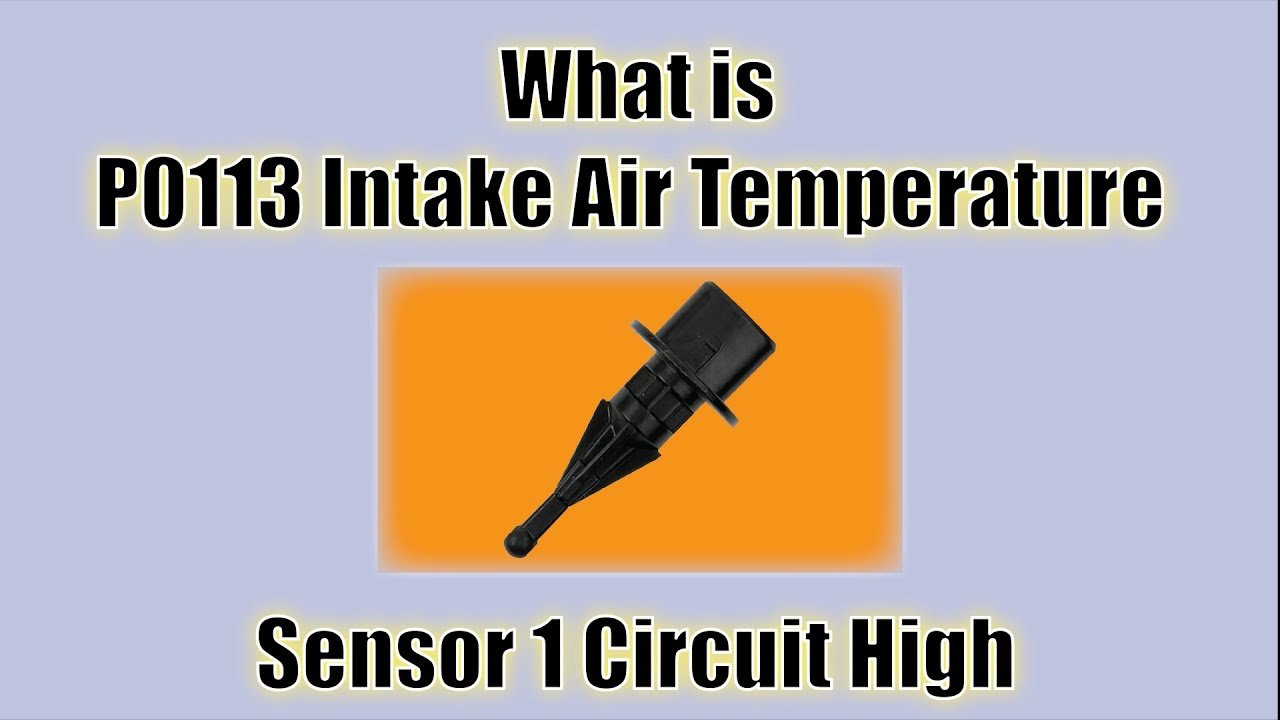
The IAT sensor measures the temperature of the air entering the engine. It’s usually a small device made of a thermistor, which changes its resistance with temperature. Colder air increases the sensor’s resistance and voltage. Warmer air lowers resistance and voltage.
The engine computer reads this voltage and adjusts the air-fuel mixture. Colder air needs more fuel, while warmer air needs less. If the computer gets a false reading, the engine might not run correctly.
Common Symptoms Of Code P0113
When P0113 appears, you might notice these symptoms:
- Check engine light stays on.
- Rough idle or engine stalling.
- Poor fuel economy (using more gas than normal).
- Hard starts when the engine is cold.
- Reduced power or hesitation during acceleration.
Not every car will show all these symptoms. Sometimes, the only sign is the check engine light.
Causes Of P0113 Intake Air Temperature Sensor High
Several problems can trigger code P0113. Here are the most common:
- Faulty IAT sensor: The sensor itself can break or wear out.
- Disconnected sensor: If the sensor plug falls off or is loose, it can’t send data.
- Damaged wiring: Broken or corroded wires can stop signals from reaching the computer.
- Open circuit: If the wire is cut or unplugged, voltage stays high.
- Shorted wiring: Wires touching each other can give false signals.
- Sensor contamination: Dirt, oil, or water on the sensor can cause incorrect readings.
- Faulty engine control unit (ECU): Very rarely, the computer itself fails.
Diagnosing The P0113 Code
A correct diagnosis helps you fix the problem without wasting money. Here’s how a mechanic or skilled DIYer might diagnose P0113:
1. Scan For Codes
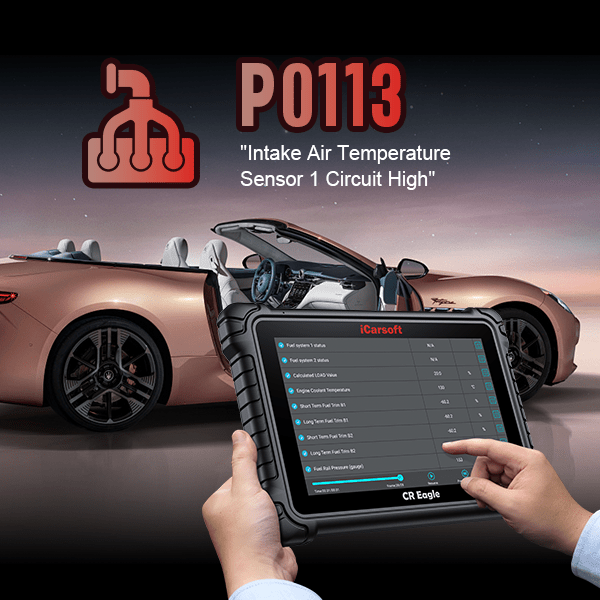
Use a diagnostic scanner to confirm the P0113 code. Some scanners also show live data, letting you see the IAT sensor reading in real time.
2. Inspect The Sensor And Wiring
Check the sensor for visible damage, loose connections, or corrosion. Examine the wiring for cracks, breaks, or exposed wires.
3. Test The Sensor
With a multimeter, check the sensor’s resistance. Compare the result to your car’s service manual. If the reading is much higher than normal, the sensor is likely bad.
4. Check For Open Circuit
Unplug the sensor and look for voltage at the connector. If there’s no voltage, the problem could be with the wiring or computer.
5. Examine The Air Intake
Dirt, oil, or debris in the air intake can affect the sensor. Make sure the air filter is clean and the intake is clear.
6. Test The Ecu (if Needed)
If all else fails, a faulty ECU is possible but rare. Most issues are with the sensor or wiring.
How To Fix P0113 Intake Air Temperature Sensor High
Fixing P0113 depends on the cause. Here’s what you can do:
1. Reconnect Or Replace The Sensor
If the sensor is unplugged, plug it back in. If it’s damaged, replace it with a new one.
2. Repair Or Replace Wiring
Fix any broken or corroded wires. Use proper connectors and insulate them well.
3. Clean The Sensor
If the sensor is dirty, gently clean it with electronic cleaner. Don’t use harsh chemicals.
4. Replace The Ecu
This is only necessary if the computer is confirmed faulty. Most of the time, this is not required.
5. Reset The Code
After repairs, use a scanner to clear the code. Then drive the car to see if the code returns.
Credit: www.youtube.com
Where Is The Iat Sensor Located?
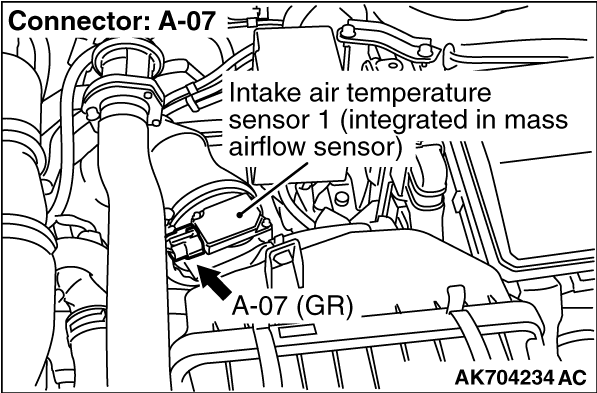
The IAT sensor is usually found near the air filter box or in the intake manifold. In some cars, it’s part of the mass air flow (MAF) sensor. Check your car’s manual for the exact location.
How Much Does It Cost To Fix P0113?
Costs can vary depending on your car and the repair needed. Here’s a general comparison:
| Repair Type | DIY Cost | Shop Cost | Time Required |
|---|---|---|---|
| IAT Sensor Replacement | $20 – $60 | $80 – $200 | 30-60 min |
| Wiring Repair | $5 – $30 | $50 – $150 | 30-90 min |
| ECU Replacement | $200 – $600 | $500 – $1500 | 2-4 hours |
Most people can fix a bad sensor or wiring at home with basic tools. ECU problems are rare and best handled by a professional.
Can You Drive With Code P0113?
You can usually drive for a short time with P0113, but it’s not recommended for long periods. The engine may run too rich (more fuel) or too lean (less fuel), causing poor performance and possibly damaging parts like the catalytic converter. Fix the problem as soon as possible to avoid bigger costs.
Preventing Future P0113 Problems
To avoid seeing this code again, follow these tips:
- Regularly check your air filter: A dirty filter can let debris reach the sensor.
- Inspect wiring during maintenance: Look for cracks, wear, or corrosion.
- Use quality replacement parts: Cheap sensors can fail quickly.
- Avoid water and oil leaks: Fluids can damage the sensor and wiring.
- Fix engine problems early: Misfires or backfires can harm sensors.
Real-world Example
A driver noticed their check engine light was on and their car started rough. A scan showed P0113. The owner checked the IAT sensor and found it had come loose after a recent air filter change. Plugging it back in fixed the issue, and the check engine light turned off after clearing the code.
In another case, a mechanic found a mouse had chewed through the wiring to the sensor. Repairing the wires solved the problem, showing that even small animals can cause trouble!
Comparing Iat Sensor Issues With Other Sensor Problems
To understand how P0113 differs from other sensor codes, see this comparison:
| Sensor Code | Sensor Type | Common Symptoms | Usual Cause |
|---|---|---|---|
| P0113 | Intake Air Temp | Poor idle, hard starts | Sensor/wiring open |
| P0101 | Mass Air Flow | Stalling, rich/lean mix | Dirty MAF sensor |
| P0128 | Coolant Temp | Slow warm-up | Stuck thermostat |
This shows why it’s important to read the code and fix the right part.
Non-obvious Insights Most Drivers Miss
Many drivers think a sensor code always means the sensor is bad. In reality, wiring issues are almost as common. Moisture, heat, and vibration can damage wires over time, even if the sensor itself is fine.
Another common mistake is ignoring the air intake system. A leak or blockage upstream can change air temperature readings and trigger codes. Always check the whole intake, not just the sensor.
Choosing A Replacement Iat Sensor
When buying a new IAT sensor, look for:
- OEM or reputable brand: These last longer and give accurate readings.
- Correct fit: Sensors are often specific to your car’s make, model, and year.
- Warranty support: Good brands offer a warranty.
Avoid the cheapest sensors, as they may not last.
Is It Safe To Diy This Repair?
Replacing an IAT sensor is one of the easiest engine repairs. Most people can do it with basic hand tools in less than an hour. Make sure the engine is cool, disconnect the battery, and handle connectors gently. If you’re not comfortable, a mechanic can help.
Advanced Testing Methods
For those with experience, you can use an OBD-II scan tool to watch live data. The intake air temperature should change as the engine warms up or when you spray cold air near the sensor. If it stays the same, the sensor is likely bad.
Credit: mitsubishitechinfo.com
When To Seek Professional Help
If you repair or replace the sensor and wiring but the code returns, the problem might be deeper. An expert can test the ECU, check for hidden wiring issues, or diagnose rare problems. Don’t keep replacing parts without a clear reason.
Resources For More Information
To learn more about engine sensors and codes, you can visit the Wikipedia page on On-board diagnostics. It offers a deep dive into how car computers and sensors work.
Credit: www.icarsoft-us.com
Frequently Asked Questions
What Does P0113 Mean In Simple Terms?
P0113 means your car’s computer thinks the air intake sensor is reporting a temperature that’s too low (or colder than it should be). This is usually because of a problem with the sensor or its wiring.
How Urgent Is It To Fix Code P0113?
It’s best to fix P0113 soon. While you can often drive for a short time, ignoring it can lead to bad fuel economy, engine damage, or more expensive repairs.
Will Clearing The Code Fix The Problem?
Clearing the code will turn off the check engine light, but if the real issue isn’t fixed, the code will come back. Always repair the cause before clearing the code.
Can A Dirty Air Filter Cause P0113?
A dirty air filter by itself won’t cause P0113, but debris or a blocked intake can affect the sensor. It’s a good idea to check and replace your air filter regularly.
Is P0113 The Same As A Mass Air Flow Sensor Problem?
No, P0113 is for the intake air temperature sensor. The mass air flow sensor has different codes (like P0101). Sometimes both sensors are combined in one unit, but the codes are different and point to different problems.
Understanding the P0113 code helps you avoid guesswork and unnecessary costs. With a careful check of your sensor and wiring, you can solve this issue and keep your engine running strong.