
What Does Engine Code P0456 Mean
Seeing the check engine light come on can be worrying, especially if you scan your car and see the code P0456. Many drivers aren’t sure what this code means or how serious it is. If you’re one of them, you’re not alone. Let’s break down what engine code P0456 really means, why it appears, how to fix it, and what to watch out for, using simple language and practical advice.
What Is Engine Code P0456?
Engine code P0456 is a diagnostic trouble code (DTC) that stands for Evaporative Emission System Leak Detected (very small leak). This code appears when your car’s onboard computer (ECU) detects a small leak, usually less than 0.020 inches, in the EVAP system. The EVAP system captures and recycles gasoline vapors from the fuel tank to prevent them from escaping into the air.
When the system finds a leak, it triggers the check engine light and stores the P0456 code. While this issue doesn’t directly affect driving safety, it does have an impact on emissions and can be a sign of a small but persistent problem.
How The Evap System Works
To understand P0456, it helps to know the basics of the EVAP system. This system is designed to trap fuel vapors and send them to the engine to be burned, instead of letting them escape into the atmosphere. Key parts include:
- Fuel tank
- Charcoal canister
- Purge valve
- Vent valve
- Various hoses and seals
If any of these parts develop a leak, even a tiny one, your car’s sensors can detect it and set the P0456 code.
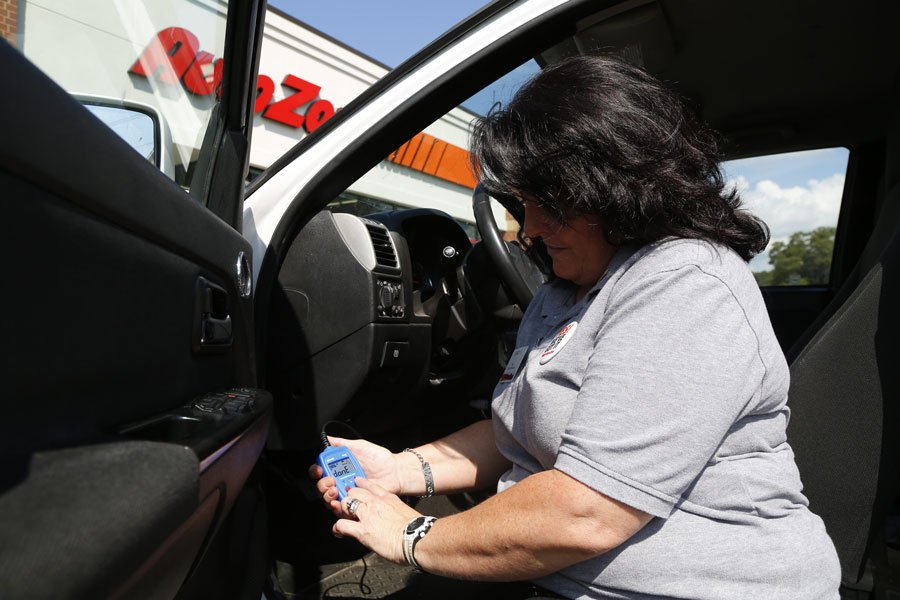
Credit: www.autozone.com
Common Causes Of P0456
There are several possible reasons why the P0456 code appears. Some are easy to fix, while others need more time and skill.
1. Loose Or Faulty Gas Cap
One of the most common causes is a loose, broken, or missing gas cap. The gas cap seals the fuel system. If it’s not tight, vapors can leak.
2. Cracked Or Damaged Evap Hoses
Over time, rubber hoses can crack from heat, age, or damage, causing leaks.
3. Defective Purge Or Vent Valve
If either of these valves sticks open or closed, it can cause a small leak.
4. Leaky Charcoal Canister
The charcoal canister can develop cracks or internal leaks.
5. Damaged Fuel Tank Or Filler Neck
Physical damage or rust in the fuel tank area can create leaks.
6. Worn Seals Or Gaskets
Seals around the fuel pump or sending unit can wear out and allow vapors to escape.
Comparison: Common Causes Of P0456
Below is a comparison of how often each cause is responsible for the code and how easy it is to fix.
| Cause | Frequency (%) | Repair Difficulty |
|---|---|---|
| Loose Gas Cap | 40% | Very Easy |
| EVAP Hose Leak | 25% | Moderate |
| Purge/Vent Valve | 15% | Moderate |
| Charcoal Canister | 10% | Difficult |
| Fuel Tank/Filler Neck | 5% | Moderate-Difficult |
| Worn Seals/Gaskets | 5% | Moderate |
Symptoms Of Code P0456
Unlike many engine codes, P0456 rarely causes noticeable symptoms while driving. Most cars drive normally, and you might not feel anything wrong. However, you may notice:
- Check engine light on the dashboard
- Slight increase in fuel smell near the car
- In some cases, slightly worse fuel economy
If you notice a strong fuel smell, you might have a larger leak or another problem, which should be checked quickly.
How Mechanics Diagnose P0456
Diagnosing a small EVAP leak can be tricky, even for professionals. Here’s how most mechanics approach it:
1. Check The Gas Cap
The mechanic will first inspect the gas cap for damage or looseness. Many times, simply tightening or replacing the cap solves the problem.
2. Visual Inspection
Next, they look for obvious signs of cracked hoses, damaged valves, or leaks around the tank.
3. Smoke Test
If the visual check isn’t enough, they’ll use a smoke machine to fill the EVAP system with harmless smoke. Any smoke that comes out points to the leak’s location.
4. Check Valves And Sensors
Using a scan tool, they test the purge and vent valves to see if they’re working correctly.
5. Test The Charcoal Canister
If all else fails, the charcoal canister and other components are checked for internal leaks.
Diagnostic Tools Used
| Tool | Purpose |
|---|---|
| OBD-II Scanner | Reads and clears codes, monitors data |
| Smoke Machine | Detects small leaks visually |
| Vacuum Pump | Tests system pressure and valve operation |
| Basic Hand Tools | For removing and inspecting parts |
How To Fix Engine Code P0456
If you want to try fixing P0456 yourself, follow these steps in order. Many times, the solution is simple.
- Tighten or Replace the Gas Cap
- Remove the gas cap, check for cracks or worn seals, and tighten it until it clicks.
- If the code returns, buy a new OEM or high-quality replacement.
- Inspect EVAP Hoses
- Look under the car near the fuel tank and along the engine bay for cracked, loose, or disconnected hoses.
- Replace any damaged hoses with the correct size.
- Check Purge and Vent Valves
- Listen for clicking sounds during startup (normal operation).
- If valves are stuck, they may need to be replaced.
- Look at the Charcoal Canister
- Check for cracks or signs of fuel saturation.
- Replace if necessary (this can be expensive).
- Inspect Fuel Tank and Filler Neck
- Look for rust, dents, or damage.
- Repair or replace as needed.
Average Repair Costs
| Repair | Average Cost (USD) |
|---|---|
| New Gas Cap | $15 – $50 |
| Replace EVAP Hose | $50 – $150 |
| Replace Purge/Vent Valve | $75 – $200 |
| Charcoal Canister | $200 – $600 |
| Fuel Tank Repair | $300 – $1000+ |
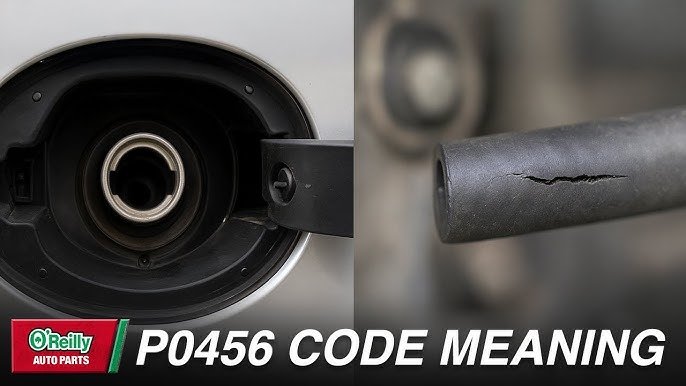
Credit: www.youtube.com
Non-obvious Insights About P0456
1. Not All Leaks Are Detected Right Away
The EVAP system only runs self-tests when certain conditions are met (like a full fuel tank and warm engine). This means you might fix a leak, but the code stays for a while until the system retests. Always clear the code after repair and wait a few days to see if it comes back. According to the U.S. Environmental Protection Agency, vehicle emissions standards and onboard diagnostic systems are designed to identify problems that can increase pollution.
2. Aftermarket Gas Caps Can Be Unreliable
Many drivers buy cheap aftermarket gas caps that don’t seal as well as original parts. This often causes the P0456 code to return. Always use a quality, vehicle-specific cap for best results.
Is It Safe To Drive With Code P0456?
In most cases, it’s safe to drive with P0456 for a short period. The leak is small and won’t cause your car to break down. However, it does increase emissions and may cause your car to fail a smog check or inspection. If you notice strong fuel smells or the check engine light starts blinking, have your car checked immediately.
Tips For Preventing P0456
- Always tighten your gas cap until you hear it click.
- Use the correct gas cap for your car.
- Avoid overfilling the gas tank (stop at the first click).
- Get regular inspections of hoses and EVAP parts, especially on older cars.
- If you live in a hot or dry climate, check rubber hoses for cracks more often.
The Importance Of Fixing P0456
Ignoring code P0456 can lead to other issues over time:
- Your car may fail emissions tests.
- Leaks can get worse and cost more to fix later.
- The check engine light may hide more serious problems if it stays on.
Fixing the problem keeps your car running clean and legal, and can prevent bigger repair bills down the road.
When To See A Professional
If you’ve checked the gas cap and inspected hoses but the code keeps returning, it’s time to visit a qualified mechanic. EVAP leaks can be hard to find, and special tools like smoke machines may be needed. Don’t waste time or money guessing—get professional help if you’re stuck.
Frequently Asked Questions
What Does Code P0456 Mean On My Car?
P0456 means your car’s computer found a very small leak in the EVAP system. This system controls fuel vapor emissions. The leak is usually very minor, but it needs to be fixed to pass emissions tests and turn off the check engine light.
Can A Loose Gas Cap Cause A P0456 Code?
Yes, a loose or faulty gas cap is the most common cause of P0456. Always check the cap first—make sure it’s tight and the seal isn’t damaged. If in doubt, replace it with a quality part.
Is P0456 Serious? Can I Keep Driving?
P0456 is usually not serious and your car will drive normally. However, it does increase pollution and may cause you to fail a smog check. If you smell gasoline or see other warning lights, get your car checked soon.
How Do Mechanics Find A Small Evap Leak?
Mechanics often use a smoke machine to find tiny leaks in the EVAP system. The smoke helps them see where vapors are escaping. They also check valves, hoses, and the gas cap for problems.
Where Can I Learn More About The Evap System And Related Codes?
You can read more about the EVAP system, OBD-II codes, and emission controls at the Wikipedia OBD-II page.
—
Understanding and fixing engine code P0456 doesn’t have to be confusing. With a little knowledge and some careful steps, you can solve the issue and keep your car running smoothly. Always start with the simple fixes, like the gas cap, and don’t be afraid to get professional help if you need it. Taking care of this small problem now can save you time, money, and stress in the future.
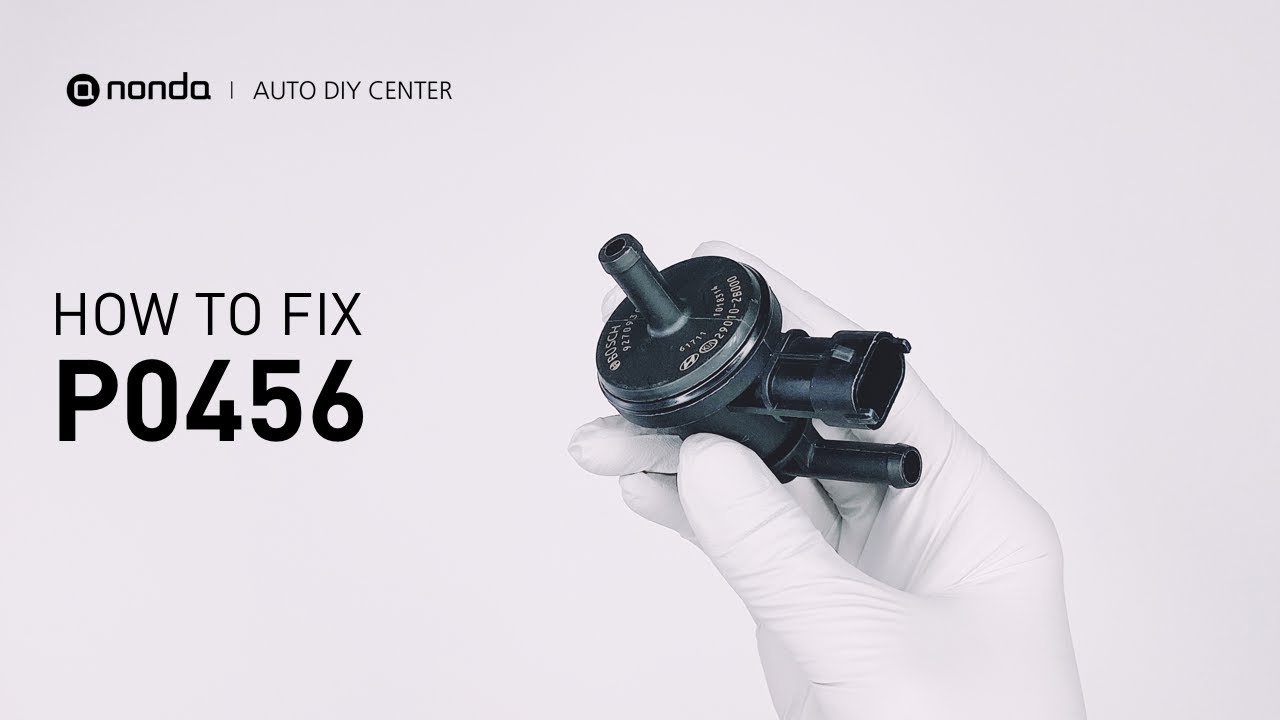
Credit: www.youtube.com