
When you check your car’s transmission fluid, the color can tell you a lot. It’s like a health report for your vehicle’s automatic transmission system. Many drivers don’t realize that transmission fluid color is not just cosmetic. It’s a key sign of how your transmission is working and whether it needs attention.
If you ignore these color changes, you might face expensive repairs or even transmission failure. Understanding what each color means can save you time, money, and stress.
Why Transmission Fluid Color Matters
Transmission fluid does many jobs. It lubricates moving parts, keeps things cool, and helps the transmission shift gears smoothly. Over time, the fluid breaks down, gets dirty, and can even cause damage if not changed. The color of the fluid is one of the easiest ways to spot problems early. Regularly checking the transmission fluid color helps you:
- Catch issues before they get serious
- Extend the life of your transmission
- Avoid costly repairs
Many car owners only think about oil changes, but transmission fluid is just as important for your vehicle’s health. If you don’t know what the colors mean, you might miss important warning signs.
What Is Transmission Fluid And Its Role?
Transmission fluid is a special oil made for automatic or manual transmissions. It’s different from engine oil. Its main jobs are:
- Lubricating gears and moving parts
- Cooling the transmission
- Cleaning by carrying away tiny debris
- Helping the vehicle shift gears smoothly
Automatic and manual transmissions use different types of fluid. Most modern cars with automatics use Automatic Transmission Fluid (ATF), which is usually red when new. Manual transmissions may use gear oil, which looks and smells different.
Transmission Fluid Color Chart: What Each Color Means
Let’s look at the most common transmission fluid colors and what each one tells you about your car’s health.
| Color | Condition | What It Means |
|---|---|---|
| Bright Red | Excellent | Fresh, clean fluid; system is healthy |
| Light Pink | Alert | Possible coolant leak; fluid is contaminated |
| Orange/Brown | Warning | Fluid is aging; needs to be changed soon |
| Dark Red | Caution | Fluid is worn; change is needed |
| Dark Brown/Black | Danger | Fluid is burnt or dirty; risk of damage |
| Yellow | Unusual | Possible wrong fluid or contamination |
Let’s break down each color in detail.
Bright Red Transmission Fluid
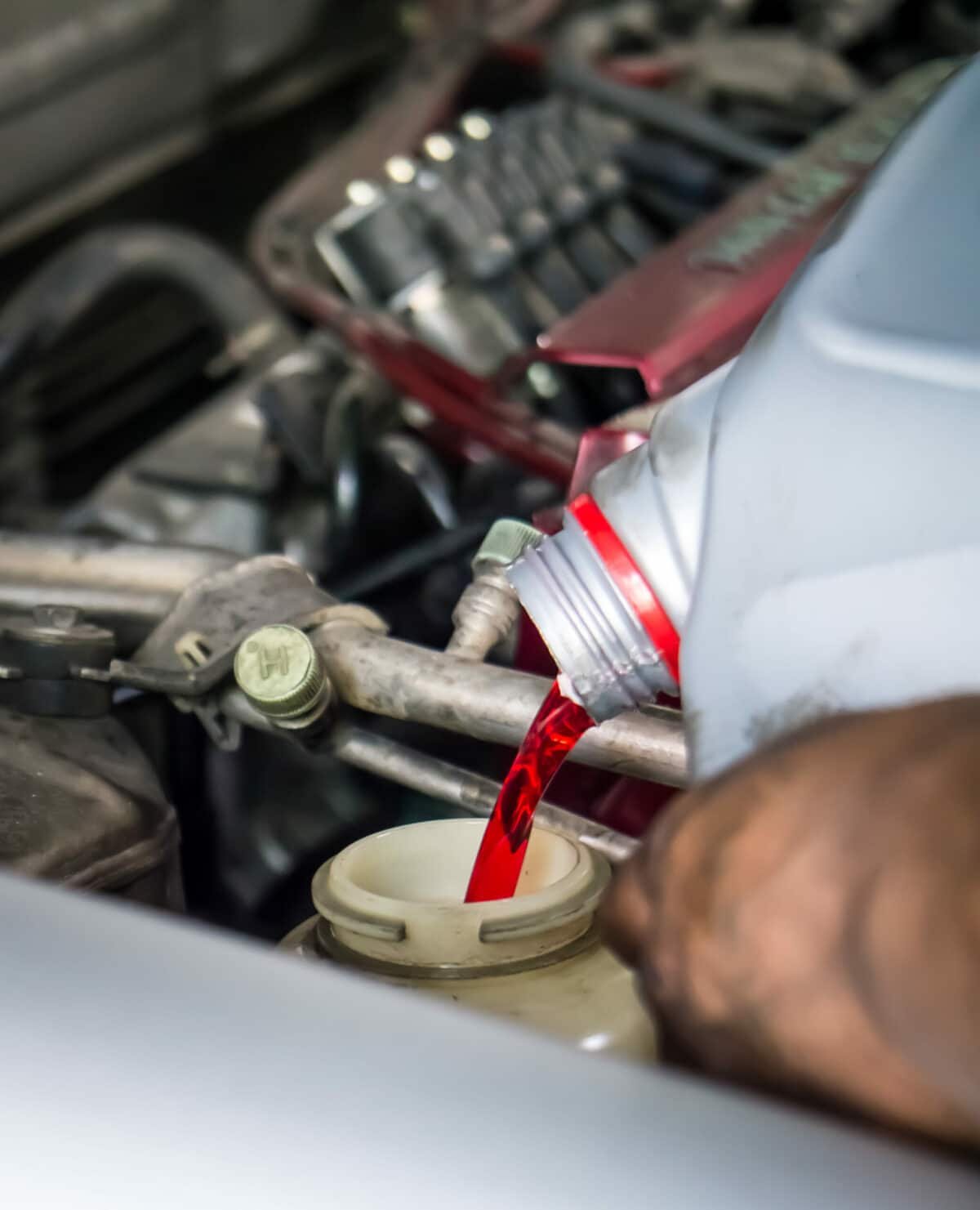
Fresh transmission fluid is almost always bright red. This color means the fluid is clean and working well. It shows that your transmission is healthy and the fluid is not contaminated. If your transmission fluid is bright red and smells a bit sweet or like petroleum, everything is normal.
What to do: Just keep checking your fluid level and color regularly. Follow your car manual for the next change.
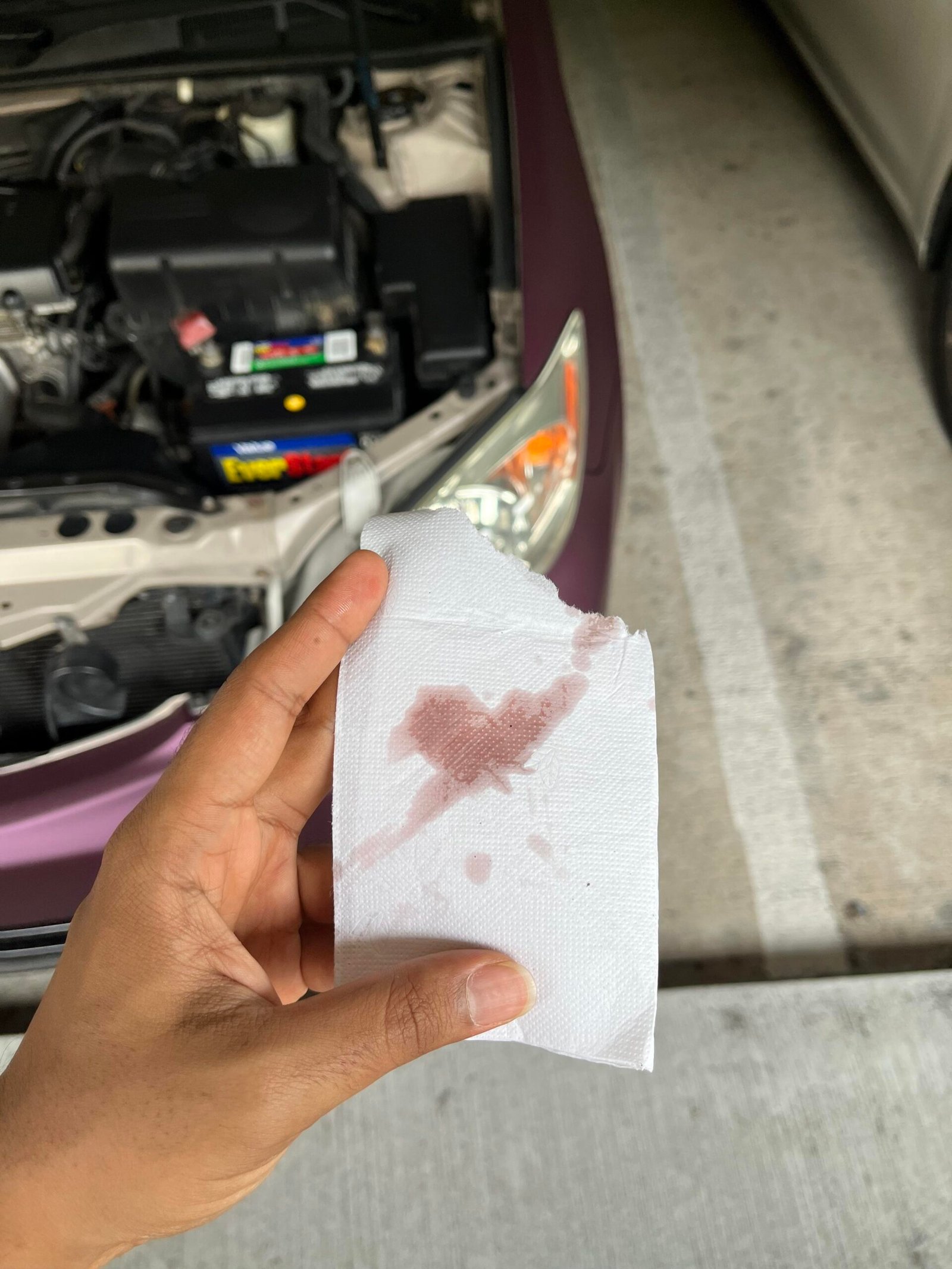
Pro tip: Always check fluid color on a clean white tissue for the best view.
Light Pink Or Milky Transmission Fluid
If you see light pink or milky fluid, it’s a sign of trouble. This usually means that water or coolant is mixing with your transmission fluid. The most common cause is a leaking radiator or a broken transmission cooler. This kind of contamination can cause your transmission to fail quickly.
What to do: Stop driving and get your car checked right away. Driving with water in the transmission can destroy it in a short time.
Non-obvious insight: Some drivers mistake pink fluid for “fresh.” In fact, pink or milky fluid is a red flag for contamination, not freshness.
Orange Or Brown Transmission Fluid
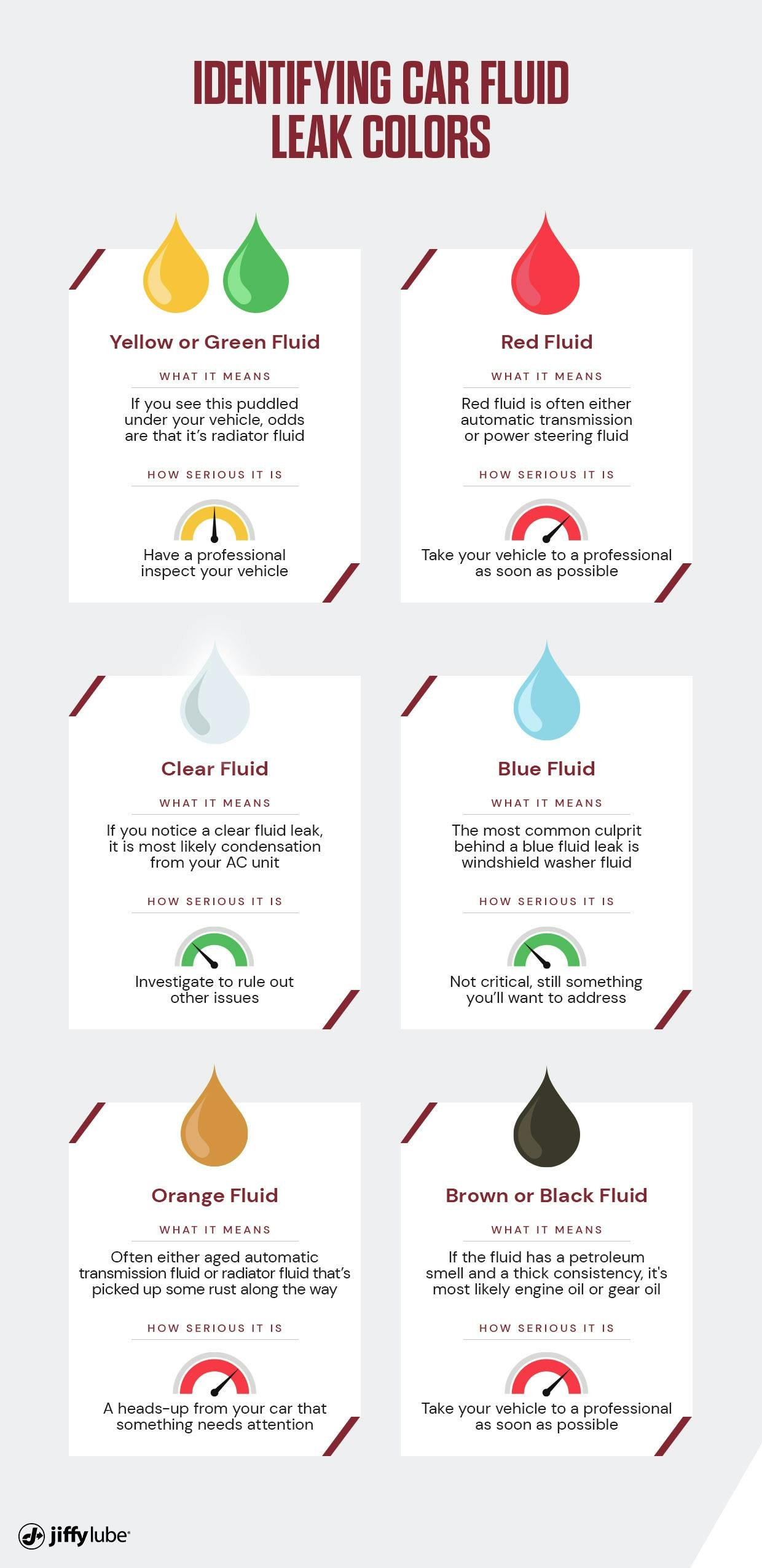
Orange or brown fluid means the transmission fluid is getting old or starting to oxidize. As it ages, it loses its ability to protect your transmission. You may also notice a slight burnt smell.
What to do: Plan to change your transmission fluid soon. If you wait too long, you risk damaging your transmission.
Data point: Most manufacturers recommend changing ATF every 30,000 to 60,000 miles. But heavy use, towing, or city driving can shorten this interval.
Credit: www.jiffylube.com
Dark Red Transmission Fluid
Dark red fluid is a warning that your transmission fluid is worn out but not yet burnt. The color darkens as the fluid picks up dirt, metal shavings, and loses its original chemicals. It might still work, but it’s losing its protective qualities.
What to do: Schedule a fluid change as soon as possible. This is your last warning before the fluid becomes harmful.
Example: If you check your fluid and it’s dark red, don’t ignore it. This is the color most often missed by beginners, who think “it’s still red, so it’s fine.”
Dark Brown Or Black Transmission Fluid
Dark brown or black fluid is a serious sign. This color usually means the fluid is burnt, overloaded with contaminants, and no longer able to protect your transmission. It may also smell bad, like burnt toast. At this stage, you may already notice rough shifting or slipping gears.
What to do: Change the fluid immediately. If you see black fluid more than once, have your transmission inspected. Continuous black fluid could mean internal damage.
Non-obvious insight: If the fluid is black and gritty, a simple fluid change may not be enough. You may need a full transmission flush or even repairs.
Yellow Transmission Fluid
Yellow is not a normal color for transmission fluid. If your fluid looks yellow, it may be:
- The wrong type of fluid added by mistake
- Contaminated with another fluid (like brake fluid or engine oil)
What to do: Have your car checked to confirm the correct fluid is used. Mixing fluids can harm your transmission and void warranties.
Transmission Fluid Condition Vs. Vehicle Symptoms
Sometimes, you notice odd shifting or slipping before seeing a color change. But in many cases, the color is the first warning. Here’s how fluid color matches common symptoms.
| Fluid Color | Possible Symptoms |
|---|---|
| Bright Red | No symptoms; normal shifting |
| Orange/Brown | Delayed shifting, slight slipping |
| Black | Hard shifting, slipping, strange noises |
| Pink/Milky | Transmission may not move, overheating |
How To Check Transmission Fluid Color
Checking your transmission fluid is easy in most cars. Here’s how:
- Park your car on level ground. Engage the parking brake.
- Start the engine and let it reach normal temperature.
- Find the transmission dipstick (usually labeled and near the engine).
- Pull out the dipstick and wipe it with a clean white tissue.
- Insert the dipstick again, then pull it out and check the color and level.
- Smell the fluid. Burnt odor is a warning sign.
Practical tip: Some new cars don’t have a transmission dipstick. In this case, you may need a mechanic to check the fluid.
What Affects Transmission Fluid Color?
Not all color changes mean the same thing for every car. Here’s what affects transmission fluid color:
- Driving style: Heavy loads and towing heat up fluid faster.
- Climate: Hot weather breaks down fluid quicker.
- Mileage: Older cars tend to have darker fluid due to normal wear.
- Maintenance: Regular fluid changes keep color bright longer.
- Fluid type: Synthetic fluids may change color at a different rate than regular ATF.
Credit: gearstar.com
What To Do If You Find Bad Transmission Fluid Color
If you find anything other than bright red fluid, act quickly. Here’s what you should do for each situation:
- Pink/milky: Stop driving. Get your car checked for leaks.
- Orange/brown: Schedule a fluid change soon.
- Dark red: Change the fluid now.
- Black: Change fluid and have the transmission inspected.
- Yellow: Make sure the correct fluid is used.
Ignoring color changes is a common beginner mistake. Even if your car seems to drive fine, old or contaminated fluid can cause hidden damage.
Can You Fix Bad Transmission Fluid Color Yourself?
Changing transmission fluid is possible for many car owners. But there are risks:
- Draining only part of the fluid may not remove all contaminants.
- Some transmissions need special procedures to refill fluid.
- Using the wrong fluid can cause serious problems.
If you’re not sure, it’s best to let a professional handle it. For advanced advice, you can check trusted sources like Wikipedia’s transmission fluid page.
Credit: www.reddit.com
Myths And Mistakes About Transmission Fluid Color
Many people believe myths that can harm their cars:
- Myth: “If it’s still red, it’s fine.”
*Reality:* Even dark red means the fluid is worn out.
- Myth: “You never need to change transmission fluid.”
*Reality:* All fluids wear out and need replacing.
- Myth: “Any automatic transmission fluid will work.”
*Reality:* Each car needs a specific fluid type.
Transmission Fluid Color In Manual Vs Automatic Cars
Manual transmissions often use a different type of oil. It’s usually thicker and may be amber or light brown when new. Don’t confuse the color with automatic fluid. Always check your owner’s manual.
How Often Should You Check And Change Transmission Fluid?
- Check fluid: Every 3,000 to 5,000 miles or with every oil change.
- Change fluid: Every 30,000 to 60,000 miles for most cars. Some newer models have longer intervals, but check your manual.
Frequently Asked Questions
What If My Transmission Fluid Looks Foamy?
Foamy fluid usually means air or water has entered the system. This can lead to poor shifting and damage. Get your car checked immediately.
Can I Mix Different Brands Of Transmission Fluid?
It’s not recommended. Mixing fluids can cause chemical reactions and damage your transmission. Always use the fluid type specified by your car maker.
What Should Transmission Fluid Smell Like?
Fresh fluid has a slightly sweet or petroleum-like smell. If it smells burnt or sour, it’s time for a change.
Is It Safe To Drive With Brown Or Black Transmission Fluid?
No. Brown or black fluid means your transmission is at risk. Driving further can cause expensive damage.
Why Is My Transmission Fluid Leaking?
Leaks can come from worn seals, broken gaskets, or loose pans. If you see red or pink fluid under your car, have it checked right away.
Understanding transmission fluid color meaning is one of the easiest ways to keep your car in top shape. With regular checks and quick action, you can avoid most transmission problems and enjoy smoother driving for years to come. Don’t ignore what your transmission fluid is telling you—your car will thank you for it.