
Your car’s dashboard suddenly flashes a check engine light. It’s an uneasy feeling—should you keep driving, call a mechanic, or worry about your wallet? For many drivers, the next thought is: “Will my warranty cover this?” Check Engine Light Warranty Coverage is a topic full of confusion, myths, and fine print. Knowing what’s included, what isn’t, and what steps to take can save you money and stress.
Let’s break down what you need to know, from basic coverage to common scenarios, and reveal tips most car owners miss.
What Does The Check Engine Light Mean?
The check engine light is a warning sign. It means your car’s onboard computer has detected a problem with the engine or its related systems. Sometimes it’s a minor issue, like a loose gas cap. Other times, it points to serious problems, such as a failing catalytic converter.
Modern cars use an On-Board Diagnostics (OBD) system. When the system finds something unusual, it stores a code and lights up your dashboard. Mechanics use scanners to read these codes and figure out what’s wrong.
Common Reasons For The Check Engine Light
- Loose or damaged gas cap
- Oxygen sensor failure
- Catalytic converter problems
- Spark plug or ignition coil failure
- Mass airflow sensor issues
- Exhaust gas recirculation (EGR) valve fault
- Evaporative emission system leak
It’s important to remember that the light itself is not the problem. It’s a signal to check the real issue.
Types Of Warranties That May Cover The Check Engine Light
Not all warranties are the same. What’s covered depends on the type of warranty you have, the age and mileage of your car, and the specific problem that triggered the light.
Manufacturer’s Basic Warranty (bumper-to-bumper)
This is often called the new car warranty and typically lasts 3 years or 36,000 miles, whichever comes first. It covers almost all parts of the car, except for items that wear out (like brakes and tires).
Powertrain Warranty
The powertrain warranty lasts longer—often 5 years or 60,000 miles. It covers the engine, transmission, and drivetrain. If the check engine light is caused by a problem with these parts, repairs are likely covered.
Emissions Warranty
All cars sold in the United States come with an emissions warranty by law. This usually covers certain parts for 2 years or 24,000 miles, but some components (like the catalytic converter and engine control module) are covered for up to 8 years or 80,000 miles.
Extended Warranty (vehicle Service Contract)
If you buy an extended warranty from the manufacturer or a third party, coverage depends on your contract. Some policies cover almost everything; others are more limited.
Certified Pre-owned (cpo) Warranty
CPO cars come with special warranties. They often add extra coverage for the powertrain or specific components. Coverage for check engine light issues depends on the CPO program details.
Federal Emissions Warranty
The U. S. government requires automakers to cover emissions-related parts for at least 2 years/24,000 miles, and some key parts for 8 years/80,000 miles. This is important for check engine lights caused by emissions problems.
What’s Usually Covered For Check Engine Light Problems?
To understand if a warranty will pay for your repair, you need to know what part failed and what caused the failure. Here’s a general guide:
| Type of Problem | Likely Warranty Coverage | Example Parts |
|---|---|---|
| Engine/Powertrain issue | Powertrain warranty | Pistons, crankshaft, timing chain |
| Emissions system failure | Emissions warranty | Catalytic converter, O2 sensor, ECM |
| Electrical/control system | Basic or extended warranty | Ignition coil, wiring, sensors |
| Wear-and-tear item | Not covered | Spark plugs, filters |
What’s Not Covered By Warranties?
Even the best warranty won’t cover everything. Here are common situations where you’ll pay out of pocket:
- Wear-and-tear parts: Items like spark plugs, belts, and filters usually aren’t covered.
- Damage from neglect: Skipping oil changes, using the wrong fuel, or ignoring maintenance can void coverage.
- Aftermarket parts: If the problem is caused by non-original parts or modifications, your warranty may not pay.
- Accident or misuse: Damage from crashes, racing, or other abuse isn’t covered.
- Expired warranty: If your car is too old or has too many miles, the warranty has ended.
Many drivers are surprised to find out that something as simple as a dirty air filter, if ignored too long, can cause a check engine light that isn’t covered by warranty.
Steps To Take When The Check Engine Light Comes On
If your check engine light turns on, smart action can save you time and money:
- Check your gas cap: A loose cap is a common cause. Tighten it and see if the light goes off after a few drives.
- Read your warranty booklet: Know what’s covered before you visit a mechanic.
- Visit an authorized dealer: If you’re under warranty, repairs must usually be done by an authorized shop.
- Get a diagnostic scan: Some auto parts stores will read the code for free.
- Save all paperwork: Keep repair orders and receipts in case you need to file a warranty claim.
A Practical Tip Many Miss
If your car is still drivable, don’t reset the check engine light yourself before the dealer sees it. Clearing the code can erase important data, and some dealers may deny your claim if they can’t verify the problem.
How Warranties Handle Diagnostic Costs
A common question is who pays for the diagnostic fee—the cost to find out what’s wrong. Here’s how it usually works:
- If the issue is covered by your warranty, most manufacturers or dealers will cover both the diagnosis and the repair.
- If the issue is not covered, you’ll pay for the diagnosis (often $50–$150) plus any repairs.
- Some extended warranty companies only pay for diagnosis if the repair is approved.
Always ask before agreeing to pay for diagnostics, and check your warranty’s fine print.
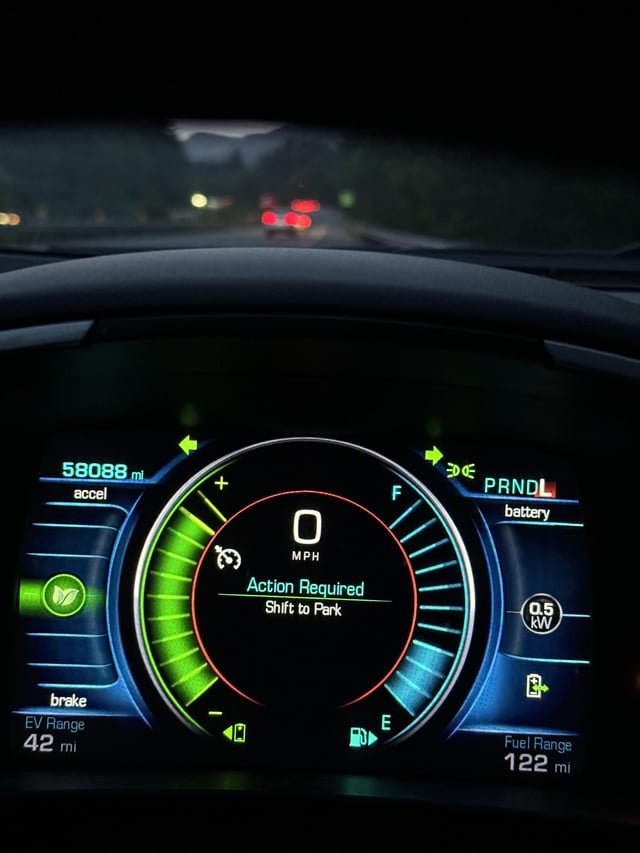
Credit: www.reddit.com
Real-world Examples Of Check Engine Light Warranty Coverage
Let’s look at a few scenarios:
Example 1: Catalytic Converter Failure
A 6-year-old car with 75,000 miles shows a check engine light. The dealer finds a failed catalytic converter. Since emissions parts are covered for 8 years/80,000 miles by federal law, the repair is free. According to the U.S. Environmental Protection Agency, vehicle emissions standards and onboard diagnostic systems are designed to identify problems that can increase pollution.
Example 2: Spark Plug Misfire
A 4-year-old car with 50,000 miles needs new spark plugs. The powertrain warranty does not cover spark plugs (a wear item), so the owner pays for the repair.
Example 3: Malfunctioning Engine Control Module
A 5-year-old car with 60,000 miles has a failing engine control module (ECM). The emissions warranty covers ECMs for up to 8 years/80,000 miles. The repair is covered.
Example 4: Aftermarket Performance Chip
A driver adds a performance chip. The car develops engine problems, and the check engine light comes on. The dealer finds the chip caused the problem and denies the warranty claim.
These examples show how important it is to know what triggered the light and how your warranty applies.
Comparing Manufacturer And Extended Warranties For Check Engine Light Coverage
Here’s a look at the main differences:
| Feature | Manufacturer Warranty | Extended Warranty |
|---|---|---|
| Who provides it? | Car maker | Third party or dealer |
| Coverage length | 3-5 years, 36k-60k miles | Up to 10 years, 100k+ miles |
| Covered repairs | Major systems, emissions | Varies by plan |
| Diagnostics included? | Usually yes | Sometimes, check contract |
| Transferable? | Often yes | Maybe (read fine print) |
Many extended warranties have more restrictions, but they can be useful for older cars.
Credit: www.torquenews.com
Two Insights Most Drivers Miss
1. Federal Emissions Coverage Lasts Longer Than Many Think
Many car owners believe warranties end after 3 years, but some emissions parts are covered for 8 years/80,000 miles. This can save you thousands on repairs like catalytic converters or engine computers.
2. Warranty Denials Often Happen Because Of Poor Records
If you can’t prove you did regular maintenance, your claim might be denied. Always keep records of oil changes, filter replacements, and any service visits.
What To Do If Your Warranty Claim Is Denied
Sometimes, a warranty claim is denied—even if you think it should be covered. Here’s what you can do:
- Ask for a written explanation: Know the reason for denial.
- Check your warranty paperwork: Make sure the part and situation aren’t excluded.
- Request a second opinion: Another dealer or repair shop may interpret the policy differently.
- Contact the manufacturer: Some automakers have customer service departments that review denied claims.
- File a complaint: In the U.S., you can contact the Federal Trade Commission for help.
It’s important to stay calm and keep good records.
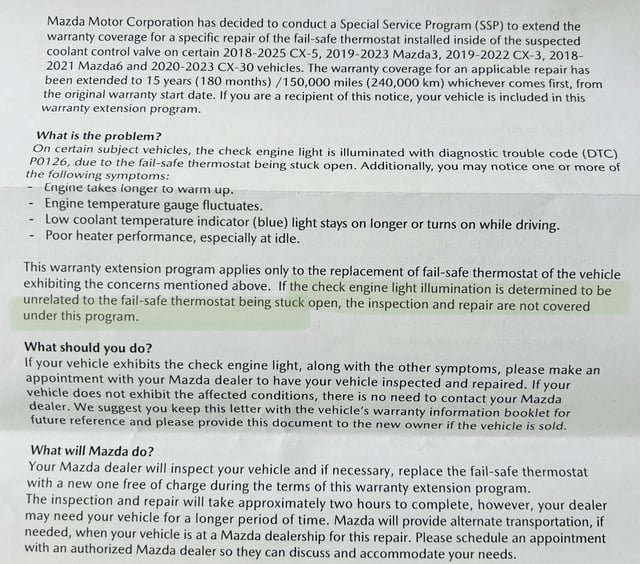
Credit: www.reddit.com
How To Maximize Your Warranty Coverage
To get the most from your check engine light warranty coverage, follow these tips:
- Read your warranty: Know what’s covered and for how long.
- Follow maintenance schedules: Skipping maintenance is a common reason for denial.
- Use authorized repair shops: For major repairs, go to the dealer or a shop approved by your warranty.
- Keep records: Save all receipts and service records.
- Act quickly: Don’t ignore the check engine light. Delaying repairs can make things worse and hurt your warranty claim.
Frequently Asked Questions
Can I Drive With The Check Engine Light On?
If the light is steady and the car runs normally, you can drive short distances. But if the light is flashing or the car runs poorly, stop driving and get help. A flashing light often means a serious problem.
Does A Warranty Cover All Check Engine Light Problems?
No. Warranties cover issues with specific parts, depending on the type of warranty. Wear-and-tear items and problems from neglect or modifications are not covered.
Will An Extended Warranty Cover Diagnostics For A Check Engine Light?
Some extended warranties cover diagnostics if the repair is approved. Always check your contract, as policies vary widely.
How Do I Know If An Emissions Warranty Covers My Repair?
Emissions warranties cover parts like the catalytic converter and engine control module for up to 8 years/80,000 miles. Check your warranty booklet or ask your dealer for details.
What Should I Do Before Making A Warranty Claim For A Check Engine Light?
Gather your service records, read your warranty booklet, and get a diagnostic scan from an authorized shop. Never clear the code yourself before repairs.
Dealing with a check engine light is stressful, but understanding your warranty can turn a frustrating surprise into an easy fix—or at least help you avoid unexpected costs. Stay informed, keep your records, and be proactive. When you know your rights and what’s covered, you’re ready for whatever your dashboard throws at you.