
If you drive a Chevy and suddenly your car won’t start, it’s frustrating—especially if you’re in a hurry or it’s cold outside. Many people face this problem every day. Understanding why a Chevy won’t start can save you time, money, and stress. Some causes are simple, like a dead battery. Others are more complex, such as problems with the fuel system or the ignition switch. In this article, you’ll find clear steps to diagnose and solve starting problems in Chevy vehicles. You’ll also learn about common mistakes and small details that even experienced drivers sometimes overlook.
Most Common Reasons Your Chevy Won’t Start
When you turn the key and nothing happens, or the engine cranks but won’t fire up, the cause can be mechanical, electrical, or even related to your car’s computer. Let’s look at the most frequent reasons:
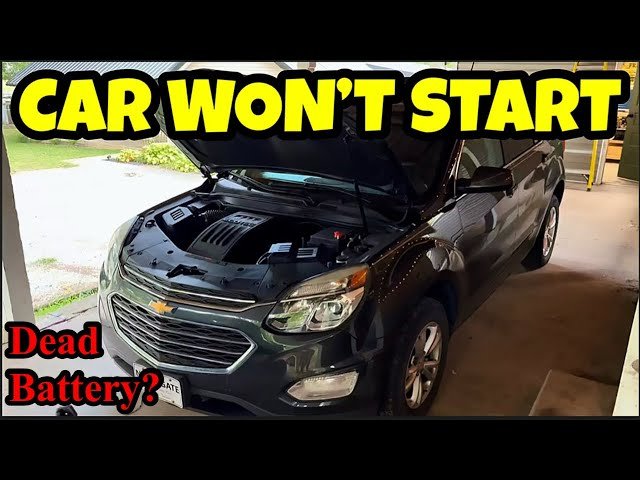
- Dead battery: This is the number one reason. Batteries last about 3–5 years. If lights are dim or clicking sounds come from the starter, the battery is likely weak or dead.
- Loose or corroded battery cables: Even a good battery won’t work if the connections are loose, dirty, or corroded.
- Faulty starter motor: Starters can fail from age or wear. If you hear a single click or nothing at all when turning the key, this could be the problem.
- Bad ignition switch: If dashboard lights don’t come on or flicker, the ignition switch may be at fault.
- Empty fuel tank: It sounds simple, but it happens more often than you think—especially if the fuel gauge is broken.
- Failing fuel pump: The fuel pump sends gas from the tank to the engine. If it fails, the engine can’t start.
- Clogged fuel filter: Dirty filters block fuel flow, stopping the engine from getting what it needs.
- Malfunctioning alternator: The alternator charges the battery when the engine is running. If it fails, the battery drains quickly.
- Broken timing belt or chain: If this breaks, the engine won’t run and can even suffer serious damage.
- Engine computer issues: Modern Chevys rely on computers. A glitch or sensor problem can keep your car from starting.
How To Diagnose A Chevy That Won’t Start
Before calling for help, you can do some basic checks yourself. These steps help you narrow down the cause:
Step 1: Listen For Clues
- No sound at all: Likely a battery or electrical issue.
- Clicking sound: Common with weak batteries or bad starters.
- Engine cranks but won’t start: Usually a fuel or ignition problem.
Step 2: Check The Battery
- Turn on headlights. If they’re dim or off, the battery is likely dead.
- Look for corrosion (white or green powder) on battery terminals.
Step 3: Test The Starter
- Try starting with headlights on. If they dim when you turn the key, the starter might be drawing power but not spinning.
- Tapping the starter gently with a tool can sometimes get it working temporarily.
Step 4: Inspect Fuel Delivery
- Turn the key to “On” without starting. Listen for a faint “whirr” sound from the fuel pump near the gas tank.
- Check the fuel gauge, and smell for strong gasoline odors that could signal a leak.
Step 5: Look For Security System Issues
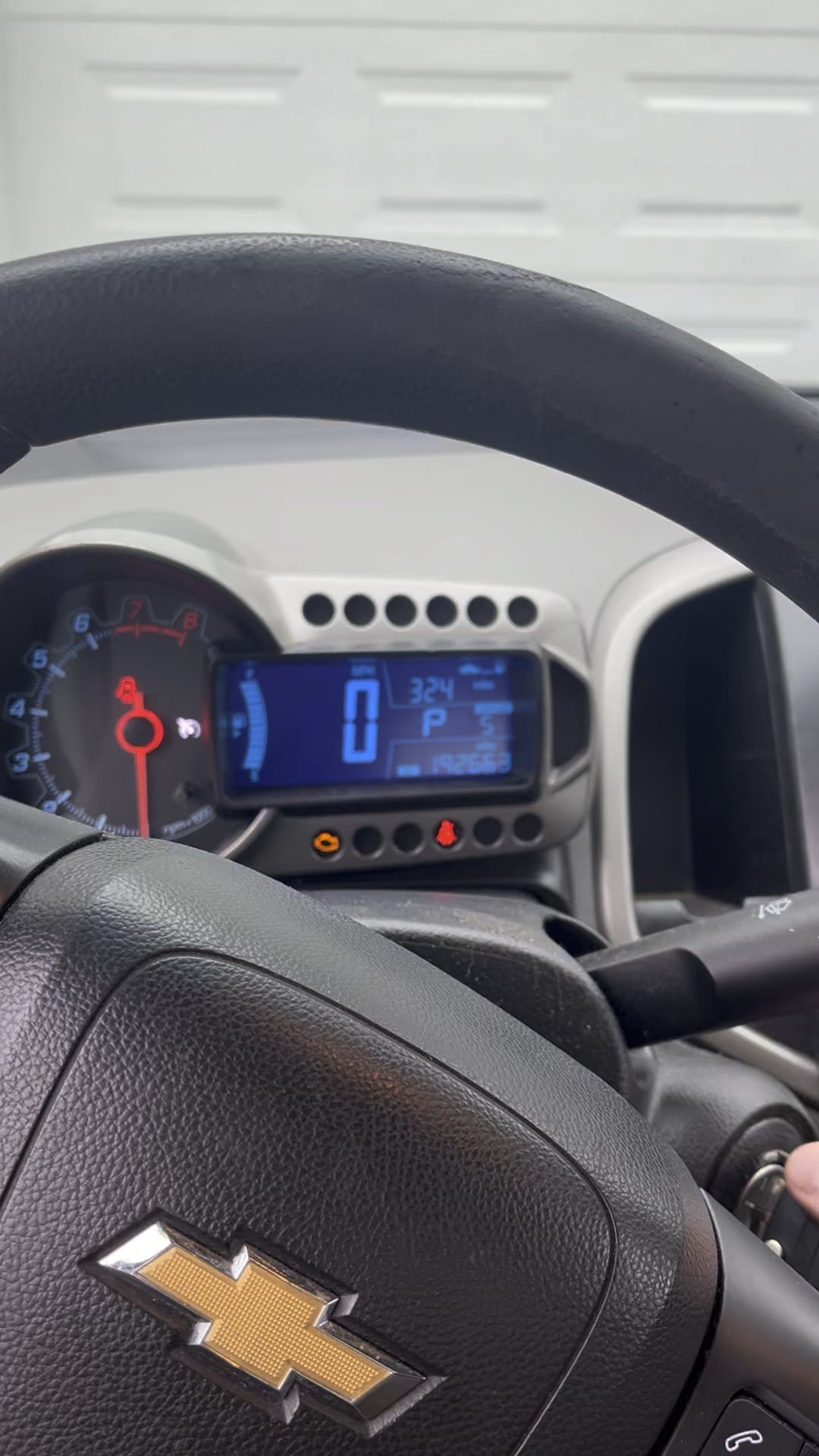
- Many Chevys have anti-theft systems. If a security light blinks, the car’s computer might be blocking the start.
Key Differences: Chevy Versus Other Brands
Chevy cars and trucks share many issues with other brands, but there are a few differences. For example, Chevys from the late 1990s and early 2000s often have Passlock or Passkey anti-theft systems, which can fail and prevent starting. Some newer Chevys have “push to start” buttons that use a key fob battery—if the fob battery dies, the car won’t start even if the main car battery is fine.
Here’s a quick comparison:
| Brand | Common Start Problem | Unique Issue |
|---|---|---|
| Chevy | Passlock anti-theft | Security system disables fuel |
| Toyota | Starter relay failure | ECU relay issues |
| Ford | Ignition switch wear | PATS transponder key problems |
Common Mistakes People Make
Solving a starting problem is often about small details. Here are mistakes drivers often make:
- Ignoring dashboard warning lights: A “check engine” or “security” light gives clues. Don’t overlook them.
- Jump-starting incorrectly: Mixing up jumper cables can damage electronics.
- Replacing the battery too soon: Sometimes, cleaning the connections is enough.
- Forgetting about the key fob: Many Chevys need a working fob battery to start.
- Not checking fuel: Gauges can be wrong, especially in older cars.
Deeper Causes: Unusual Starting Problems
Some Chevy starting issues are less obvious:
- Crankshaft position sensor failure: This sensor tells the computer when to fire the spark plugs. If it fails, the engine won’t start or may stall.
- Bad ground wire: The battery needs a solid ground to the engine and frame. Rusty or loose ground wires can stop your car from starting.
- Blown fuse or relay: Sometimes, a blown starter relay or fuel pump fuse is the only problem.
Here’s a look at which parts affect starting and how hard they are to check:
| Part | Easy to Check? | Tools Needed |
|---|---|---|
| Battery | Yes | Multimeter |
| Starter Motor | Medium | Jack, wrench |
| Crank Sensor | No | Scan tool |
| Ground Wire | Yes | Wrench |
| Fuses/Relays | Yes | Fuse puller |
Step-by-step Solutions For Chevy That Won’t Start
Follow these practical steps to fix most Chevy starting issues:
1. Jump-start The Battery
- Connect red (positive) cable to the dead battery, then to the good battery.
- Connect black (negative) cable to the good battery, then to a metal part on the dead car (not the battery).
- Try to start. If it works, let the engine run for 15–20 minutes to recharge.
2. Clean Battery Terminals
- Remove cables (negative first).
- Clean terminals with a wire brush or baking soda and water.
- Reconnect cables (positive first).
3. Test Fuses And Relays
- Open the fuse box under the hood.
- Use the diagram to find “starter” and “fuel pump” fuses.
- Replace blown fuses with the same type.
4. Check Security System
- If a “security” light is flashing, try locking and unlocking the doors with your key fob.
- Some Chevys require waiting 10 minutes with the key in “on” before the security resets.
5. Check Fuel Delivery
- If you don’t hear the fuel pump, try tapping the gas tank gently while someone turns the key. Sometimes, a stuck pump will run.
- Add a few gallons of fresh gas if the tank is low.
6. Scan For Error Codes
- Many auto parts stores will scan your Chevy’s computer for free.
- Write down any codes and look them up online or ask a mechanic.
Credit: www.youtube.com
When To Call A Mechanic
If you’ve checked the basics and your Chevy still won’t start, it’s time for expert help. Call a mechanic if:
- You see smoke, leaking fluids, or smell burning.
- The starter or alternator is hard to reach.
- The engine makes loud knocking or grinding sounds.
- You suspect timing belt or chain failure (this can ruin the engine).
A professional can use advanced tools to diagnose complex problems like computer glitches or internal engine issues.
How To Prevent Chevy Starting Problems
Prevention is better than repair. Here’s how to keep your Chevy starting reliably:
- Change the battery every 4 years or sooner if you notice slow starts.
- Clean battery terminals twice a year.
- Fill up at a quarter tank to avoid fuel pump overheating.
- Listen for new sounds—squeaks, clicks, or grinding can signal a problem.
- Replace key fob batteries every 2–3 years.
- Fix warning lights early—don’t ignore dashboard alerts.
Credit: www.reddit.com
Real-world Example: Chevy Malibu Won’t Start
A 2013 Chevy Malibu owner reports the car cranks but doesn’t start. The dashboard shows a flashing security light. After checking the battery (good), the owner tries the following:
- Locks and unlocks the doors with the fob—no change.
- Waits 10 minutes with the key in “on” position. The security light stops flashing.
- Tries to start, and the car fires up immediately.
This shows how anti-theft systems can prevent starting, even when all mechanical parts work well.
Data: How Often Do Chevys Fail To Start?
According to a 2022 AAA report, battery problems are the cause of 51% of “no start” calls in the United States, and Chevys are close to the national average. Fuel issues account for about 15%, and starter problems 7%. Chevy’s use of electronic anti-theft systems means that electrical and computer issues are slightly more common than in some other brands. According to AAA’s Approved Auto Repair program, shops that employ ASE-certified or factory-trained technicians must meet strict standards for training, equipment, and customer service.
Credit: www.youtube.com
Frequently Asked Questions
Why Does My Chevy Click But Not Start?
A single click usually means the starter motor is trying to engage, but doesn’t have enough power. This is often caused by a weak battery, bad battery cables, or a failing starter.
What Should I Do If My Chevy Cranks But Won’t Fire Up?
If the engine turns over but doesn’t start, check for fuel delivery and spark. Listen for the fuel pump and check if the security light is on. A failed sensor or empty tank can also cause this.
Can A Bad Alternator Make My Chevy Not Start?
Yes. If the alternator fails, the battery will not charge while driving. Eventually, the battery loses power and the car won’t start—even if the battery was new.
How Do I Know If My Chevy Has A Security System Problem?
A flashing security light or messages like “service theft deterrent system” on the dashboard are common signs. Try using the main key fob or waiting 10 minutes in the “on” position to reset.
Should I Use Starter Fluid If My Chevy Won’t Start?
Only use starter fluid as a last resort, and never if you suspect a security or electrical problem. It’s best for older vehicles, and using it wrongly can damage modern engines.
If you need more details on car electronics, check the official Wikipedia page on Automobile Electronics.
Getting your Chevy started can be simple or require a bit of detective work. With careful checks and a systematic approach, you can often solve the problem yourself. Remember, a little prevention goes a long way toward keeping your Chevy reliable every day.