
When you turn the key or push the start button, you expect your car to come alive. But instead, you hear a rapid clicking noise—and nothing else happens. This situation is frustrating, especially if you’re in a rush. The “car won’t start clicking noise” issue is one of the most common problems drivers face, and it often signals something specific under the hood.
Understanding why this happens, how to diagnose it, and what you can do will save you time, money, and stress.
Let’s explore the real reasons behind this clicking noise, how you can troubleshoot the problem, and what steps you should take next. Even if you’re not a car expert, you’ll find clear explanations and practical advice here.
What Does The Clicking Noise Mean?
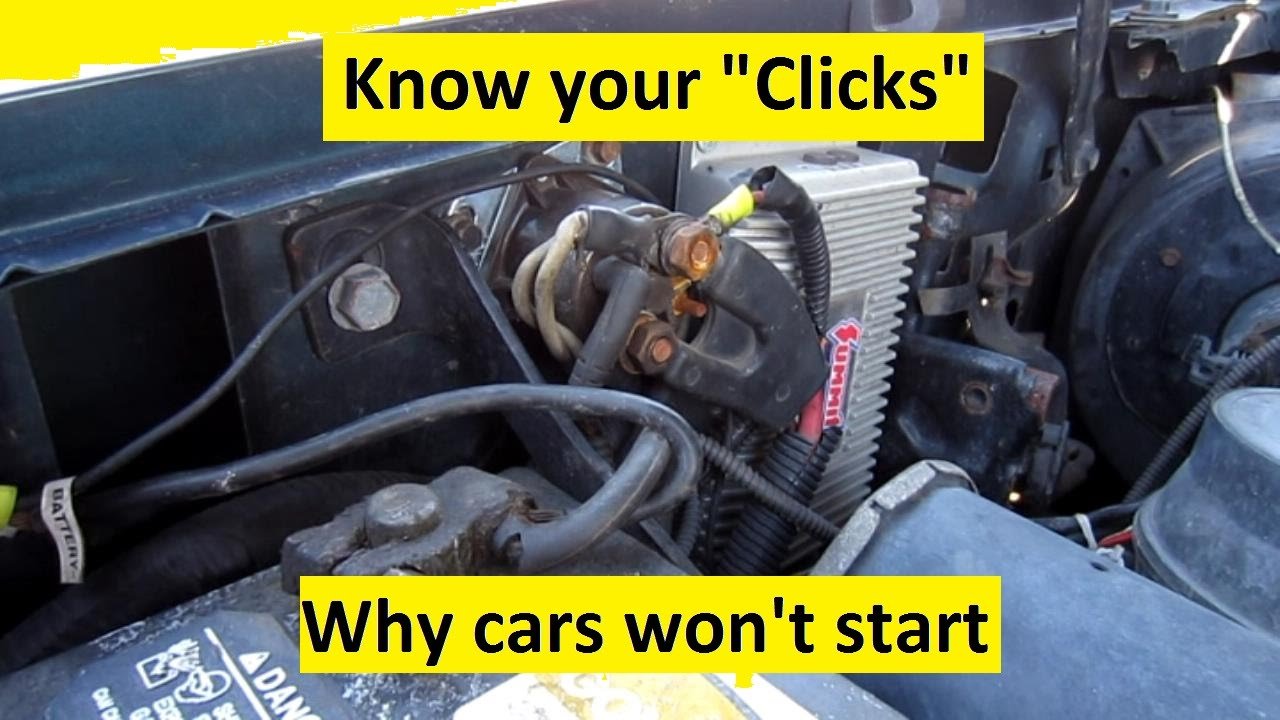
When you hear a clicking noise as you try to start your car, it usually comes from the starter motor area. The sound is a sign that electricity is reaching the starter, but the engine can’t turn over. This is different from silence (which points to a different issue), or a grinding noise (which suggests mechanical trouble). The rapid, repeating clicks often indicate an electrical problem, but not always.
Understanding what your car is “telling” you with this sound is the first step toward solving the problem.
Common Causes Of Clicking Noise When Starting
Several issues can lead to a clicking noise when starting your car. Here are the most frequent reasons:
- Dead or Weak Battery
- Corroded or Loose Battery Connections
- Faulty Starter Motor
- Bad Starter Relay or Solenoid
- Damaged or Failing Alternator
- Worn Out Ignition Switch
- Bad Ground Connection
- Seized Engine
Let’s look at each cause in detail.
1. Dead Or Weak Battery
The number one reason for a clicking noise is a dead or weak battery. If the battery doesn’t have enough power, it can’t spin the starter motor. Instead, you get a rapid clicking as the starter solenoid tries and fails to engage.
A battery can die from:
- Leaving lights or accessories on
- Old age (most car batteries last 3-5 years)
- Extreme cold or heat
Non-obvious insight: Even a battery that works for lights or radio may not have enough power for the starter, since starting the engine requires much more energy.
2. Corroded Or Loose Battery Connections
If the battery terminals are corroded or not tightly connected, electricity can’t flow well. Corrosion looks like white, blue, or green powder on the terminals. A loose cable can also interrupt the flow, causing the starter to click but not engage.
Pro tip: Sometimes, simply moving the cable with your hand can re-establish a connection and start the car—at least temporarily.
3. Faulty Starter Motor
The starter motor is what turns your engine over. If it’s worn out or has an internal fault, you may hear a single click or rapid clicks, but the engine won’t crank.
Signs of a bad starter include:
- A single loud click (not rapid)
- Smoke from under the hood
- Starter works only sometimes
4. Bad Starter Relay Or Solenoid
The starter relay or solenoid acts as a switch to send power from the battery to the starter motor. If the relay or solenoid is bad, you might hear a click as it tries to work but can’t transfer enough current.
Non-obvious insight: Sometimes, the solenoid can stick. Lightly tapping the starter with a tool (never with force) can sometimes free it for a short time.
5. Damaged Or Failing Alternator
The alternator charges the battery while you drive. If it’s not working, the battery slowly drains, leading to starting problems and clicking noises.
Key sign: If your car battery dies frequently—even after being replaced—the alternator could be the real problem.
6. Worn Out Ignition Switch
The ignition switch sends power to the starter system. If it’s faulty, power may not reach the starter or relay. This is less common, but can create a clicking noise, especially in older cars. According to AAA’s Approved Auto Repair program, shops that employ ASE-certified or factory-trained technicians must meet strict standards for training, equipment, and customer service.
7. Bad Ground Connection
Your car’s electrical system needs a good ground connection to function. If wires or ground straps are loose or corroded, it can interrupt the flow of electricity, causing starter issues.
Example: Mechanics often find corroded ground wires on older cars, especially in humid or salty climates.
8. Seized Engine
Rare but serious: A seized engine (internal parts locked up) can also make the starter click. Here, the starter tries to turn the engine, but the engine won’t budge.
Warning: If you suspect a seized engine (no oil, overheating, etc.), do NOT keep trying to start the car. You could cause more damage.
Credit: revolutionmotors.ca
Diagnosing The Clicking Noise: Step-by-step
If your car won’t start and you hear clicking, follow these steps to figure out what’s wrong. You don’t need special tools for most checks.
Step 1: Listen Carefully
- One click, then silence: Often the starter or solenoid.
- Rapid, repeated clicks: Usually a weak battery or poor connection.
Step 2: Check The Battery
- Turn on headlights. Are they dim or off? Battery is likely dead.
- Try the horn or other electronics.
- If possible, check battery voltage with a multimeter. 12.6V is full; below 12.0V is weak.
Step 3: Inspect Battery Terminals
- Open the hood. Look for white/blue/green buildup on battery posts.
- Wiggle the cables gently. If they move, they’re too loose.
Step 4: Try A Jump Start
- Use jumper cables or a jump starter. If the car starts, the battery was the issue.
- If it clicks but doesn’t start, the problem may be deeper.
Step 5: Listen For The Starter
- If you hear a loud single click, tap the starter gently with a tool.
- If the car starts, the starter is likely failing.
Step 6: Check Other Symptoms
- Frequent battery deaths? Suspect the alternator.
- Electronics work, but car won’t start? Could be starter, solenoid, or ignition switch.
Here’s a quick summary comparison:
| Symptom | Most Likely Cause | What To Do |
|---|---|---|
| Rapid clicks, dim lights | Weak battery | Jump start or charge battery |
| Single loud click | Starter/solenoid | Tap starter, check wiring |
| No lights, no sound | Dead battery or bad connection | Clean terminals, check cables |
| Battery dies often | Alternator | Test/replace alternator |
What To Do If Your Car Won’t Start (with Clicking Noise)
Once you have an idea of what’s wrong, you can take action. Here’s what you should do for each scenario:
If The Battery Is Weak Or Dead
- Try jump starting the car.
- If it starts, drive for at least 20 minutes to recharge.
- If it doesn’t hold a charge, test or replace the battery.
Tip: Don’t rely on frequent jump-starts. A failing battery will leave you stranded sooner or later.
If You Find Corroded Or Loose Connections
- Disconnect battery cables (negative first).
- Clean terminals with a brush and baking soda solution.
- Reconnect cables tightly.
Safety note: Always wear gloves and eye protection when cleaning battery terminals.
If The Starter Is The Problem
- Tapping the starter gently can sometimes help, but this is temporary.
- Have a mechanic test or replace the starter as soon as possible.
If You Suspect The Alternator
- Take your car to a parts store or mechanic. Many offer free alternator tests.
- Replace the alternator if it’s not charging properly.
If The Ignition Switch Or Relay Is Bad
- These need professional diagnosis and repair.
- In some cases, replacing the relay is simple and inexpensive.
If The Engine Is Seized
- Don’t keep trying to start the car.
- Call a mechanic or tow service.
Non-obvious insight: A “seized” engine is rare unless the car ran out of oil or was severely overheated.
Credit: www.youtube.com
How To Prevent The Clicking Noise Problem
Prevention is always better (and cheaper) than repair. Here’s how you can avoid getting stuck with a clicking noise:
- Replace the battery every 3-5 years or as recommended.
- Check and clean battery terminals twice a year.
- Watch for warning signs like slow cranking or dimming lights.
- Have your charging system tested before winter or long trips.
- Don’t ignore small electrical issues—they often get worse.
A few minutes of maintenance can save hours of trouble later.
When To Call For Professional Help
You can fix many car won’t start clicking noise issues on your own. But some problems need a mechanic:
- Starter, alternator, or ignition switch replacement
- Diagnosing complex electrical faults
- If you suspect engine damage
If your car is under warranty, always call the dealer or authorized repair center first.
Real-world Examples
Consider these real situations:
- Maria’s car clicked rapidly after sitting in the cold overnight. A jump start worked, but the battery died again. The alternator was faulty.
- Jake’s truck clicked once and didn’t start. Tapping the starter got it running, but it failed completely a week later.
- Priya’s sedan had green corrosion on the battery. After cleaning the terminals, the car started perfectly.
These examples show why careful diagnosis and quick action matter.
Cost Comparison: Common Repairs
How much will you pay to fix a car that clicks but won’t start? Here’s a rough guide:
| Repair | Average Cost (USD) | Time Required |
|---|---|---|
| Battery Replacement | $90–$250 | 15–30 minutes |
| Starter Motor Replacement | $300–$600 | 1–2 hours |
| Alternator Replacement | $350–$800 | 1–2 hours |
| Battery Terminal Cleaning | $0–$30 | 10–20 minutes |
Prices depend on your car model and where you live. Always get a quote before authorizing work.
Credit: www.youtube.com
Key Differences: Clicking Noise Vs. Other Noises
It’s important not to confuse the clicking noise with other sounds. Here’s a quick comparison:
| Sound | Possible Cause | Urgency |
|---|---|---|
| Clicking (when starting) | Battery, starter, connection | Immediate—car won’t start |
| Grinding | Starter gear or flywheel | High—can damage engine |
| Silence | Dead battery, bad switch | Immediate |
| Rapid ticking (after car runs) | Low oil, valve noise | Check soon |
Matching the sound to the problem helps you act quickly and avoid bigger repairs.
Frequently Asked Questions
Why Does My Car Make A Clicking Noise But Won’t Start?
The most common reason is a weak or dead battery. The clicking noise is the starter solenoid engaging but not getting enough power to turn the engine. Other causes include bad battery connections, a faulty starter, or an electrical problem.
Can I Drive My Car If It Clicks But Then Starts After A Jump?
You can drive, but you shouldn’t ignore the problem. If the car only starts after a jump, your battery or alternator may be failing. Have the charging system checked as soon as possible to avoid getting stranded.
How Do I Know If The Starter Or Battery Is The Problem?
Try a jump start. If the car starts, the battery is likely the issue. If it still only clicks, the starter or solenoid may be faulty. Look for other signs, like dimming lights (battery) or a single loud click (starter).
Is It Safe To Tap The Starter To Get The Car Running?
Tapping the starter can sometimes free a stuck solenoid, but it’s only a temporary solution. Use a tool with care and never hit hard parts. If the car starts, replace the starter soon to avoid being stranded.
How Often Should I Check My Car Battery?
It’s smart to check the battery and clean terminals every six months, especially before winter or a long trip. Replace your battery every 3-5 years, or sooner if you notice slow cranking or electrical issues.
If you want more in-depth information about car electrical systems, visit this Wikipedia article.
When your car won’t start and you hear a clicking noise, don’t panic. With a little knowledge, you can quickly find out what’s wrong and often get back on the road fast. Remember, small steps and regular checks keep big problems away.