
When you turn your key and your car won’t start, it’s frustrating—especially when you’re in a hurry. One of the most common but overlooked reasons for this problem is corroded battery terminals. Many drivers don’t realize how a small amount of white or bluish buildup can cause major issues. If you’ve ever found yourself with a silent engine, lights that won’t turn on, or strange clicking noises, your battery terminals might be to blame. Understanding why corrosion happens, how it affects your car, and how you can fix it quickly can save you time, money, and stress.
Why Battery Terminals Corrode
Corrosion on battery terminals is a chemical reaction. When the battery is charging or discharging, a small amount of hydrogen gas escapes from the acid inside. This gas reacts with other elements around the battery, like moisture, road salt, or even the metal in the terminals.
The result is a flaky, powdery substance—often white, blue, or greenish—that forms around the terminal posts.
Batteries with lead-acid chemistry (most car batteries) are especially prone to this. If you see a lot of corrosion, it could mean:
- Your battery is overcharging
- There’s a small leak in the battery case
- The terminals weren’t cleaned or tightened well during the last installation
Corrosion builds up slowly, so you might not notice a problem until your car refuses to start one morning.
Signs That Corroded Terminals Are The Problem
Not every “no start” is due to corrosion, but some clues point in that direction:
- Slow or no cranking: The engine is sluggish or completely silent when you turn the key.
- Clicking sound: You hear a rapid clicking, but the engine doesn’t turn over.
- Dim lights: Headlights or dashboard lights are much dimmer than usual.
- Visible corrosion: Powdery white, green, or bluish deposits on the terminals.
- Electrical glitches: Radio, windows, or other electronics act strangely.
If you see a combination of these symptoms and especially if you spot corrosion, there’s a high chance the battery connection is weak.
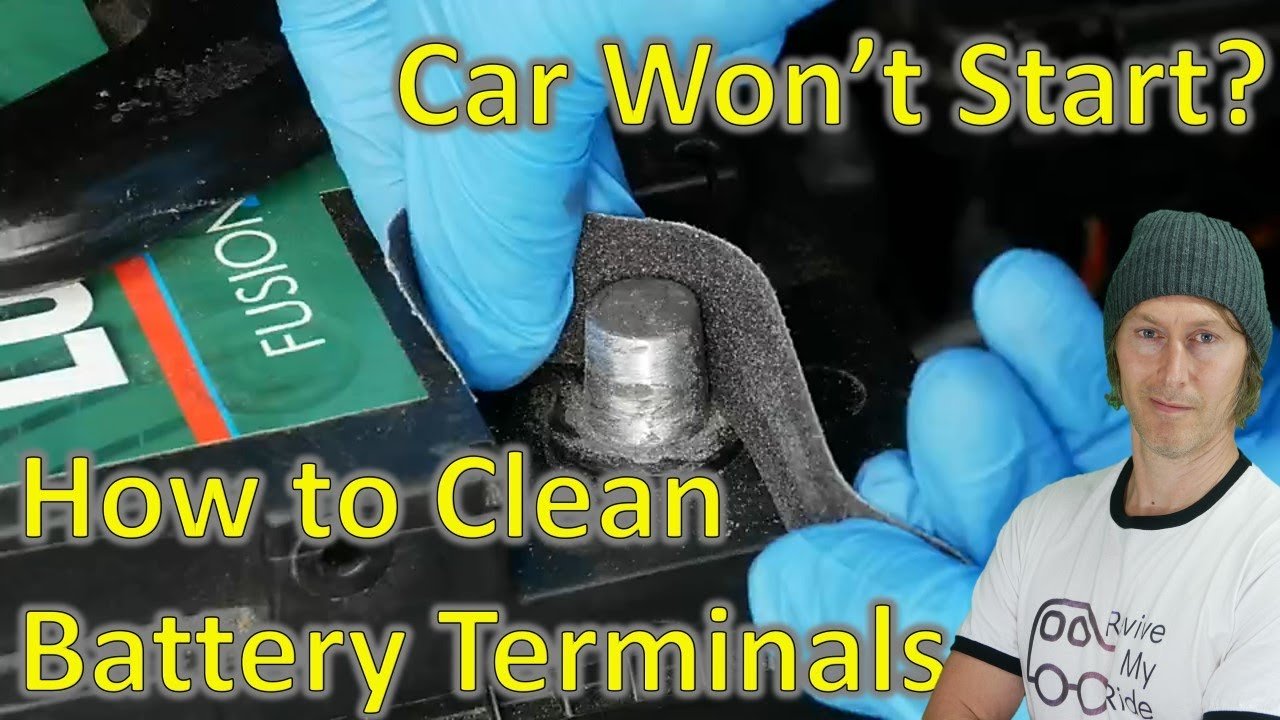
Credit: www.youtube.com
How Corroded Terminals Stop Your Car
Batteries need a strong, clean connection to deliver power to the starter and electrical system. When terminals are coated with corrosion, electricity can’t flow freely. Think of corrosion as a wall between your battery and the rest of the car.
Even if the battery is fully charged, the power doesn’t get where it’s needed.
The starter motor needs a lot of power in a short burst. If corrosion blocks the flow, you might only hear a click or nothing at all. In some cases, corrosion can also cause a battery to drain faster, leading to more frequent dead batteries.
How To Check For Corroded Battery Terminals
Checking for corrosion is simple and can often be done in under a minute:
- Turn off the car and remove the key.
- Open the hood and find the battery.
- Look at the metal posts (terminals) where the cables connect.
- Check for white, green, or blue powdery buildup around the terminals or cable clamps.
If you see any of this buildup, your terminals are corroded.
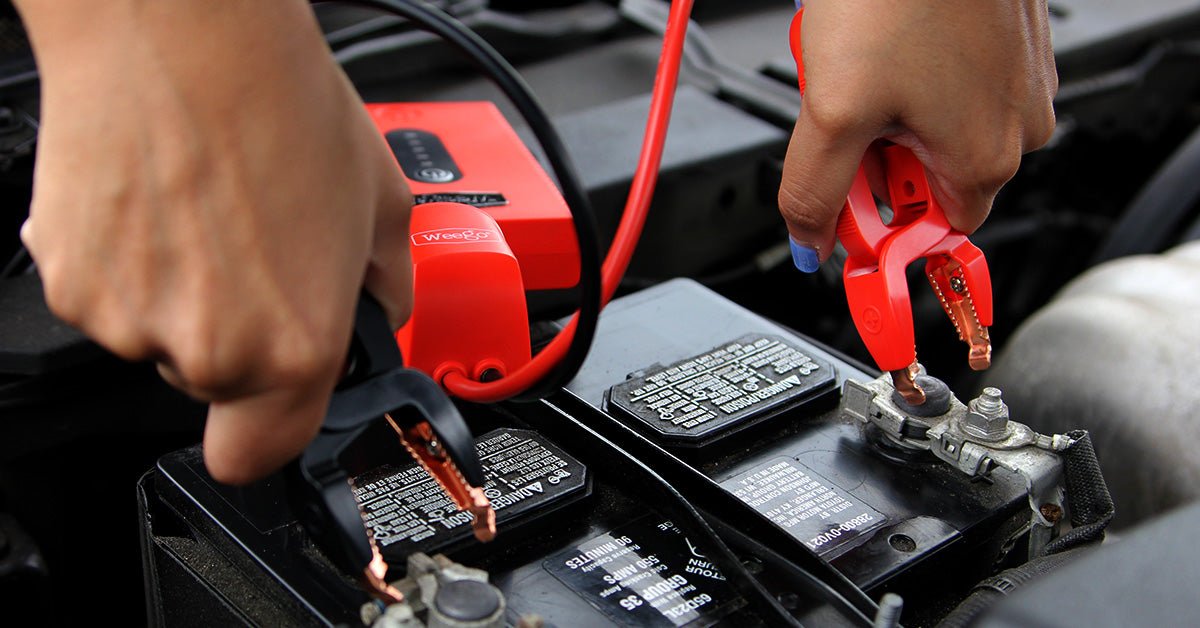
Credit: myweego.com
Step-by-step Guide To Cleaning Corroded Battery Terminals
You don’t need to be a mechanic to fix this. Here’s how you can safely clean battery terminals at home:
What You’ll Need
- Safety gloves and goggles
- Wire brush or old toothbrush
- Baking soda
- Water
- Wrench (usually 10mm)
- Clean rag
Cleaning Steps
- Turn off the car and remove the keys. Make sure everything is off.
- Wear gloves and goggles. Battery acid can irritate skin and eyes.
- Disconnect the negative cable first (usually black, marked with a “-”). Use the wrench to loosen the nut. Then disconnect the positive cable (red, marked with a “+”).
- Mix baking soda and water. A tablespoon of baking soda in a cup of water works well.
- Dip the brush in the solution and scrub the corroded areas. The mixture will fizz—this is normal.
- Rinse with clean water to remove any leftover baking soda.
- Dry the terminals with a rag.
- Reconnect the cables. Positive cable first, then negative.
- Start your car. It should crank more easily now.
Safety Tips
- Never touch both terminals at once with your hands or tools.
- Don’t let water drip onto other engine parts.
- Dispose of dirty rags and baking soda solution safely.
How To Prevent Battery Terminal Corrosion
Cleaning fixes the problem for now, but it’s better if it doesn’t happen again. Here are some ways to prevent corrosion:
- Apply petroleum jelly: After cleaning, a thin layer on each terminal can block air and moisture.
- Use anti-corrosion washers: These felt rings fit around the terminals and absorb acid.
- Check charging system: Overcharging can speed up corrosion. Make sure your alternator and voltage regulator work properly.
- Regular inspection: Look at your battery every time you change the oil or every few months.
Most drivers forget about their battery until there’s a problem. Spending a few minutes every few months can save you a lot of trouble later.
Common Mistakes When Dealing With Corroded Terminals
Many people make errors when trying to fix or prevent this issue. Avoid these common mistakes:
- Using only water to clean: Water alone doesn’t neutralize acid. Baking soda is needed.
- Leaving battery cables loose: Loose connections can cause sparks and more corrosion.
- Skipping safety gear: Battery acid is dangerous. Always use gloves and eye protection.
- Forgetting to disconnect the battery: Working on a live battery increases risk of shock or short circuit.
A surprising mistake is using cola to clean terminals. While cola can dissolve corrosion, it leaves behind sticky sugar, which attracts dirt and may cause even more problems over time. According to AAA’s Approved Auto Repair program, shops that employ ASE-certified or factory-trained technicians must meet strict standards for training, equipment, and customer service.
When To Replace The Battery Instead
Sometimes, cleaning isn’t enough. If your battery is old or damaged, you may need a new one. Look for these signs:
- Corrosion returns quickly after cleaning
- Cracks or leaks in the battery case
- Swollen or bulging sides
- Battery is more than 3-5 years old
- Car still won’t start after cleaning and charging
A failing battery can also damage other parts of your electrical system. If you’re not sure, a battery test at an auto parts store can help.
Corroded Terminals Vs. Other No-start Causes
Not every starting problem is from corrosion. Here’s a comparison of common reasons for a car not starting:
| Problem | Common Signs | Quick Check |
|---|---|---|
| Corroded Terminals | Visible buildup, dim lights, clicking sound | Look for powdery deposits on battery posts |
| Dead Battery | No lights, no sound, needs jump start | Measure voltage, try jump starting |
| Faulty Starter | Single loud click, lights work | Tap starter gently, check wiring |
| Bad Alternator | Battery dies often, warning light on | Check voltage while engine runs |
Checking for corrosion should be one of the first steps if your car won’t start, but don’t forget to rule out these other problems.
How Corroded Terminals Affect Modern Cars
Modern vehicles use more electronics than ever. Corroded terminals can cause:
- Computer errors: Weak power can confuse the car’s computer.
- Sensor malfunctions: Erratic signals from low voltage.
- False warning lights: Dashboard lights may turn on for no reason.
In some cars, even a small voltage drop can prevent the engine from starting or cause “limp mode. ” If you drive a newer car, clean terminals are even more important.
Professional Help: When To Call A Mechanic
While most people can clean battery terminals themselves, sometimes professional help is needed:
- Corrosion keeps coming back: This may signal a deeper electrical or charging problem.
- Terminals or cables are badly damaged: Cracked or broken parts should be replaced.
- Battery acid leaks: This is dangerous and needs expert attention.
- You’re not comfortable working on your car: Safety comes first.
A mechanic can also check the health of your battery, alternator, and electrical system to make sure there are no hidden issues.
Useful Products For Battery Maintenance
There are products designed to make battery care easier:
| Product Type | Purpose | How to Use |
|---|---|---|
| Anti-corrosion spray | Prevents buildup | Spray on clean terminals after installation |
| Felt washers | Absorbs acid | Place under cable clamps |
| Battery terminal cleaner | Cleans and neutralizes acid | Brush onto corrosion, then wipe off |
| Terminal protector grease | Seals out moisture | Apply thin layer after cleaning |
These tools can help you keep your battery terminals in top shape for longer.
Two Key Insights Most Beginners Miss
First, many people don’t realize that corrosion can also form between the clamp and the post, where it’s hidden from view. Even if the outside looks clean, the connection might still be weak inside. Removing and cleaning the clamps fully is crucial.
Second, battery terminal corrosion can sometimes cause intermittent problems. You may find your car starts fine one day and refuses the next. This inconsistency often leads people to replace batteries or starters unnecessarily. Regular cleaning and a little preventive care can solve many mysterious electrical issues.
The Real Cost Of Ignoring Corroded Terminals
Some drivers ignore the problem until it’s too late. Corroded terminals can:
- Leave you stranded unexpectedly
- Cause repeated battery failure
- Damage the starter or alternator
- Lead to expensive electrical repairs
A few minutes of maintenance can prevent these headaches. If you’re unsure, ask a mechanic during your next service visit.
For more details on battery care and corrosion, visit the Wikipedia page on car batteries.
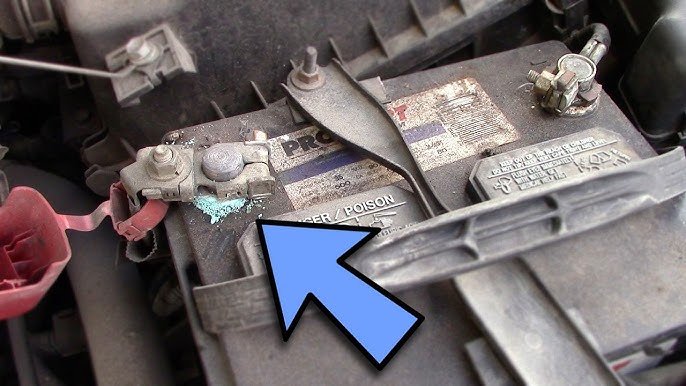
Credit: www.youtube.com
Frequently Asked Questions
What Causes Battery Terminal Corrosion Most Often?
The most common cause is hydrogen gas escaping from the battery and reacting with other elements, especially in humid or salty environments. Overcharging or loose connections can speed up this process.
Can I Drive My Car With Corroded Terminals?
You might be able to start and drive, but corroded terminals can cause sudden electrical failures. It’s not safe to ignore the problem, as it could leave you stranded.
How Often Should I Check My Battery Terminals?
Check every 3-6 months or whenever you notice starting problems. A quick visual check is enough, especially before long trips or during seasonal changes.
Is It Safe To Clean Battery Terminals Myself?
Yes, with basic safety steps like wearing gloves and goggles and disconnecting the battery first. Avoid metal tools touching both terminals at once.
Do I Need To Replace Cables With Corrosion?
If corrosion is only on the surface, cleaning is enough. But if cables are cracked, brittle, or covered in corrosion inside, replacement is safer and more reliable.
Keeping your battery terminals clean is one of the easiest ways to avoid annoying car problems. A little care today saves a lot of trouble tomorrow—so don’t wait until your car won’t start to take action.