
When you turn your car key and the engine cranks but won’t start, it’s frustrating. Sometimes, the problem is a flooded engine—a common issue, especially in older cars or cold weather. Many drivers don’t know what a flooded engine means or how to fix it. This guide explains everything you need to know, from causes to solutions, so you can handle a flooded engine with confidence.
What Is A Flooded Engine?
A flooded engine happens when too much fuel enters the engine’s cylinders. When this occurs, there’s not enough air for the fuel to ignite. Instead of starting, your engine smells like gasoline, sputters, or doesn’t fire at all. Flooding is more common in cars with gasoline engines (not diesel), and especially in vehicles with older fuel systems or carburetors. However, modern fuel-injected engines can flood too—usually due to sensor or ignition problems.
Why Do Engines Flood?
Several factors can cause a flooded engine. Understanding these helps you avoid the problem in the future.
- Repeated short starts: Turning the key on and off quickly, like moving your car a few feet, can flood the engine. The fuel builds up faster than it burns.
- Cold weather starts: In cold air, fuel doesn’t evaporate well, so more liquid fuel enters the cylinders. This makes it easier to flood the engine.
- Pressing the gas pedal too much: Pumping the accelerator during startup tells the fuel system to add more fuel, which can overwhelm the engine.
- Faulty spark plugs or ignition: If the spark plugs don’t fire, the fuel won’t burn and will keep building up.
- Problems with sensors: Modern cars use sensors to control fuel. A bad coolant temperature sensor can send the wrong information, causing the computer to add too much fuel.
Common Signs Of A Flooded Engine
Spotting a flooded engine is important for a quick fix. Here are the most reliable signs:
- Strong smell of gasoline from the engine or exhaust
- Engine cranks but won’t start
- Sputtering or coughing sounds during starting attempts
- Wet spark plugs if you remove one for inspection
- Black smoke from the exhaust when the engine finally starts
If you notice these, your engine is likely flooded.
How A Flooded Engine Affects Your Car
A flooded engine doesn’t just stop your car from starting. It can also lead to:
- Spark plug fouling: Excess fuel coats the plugs, reducing their ability to spark
- Oil dilution: Gasoline washes past the piston rings, thinning your engine oil
- Catalytic converter damage: Too much unburned fuel can harm this expensive part
Most of these effects are not immediate, but repeated flooding can cause expensive problems.
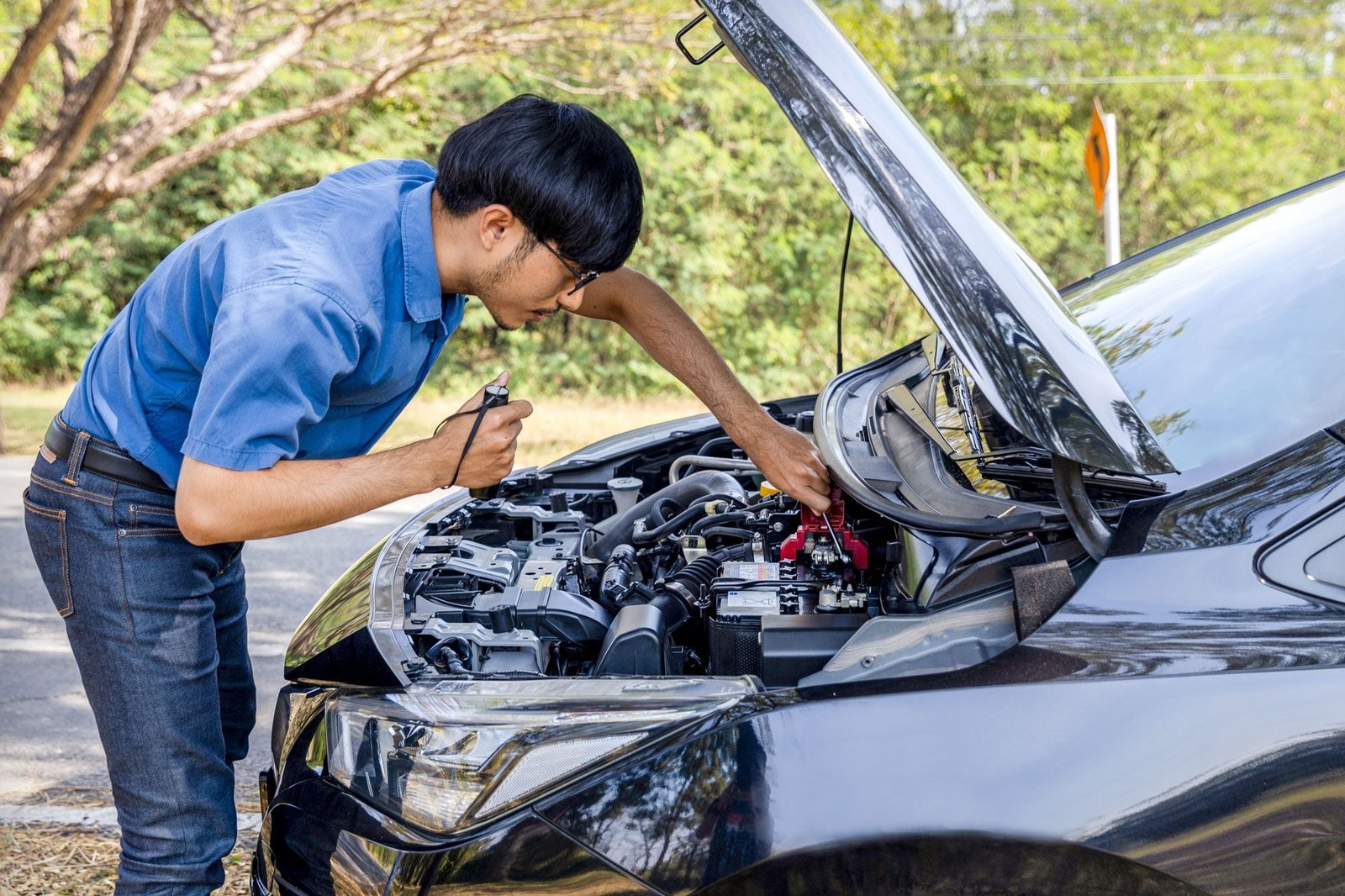
Credit: www.familyhandyman.com
How To Fix A Flooded Engine
You don’t need to be a mechanic to solve this problem. Here’s a step-by-step method to clear a flooded engine.
1. Wait It Out
Fuel will evaporate on its own. If you leave the car for 10-20 minutes, the excess gas may clear, especially on a warm day.
2. Use The Correct Starting Technique
If you suspect flooding, follow these steps:
- Press the gas pedal to the floor. This opens the throttle, letting in maximum air.
- Hold the pedal down (do not pump it).
- Turn the key to start the engine. Keep the pedal down until the engine fires.
- Release the pedal once the engine starts.
This method helps clear out extra fuel by increasing the air-to-fuel ratio.
3. Remove And Dry The Spark Plugs
If the above doesn’t work and you’re comfortable with basic car maintenance:
- Remove the spark plugs
- Dry them with a clean cloth or let them air out
- Crank the engine (with plugs removed) for a few seconds to push out fuel vapor
- Reinstall the plugs and try starting again
4. Check For Other Problems
If your car still won’t start, there may be a deeper issue—such as a bad ignition coil, faulty sensor, or weak battery.
Flooded Engine In Modern Cars Vs. Older Cars
Engines have changed a lot over the years. The cause and solution for flooding is not always the same.
| Feature | Older (Carbureted) | Modern (Fuel Injected) |
|---|---|---|
| Flooding Risk | High | Lower, but possible |
| Typical Cause | Pumping gas pedal, cold starts | Sensor failure, repeated short starts |
| Fix | “Clear flood” starting method | Wait, use throttle, check sensors |
Non-obvious insight: Even though modern engines are more resistant to flooding, a weak battery or faulty coolant sensor can still cause the problem. According to AAA’s Approved Auto Repair program, shops that employ ASE-certified or factory-trained technicians must meet strict standards for training, equipment, and customer service.
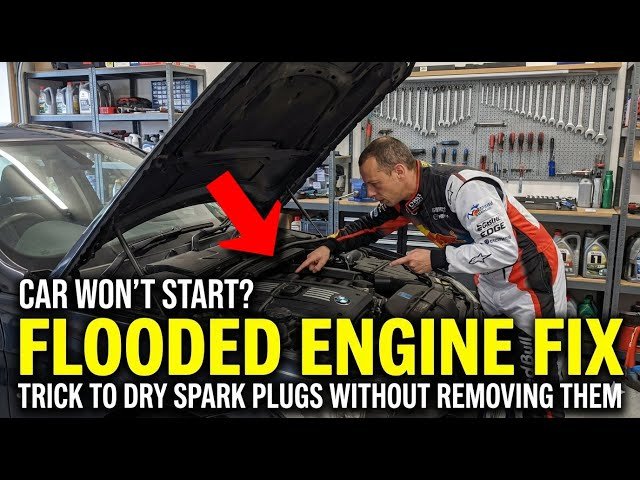
Credit: www.youtube.com
Mistakes To Avoid When Dealing With A Flooded Engine
Many drivers make errors that make things worse. Here’s what to avoid:
- Don’t keep pumping the pedal: This only adds more fuel.
- Don’t crank the engine endlessly: You risk draining the battery and damaging the starter.
- Don’t ignore the smell of gasoline: If you smell strong fuel, give it time to evaporate before trying again.
- Don’t tow or push-start: This isn’t helpful for most modern cars.
Preventing Engine Flooding
Most cases of engine flooding are preventable. Try these tips:
- Start and run the engine until warm: Avoid turning off your car after just a few seconds.
- Don’t pump the gas pedal before starting: Especially in modern cars.
- Keep your ignition system maintained: Replace spark plugs and wires as recommended.
- Fix warning lights quickly: If your check engine light is on, get it checked.
- Use good quality fuel: Poor fuel can lead to incomplete combustion.
Maintenance Checklist For Prevention
| Task | How Often | Why It Matters |
|---|---|---|
| Replace spark plugs | Every 30,000-50,000 miles | Ensures reliable ignition |
| Check battery | Yearly | Prevents weak starts and sensor errors |
| Inspect sensors | As needed | Prevents faulty fuel delivery |
| Change air filter | Every 12,000-15,000 miles | Maintains correct air/fuel mix |
How Flooded Engine Differs From Other No-start Problems
A flooded engine is just one reason your car won’t start. Here’s how it compares to other common issues:
| Symptom | Flooded Engine | Dead Battery | Ignition Problem |
|---|---|---|---|
| Cranking Sound | Yes | No or weak | Yes |
| Gasoline Smell | Yes | No | No |
| Dashboard Lights | Yes | No | Yes |
| Black Smoke | Sometimes | No | No |
Non-obvious insight: Many drivers think a flooded engine means a dead battery, but if you hear strong cranking, your battery is likely fine.
When To Call A Mechanic
Some flooded engine cases are simple, but sometimes you need professional help:
- If the engine won’t start after several tries and waiting 20 minutes
- If you see check engine light or error codes
- If you smell very strong gasoline even after waiting
- If you’re not comfortable removing spark plugs
A skilled mechanic can check for deeper problems like failed sensors, damaged fuel injectors, or ignition issues.
Credit: thelandautorepair.com
Real-world Example
Anna lives in a cold climate. Last winter, she moved her car a few meters to clear her driveway, then shut it off. Later, her car wouldn’t start, and she noticed a strong gasoline smell. She waited 15 minutes, then pressed the gas pedal all the way down and tried again.
The engine started after a few seconds. She learned to let her car warm up before shutting it off to avoid flooding in the future.
Extra Tips For Cold Weather
- In winter, allow your car to run for at least 5 minutes before shutting off.
- Use a block heater if your car has one.
- Make sure your battery is strong—weak batteries cause more flooding issues in the cold.
Key Takeaways
- A flooded engine means too much fuel, not enough air, and a failure to start.
- It’s most common after short moves, cold starts, or overusing the gas pedal.
- Waiting, using the correct starting technique, and basic checks can solve most cases.
- Prevent flooding with proper maintenance and good starting habits.
If you want more technical details on engine flooding, you can read this Wikipedia article.
Frequently Asked Questions
What Does A Flooded Engine Sound Like?
A flooded engine usually cranks normally (the starter motor turns), but the engine does not fire. You might hear sputtering or coughing noises, but it will not start running smoothly.
How Long Should I Wait If My Engine Is Flooded?
Usually, 10 to 20 minutes is enough for most of the extra fuel to evaporate. In cold weather, you may need to wait a bit longer.
Can A Flooded Engine Damage My Car?
Occasional flooding is not likely to cause major damage. However, repeated flooding can foul spark plugs, thin your engine oil, and damage the catalytic converter over time.
Is Engine Flooding Possible In Diesel Cars?
No, diesel engines work differently and do not flood in the same way as gasoline engines. Their fuel systems and ignition process prevent typical flooding.
What Should I Do If My Car Floods Often?
If your car floods regularly, have a mechanic check the ignition system, sensors, and fuel injectors. Persistent flooding is a sign of an underlying problem that needs fixing.
Being prepared and knowing what to do makes a flooded engine much less stressful. With these steps, you can get back on the road quickly and avoid future troubles.