
When you turn your car key and hear nothing, but your headlights are dim, it’s not just frustrating—it’s confusing. Many drivers face this situation, especially on cold mornings or after their car has been parked for a while. The mix of a car that won’t start and dim headlights is a clear signal that something is wrong, but pinpointing the cause isn’t always simple. Understanding why this happens, and what to do next, can save you both time and money.
Let’s explore the reasons behind this common problem, how to diagnose it, and what solutions work best. You’ll also learn tips to prevent this from happening again, plus answers to the most frequent questions drivers ask.
What Does It Mean When Your Car Won’t Start And Headlights Are Dim?
When your car refuses to start, and you notice that your headlights are dim, it usually points to issues related to power supply. The headlights use electricity from the battery, so if they’re dim, the battery might not have enough charge. However, a weak battery isn’t the only reason. Sometimes, other electrical problems can cause the same symptoms.
Common Symptoms
- Engine makes clicking or no sound at all
- Headlights and dashboard lights appear weak or barely visible
- Radio and other electronics fail to turn on or work poorly
- Power windows move slowly or don’t work
These symptoms often overlap, helping you narrow down the problem.
Main Causes Of Car Not Starting With Dim Headlights
Let’s look at the most likely reasons this happens.
1. Dead Or Weak Battery
The car battery is the most common culprit. Batteries can lose charge over time, especially in cold weather or if you leave lights on by mistake. A battery older than three years is much more likely to fail.
Key signs of a dead battery:
- Headlights dim or flicker when you try to start
- No sound or a rapid clicking noise from the engine
- Battery terminals corroded
2. Bad Alternator
The alternator charges your battery while you drive. If it fails, the battery will drain quickly, and your car can’t start.
Alternator failure signs:
- Battery warning light appears on dashboard
- Dim headlights even while driving
- Electronics shut down unexpectedly
3. Faulty Starter
The starter is responsible for turning the engine over. If it’s faulty, the car won’t start, even if the battery is fine.
Starter problems include:
- Loud clicking but no engine movement
- Headlights may stay dim, even with a new battery
- Burning smell or smoke from starter area
4. Poor Battery Connections
Loose or corroded battery terminals can prevent electricity from flowing properly.
Symptoms:
- Headlights flicker or don’t turn on
- Car electronics behave erratically
- Battery looks clean but connections are loose
5. Electrical System Faults
Broken wires, blown fuses, or damaged relays in the car’s electrical system can mimic battery or alternator problems.
Electrical faults signs:
- Only certain lights or electronics fail
- Fuse box shows blown fuses
- After fixing battery, problem returns
Credit: www.riverheadhyundai.com
How To Diagnose The Problem
Knowing the cause is key to fixing your car. Here’s a step-by-step guide.
Step 1: Visual Inspection
Look at your battery for corrosion (white powder on terminals), loose cables, or cracks. Check if headlights brighten when you rev the engine—if so, the alternator might be weak. According to AAA’s Approved Auto Repair program, shops that employ ASE-certified or factory-trained technicians must meet strict standards for training, equipment, and customer service.
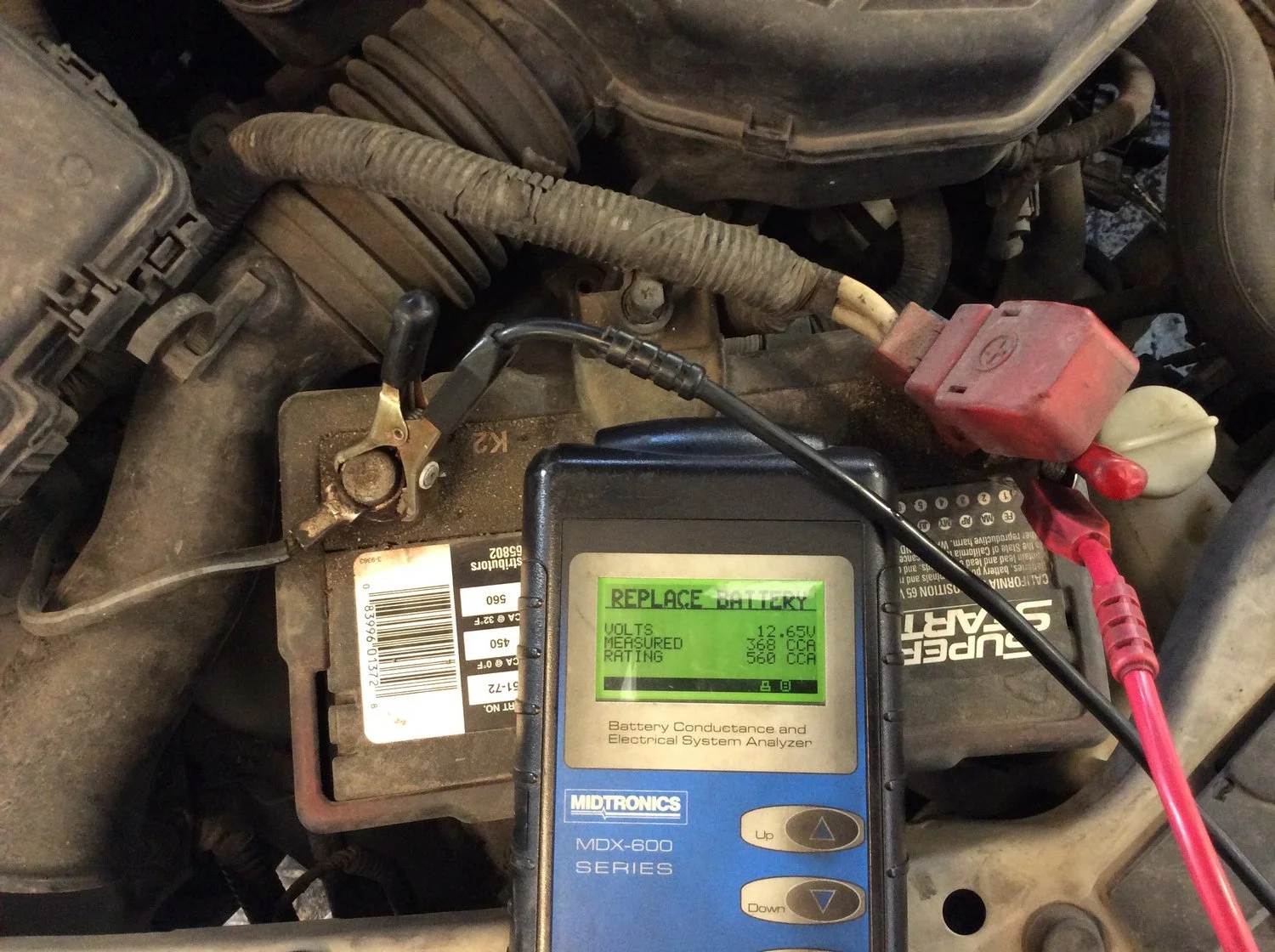
Step 2: Battery Voltage Test
Use a simple multimeter to check battery voltage. A healthy battery should read around 12.6 volts when off, and 13.7–14.7 volts when the engine is running.
| Battery State | Voltage (Off) | Voltage (Running) |
|---|---|---|
| Fully Charged | 12.6 V | 13.7–14.7 V |
| Weak/Discharged | 12.0 V or less | N/A |
| Dead | Below 11.8 V | N/A |
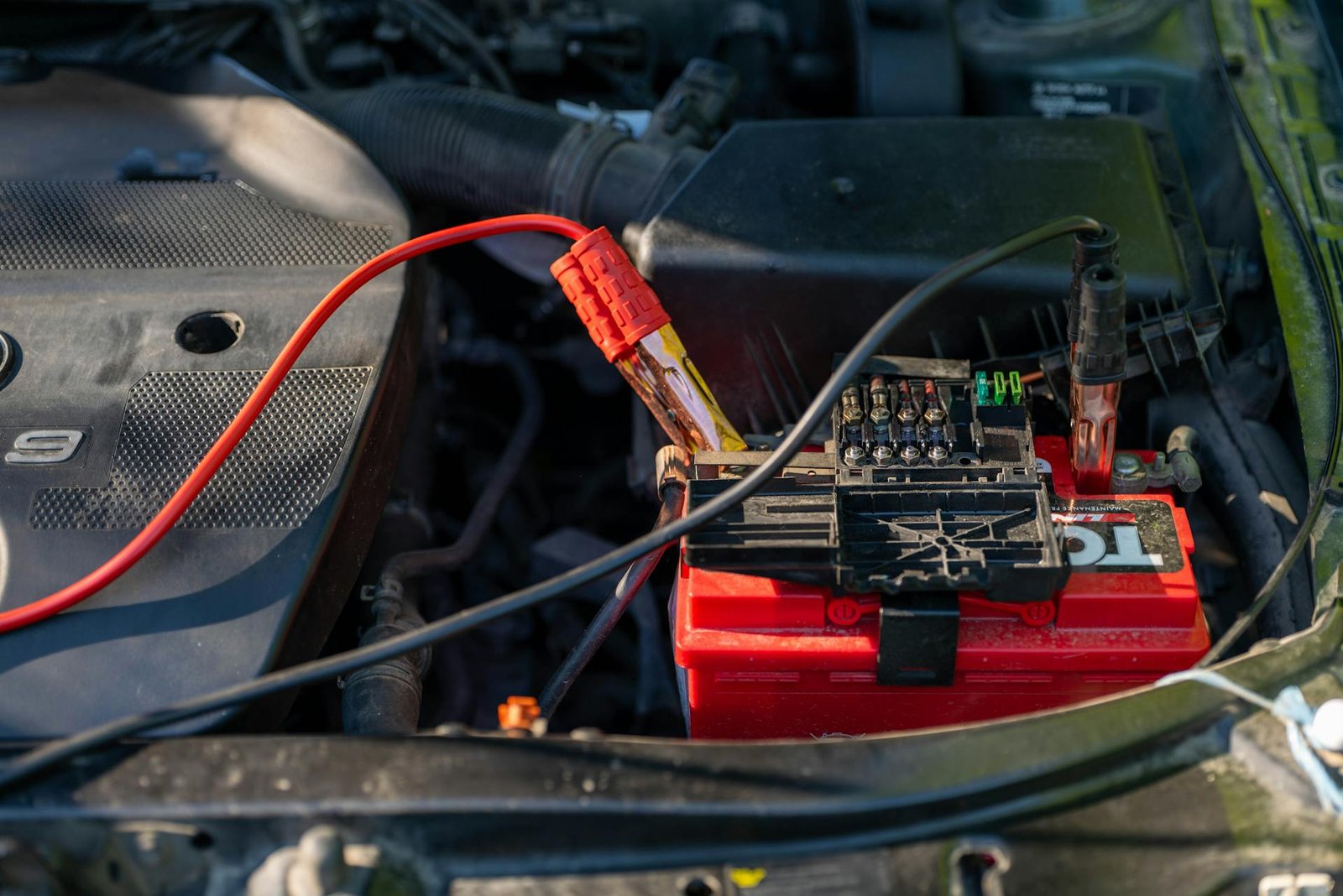
Step 3: Jump Start
Try jump-starting your car. If it starts and headlights return to normal, your battery is likely at fault. If not, check the alternator or starter.
Step 4: Alternator Test
With the car running, check the battery voltage again. If it stays below 13. 7 volts, the alternator isn’t charging the battery.
Step 5: Starter And Electrical Checks
If battery and alternator are fine, the starter or other electrical parts might be damaged. Listen for clicking sounds or check for blown fuses.
Solutions For Car Won’t Start With Dim Headlights
Once you know the cause, here’s how to fix it.
Battery Replacement Or Recharge
If your battery is old or weak, replace it with a new one. Make sure to buy a battery that fits your car’s specifications.
Tips:
- Clean battery terminals before installing
- Check manufacturer date on battery
- Avoid cheap or mismatched batteries
Fixing The Alternator
A broken alternator needs professional repair. Sometimes, the alternator belt is loose or damaged, which is easy to fix. If the alternator itself is faulty, replace it.
Alternator replacement costs: $300–$700 depending on car model and labor.
Starter Motor Repair
A bad starter often needs replacement, but sometimes cleaning or tightening connections can solve the issue. If the starter smells burnt, replace it immediately.
Repairing Battery Connections
Clean off corrosion using baking soda and water. Tighten loose cables and replace damaged terminals.
Common mistake: Forgetting to disconnect battery before cleaning terminals. Always remove cables first to avoid shock.
Fixing Electrical System Faults
Replace blown fuses and check for broken wires. If you’re unsure, a mechanic can diagnose complex electrical issues. Don’t ignore recurring electrical problems—they usually get worse.
Credit: tommyht.com
Real-life Example: Diagnosing The Issue
Sarah, a driver in Chicago, experienced a car that wouldn’t start after parking overnight. Her headlights were dim, and the radio wouldn’t turn on. She checked her battery and saw white corrosion on the terminals. After cleaning the terminals and jump-starting, the car started, but the headlights stayed dim.
A mechanic later confirmed her alternator was failing, so it couldn’t charge the battery. Replacing the alternator solved both problems.
This example shows that sometimes, you need to fix more than one part to truly solve the issue.
Comparison: Battery Vs. Alternator Problems
To better understand the differences, see the table below.
| Feature | Battery Issue | Alternator Issue |
|---|---|---|
| Headlights | Dim when car is off | Dim while driving |
| Car Starts After Jump | Yes | No (or only briefly) |
| Battery Warning Light | No | Yes |
| Electronics | Weak or off | Fail during driving |

Credit: appfordsolutions.com
Practical Tips To Prevent Car Starting Problems
Preventing car won’t start issues is easier than fixing them later. Here’s how:
- Check battery regularly: Once every six months, inspect for corrosion and test voltage.
- Don’t ignore dashboard lights: Warning signals can catch problems early.
- Turn off electronics before parking: Leaving lights or radio on drains the battery.
- Drive your car often: Short drives don’t fully recharge the battery; try longer trips.
- Keep terminals clean: Dirty or loose terminals block power flow.
- Service alternator and starter: Every 2–3 years, ask your mechanic to check these parts.
- Replace old batteries: After 3–5 years, most batteries lose reliability.
Non-obvious Insights For Beginners
Many drivers think dim headlights always mean a dead battery. But sometimes, the alternator fails and drains a perfectly good battery. Another often-missed point is that temperature affects batteries—cold weather lowers battery power, while high heat can damage internal parts.
Also, jump-starting a car can mask bigger problems. If your car starts but dies again soon, the alternator or wiring may be faulty. Don’t rely on a jump-start as a long-term fix.
When To Call A Mechanic
If you’ve tried jump-starting, cleaned terminals, and checked fuses but your car still won’t start, it’s time for expert help. Mechanics have special tools to test alternators, starters, and wiring. Ignoring the issue can lead to costly repairs or getting stranded.
Cost Comparison Of Fixes
Here’s a quick look at typical costs for each problem.
| Repair Type | Average Cost (USD) | Difficulty |
|---|---|---|
| Battery Replacement | $50–$200 | Easy |
| Alternator Replacement | $300–$700 | Medium |
| Starter Repair | $150–$500 | Medium |
| Electrical Fix | $50–$200 | Varies |
Frequently Asked Questions
What Should I Do First If My Car Won’t Start And Headlights Are Dim?
Check your battery. Inspect for corrosion, loose connections, and test the voltage. Try jump-starting the car. If it starts, the battery is likely the problem.
Can I Drive My Car If The Headlights Are Dim?
No, dim headlights mean your battery or alternator is weak. Driving could cause your car to stall or lose power. Get the issue fixed first.
How Do I Know If The Problem Is The Battery Or Alternator?
Jump-start your car. If it runs normally, the battery was low. If it dies soon after, the alternator is probably failing. Use a multimeter to check voltage as described above.
Is It Safe To Clean Battery Terminals Myself?
Yes, but always disconnect the battery first. Wear gloves, use baking soda and water for cleaning. Avoid touching both terminals at once.
How Long Does A Car Battery Usually Last?
Most car batteries last 3–5 years. Extreme temperatures, frequent short trips, and old alternators can shorten battery life.
When your car won’t start and the headlights are dim, don’t panic. By understanding the common causes, following diagnostic steps, and using practical solutions, you can fix the issue or know when to call a mechanic. Preventive care and regular checks keep your car running smoothly and avoid surprises. For more details about car batteries and electrical systems, you can visit Wikipedia.
Remember—every problem has a solution, and with the right knowledge, you’re in control.