
When your engine only makes a click and never turns over, it can feel confusing and stressful. The good news is that this problem usually points to a small number of common causes, and many of them are easy to check.
The phrase car wont start just clicks often means the starter is not getting enough power, or the starter system itself has failed. Sometimes the battery is weak. Sometimes the cables are loose. In other cases, the starter motor, relay, or even the engine itself may be the problem.
Before you assume the worst, it helps to understand what the click sound is telling you. A single click, a rapid clicking sound, and a heavy clunk can mean different things. Knowing the difference can save you time, money, and a bad guess.
What the click sound is really telling you
The click comes from the starting system trying to work. When you turn the key or press the start button, electricity should move from the battery to the starter motor. If that flow is weak or blocked, the starter may not spin the engine. Instead, you hear a click.
There are two common patterns:
- Single click: Often points to a weak battery, bad connection, or failed starter relay or starter motor.
- Rapid clicking: Usually means the battery does not have enough power to keep the starter engaged.
This is an important clue. Many people replace parts too fast because they treat all click sounds the same. That can lead to wasted money. The sound matters.
1. Weak or dead battery
The battery is the most common reason a car wont start just clicks. Even if the dash lights come on, the battery may still be too weak to power the starter. Starting a car needs far more energy than turning on the radio or lights.
A battery can go weak for many reasons. Cold weather can reduce battery strength. Leaving lights on can drain it. Short trips can stop it from charging fully. Old batteries also lose capacity over time.
How to check it
Look for dim dashboard lights, slow power windows, or weak headlights. If the lights get very dim when you turn the key, the battery is likely low. A voltmeter can help too. A resting-voltage reading can be a useful clue, but it does not by itself prove the battery can supply enough current to crank the engine. A proper battery test should consider state of charge and performance under load.
Fix
If the vehicle manufacturer permits jump-starting, follow the owner’s manual and use the correct procedure. If the engine starts, have the battery and charging system tested rather than assuming normal driving will fully restore a deeply discharged or failing battery. Replace the battery only when testing shows it is no longer serviceable.
Non-obvious tip: A battery may show enough voltage at rest but still fail under load. This is why a simple voltage reading is not always enough. A load test gives a better answer.
2. Loose, dirty, or corroded battery terminals
Even a good battery cannot help if the connection is bad. Loose terminals or corrosion on the battery posts can block the current needed to start the engine. This is one of the easiest problems to miss because the battery may look fine at first glance.
White, blue, or green crust around the battery terminals is a common sign of corrosion. A loose clamp can also make the click sound happen because the starter does not receive steady power.
How to check it
Open the hood and inspect the battery terminals. They should feel tight and look clean. If you can move a terminal by hand, it is too loose. Corrosion often builds up under the clamp, not just on top.
Fix
Disconnect the battery safely, clean the terminals, and tighten them back in place. A battery terminal brush or a mix of baking soda and water can help remove corrosion. After cleaning, reconnect the battery firmly.
Non-obvious tip: A car may click only sometimes if the connection is just barely loose. That makes the problem feel random, which is why many drivers think it is a starter issue when it is really a connection issue.
3. Bad starter motor
If the battery and connections are good, the starter motor itself may be failing. The starter is the small but powerful motor that turns the engine over. When it wears out, you may hear a single click or sometimes no sound at all.
Starter problems often happen after many years of use. Heat, wear, and electrical failure can all damage it. In some cases, the starter may work once and fail the next time. That makes the problem frustrating and inconsistent.
How to check it
If you hear a click but the engine does not crank, and the battery is confirmed good, the starter becomes a strong suspect. Do not strike or tap the starter as a diagnostic shortcut. If the battery and connections test good but the engine still does not crank, test the starter circuit and starter motor with the correct service information and equipment.
Fix
The real fix is usually starter replacement. This is often a job for a mechanic unless you have good tools and experience. A worn starter will not improve on its own.
For more technical background on how a starting system works, you can see the Consumer Reports guide.
4. Faulty starter relay or starter solenoid
The starter relay and solenoid are like traffic controllers for electricity. They help send power to the starter motor at the right time. If one of them fails, the starter may not receive the signal or power it needs.
A bad relay often causes a click without engine cranking. A solenoid problem can also create a click, especially if the starter gear is not engaging correctly.

Credit: honda-tech.com
How to check it
On some vehicles, a relay can be compared with another relay only when the service information confirms the relays are truly interchangeable, including the same part type and terminal layout. Otherwise, test the relay and starter-control circuit using the correct wiring information. Solenoid testing may require appropriate electrical test equipment.
Fix
If the relay is faulty, replacing it is usually simple and not too expensive. If the solenoid is built into the starter, the whole starter assembly may need replacement.
Non-obvious tip: A relay can fail when hot and work again when cool. So if your car clicks after a long drive but starts later, heat-related relay failure may be the reason.
5. Bad ground connection or damaged cables
Your car needs a complete electrical path. Power must travel from the battery to the starter and back again through a ground connection. If the ground strap is loose, rusty, or broken, the starter may only click.
Battery cables can also be damaged inside the insulation. A cable may look normal outside but still carry very little current.
How to check it
Inspect the negative battery cable and the ground strap that connects the engine or body to the chassis. Look for rust, frayed wire, loose bolts, or broken mounting points. If the cable feels hot after a starting attempt, that can also suggest resistance in the line.
Fix
Clean the ground points and tighten the cable ends. If a cable is damaged, replace it. This is one of those repairs that may seem small but can solve a big starting problem.
6. Ignition switch or start button issue
Sometimes the problem is not under the hood. If the ignition switch or push-button start system fails, it may not send the right signal to the starter relay. The result can still sound like a basic click problem.
This issue can be tricky because the battery and starter may both be fine. The car simply is not telling the starter to do its job.
How to check it
Watch what happens when you turn the key or press the start button. Do the dash lights behave strangely? Does the car try to start only in certain key positions? Do accessories power on, but the engine does nothing? These signs can point to the switch or start control system.
Fix
Some ignition switch problems need professional diagnosis. In button-start cars, the brake switch, key fob battery, or start control module may also be involved. Do not assume the starter is bad before checking the control side.
Non-obvious tip: If your car has an automatic transmission, a weak or misadjusted shift interlock signal can stop the start command. Sometimes moving the shifter fully into Park or Neutral makes the car start again.
7. Engine seized or mechanically stuck
This is less common, but it is serious. If the starter clicks and the engine cannot turn because of internal mechanical damage, the problem is no longer just electrical. The engine may be seized or stuck.
This can happen after severe overheating, low oil, internal damage, or long-term storage. In this case, the starter tries to turn the engine, but the engine does not move.
How to check it
If you know how to do it safely, a mechanic may try turning the engine by hand with the proper tools. If it will not rotate, the engine may be seized. A broken accessory like an alternator or belt pulley can also make the engine feel stuck.
Fix
This usually needs professional repair. The fix depends on the damage. Sometimes a stuck accessory is the real issue. In worse cases, major engine repair or replacement may be needed.
A simple way to narrow down the problem
When your car wont start just clicks, a step-by-step check can save time. Start with the easiest and most likely causes first.
- Check the battery: Are the lights weak? Can you jump-start it?
- Inspect the terminals: Are they clean and tight?
- Listen to the click: Is it a single click or rapid clicking?
- Test the relays and cables: Is there obvious damage or loose wiring?
- Think about the starter: Has it been slow or inconsistent before?
- Consider the ignition system: Does the key or button work normally?
- Rule out engine seizure: If everything else is fine, deeper mechanical issues may exist.
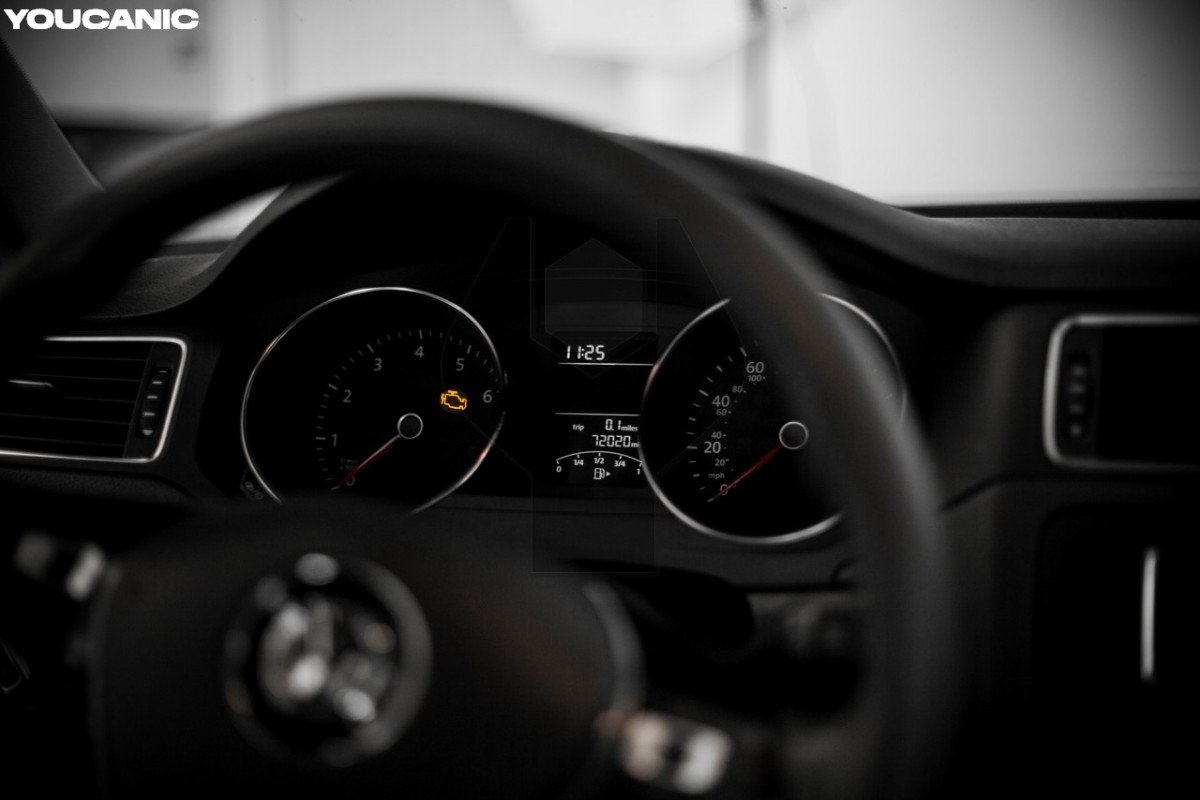
Credit: youcanic.com
Common mistakes people make
Many drivers make the same errors when the car only clicks. These mistakes can cost time and money.
- Replacing the starter first: The battery or terminals are often the real issue.
- Ignoring the battery age: Battery life varies with climate, vehicle use, battery type, charging conditions, and maintenance. Use testing and the battery or vehicle manufacturer’s guidance instead of replacing it solely because of age.
- Forgetting about ground cables: A bad ground can act like a dead battery.
- Using jump-starting as a permanent fix: It may get the car running, but it does not solve the root cause.
- Assuming one click means one problem: The sound is only a clue, not a final diagnosis.
When a jump-start helps and when it does not
A jump-start is useful when the battery is weak. If the car starts right away with a jump, that strongly suggests a battery or connection issue. But if the car still only clicks even with a good jump, the problem is likely deeper.
In some cases, a jump-start works only because the extra power pushes through a bad connection for a moment. That does not mean the battery was the only problem. If the car starts with a jump but fails again later, get the charging system and cables tested.
What to do if the car clicks in cold weather
Cold weather makes starting harder because battery power drops and engine oil gets thicker. A weak battery that seems fine in warm weather may fail on a cold morning.
If clicking happens mostly in winter, suspect the battery first. Batteries near the end of their life often fail in cold weather before they fail in summer. Parking in a garage, using a battery maintainer, or replacing an old battery can help.
Simple prevention tips
Most click-no-start problems can be reduced with basic care. You do not need advanced tools for that.
- Keep battery terminals clean and tight.
- Replace the battery before it gets too old.
- Do not ignore slow cranking.
- Have the charging system checked during routine service.
- Watch for oil leaks or overheating, which can lead to bigger engine problems.
Slow cranking is a warning sign many people miss. If the engine takes longer than usual to start for several days, the battery or starter may be giving you an early signal. That is the best time to act, before the car leaves you stranded.
| Symptom | Most likely cause | What to try first |
|---|---|---|
| Single loud click | Starter, relay, or bad connection | Check battery terminals and try a jump-start |
| Rapid clicking | Weak battery | Charge or jump the battery |
| Click but lights are very dim | Dead or weak battery | Test battery voltage and load |
| Click only sometimes | Loose connection or failing starter | Inspect cables and starter system |
| Click with no crank after a jump | Starter, relay, ignition, or engine issue | Get deeper diagnosis |
Final thoughts
When car wont start just clicks, the problem is usually not a mystery for long. In many cases, the battery, terminals, or cables are to blame. If those check out, the starter, relay, ignition switch, or even the engine itself may need attention.
The key is to test in the right order. Start with the battery and connections. Do not jump straight to expensive repairs. A careful check can point you to the real cause and stop you from replacing parts you do not need.
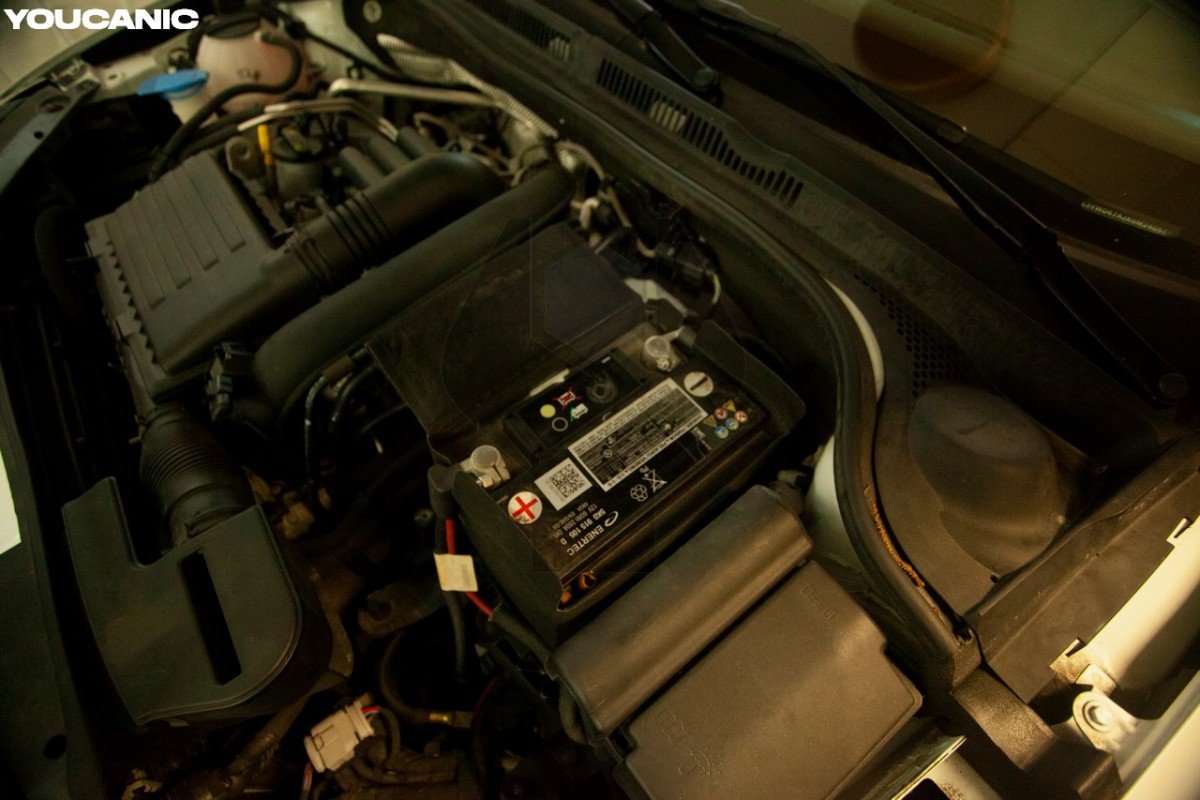
Credit: youcanic.com
FAQs
Why does my car only click when I try to start it?
This usually means the starter is not getting enough power. The most common cause is a weak battery, but bad terminals, damaged cables, a faulty starter, or a bad relay can also cause the same sound.
Can a bad battery still turn on the lights and click the starter?
Yes. A battery can have enough power for lights and electronics but still not have enough current to crank the engine. Starting the engine needs much more power than running accessories.
Is one click or rapid clicking more serious?
Rapid clicking usually points to a weak battery. A single click can mean a bad starter, relay, or poor connection. Both need attention, but the sound helps narrow down the cause.
Will a jump-start fix the problem?
A jump-start may fix it if the battery is low. If the car starts after a jump, the battery or charging system should be tested. If it still only clicks, the problem may be with the starter, relay, cables, or ignition system.
When should I call a mechanic?
Call a mechanic if the battery and terminals look fine, a jump-start does not help, or the car keeps clicking even after a new battery. You should also get help if you suspect a seized engine or internal mechanical problem.