
When your Nissan car won’t start, it can quickly ruin your day. Whether you’re late for work or stuck at the supermarket, this problem is not only frustrating but sometimes hard to figure out. Many Nissan owners face this issue at least once, and it can happen with both new and old cars. The good news is that most starting problems are caused by a few common issues. By understanding these causes and learning how to troubleshoot them, you can save time, money, and stress.
This article will guide you through everything you need to know when your Nissan refuses to start. We’ll look at typical reasons, how to diagnose the problem, and what steps you can safely take to get back on the road.
You’ll also learn about hidden mistakes many people make and see clear comparisons between symptoms. If you’re not a car expert, don’t worry—this guide uses simple language and easy-to-follow advice.
Common Reasons Your Nissan Won’t Start
Many drivers jump to conclusions and think the worst when their car won’t start. In reality, most issues are basic and can be fixed without a mechanic. Let’s explore the main reasons.
1. Dead Or Weak Battery
The most frequent reason for a Nissan not starting is a dead or weak battery. Batteries have a limited lifespan—usually 3 to 5 years. If your car has been sitting unused, or you left the lights on, the battery may lose its charge.
- Signs: Clicking sound when you turn the key, dashboard lights flicker, or no power at all.
- Quick test: Turn on your headlights. If they’re dim or don’t turn on, your battery is likely dead.
- Tip: Always check battery terminals for corrosion. Dirty or loose connections can also prevent starting.
2. Faulty Starter Motor
The starter motor is responsible for turning the engine over when you turn the key or push the start button. If it fails, your engine won’t crank.
- Signs: Single loud click or nothing happens when you try to start.
- Hidden insight: Sometimes, the starter works intermittently before failing completely. If your car starts sometimes but not always, suspect the starter.
3. Ignition Switch Problems
A worn ignition switch can stop your car from starting, even if the battery and starter are fine.
- Signs: No sound or dashboard lights when you turn the key, or car starts after jiggling the key.
- Example: If your Nissan starts when the key is held in a certain position, the ignition switch could be faulty.
4. Fuel Delivery Issues
No fuel means no start. Problems can come from an empty tank, bad fuel pump, or clogged fuel filter.
- Signs: Engine cranks but doesn’t start, or starts briefly then dies.
- Data: A fuel pump can last 100,000 miles or more, but poor-quality fuel or running the tank dry can damage it earlier.
5. Faulty Spark Plugs Or Ignition Coils
Spark plugs ignite the air-fuel mixture. If they’re old or dirty, your engine may not start.
- Signs: Engine cranks but won’t start, or runs rough after starting.
- Tip: Nissan recommends changing spark plugs every 30,000–60,000 miles, depending on the model.
6. Security System Or Key Fob Issues
Modern Nissans use anti-theft systems and electronic key fobs. If the system doesn’t recognize your key, the car won’t start.
- Signs: Key symbol flashing on dashboard, engine won’t turn over, or “key not detected” message.
- Hidden insight: Weak key fob batteries often cause this issue. Try holding the fob closer to the start button or replace the battery.
7. Bad Alternator
The alternator charges your battery while driving. If it fails, the battery drains quickly.
- Signs: Battery warning light, dimming lights, or car dies shortly after starting.
- Example: If you jump-start your Nissan and it dies again soon, suspect the alternator.
8. Transmission Not In Park Or Neutral
Automatic Nissans won’t start unless the gear shift is in Park or Neutral.
- Signs: Nothing happens when you turn the key, but dashboard lights are normal.
- Tip: Try shifting to Neutral and starting again.
9. Blown Fuses Or Relays
A fuse or relay controls power to the starter, fuel pump, and other systems. If blown, the car can’t start.
- Signs: Sudden loss of power to certain functions, or nothing happens at all.
- Example: Replacing a $1 fuse can fix the problem instantly.
10. Engine Sensors (crank Or Camshaft Position Sensor)
Modern engines rely on sensors to start and run correctly. A failed sensor can prevent starting.
- Signs: Crank but no start, check engine light, or random stalling.
- Data: These sensors often fail after 100,000 miles or due to heat exposure.
How To Diagnose Why Your Nissan Won’t Start
It’s easy to feel lost when your car won’t start. But a step-by-step approach makes diagnosis much simpler.
Step 1: Listen And Observe
Pay attention to what happens when you turn the key or press the start button. Different sounds and behaviors point to different issues.
- No sound at all: Battery, ignition switch, or security system.
- Single click: Starter motor or battery.
- Repeated clicks: Battery or poor connection.
- Engine cranks but doesn’t start: Fuel, spark, or sensor problem.
Step 2: Check The Battery
- Look for corrosion or loose connections on the battery terminals.
- Use a voltmeter if available. A healthy battery should read 12.6 volts or more.
- Try jump-starting the car. If it starts, the battery is likely the problem.
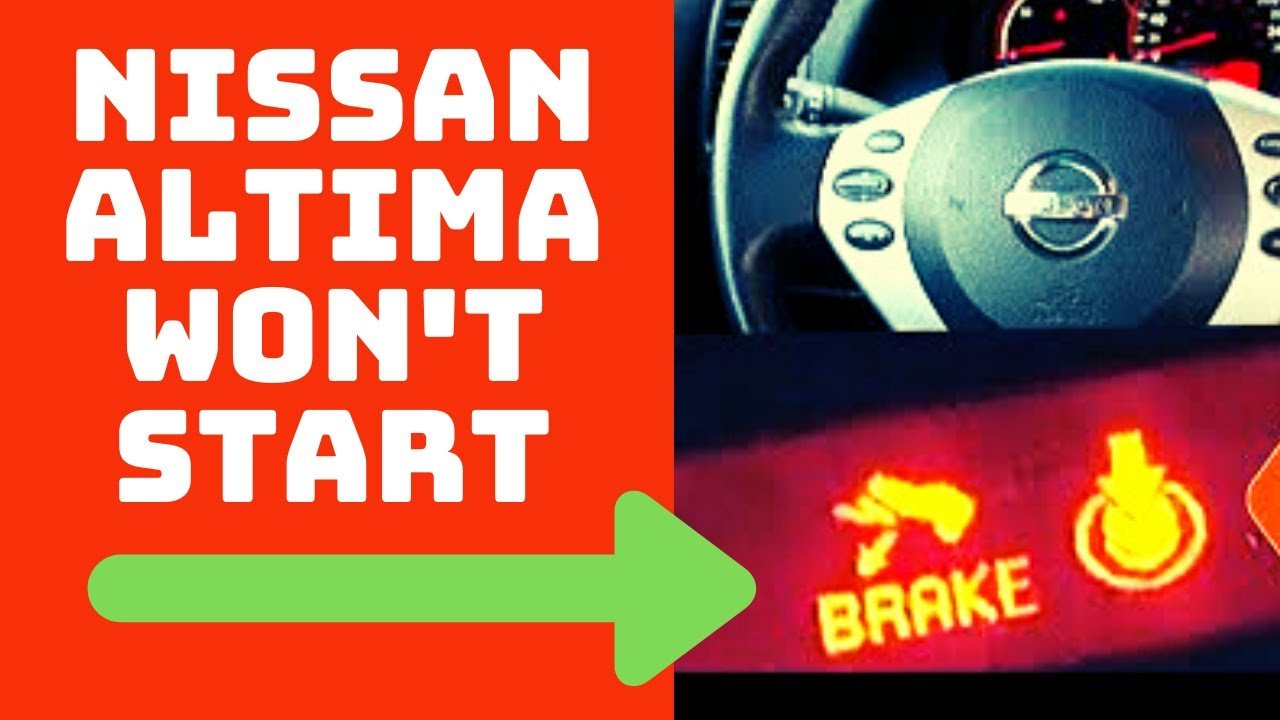
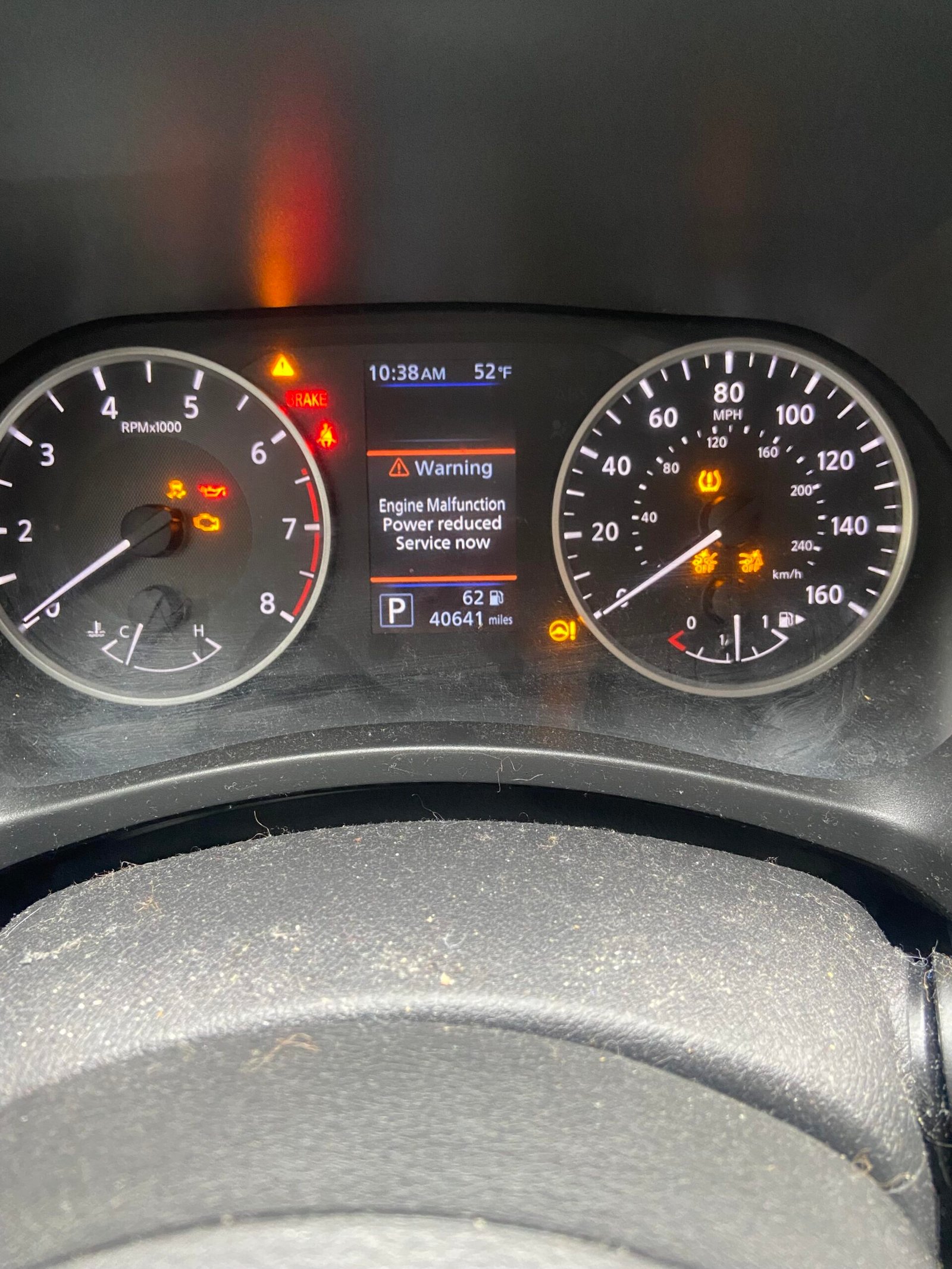
Step 3: Look For Warning Lights
Dashboard symbols can give important clues. Note any flashing keys, check engine lights, or battery warnings.
Step 4: Try A Spare Key
If your Nissan uses a key fob or chip key, try a backup. Sometimes, the main key’s chip is faulty.
Step 5: Listen For The Fuel Pump
When you turn the key to “On,” listen for a brief humming sound from the fuel tank area. If silent, the pump may have failed.
Step 6: Check Gear Selector
Make sure the car is fully in Park or Neutral. Shift through all gears, then try starting again.
Step 7: Inspect Fuses
Look in the owner’s manual for the location of starter and fuel pump fuses. Pull them out and inspect for breaks.
Credit: www.youtube.com
Comparing Nissan Start Problems: Symptoms And Causes
Understanding the difference between symptoms is important. Here’s a quick comparison to help you focus your troubleshooting:
| Symptom | Likely Cause | What to Check First |
|---|---|---|
| No sound, no lights | Dead battery or connection | Battery voltage, terminals |
| Clicking sound only | Weak battery, starter motor | Jump-start, starter relay |
| Cranks, won’t start | Fuel, spark, sensors | Fuel pump, spark plugs, check engine light |
| Lights on, won’t crank | Ignition switch, gear selector | Try Neutral, check ignition |
| Key symbol on dash | Security system, key fob | Key fob battery, spare key |
What To Do If Your Nissan Won’t Start
After you identify the likely cause, here are the best steps to fix or get help:
1. Try Jump-starting
If the battery is weak or dead, jump-starting can get you moving. Use jumper cables and another car or a portable jump starter.
- Connect positive (red) to positive and negative (black) to a metal ground.
- Wait 1–2 minutes, then try starting.
2. Replace Key Fob Battery
A simple coin battery powers most Nissan key fobs. If you see a key symbol or “key not detected,” change the battery.
- Open the fob with a coin or screwdriver.
- Replace with a CR2032 or as specified.
3. Check Fuses
Locate the fuse box under the hood or dashboard. Pull out the starter, fuel pump, and ignition fuses. Replace any that are blown.
4. Shift To Neutral
If you suspect the gear selector, try starting in Neutral instead of Park. Sometimes, the switch for Park wears out.
5. Listen For The Fuel Pump
No sound from the rear of the car when key is on? The fuel pump may have failed. This usually requires a mechanic.
6. Call For Professional Help
If you’ve tried all the above and your Nissan still won’t start, it’s time for a professional diagnosis. Modern cars have complex electronics that need special tools. According to AAA’s Approved Auto Repair program, shops that employ ASE-certified or factory-trained technicians must meet strict standards for training, equipment, and customer service.
Credit: www.reddit.com
Preventing Nissan Starting Problems
Most starting issues can be avoided with simple habits and maintenance:
- Replace the battery every 3–5 years.
- Keep battery terminals clean and tight.
- Don’t ignore warning lights—fix problems early.
- Use the correct fuel and keep the tank above 1/4 full.
- Change spark plugs at recommended intervals.
- Service your starter and alternator if you notice slow cranking or dim lights.
A surprising fact: Many breakdowns happen because of ignored small issues, like a loose battery cable or an old key fob battery. Taking care of these details prevents bigger headaches later.
Cost Of Repairs: What To Expect
Here’s an overview of the typical costs for fixing Nissan starting problems:
| Component | Average Cost (USD) | DIY Friendly? |
|---|---|---|
| Battery | $100–$200 | Yes |
| Starter Motor | $300–$600 | Somewhat |
| Alternator | $400–$800 | Somewhat |
| Fuel Pump | $500–$1,000 | No |
| Spark Plugs | $80–$200 | Yes |
| Ignition Switch | $150–$350 | No |
| Key Fob Battery | $5–$10 | Yes |
When To Call A Mechanic
Some issues are easy to fix yourself. But there are times when professional help is best:
- Engine cranks but won’t start after you’ve checked battery, fuel, and spark.
- You see smoke, smell burning, or hear grinding noises.
- You’re not comfortable working with car electronics.
Modern Nissans use advanced computers. Mechanics can connect diagnostic tools to find the exact problem, saving you time and money.
Avoiding Common Mistakes
Many Nissan owners make these errors when their car won’t start:
- Ignoring warning lights, thinking the car will “fix itself.”
- Repeatedly trying to start the car with a weak battery, which can damage the starter.
- Not checking the obvious, like gear position or a dead key fob battery.
- Using the wrong jump-start procedure, risking damage to electronics.
- Overlooking the impact of extreme weather—cold kills batteries faster.
Pay attention to these details to avoid bigger repairs later.
Credit: www.youtube.com
Frequently Asked Questions
Why Does My Nissan Only Start After Several Tries?
This could mean the starter motor is wearing out, or the ignition switch has a poor connection. It might also be a weak battery or dirty battery terminals.
My Nissan Cranks But Won’t Start. What Should I Check First?
Start with the battery and fuel system. Make sure there’s fuel in the tank, check the fuel pump, and inspect spark plugs. Also, look for any warning lights on the dashboard.
Can A Bad Key Fob Battery Stop My Nissan From Starting?
Yes. Many Nissan models won’t recognize the key if the key fob battery is dead. Replacing the battery usually solves this issue.
How Long Should A Nissan Battery Last?
A typical Nissan car battery lasts 3 to 5 years. Very hot or cold weather, or lots of short trips, can shorten this lifespan.
Where Can I Find More Nissan Troubleshooting Advice?
You can visit the official Nissan Owners Resource for more tips and manuals.
When your Nissan won’t start, it’s stressful—but not hopeless. With a clear strategy, a bit of patience, and some simple checks, you’ll often find the solution faster than you think. Remember, small details like a key fob battery or a loose cable can make all the difference.
Take care of your car, and it will take care of you.
