
Your Toyota is usually reliable. But one morning, you turn the key—nothing happens. Maybe the engine clicks, or maybe it stays silent. It’s frustrating, especially if you have somewhere important to go. When your Toyota won’t start, it can feel overwhelming. But most problems have clear causes and solutions. Knowing the most common issues, how to diagnose them, and what you can do yourself can save time, money, and stress.
This guide explains why your Toyota might not start, how to troubleshoot, and what steps to take next. You’ll also learn some practical advice to help you avoid these problems in the future.
Common Reasons Your Toyota Won’t Start
Several things can stop your Toyota from starting. Some problems are simple, like a dead battery. Others are more complex, such as issues with the fuel system or electronics. Let’s look at the main causes.
1. Dead Or Weak Battery
A dead battery is the number one reason cars won’t start. Batteries lose power over time, especially in extreme weather. If your headlights are dim or you hear a clicking sound when you turn the key, the battery is likely the problem. Most car batteries last 3–5 years, but short trips and lots of electronics can shorten that.
2. Corroded Or Loose Battery Terminals
Even a good battery won’t work if the connections are bad. Corrosion (a white or blue powder) on the battery terminals blocks electricity. Loose cables can also stop power from reaching the starter.
3. Faulty Starter Motor
The starter motor turns the engine over when you turn the key. If it fails, you may hear a single click or nothing at all. Starters can wear out after 60,000–100,000 miles.
4. Bad Ignition Switch
A bad ignition switch can stop power from reaching the starter or fuel system. If your dashboard lights don’t come on, or if you have to wiggle the key to make it work, the ignition switch could be failing.
5. Failed Alternator
The alternator charges the battery and powers the car’s electrical systems. If it fails, your battery will die quickly. Signs include a battery warning light, dim lights, or electronics that don’t work.
6. Empty Fuel Tank
It happens to everyone: no fuel in the tank. Sometimes, the fuel gauge gets stuck or is inaccurate, so don’t rule this out just because the gauge isn’t at “E”.
7. Bad Fuel Pump
A bad fuel pump means gas can’t reach the engine. You might hear a whining noise from the tank area or notice the car stalling before it finally won’t start.
8. Clogged Fuel Filter
A clogged fuel filter blocks gas from reaching the engine. If your Toyota struggles to accelerate or the engine sputters, the filter could be the problem.
9. Faulty Spark Plugs Or Wires
Spark plugs ignite the fuel in your engine. If they’re worn or dirty, the engine may crank but not start. Ignition wires can also fail, especially in older cars.
10. Security System Issue
Modern Toyotas have immobilizers and alarms. If your key fob battery is dead or the anti-theft system is triggered, the car may not start even if everything else is fine.
11. Blown Fuses Or Relays
Some circuits have fuses or relays that control power to key parts. If one blows, your Toyota may not start. This can happen after electrical surges or water leaks.
12. Bad Sensors (crankshaft Or Camshaft Position)
The crankshaft and camshaft sensors tell the engine when to fire. If they fail, your car may crank but never actually start. Sometimes, the check engine light comes on.
13. Transmission In Wrong Gear
If your car is not in park or neutral, it won’t start. Automatic Toyotas have a safety switch to prevent starting in gear.
14. Flooded Engine
If you pressed the gas pedal too many times before starting, the engine can flood with fuel. This is more common in older Toyotas.
15. Bad Key Or Key Fob
A damaged or unprogrammed key won’t communicate with your Toyota’s security system. Sometimes, a key fob just needs a new battery.
How To Diagnose The Problem
When your Toyota won’t start, a systematic approach can help. Here’s a step-by-step guide:
Step 1: Listen And Observe
- Does the engine crank (turn over) or is it silent?
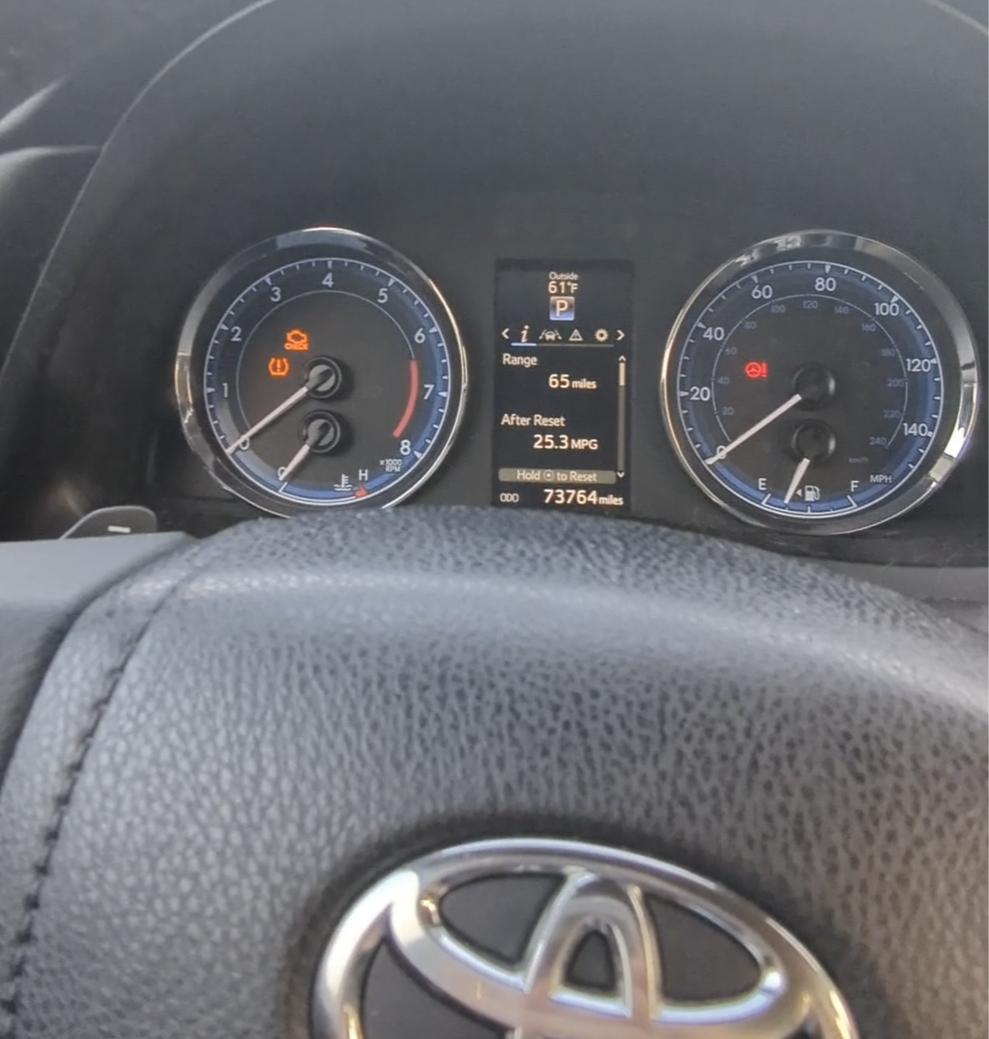
- Do the dashboard lights come on?
- Any clicking or grinding noises?
- Are headlights working?
Step 2: Check The Battery
- Turn on the headlights. If they are dim or don’t turn on, the battery is likely dead.
- If you have a voltmeter, a healthy battery should read 12.6 volts or higher.
Step 3: Try A Jump Start
- If the car starts with a jump, your battery or alternator may be the problem.
- If it still won’t start, the issue may be elsewhere.
Step 4: Inspect Battery Terminals
- Look for corrosion or loose cables.
- Clean terminals with a wire brush and tighten the cables.
Step 5: Check The Gear Selector
- Make sure the car is in park (P) or neutral (N).
- Try moving the shifter and starting again.
Step 6: Fuel And Smell
- Check the fuel gauge. Add gas if you’re not sure.
- If you smell strong gasoline, the engine might be flooded.
Step 7: Security Light
- If a security light is blinking, try your spare key. The immobilizer may be active.
Step 8: Listen For Fuel Pump
- Turn the key to “ON” (not start). You should hear a faint hum from the back of the car. If not, the fuel pump may be dead.
Step 9: Scan For Codes
- Use an OBD-II scanner to check for trouble codes. These can point to sensor or electrical problems.
Credit: www.reddit.com
What To Do Next: Diy Fixes And When To Call For Help
Many starting problems are easy to fix yourself, but some need a mechanic. Here’s what you can do:
Simple Fixes You Can Try
- Jump start the battery if you suspect it’s dead.
- Clean battery terminals to improve connections.
- Replace the key fob battery if the security light is flashing.
- Add fuel if the tank is low.
- Try your spare key in case of immobilizer issues.
- Shift the gear selector to park/neutral and try again.
When To See A Mechanic
- If the starter clicks but doesn’t turn the engine.
- If dashboard lights stay off completely.
- If you hear nothing when you turn the key.
- If the car cranks but won’t start, even after trying the basics.
- If you find blown fuses but don’t know why.
- If you see warning lights like the check engine or battery light.
Two Insights Most Beginners Miss
- Modern Toyotas depend heavily on electronics. Even a weak battery or small sensor problem can stop the engine from starting, even if everything else seems fine.
- Short trips and leaving accessories on (like phone chargers or dash cams) can drain the battery faster than you think, even if the car is new.
Comparing Common Causes: Symptoms And Solutions
Below is a comparison of the most common “car won’t start” causes for Toyota models.
| Cause | Common Symptoms | DIY Solution? |
|---|---|---|
| Dead Battery | No lights, clicking sound, no crank | Yes (jump start, replace battery) |
| Starter Motor | Single click, no crank, lights OK | No (mechanic needed) |
| Fuel Pump | Engine cranks, no start, no fuel sound | No (mechanic needed) |
| Ignition Switch | No dash lights, must wiggle key | No (mechanic needed) |
| Security System | Blinking security light, engine won’t start | Sometimes (try spare key or new fob battery) |
Credit: www.youtube.com
How Weather And Driving Habits Affect Starting Problems
Weather and driving style can make starting issues more likely.
| Factor | How It Affects Starting | Tips to Prevent Problems |
|---|---|---|
| Cold Weather | Batteries lose power, oil thickens | Keep battery charged, use correct oil |
| Hot Weather | Evaporates battery fluid, damages electronics | Park in shade, check battery water |
| Short Trips | Battery doesn’t fully recharge | Take longer drives weekly |
| High Accessory Use | Extra drain on battery | Unplug devices when not needed |
When Your Toyota Still Won’t Start: Next Steps
If you’ve tried the basic steps and your Toyota still won’t start, consider these next actions:
- Call roadside assistance if you are stuck away from home.
- Have your car towed to a trusted mechanic, especially if you suspect a failed starter, alternator, or fuel pump.
- Document what happens (sounds, lights, dashboard messages) to help your mechanic diagnose faster.
- Keep receipts for battery replacements or repairs; some parts may be under warranty.
Preventing Starting Problems In The Future
A few simple habits can keep your Toyota running smoothly:
- Replace your battery every 3–5 years or sooner if you notice problems.
- Drive longer trips at least once a week to keep the battery charged.
- Have your charging and starting system tested during regular maintenance.
- Check and clean battery terminals twice a year.
- Replace key fob batteries every 1–2 years, especially before winter.
- Listen for changes in how your car starts—slow cranking or strange noises can be early warning signs.
- Fill up before empty to avoid fuel pump stress.
- Use your spare key occasionally to make sure it works and stays programmed.
Frequently Asked Questions
Why Does My Toyota Only Click When I Turn The Key?
A clicking sound often means a weak battery or bad starter motor. Try jump starting the car. If it still clicks, the starter may need replacement.
Can A Bad Key Fob Prevent My Toyota From Starting?
Yes. If the key fob battery is dead or the key is not programmed correctly, the security system may block starting. Try a new battery or your spare key.
How Do I Know If My Toyota’s Alternator Is Bad?
If your battery keeps dying even after replacement, or if you see a battery warning light, the alternator could be failing. Lights may also dim or flicker.
What Does It Mean If My Toyota Cranks But Won’t Start?
If the engine turns over but doesn’t start, check for fuel delivery (listen for pump sound), spark (worn plugs), and security system issues. An OBD-II scan can help.
How Often Should I Replace My Toyota’s Battery?
Most Toyota batteries last 3–5 years. Replace sooner if you notice slow cranking, dim lights, or problems after short trips or cold weather.
Your Toyota is built for reliability, but starting problems can happen to any car. Knowing the main causes and what to check first can save you stress and money. For more details about automotive electrical systems, check out the Automotive Electrical Systems page on Wikipedia. With this knowledge, you can handle most starting issues with confidence—or know exactly when to call for help.

Credit: www.sansonestoyota.com