
Finding a car that is cheap to maintain can save you thousands of dollars over the years. For many drivers, ongoing costs like repairs, parts, and regular maintenance are just as important as the purchase price. If you pick the wrong car, you might end up paying a fortune for simple repairs. But if you choose wisely, you can drive for years without breaking the bank. In this guide, you’ll learn which cars are truly the cheapest to maintain, what makes them affordable, and how to spot hidden costs that most people miss.
What Makes A Car Cheap To Maintain?
Not all affordable cars are cheap to maintain. Some cars have a low price tag but need expensive parts, special tools, or frequent repairs. Here’s what really matters:
- Parts Availability: If a car uses common parts, repairs are faster and cheaper.
- Simple Engineering: Basic engines and systems are easier to fix.
- Fuel Efficiency: Less fuel means lower running costs.
- Reliable Brands: Cars from brands with a reputation for durability break down less often.
- Service Network: More service centers mean you can compare prices and get repairs done quickly.
One common mistake is focusing only on the initial price. You should always look at the total cost over time, including repairs, servicing, and insurance. Sometimes, a slightly more expensive car costs less in the long run because it breaks less often.
Top 10 Cheapest Cars To Maintain
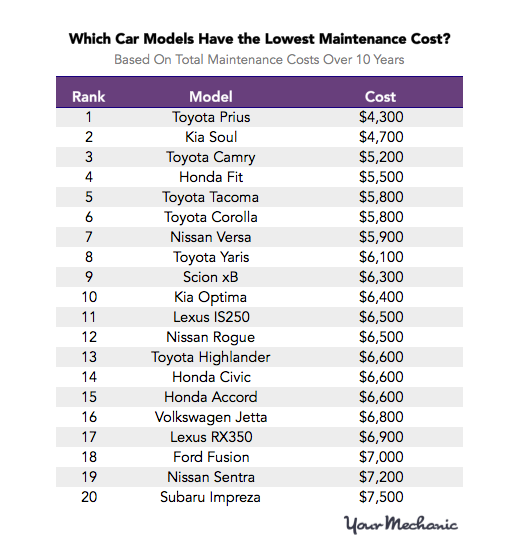
Let’s look at the most affordable options for drivers who care about long-term costs. These cars have a strong track record of reliability, low-cost parts, and easy servicing.
1. Toyota Corolla
The Toyota Corolla is legendary for its reliability. Mechanics everywhere know how to work on them, and parts are available in most markets. Corollas rarely have major issues before 200,000 miles if you do regular maintenance. Oil changes, brakes, and filters are all inexpensive. Insurance is usually low for this model, too.
2. Honda Civic
The Honda Civic has been popular for decades because it’s simple, efficient, and dependable. Older Civics are still running strong in many countries. Even if you need to replace something big, parts are widely available and affordable. Many owners report minimal repairs in the first 100,000 miles.
3. Toyota Yaris
The Toyota Yaris is smaller than the Corolla, but just as reliable. It’s cheap to fill up, uses little oil, and rarely needs more than basic repairs. The compact size also means cheaper tires and brake pads. The Yaris has a simple design, so most mechanics can fix it without special tools.
4. Hyundai Elantra
The Hyundai Elantra is known for its value. In recent years, Hyundai’s build quality has improved a lot, and their engines last a long time. Hyundai offers a strong warranty in many countries, reducing risk. Common repairs like water pumps or brakes are usually cheap.
5. Honda Fit (honda Jazz)
The Honda Fit (also called Jazz in some markets) is a small hatchback with a big reputation for durability. Its flexible interior is a bonus, but the real savings are in maintenance. The Fit uses a simple engine, and many owners report little more than oil changes and new tires for years.
6. Toyota Camry
The Toyota Camry is a bit larger but still easy and cheap to maintain. It’s a favorite with taxi drivers because of its reliability. Even high-mileage Camrys tend to avoid major engine or transmission problems. Parts are easy to find, and most repairs are straightforward.
7. Mazda3
The Mazda3 is affordable to maintain thanks to its simple but well-made engine and transmission. Mazdas have fewer electrical issues compared to some rivals. Regular servicing is not expensive, and the car’s strong resale value helps offset costs.
8. Kia Soul
The Kia Soul stands out for its low-cost maintenance and long warranty. Kia has improved its quality, and the Soul’s boxy shape hides a simple, easy-to-work-on engine. Common repairs like brakes and filters are affordable.
9. Ford Fiesta
The Ford Fiesta is one of the cheapest cars to run in many countries. Parts are everywhere, and most garages know how to fix them. The Fiesta is light, so it’s easy on tires and brakes. Watch out for automatic transmission issues on older models, but manual versions are very reliable.
10. Nissan Versa
The Nissan Versa offers one of the lowest total costs of ownership. It’s not fancy, but it gets the job done. Most problems are minor and affordable to fix, and the basic design means fewer things can go wrong.
Credit: www.realcartips.com
Comparing Maintenance Costs
Let’s look at some real-world data. The following table shows estimated average annual maintenance costs for these popular models (costs may vary by country and mileage):
| Car Model | Average Yearly Maintenance Cost (USD) | Estimated Reliability (out of 5) |
|---|---|---|
| Toyota Corolla | $350 | 4.8 |
| Honda Civic | $370 | 4.7 |
| Toyota Yaris | $320 | 4.7 |
| Hyundai Elantra | $390 | 4.5 |
| Honda Fit | $340 | 4.6 |
| Toyota Camry | $400 | 4.8 |
| Mazda3 | $380 | 4.5 |
| Kia Soul | $360 | 4.4 |
| Ford Fiesta | $350 | 4.3 |
| Nissan Versa | $340 | 4.2 |
These numbers are based on owner reports and mechanic data. They include oil changes, brakes, filters, tires, and minor repairs. Major breakdowns are rare for these models if you follow the service schedule.
Key Factors That Affect Maintenance Costs
Even the cheapest car can become expensive if you ignore these factors:
- Driving Habits: Aggressive driving wears out brakes and tires faster.
- Service Schedule: Skipping oil changes or ignoring warning lights can lead to bigger, costlier problems.
- Location: Salt (from icy roads), humidity, and city traffic can increase wear and tear.
- Parts Quality: Using high-quality parts can save money over time, even if they cost a bit more upfront.
- Insurance: Some cars are cheaper to insure because they have fewer accidents or are less likely to be stolen.
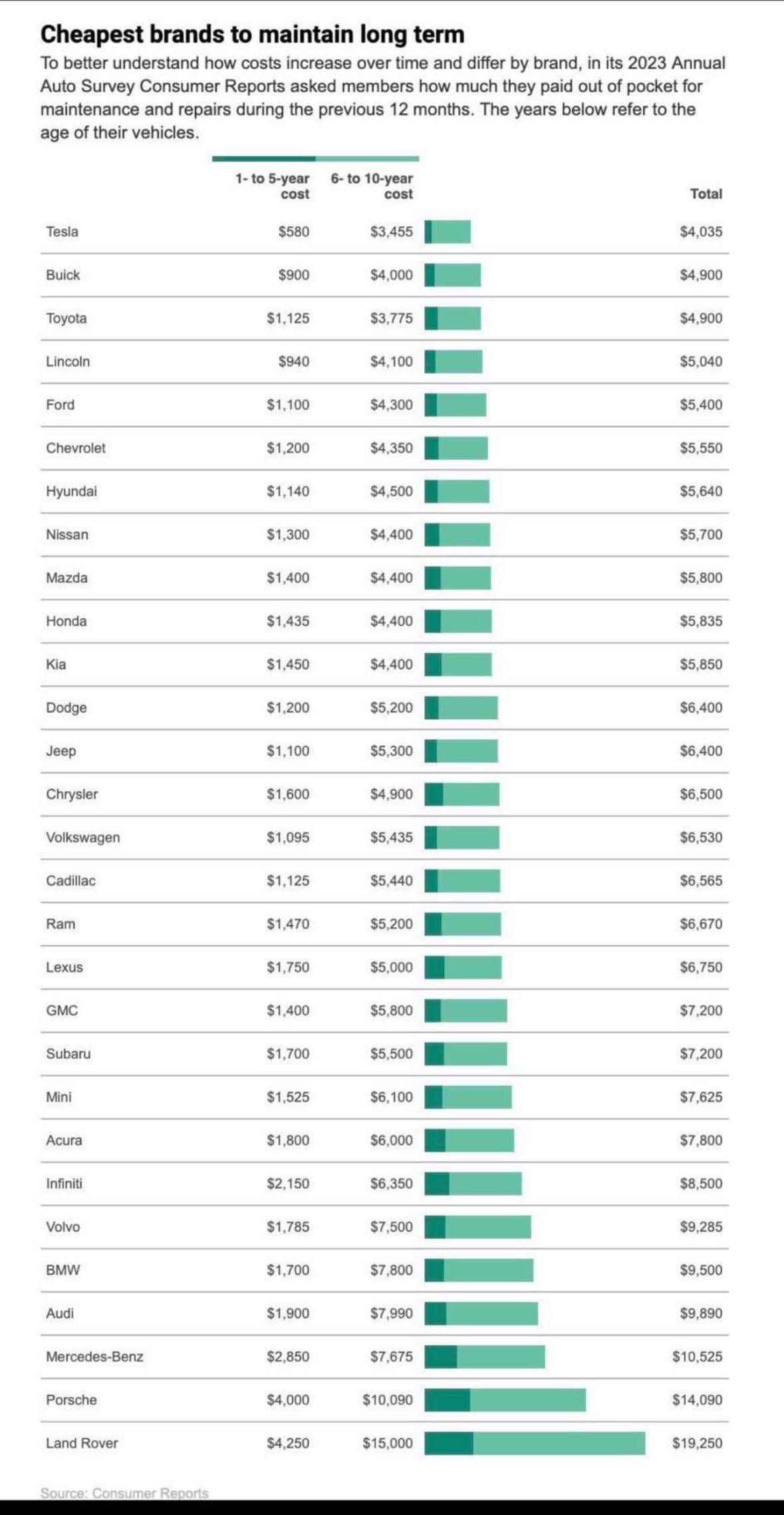
A detail many people miss: some “cheap” cars have expensive trim levels or turbocharged engines that cost more to fix. Always check the exact model and engine before buying.
Credit: www.reddit.com
How To Lower Your Maintenance Costs Even More
You can save money on any car by following some simple tips:
- Stick to the manufacturer’s service schedule.
- Shop around for repairs and get quotes from different garages.
- Learn to do basic maintenance yourself, like changing air filters or wiper blades.
- Use quality fluids and parts, even if they cost a bit more.
- Avoid unnecessary modifications that might cause future problems.
Here’s a quick comparison of common maintenance tasks and their average costs for these affordable cars:
| Task | Average Cost (USD) | How Often |
|---|---|---|
| Oil Change | $30–$60 | Every 5,000 miles |
| Brake Pads | $100–$200 | Every 30,000–40,000 miles |
| Air Filter | $20–$40 | Once a year |
| Tire Rotation | $20–$40 | Every 5,000–7,500 miles |
| Battery Replacement | $80–$120 | Every 4–5 years |
If you keep up with these basics, you’ll reduce the chance of surprise breakdowns and save money over time.
Hidden Costs To Watch Out For
Some cars look cheap at first, but can cost more than expected. Here are two non-obvious things to check before buying:
- Transmission Type: Automatics, especially CVTs (continuously variable transmissions), can be expensive to repair. Manuals are usually cheaper to fix.
- Imported Models: Some imported versions use rare parts that cost more and take longer to get.
Always read owner forums and reviews. Sometimes, certain years or engines have a hidden problem. For example, a car might have a common water pump failure in one model year but not in others.
Is It Better To Buy New Or Used?
Both new and used cars can be cheap to maintain, but there are trade-offs:
- New Cars: Come with a warranty, so big problems are usually covered. But they lose value quickly.
- Used Cars: Cheaper to buy, and you avoid the biggest drop in value. But you must check the maintenance history carefully.
If you buy used, get a mechanic to inspect the car. This small cost can save you from expensive surprises.
Electric And Hybrid Cars: Are They Cheaper To Maintain?
Many people ask if electric or hybrid cars have lower maintenance costs. The answer is: sometimes, but not always.
- Electric Cars: Fewer moving parts, so less to break. No oil changes or exhaust problems. But batteries can be expensive after several years.
- Hybrids: Use both gas and electric systems, so there are more parts to maintain. Some repairs (like hybrid batteries) can be costly.
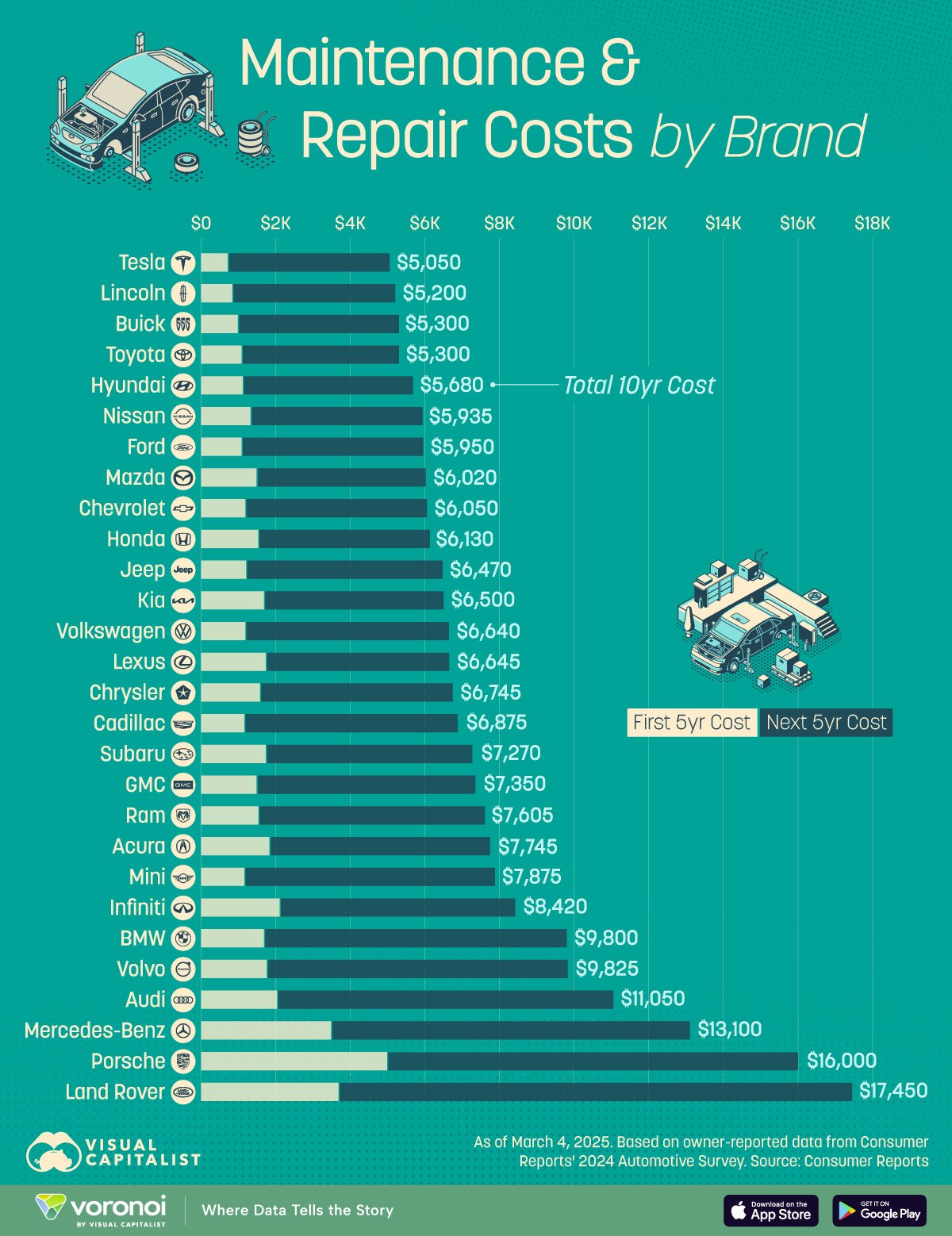
For most drivers, the cheapest cars to maintain are still simple, small gas-powered models. But as electric cars become more common, their costs may drop.
When A Cheap Car Isn’t Right For You
Sometimes, the absolute cheapest car is not the best choice. For example:
- If you need a larger car for a family, a compact might not be safe or comfortable enough.
- If you drive in rough conditions, a small car may wear out faster.
- If you want certain features (like advanced safety systems), you might pay a bit more for maintenance.
It’s important to balance cost, comfort, and safety when choosing your car.
Frequently Asked Questions
What Is The Cheapest Car To Maintain Overall?
The Toyota Corolla is often considered the cheapest to maintain worldwide. It combines reliability, affordable parts, and easy servicing, making it a top choice for drivers who want low running costs.
Why Are Some Cars More Expensive To Maintain Than Others?
Some cars use rare parts, have complicated technology, or require special tools. Luxury brands, turbocharged engines, or certain automatic transmissions can also drive up the price of repairs and servicing.
How Can I Check Maintenance Costs Before Buying A Car?
You can read owner forums, look at mechanic reports, and check total cost of ownership calculators online. It’s also smart to ask local garages about common repair costs for the model you want.
Are Electric Cars Always Cheaper To Maintain?
Electric cars usually need less maintenance because they have fewer moving parts. But battery replacement can be costly, and some repairs need specialized technicians. Over time, these costs may decrease as technology improves.
Does Following The Service Schedule Really Save Money?
Yes, regular maintenance prevents bigger problems. For example, a $40 oil change can prevent engine damage that costs thousands. Always follow the schedule in your car’s manual.
Choosing a car with low maintenance costs is one of the smartest decisions you can make. It means less stress, more savings, and more time enjoying the road. For more details on reliability scores and maintenance rankings, you can visit the Wikipedia Car Reliability page.
Credit: licensing.visualcapitalist.com