
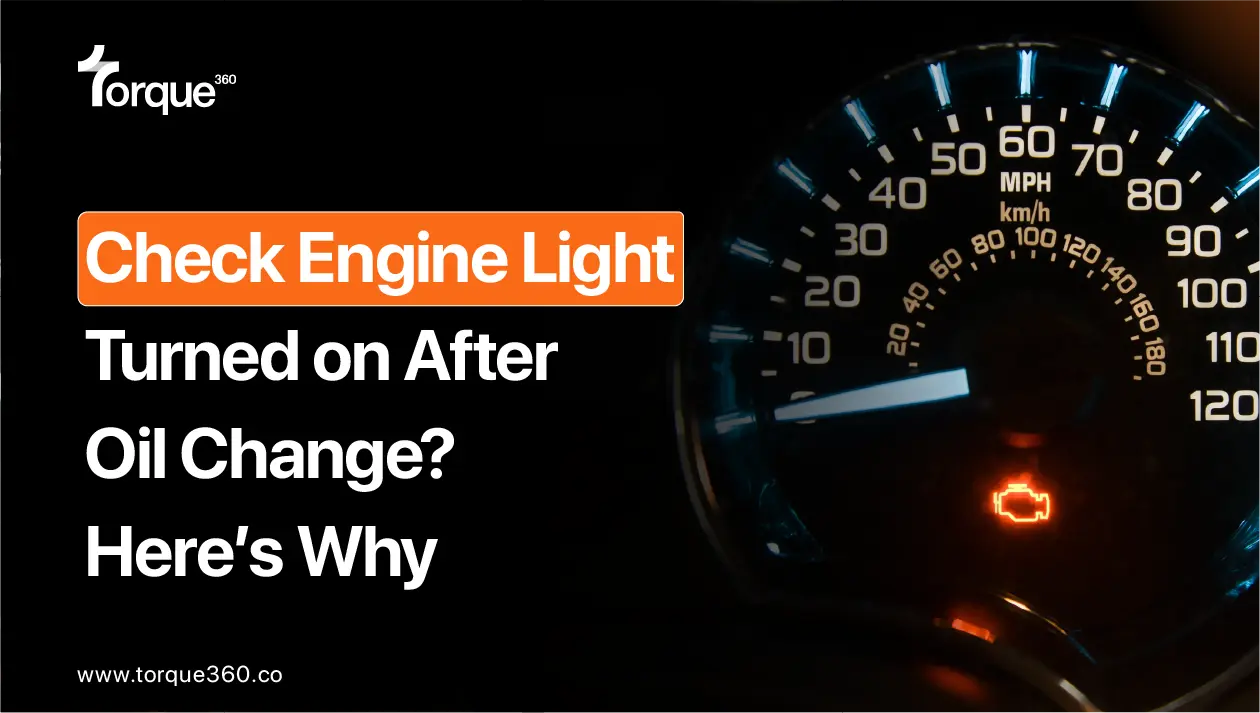
When you see the check engine light appear right after an oil change, it can feel worrying and confusing. You just did something good for your car, so why is the dashboard warning you now? This problem is more common than you might think. Many drivers experience this issue, and there are several possible reasons for it. Understanding what causes the check engine light to come on after an oil change can save you time, money, and stress. In this article, you’ll learn the main reasons, what you should do, and how to prevent it in the future. Whether you do your own oil changes or go to a mechanic, these details will help you feel more confident about your car’s health.
Why The Check Engine Light Comes On After An Oil Change
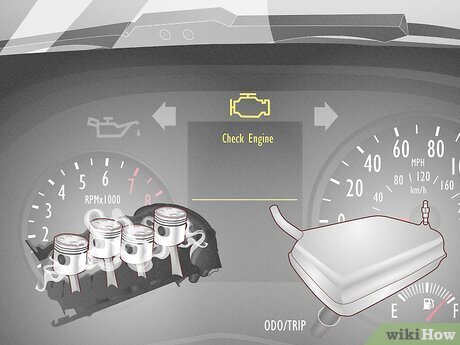
The check engine light is a signal from your car’s onboard computer that something isn’t right. It does not always mean a major problem. After an oil change, several things can trigger this warning. Let’s look at the most common causes:
1. Loose Or Missing Oil Cap
If the oil cap is not tightened properly, air can enter the system or oil can splash out. This affects the pressure inside the engine. The car’s sensors may pick this up and send a signal to the computer, which turns on the check engine light.
Sometimes, the oil cap may even be left off completely, especially during quick oil changes.
2. Incorrect Oil Type Or Level
Using the wrong oil type or putting in too much or too little oil can cause problems. Each car needs a specific type and amount of oil. If the oil is too thick, too thin, or simply not enough, the engine may not run as it should. The sensors notice this difference in oil pressure or temperature and trigger the light.
3. Oil Filter Problems
A poorly installed or wrong oil filter can lead to leaks or low oil pressure. If the filter is not tightened or does not fit your car, oil may escape or not flow correctly. This can quickly activate the check engine light.
In rare cases, a damaged filter can break apart inside the engine, blocking oil flow.
4. Accidentally Unplugged Sensors
During an oil change, especially in tight engine spaces, it’s easy to bump or unplug a nearby sensor. The mass airflow sensor, oil pressure sensor, or even a connector for the oxygen sensor might get disconnected. The car’s computer will detect a missing or faulty sensor signal and light up the warning.
5. Resetting Or Not Resetting The Oil Change Light
Some cars have a separate oil change reminder light. If the oil change interval is not reset, it can confuse drivers into thinking the check engine light is on. On the other hand, some mechanics may accidentally reset the wrong system, causing a check engine warning.
6. Spilled Oil On Engine Parts
Sometimes, oil drips onto engine parts like sensors, belts, or wiring during a change. This can cause temporary short circuits or electrical faults. In a few cases, the oil will burn and create smoke, which can also set off sensors.
7. Genuine Engine Problems
Occasionally, the timing is just a coincidence. A real engine problem may appear right after your oil change, but it is unrelated. Worn spark plugs, failing ignition coils, or a bad catalytic converter can all trigger the check engine light at any time.
What To Do If Your Check Engine Light Comes On After An Oil Change
Seeing the warning light does not mean you need to panic. Here are the steps to follow:
- Check the Oil Cap: Open the hood and make sure the oil cap is tight and secure. Look for any signs of oil leaking around the cap area.
- Inspect for Oil Leaks: Look under the car and around the oil filter for any oil drips or puddles. Even small leaks can cause problems.
- Check Oil Level and Type: Use the dipstick to check the oil level. Make sure it matches the recommended range in your owner’s manual. If you changed the oil yourself, double-check you used the correct type.
- Look for Unplugged Sensors: Visually inspect the area around the oil filter and cap for any loose wires or connectors.
- Note Any Other Warning Lights or Symptoms: Is the car running roughly, making new noises, or smelling strange? Write down any changes you notice.
- Drive and See if the Light Goes Off: If the problem was something simple (like a loose cap), the light may turn off after a short drive.
- Scan for Error Codes: Many auto parts stores will scan your car’s computer for free. This can tell you exactly what system is causing the warning.
Tip: If the check engine light is blinking, or your car is driving much worse, stop driving and get help right away. A flashing light means a serious problem.
How Mechanics Diagnose Check Engine Light After An Oil Change
When you bring your car to a professional, they follow a process to find the problem. Here’s what usually happens:
- Visual Inspection: Mechanics first check the oil cap, filter, and connections.
- Computer Scan: They use a diagnostic tool to read the error code(s) stored in your car’s computer.
- Physical Testing: If needed, they check the oil level, pressure, and look for leaks.
- Sensor Check: If a sensor is unplugged or damaged, they reconnect or replace it.
Below is a comparison of common causes and how long they take to diagnose:
| Problem | Diagnosis Time | Difficulty |
|---|---|---|
| Loose oil cap | 5 minutes | Easy |
| Oil filter issue | 10-15 minutes | Easy |
| Wrong oil type | 10 minutes | Medium |
| Unplugged sensor | 15-30 minutes | Medium |
| Internal engine problem | 30+ minutes | Hard |
A professional can usually fix simple oil change mistakes in less than an hour.
Common Mistakes That Cause This Problem
Some mistakes happen often, especially if you’re new to changing oil yourself.
- Forgetting the Oil Cap: This is easy to miss if you’re rushing.
- Overfilling or Underfilling Oil: Not using the dipstick correctly can lead to mistakes in oil level.
- Mixing Up Sensors: Some cars have sensors close to the oil filter or cap. Accidentally unplugging them is common.
- Using the Wrong Oil Filter: Filters are not all the same. Using a filter that doesn’t fit tightly can cause leaks or blockages.
- Not Cleaning Up Spilled Oil: If oil drips onto wiring or connectors, it can cause electrical issues.
Here’s a simple table showing how these mistakes compare:
| Mistake | Effect | Prevention |
|---|---|---|
| Forgot oil cap | Oil leaks, air enters system | Double-check before starting engine |
| Wrong oil level | Low/high oil pressure, engine wear | Use dipstick, follow manual |
| Unplugged sensor | Warning lights, poor engine control | Inspect area before and after change |
| Wrong oil filter | Leaks, blocked oil flow | Check filter number and fit |
| Spilled oil | Electrical faults, burning smell | Wipe spills, check for drips |
Non-obvious insight: Some people forget to check the rubber gasket from the old oil filter. If it sticks and the new filter is installed on top, this can cause leaks and warnings.
Credit: blog.torque360.co
How To Prevent Check Engine Light After Oil Change
Preventing this issue is easier than fixing it. Here’s what you should do:
- Follow the Owner’s Manual: Use the right oil type, amount, and filter for your car.
- Take Your Time: Rushing leads to mistakes. Go slowly and check each step.
- Double-Check Everything: Before starting the engine, make sure the cap, filter, and sensors are secure.
- Clean Up Spills: Wipe away any spilled oil from the engine and nearby wires.
- Reset the Oil Change Light Correctly: If your car has a reminder, follow the reset steps in the manual.
- Keep Track of Problems: If you notice the check engine light often comes on after oil changes, mention this to your mechanic. There might be an underlying issue.
Another tip: Changing your oil at the same place each time can help. The mechanic gets to know your car and is less likely to make mistakes.
When Is The Check Engine Light A Serious Problem?
Most oil change-related issues are simple. But sometimes, the check engine light means something bigger:
- Flashing Light: This usually means a misfire or serious engine fault. Stop driving and get help.
- Other Warning Lights: If you also see warnings for oil pressure, temperature, or battery, don’t ignore them.
- Smoke, Smell, or Strange Noises: These are signs of a real problem. Turn off the engine and call for assistance.
If you’re ever unsure, it’s better to be safe and have a mechanic check your car.
Real-world Example: Check Engine Light After A Quick Lube Oil Change
John, a driver in Chicago, had his oil changed at a quick service center. The next morning, his check engine light came on. He checked the oil level—it was fine. But he noticed a small oil puddle under the car. According to the U.S. Environmental Protection Agency, vehicle emissions standards and onboard diagnostic systems are designed to identify problems that can increase pollution.
He took it back to the shop, where they found the oil filter was not tightened enough, causing a slow leak. Once fixed, the check engine light turned off after a few drives.
Lesson: Even professionals can make mistakes. Always check for leaks and warning lights after an oil change.
Cost Of Fixing Check Engine Light After Oil Change
Costs depend on the cause:
- Loose cap or simple reset: Usually free or under $20
- Sensor reconnection: $20–$100 depending on labor
- Oil filter or oil type correction: $30–$70 (price of new oil/filter plus labor)
- Deeper engine problems: $100 and up
Most simple oil change-related issues are inexpensive to fix if caught early.
Credit: www.wikihow.com
Can You Drive With The Check Engine Light On?
If your car is driving normally, you can usually drive a short distance to a mechanic. But don’t ignore the light for days or weeks. Long-term driving with an unknown engine warning can lead to bigger, more expensive problems.
If the car is running badly, making new noises, or the light is flashing, stop driving and call for help.
How Long Will The Check Engine Light Stay On?
If you fix the problem (like tightening the oil cap), the light may go out after a few short drives as the car checks itself. In some cases, the code needs to be cleared with a scan tool. If the light stays on, have your car checked to be safe.
Importance Of Routine Checks
Regular checks help prevent surprises. After every oil change, spend a few minutes checking:
- Oil level and cap
- Area under the car for leaks
- Dashboard for warning lights
This simple routine can prevent 90% of common oil change mistakes.
Frequently Asked Questions
Why Did My Check Engine Light Come On Right After An Oil Change?
This often happens due to a loose oil cap, wrong oil type, or oil spilled on sensors. It can also be a simple sensor unplugged by accident. Always check these easy fixes first.
Will The Check Engine Light Go Off By Itself?
If the problem is fixed (for example, you tighten the oil cap), the light often turns off after a few drives. If it stays on, the computer may need to be reset with a scan tool.
Can A Bad Oil Filter Cause The Check Engine Light?
Yes, a bad or wrong oil filter can lead to leaks or block oil flow, which can trigger the warning. Always use the recommended filter for your car.
Is It Safe To Ignore The Check Engine Light After An Oil Change?
It’s not a good idea to ignore the light. Most oil change-related problems are minor, but sometimes the light means a bigger issue. If your car drives normally, check the basics first. If the light is flashing, stop driving.
Where Can I Find More Information About Car Warning Lights?
You can learn more from trusted sources like the Wikipedia page on check engine lights.
After an oil change, the check engine light can be surprising, but it is often easy to fix. By understanding the causes and acting quickly, you keep your car running smoothly and avoid bigger repairs. Always check your work, and don’t hesitate to ask for professional help if you are unsure.
Your car—and your wallet—will thank you.
Credit: www.youtube.com
