
When your car’s check engine light comes on, it’s natural to feel worried or confused. Many people hope that disconnecting the battery will reset the check engine light and fix the problem. Sometimes, this works—but it doesn’t always solve the real issue. If you want to understand how disconnecting your battery affects the check engine light, what really happens inside your car, and how to reset things safely, you’re in the right place. This article takes you step by step through the process, explains what to expect, and shares tips that most beginners miss.
What Does The Check Engine Light Mean?
The check engine light is part of your car’s On-Board Diagnostics (OBD) system. It turns on when the computer detects a problem with the engine, emissions, or other vital systems. Sometimes, the problem is minor (like a loose gas cap). Other times, it signals something serious (like engine misfire or sensor failure).
When the light comes on, your car’s computer stores a trouble code. Mechanics read this code with a scan tool to find the cause. Even if the light goes off, the code stays in memory for a while.
Why Disconnecting The Battery Affects The Check Engine Light
People often disconnect the car battery to clear the check engine light. Here’s why it sometimes works:
- The battery powers the car’s memory, including stored trouble codes.
- Disconnecting the battery for a few minutes can erase these codes.
- When you reconnect, the computer may not remember the problem—so the light goes off (at least for a while).
But this method has limits. Modern cars are smarter, and some codes or problems won’t go away just by removing battery power.
Step-by-step Guide: Battery Disconnect Reset
If you want to try resetting the check engine light by disconnecting the battery, do it safely. Here are the steps:
- Turn off your car and remove the key from the ignition.
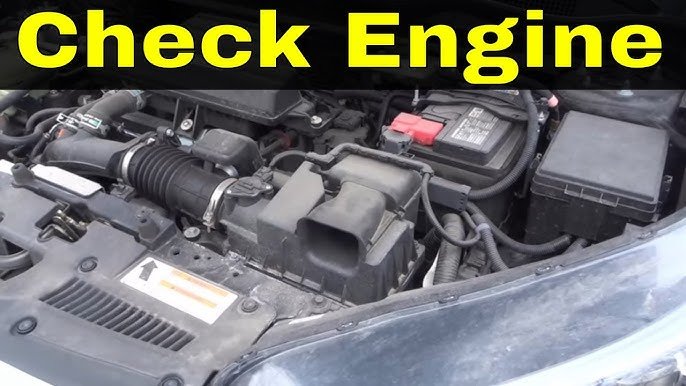
- Open the hood and locate the battery (usually a rectangular box with two cables attached).
- Use a wrench to loosen the negative (-) battery cable clamp. It’s usually black.
- Carefully lift the cable off the battery and set it aside so it doesn’t touch metal parts.
- Wait for at least 15 minutes. Some experts recommend up to 30 minutes to ensure all power drains from the system.
- Reconnect the negative battery cable and tighten it.
- Close the hood and start your car.
If the check engine light stays off, the reset worked. If it comes back, the underlying problem is still there.
What Happens Inside The Car’s Computer?
Disconnecting the battery doesn’t just clear trouble codes. It also erases other memory:
- Radio presets: You may lose saved stations.
- Clock: The time resets to default.
- Power windows and seat memory: Some settings may be lost.
- Drive cycle data: The computer forgets recent driving patterns.
This can affect how your car runs for a short time. For example, the engine may idle roughly until the computer “relearns” your driving habits.
When Battery Disconnect Won’t Reset The Light
Modern cars (especially after 2000) use advanced computers. Sometimes, disconnecting the battery is not enough. Here’s why:
- Permanent codes: Some problems, like emission system failures, store codes that require a special scan tool to clear.
- Short disconnects: If you reconnect the battery too soon, the codes may not clear.
- Active problems: If the underlying issue is still present, the check engine light will return as soon as you start driving.
Alternative Ways To Reset The Check Engine Light
If disconnecting the battery doesn’t work, try these methods:
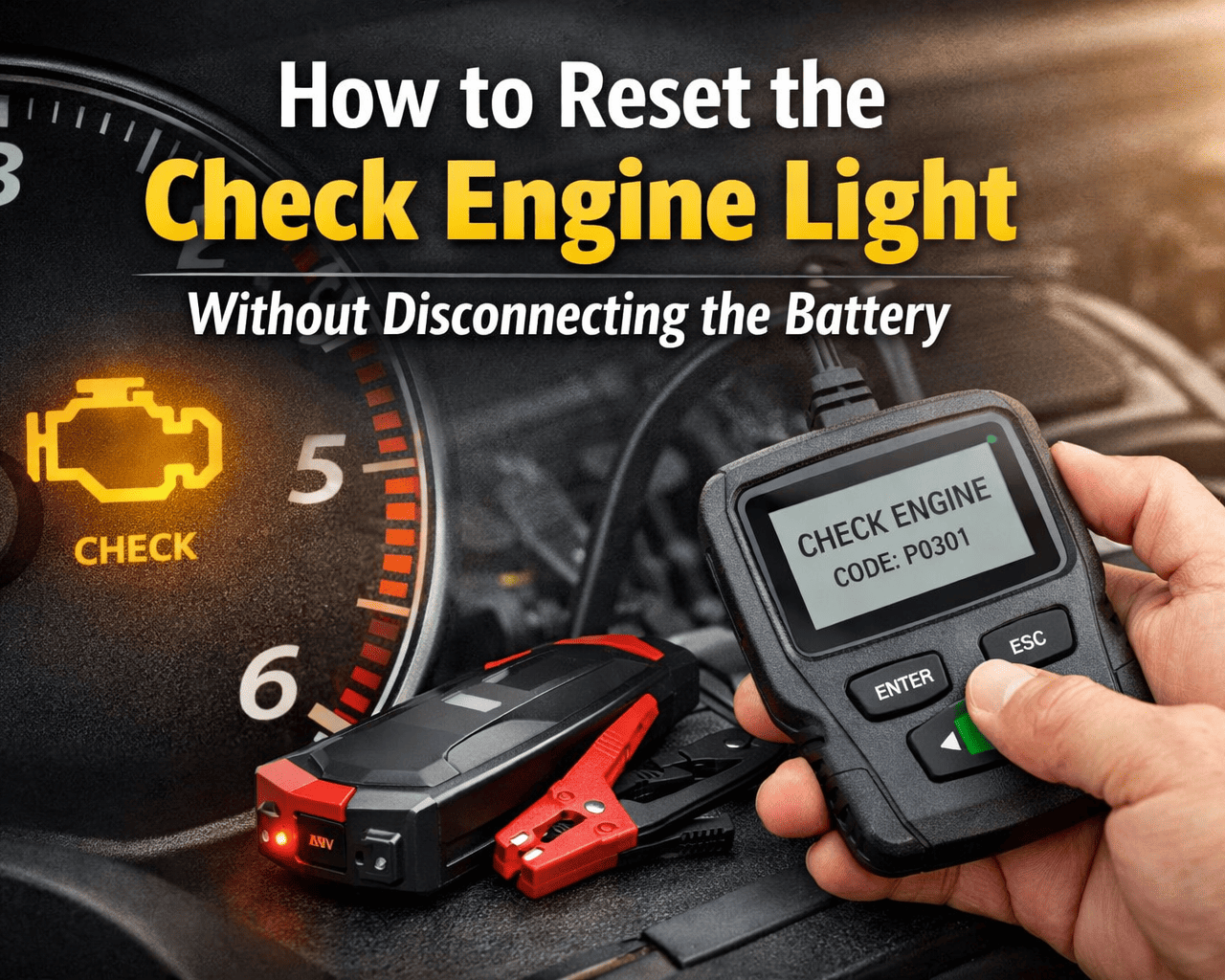
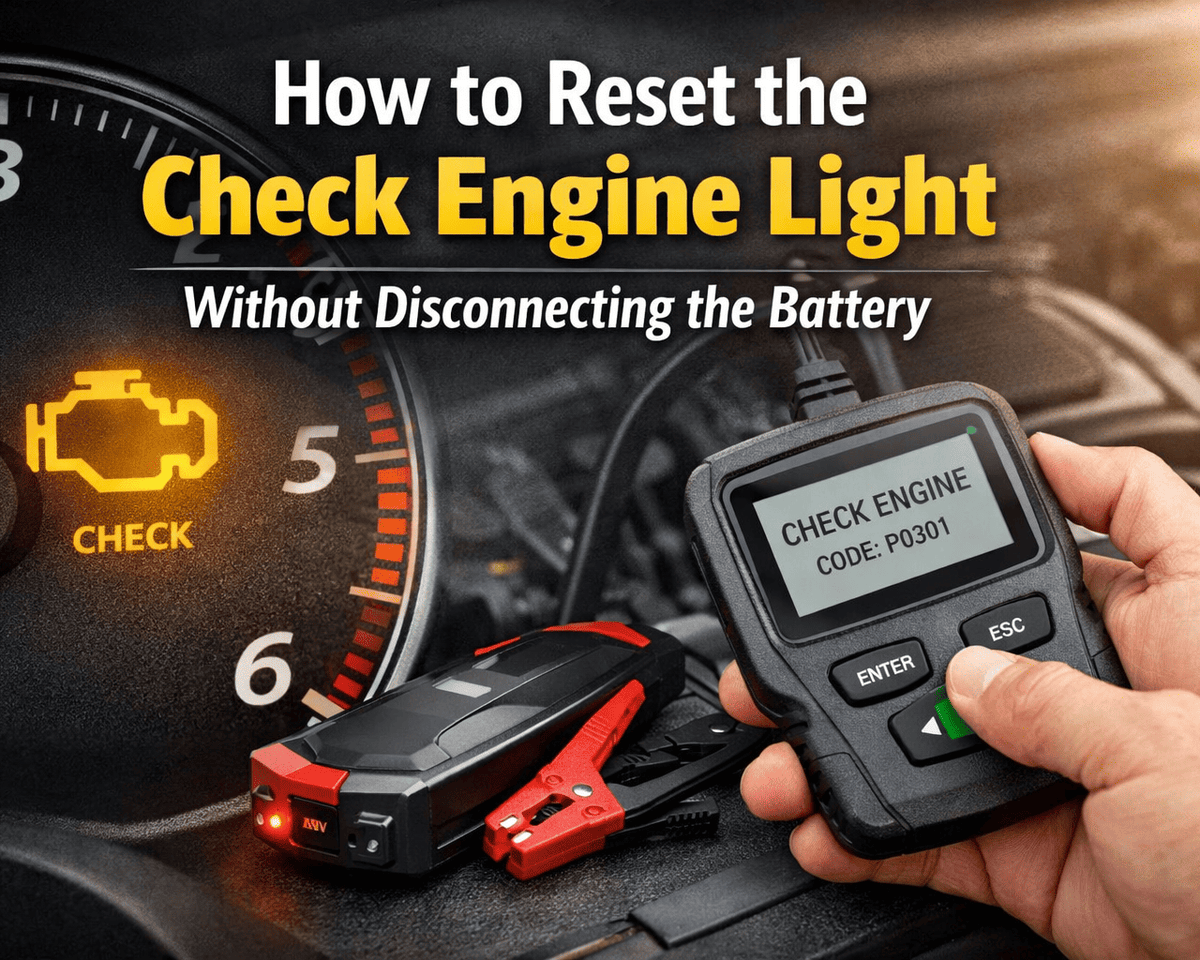
- OBD-II scanner: Plug a scan tool into the diagnostic port under the dashboard. Most auto parts stores offer free code reading and clearing.
- Drive cycle: Fix the problem, then drive normally for a few days. The car’s computer may reset the light after several trips.
- Visit a mechanic: Some codes need professional tools to reset.
Credit: us.gooloo.com
Comparing Reset Methods
Understanding the pros and cons helps you choose the right approach. Here’s a quick comparison:
| Method | Effectiveness | Risks | Cost |
|---|---|---|---|
| Battery Disconnect | Works for simple issues | Loss of presets; not always effective | Free |
| OBD-II Scanner | Very effective | None if used properly | Low (some stores do for free) |
| Drive Cycle | Works if problem is fixed | Takes time; may not reset all codes | Free |
| Mechanic Reset | 100% effective | May charge fee | Medium to High |
Common Mistakes To Avoid
Many beginners make errors when trying to reset the check engine light. Here are some to avoid:
- Disconnecting only the positive cable: Always remove the negative cable for safety.
- Short disconnect time: Waiting less than 10 minutes often doesn’t work.
- Ignoring the real problem: Resetting the light doesn’t fix what triggered it.
- Forgetting radio codes: Some cars require a code to unlock the radio after power loss. Check your owner’s manual.
How Long Does It Take For The Check Engine Light To Reset?
If you fix the problem, the check engine light may go off on its own after several driving cycles. Usually, this takes about 50 to 100 miles of normal driving. But if you just clear the light (by disconnecting the battery or using a scanner) without fixing the problem, the light will probably come back soon.
Risks Of Disconnecting The Battery
While disconnecting the battery is simple, there are risks:
- Loss of settings: As mentioned, you’ll lose radio presets, clock, and possibly window or seat memory.
- Security systems: Some cars have anti-theft systems that may lock you out after a reset.
- Emission test failure: If you clear trouble codes before a smog check, your car may fail because the computer hasn’t finished its self-tests.
Real-world Example
Let’s imagine your check engine light comes on during your morning commute. You check the gas cap and tighten it, hoping it’s the cause. The light stays on. You disconnect the battery for 20 minutes, reconnect, and start the car.
The light is gone, but after two days, it returns. This means the problem wasn’t just the gas cap—there’s a deeper issue. You decide to visit an auto parts store, use their OBD-II scanner, and find a code for an oxygen sensor.
Now, you know what to fix.
Battery Disconnect Vs. Obd-ii Reset: Key Differences
It’s easy to think both methods do the same thing. But there are important differences.
| Battery Disconnect | OBD-II Scanner |
|---|---|
| Removes all memory (codes, settings, radio) | Targets only trouble codes |
| May trigger security system issues | No effect on security |
| Does not tell you the code cause | Shows problem details |
| Free, but not always effective | Often free at parts stores, always works if problem is fixed |
Credit: www.youtube.com
Non-obvious Insights Most Beginners Miss
- Drive cycle matters for inspections: If you disconnect the battery before a state emission test, your car’s computer may not have run all self-checks. This can cause an automatic fail—even if nothing is wrong. Always allow several days of driving after a reset before getting tested.
- Some cars need radio codes: Certain models require you to enter a security code to use the radio after a battery reset. If you don’t have the code, you may need to visit a dealer.
Should You Always Reset The Check Engine Light Yourself?
If the light comes on, it’s tempting to clear it and hope for the best. But this can hide a real problem. It’s better to:
- Read the trouble code (with a scanner or at a parts store)
- Fix the actual issue (replace a sensor, tighten the gas cap, etc.)
- Then clear the light
This approach saves you time and money in the long run and avoids bigger breakdowns.
When To See A Professional
If the check engine light is blinking or you notice poor performance, loud noises, or smoke, don’t try to reset the light yourself. These are signs of serious problems that can damage your engine. Go to a mechanic right away.
Quick Reference: What To Do When The Check Engine Light Comes On
- Check for obvious problems (loose gas cap, low oil).
- Note if the light is steady or blinking.
- Visit an auto parts store for a free code read.
- Fix the problem if you can.
- Reset the light only after repairs.
- If the light returns, consult a professional.
Credit: us.gooloo.com
Useful External Resource
For more details on how On-Board Diagnostics work, visit the Wikipedia OBD page.
Frequently Asked Questions
What Is The Safest Way To Reset The Check Engine Light?
The safest way is to use an OBD-II scanner to read and clear the code after fixing the problem. This avoids losing radio settings and won’t trigger anti-theft issues.
How Long Should I Leave The Battery Disconnected To Reset The Check Engine Light?
Wait at least 15 minutes after removing the negative battery cable. For some cars, waiting up to 30 minutes ensures all power drains from the system.
Will Disconnecting The Battery Erase All Codes And Settings?
It will erase most trouble codes and personal settings like radio presets, clock, and sometimes seat or window memory. But some permanent codes may remain.
Why Does My Check Engine Light Come Back After A Reset?
If you haven’t fixed the root cause, the car’s computer will detect the problem again and turn the light back on. Always repair the actual issue before resetting.
Can I Pass A State Inspection Right After Resetting The Check Engine Light?
No. After a reset, the car’s computer needs time to complete self-tests (drive cycles). If you go for inspection too soon, you may fail because the system is “not ready. ”
Taking the right steps with your check engine light keeps your car running smoothly and helps you avoid bigger problems down the road. Always fix the cause, not just the symptom, and use the battery disconnect reset only as a last resort or temporary measure.