
When you see your check engine light blinking, then stopping, it can feel confusing and sometimes frightening. Most car owners know this light means something is wrong, but not everyone understands what it really means when the light blinks, then goes off. Is it safe to drive? Do you need to call a mechanic now? Or is it just a small problem? This article will clear up the mystery and help you understand what’s happening in your car.
What Is The Check Engine Light?
The check engine light is part of your car’s onboard diagnostics system (OBD). When your car’s computer detects a problem, it turns on this warning light. Sometimes, the light stays solid. Other times, it flashes or blinks. Each signal can mean something different about your car’s health.
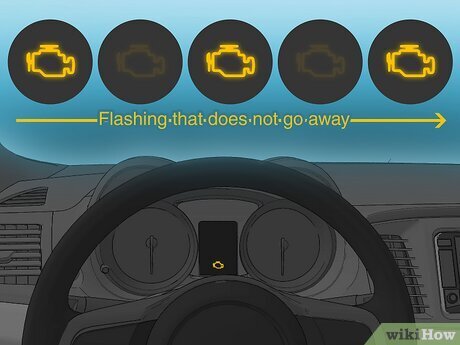
A steady light usually means there’s a problem, but it’s not an emergency. A blinking or flashing light usually means the problem is more serious and could damage your engine or catalytic converter if you keep driving.
Why Does The Check Engine Light Blink?
A blinking check engine light is your car’s way of saying, “Stop driving and fix this now!” This is different from a steady light, which can often wait for a mechanic. The most common reason for a blinking light is an engine misfire. A misfire means that one or more cylinders in your engine are not working correctly. This can cause unburned fuel to go into the exhaust system, which can damage your catalytic converter—a very expensive part to replace.
Common Causes Of A Blinking Check Engine Light
- Engine misfire
- Ignition coil failure
- Spark plug problems
- Fuel injector issues
- Bad sensors (like oxygen sensors)
- Serious vacuum leaks
- Wiring or electrical problems
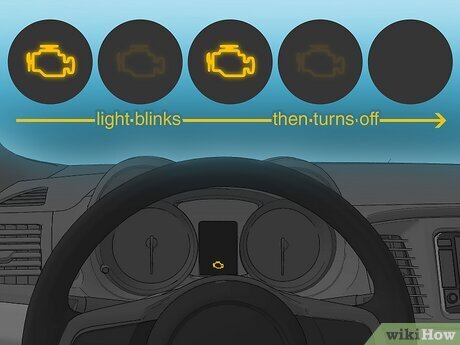
These issues can cause the light to blink, sometimes only for a few seconds and then stop. When the issue is not constant, the light may go off by itself, making you think the problem is gone—but it may not be.
Credit: www.wikihow.com
Why Does The Check Engine Light Blink And Then Stop?
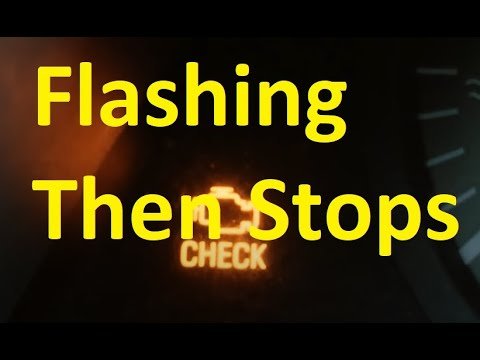
It’s confusing when the check engine light blinks, then stops. This usually means the problem happened for a short time and then went away. Here are some reasons why this happens:
- Temporary misfire: Sometimes, a spark plug or coil fails for a moment, causing a misfire, but then works fine again.
- Loose connection: A wire or sensor may lose contact for a second, then reconnect.
- Bad fuel: Water or dirt in the gas can cause a quick engine problem.
- Weather changes: Cold or wet weather can affect engine electronics for a short time.
Even if the light stops blinking, the car’s computer may have saved a trouble code. A mechanic can read this code and find out what happened.
What To Do When Your Check Engine Light Blinks Then Stops
If your check engine light blinks and then stops, you should not ignore it. Here’s what you should do:
- Pull over safely: If the light is blinking, slow down and find a safe place to stop.
- Check for obvious problems: Open the hood (if you feel safe) and look for things like loose wires, disconnected hoses, or fluid leaks.
- Listen and feel: Is the engine running rough, shaking, or making strange noises?
- Drive slowly: If you must keep driving, go slowly and avoid hard acceleration.
- Check your gas cap: Sometimes, a loose gas cap can cause the light to come on. Tighten it and see if the problem returns.
- Scan for codes: If possible, use an OBD2 scanner to read the codes. Many auto parts stores will do this for free.
- See a mechanic soon: Even if the light stops, the problem may return or cause more damage over time.
Is It Safe To Keep Driving?
A blinking check engine light means it’s not safe to keep driving for long. This is especially true if:
- The engine feels rough
- You hear knocking sounds
- The car shakes or loses power
If you ignore these signs, you risk damaging your catalytic converter or engine. Repairs can quickly become very expensive. If the light stops blinking and your car runs fine, you may be okay to drive a short distance to a repair shop. But do not ignore the warning.
How Mechanics Diagnose The Problem
When you bring your car to a mechanic, they use an OBD2 scanner to read the trouble codes stored in your car’s computer. These codes help them find the cause of the blinking light.
Here’s a look at the basic process:
| Step | What Happens |
|---|---|
| 1. Scan Codes | Mechanic connects scanner, reads error codes |
| 2. Visual Check | Looks for loose wires, leaks, or obvious damage |
| 3. Test Drive | May drive the car to see if problem repeats |
| 4. Component Testing | Tests spark plugs, coils, sensors, and fuel system |
| 5. Repair & Clear Codes | Fixes the issue, clears the codes, and re-checks |
A good mechanic will also check for hidden problems that can cause the light to blink again in the future.
Credit: www.wikihow.com
Common Problems That Cause A Blinking Check Engine Light
Let’s look closer at the main reasons for a blinking check engine light that stops:
Engine Misfire
This is the most common reason. When a spark plug, coil, or injector fails, the engine does not burn fuel correctly. You may feel the car shake or lose power.
Ignition Coil Failure
The ignition coil makes the spark for your engine. If it fails, one or more cylinders stop working. This often happens in cars with high mileage.
Spark Plug Problems
Old or dirty spark plugs can cause misfires. Replacing spark plugs is cheap and can solve many blinking light problems.
Fuel Injector Issues
If a fuel injector is dirty or fails, the engine gets too much or too little fuel. This can cause a short misfire, then correct itself.
Bad Sensors
A failing oxygen sensor or mass airflow sensor can confuse the car’s computer. This can cause the engine to run badly for a short time.
Electrical Or Wiring Problems
Broken or corroded wires can lose connection for a second, causing a misfire or sensor error.
Vacuum Leaks
A vacuum leak lets air into the engine where it should not go. This can cause a short misfire, especially when the engine is cold or under heavy load. According to the U.S. Environmental Protection Agency, vehicle emissions standards and onboard diagnostic systems are designed to identify problems that can increase pollution.
Cost Of Fixing The Problem
The cost to fix a blinking check engine light can vary a lot. Here’s a comparison of common repair costs:
| Problem | Estimated Cost (USD) |
|---|---|
| Spark plug replacement | $50 – $150 |
| Ignition coil replacement | $100 – $400 |
| Fuel injector repair | $150 – $600 |
| Oxygen sensor replacement | $120 – $350 |
| Catalytic converter replacement | $900 – $2,500+ |
Fixing the problem early can save you hundreds or even thousands of dollars.
How To Prevent Check Engine Light Problems
Prevention is always better than repair. You can do a few simple things to reduce the chance of a blinking check engine light:
- Keep up with regular maintenance: Change spark plugs, filters, and fluids as recommended.
- Use quality fuel: Bad gas can cause engine problems.
- Fix small issues quickly: Don’t ignore rough running, strange sounds, or warning lights.
- Check wires and hoses: Look for wear, cracks, or loose connections.
- Don’t overload your car: Heavy loads can stress the engine and cause misfires.
Here’s a quick overview of how often to check common items:
| Item | How Often To Check |
|---|---|
| Spark plugs | Every 30,000 miles (48,000 km) |
| Ignition coils | Every 60,000 miles (96,000 km) |
| Oxygen sensors | Every 60,000-90,000 miles (96,000-145,000 km) |
| Air filters | Every 15,000 miles (24,000 km) |
| Fluids | Every oil change |
Two Insights Many Car Owners Miss
First, many people think if the light stops blinking, the problem is gone. In reality, your car’s computer remembers every trouble event. Even if the light goes out, the stored code can help find hidden problems before they get worse.
Second, using cheap or low-quality spark plugs and parts can cause recurring issues. Always use the right parts for your car. Saving a few dollars now can cost much more in repairs later.
Real-world Example
Let’s say you’re driving and the check engine light blinks for a few seconds, then stops. The car seems fine afterward. Later, the light comes on again, this time solid. You bring your car to a mechanic. The scan shows a misfire code. The mechanic finds a worn spark plug. Replacing it fixes the problem, and the light stays off. If you had ignored the blinking light, the problem could have damaged the catalytic converter, costing you much more.
When Should You Get Help?
If your check engine light blinks, even if it stops, you should:
- Get your car checked within a few days
- Avoid long trips until a mechanic looks at it
- Watch for signs like rough running, smoke, or loss of power
If you’re not sure, it’s better to ask a professional than risk a bigger problem.
Where To Learn More
For more technical information about check engine lights and car diagnostics, you can visit the On-board diagnostics Wikipedia page.
Frequently Asked Questions
What Does It Mean When My Check Engine Light Blinks Then Stops?
A blinking check engine light means your engine has a serious problem, often a misfire. If it stops, the problem may be temporary, but your car’s computer keeps a record. It’s important to have the car checked soon.
Is It Safe To Drive If The Check Engine Light Stops Blinking?
It may be safe to drive a short distance, but you should visit a mechanic quickly. If the engine feels rough, shakes, or loses power, stop driving and get help right away.
Can A Loose Gas Cap Cause A Blinking Check Engine Light?
A loose gas cap usually causes a steady check engine light, not a blinking one. However, it’s always smart to check the gas cap first, as it’s an easy fix for some warning light issues.
Will The Check Engine Light Reset Itself After A Problem?
If the problem does not return, the light may turn off after a few drive cycles. But the trouble code stays in the computer. A mechanic can read the code and find out what happened.
How Much Does It Cost To Fix A Blinking Check Engine Light?
Costs range widely. Simple repairs like spark plugs may cost $50–$150. More serious issues, like a catalytic converter, can cost over $2,000. Diagnosing and fixing the problem early saves money.
Your car’s check engine light is a warning you should never ignore, especially if it blinks. Even if the light stops, your car may need attention. Act quickly, and you can avoid bigger and more expensive problems in the future.
Credit: www.youtube.com
