
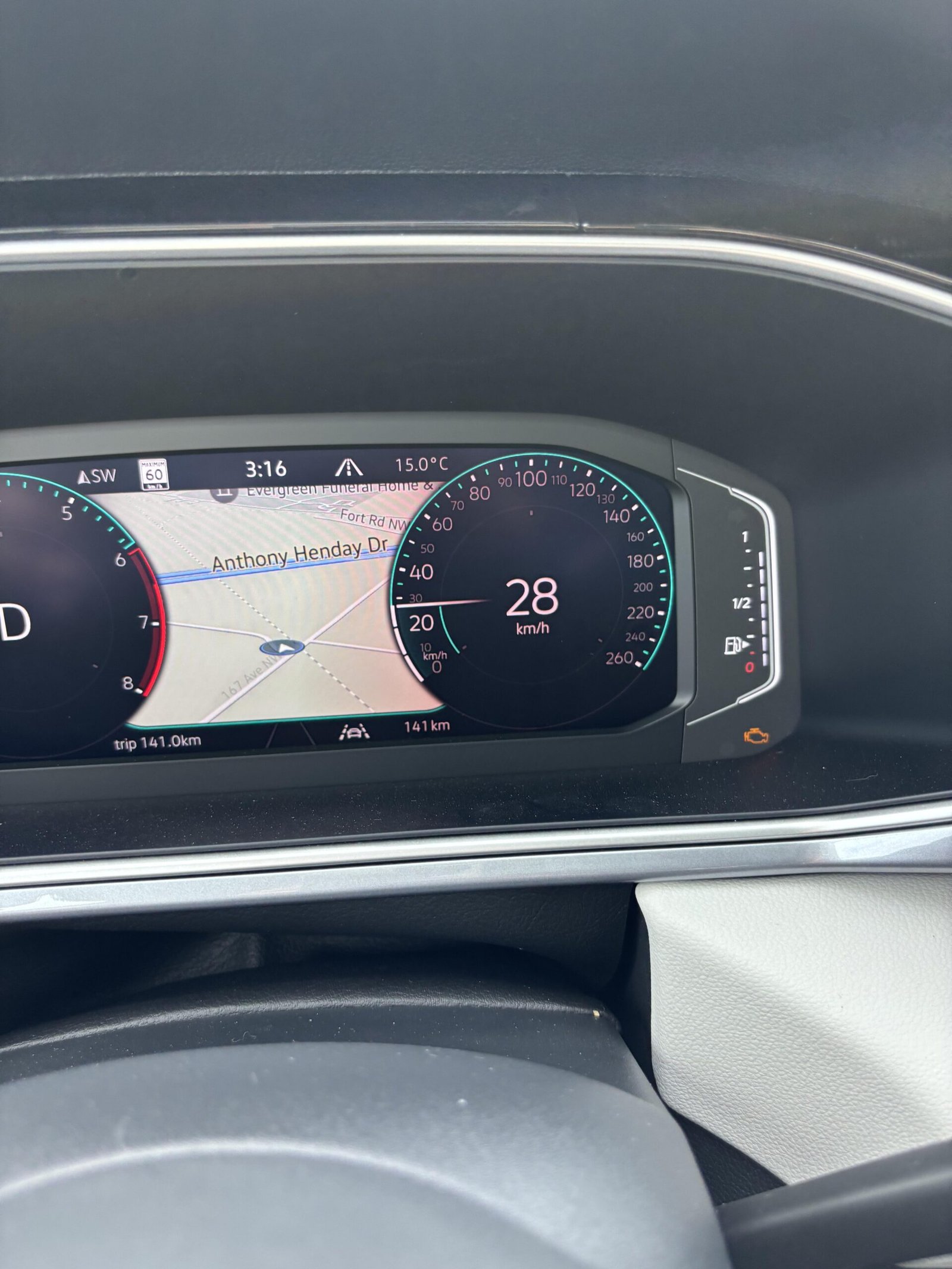
When you see the check engine light and notice a burning smell while driving, it’s more than just an inconvenience. These two warning signs together could mean a serious problem with your car. Many drivers ignore the check engine light, hoping it will go away. But when it comes with a strong burning odor, you must pay attention. Ignoring these signals can turn a small issue into a much larger and more expensive repair. This article explains what it means when you experience both, what could be causing it, how to diagnose the problem, and what steps to take next. Understanding these warning signs can save you money, keep your car running longer, and even protect your safety.
What Does The Check Engine Light Mean?
The check engine light (CEL), also called the malfunction indicator lamp (MIL), is your car’s way of telling you something is wrong. This light is part of your car’s on-board diagnostic system (OBD-II). When the car’s computer finds a problem with the engine or emissions system, it turns on the check engine light.
There are many reasons why this light comes on. Sometimes, it’s a simple issue like a loose gas cap. Other times, it signals something more serious, like a failing catalytic converter or an engine misfire. The check engine light will not tell you the exact problem.
It’s a warning to get your car checked soon.
If the light is steady, the problem is usually not urgent, but you should still get it checked. If the light is blinking, it means a serious issue that needs immediate attention, like a misfire that can damage your catalytic converter.
What Does A Burning Smell Indicate?
A burning smell from your car is never normal. It can come from many sources, such as leaking fluids, worn-out parts, or electrical issues. The type of smell can give you clues about what’s wrong:
- Burning oil often smells acrid and sharp, like asphalt or tar.
- Burning rubber is a strong, chemical smell, often from belts or hoses.
- Burning plastic or electrical smell can mean wires are overheating or melting.
- Burnt clutch or brakes give off a sharp, metallic odor.
If the burning smell appears at the same time as the check engine light, it usually means a more serious problem.
Common Causes Of Check Engine Light With Burning Smell
When you have both a check engine light and a burning odor, here are the most common reasons:
1. Oil Leak Onto Hot Engine Parts
Leaking engine oil can drip onto the exhaust manifold or other hot engine components. This creates a strong burning oil smell and can trigger the check engine light if the leak affects sensors or engine performance. You might also see smoke coming from under the hood.
2. Coolant Leak (antifreeze)
If coolant leaks onto hot engine parts, it can create a sweet, burning smell. The check engine light might come on if the engine overheats or if the leak causes a loss of coolant pressure. Overheating can quickly lead to engine damage.
3. Transmission Fluid Leak
Transmission fluid leaking onto the exhaust or engine can create a burning, chemical smell. Low fluid levels can cause the check engine light to turn on due to transmission overheating or slipping.
4. Worn Or Slipping Serpentine Belt
A slipping or failing serpentine belt can give off a burning rubber smell. The check engine light may come on if the belt stops powering the alternator, water pump, or other vital systems.
5. Electrical Short Or Melted Wires
Burning plastic or electrical odors often mean a wire or component is overheating. This can cause the check engine light due to faulty sensors or lost connections.
6. Overheated Brakes Or Clutch
If you ride the brakes or the clutch, you might notice a burning smell, especially in manual cars. In rare cases, brake or clutch issues can trigger the check engine light if ABS or transmission sensors are involved.
7. Exhaust System Problems
A failing catalytic converter or exhaust leak can cause both a burning smell and a check engine light. A clogged catalytic converter can overheat and even glow red-hot.
8. Leaking Power Steering Fluid
Power steering fluid dripping onto hot parts can produce a burning oil or chemical smell. If the leak affects engine performance or sensors, the check engine light may turn on.
9. Blown Gasket
A blown valve cover gasket or head gasket can let oil or coolant leak onto hot engine surfaces, causing burning smells and triggering the check engine light.
10. Failed Turbocharger (in Turbo Cars)
A failing turbo can leak oil, overheat, or have internal damage. You may notice a burning smell, loss of power, and a check engine light.
How To Diagnose The Problem
Finding out what’s wrong is important before you spend money on repairs. Here are some practical steps:
1. Check For Obvious Leaks
Open the hood and look for oil, coolant, or other fluid leaks. Pay attention to any smoke or wet spots.
2. Pay Attention To The Smell
Try to describe the burning smell. Is it sweet, acrid, like rubber, or plastic? The type of smell gives clues about the source.
3. Scan For Trouble Codes
Use an OBD-II scanner to read the trouble codes stored in your car’s computer. Most auto parts stores offer free code reading. Write down the codes you find. According to the U.S. Environmental Protection Agency, vehicle emissions standards and onboard diagnostic systems are designed to identify problems that can increase pollution.
4. Check The Engine Temperature
If your engine is running hotter than normal, this could mean a coolant leak or another serious problem.
5. Inspect Belts And Hoses
Look for worn, cracked, or loose belts and hoses. Check for melted or burned areas.
6. Look Under The Car
After parking, check for any spots or puddles under your car. Oil, coolant, or transmission fluid leaks are easier to spot this way.
7. Notice When It Happens
Does the smell appear only when you accelerate, brake, or idle? Timing can help narrow down the cause.
Here’s a simple comparison of common smells and their likely sources:
| Burning Smell Type | Common Source | Possible Danger |
|---|---|---|
| Oil | Leaking engine oil | Engine fire, damage |
| Rubber | Serpentine belt, hose | Loss of power, engine overheating |
| Sweet (antifreeze) | Coolant leak | Overheating, head gasket failure |
| Plastic/electrical | Wiring, fuse, or connector | Electrical fire, loss of controls |
What Should You Do Next?
If you notice both a check engine light and a burning smell, do not ignore it. Here’s what you should do:
1. Pull Over Safely
If the burning smell is strong, or you see smoke, safely pull over and turn off the engine. Do not keep driving—a small fire or major damage could be minutes away.
2. Do A Visual Inspection
Open the hood (carefully, as it may be hot) and look for obvious signs of trouble. Never touch hot parts.
3. Check Fluid Levels
If you know how, check oil, coolant, and transmission fluid levels. Low levels can confirm a leak.
4. Read The Trouble Codes
Use an OBD-II scanner or ask an auto parts store to scan for codes. This can help a mechanic diagnose the problem faster.
5. Call For Help If Needed
If you see flames, a lot of smoke, or cannot find the problem, call roadside assistance or a tow truck. It’s better to be safe than risk more damage.
6. Visit A Mechanic
Even if the car seems to drive normally, have a professional check it as soon as possible. Delaying repairs can lead to bigger issues.
Common Mistakes Drivers Make
Many people make mistakes when they see a check engine light and smell something burning. Avoid these errors:
- Ignoring the Warning: Hoping the light or smell will go away on its own can lead to expensive repairs.
- Continuing to Drive: Driving with a burning smell can be dangerous, especially if there’s a fire risk.
- Guessing the Problem: Replacing parts based on guesses can waste money. Always diagnose with a scan tool.
- Using the Wrong Fluids: Topping up with the wrong oil or coolant can make things worse.
- Not Checking for Recalls: Some burning smells come from design flaws. Search for recalls on your car model.
Credit: www.reddit.com
How Mechanics Diagnose And Repair The Issue
When you bring your car to a mechanic, they follow a process to find the problem:
1. Ask For Details
Mechanics will ask when you notice the smell, how strong it is, and if any other symptoms appear.
2. Visual Inspection
They will check for leaks, burnt areas, or melted wires.
3. Code Reading
Mechanics use professional OBD-II scanners to read trouble codes and live data from your car’s sensors.
4. Test Drive
They may drive the car to reproduce the symptoms.
5. Pressure And Dye Tests
For hidden leaks, mechanics use pressure tests or UV dyes to spot fluid leaks.
6. Targeted Repairs
Based on findings, they will replace gaskets, belts, hoses, sensors, or wiring as needed.
Here’s how different burning smells can impact repair costs:
| Smell Source | Typical Repair Needed | Average Cost (USD) |
|---|---|---|
| Oil Leak | Gasket replacement | $150 – $400 |
| Coolant Leak | Hose or radiator repair | $100 – $350 |
| Burned Belt | Belt replacement | $80 – $200 |
| Wiring Issue | Wire repair/replacement | $100 – $600 |
Preventing Future Problems
You can reduce the risk of a check engine light and burning smell by following some simple steps:
- Regular Maintenance: Change oil, coolant, and other fluids on schedule.
- Check for Leaks: Look under your car regularly for any fluid spots.
- Inspect Belts and Hoses: Replace worn parts before they break.
- Monitor Engine Temperature: Never drive if your car is overheating.
- Respond Quickly: If you notice new smells or warning lights, address them quickly.
Credit: www.reddit.com
Two Insights Most Beginners Miss
- Small Leaks Can Become Big Problems: Even a tiny oil or coolant leak can cause a burning smell and trigger the check engine light. Over time, these leaks can damage expensive engine parts or cause a fire.
- Electrical Smells Are Especially Dangerous: Many drivers ignore a faint burning plastic smell. But this can mean an electrical short, which can quickly turn into a car fire. This is one problem that should never be ignored.
For more technical details about engine warning lights, you can visit the Wikipedia page on Check Engine Lights.
Frequently Asked Questions
What Should I Do First If I Notice A Burning Smell And The Check Engine Light Comes On?
Safely pull over and turn off your engine. Check for signs of smoke or leaks, and do not continue driving if the smell is strong or if you see smoke. Get your car checked as soon as possible.
Is It Safe To Drive With The Check Engine Light And A Burning Smell?
No, it is not safe. The burning smell can mean a fire risk or major mechanical problem. Driving further could cause more damage or even put you in danger.
Can A Loose Gas Cap Cause A Burning Smell And Check Engine Light?
A loose gas cap can trigger the check engine light, but it does not cause a burning smell. If you smell burning, there is likely another problem.
How Much Does It Cost To Fix This Problem?
The cost depends on the cause. Small leaks may cost $100–$300 to fix, while more serious issues like wiring or catalytic converter problems can cost $500 or more.
How Can I Prevent This From Happening Again?
Keep up with regular maintenance, check for leaks, and replace worn belts, hoses, and fluids on time. Address any new smells or warning lights right away.
A burning smell combined with a check engine light should never be ignored. Acting quickly protects your car, your wallet, and your safety. If you experience these warning signs, get your vehicle checked by a professional mechanic as soon as possible.
Credit: www.reddit.com