
If your Check Engine Light Comes On After Refueling, it can feel scary. You may worry that the car has a serious fuel or engine problem. In many cases, the issue is small and easy to fix. But sometimes the light is warning you about something that needs attention soon.
This problem often starts right after a stop at the gas station. That timing is important. It can point to a loose gas cap, a fuel system pressure issue, or a small leak in the evaporative emissions system. The good news is that many of these causes are simple once you know what to look for.
In this guide, you will learn why the light turns on after refueling, what it usually means, what you should check first, and when you should get professional help. You will also learn a few easy mistakes to avoid so you do not make the problem worse.
Why the light often appears right after a fill-up
Modern cars do not just burn fuel. They also control fuel vapor. Gasoline gives off vapor, and your car is designed to keep those fumes from escaping into the air. That system is called the evaporative emissions system, or EVAP system.
When you refuel, the fuel tank gets full and the vapor space changes fast. If something in the EVAP system is not sealed properly, the car may notice a pressure change and turn on the check engine light. That is why the warning often shows up right after the pump shuts off.
This does not always mean the engine itself is damaged. In many cases, the car is reacting to a fuel vapor leak, not a driving problem. Still, the system is important, and the light should not be ignored for too long.
The EVAP system in simple words
The EVAP system stores fuel vapors from the gas tank and sends them back into the engine to be burned. This helps reduce pollution and keeps fumes from escaping. It includes parts like the gas cap, fuel lines, purge valve, vent valve, charcoal canister, and pressure sensor.
If one of these parts does not seal, open, or close the way it should, the car may detect a leak. The computer then stores a trouble code and turns on the check engine light.
Why refueling triggers the warning
Refueling changes the pressure in the fuel tank. A weak seal that may not cause problems during normal driving can become obvious after you add gas. This is why a loose gas cap is one of the most common reasons the light comes on after a fill-up.
Sometimes the issue is not the cap itself. A cracked hose, a stuck valve, or even overfilling the tank can create the same result. The car does not know the exact human mistake. It only sees a pressure problem and reports it.
Common reasons this happens
Several things can cause the Check Engine Light Comes On After Refueling. Some are minor. Some need repair. Knowing the common causes helps you react the right way.
| Possible cause | How common it is | What it may feel like | Urgency |
|---|---|---|---|
| Loose or damaged gas cap | Very common | No clear driving symptoms | Low to medium |
| Overfilled fuel tank | Common | Light comes on after topping off | Low to medium |
| EVAP hose leak | Common | Usually no strong symptoms | Medium |
| Purge valve problem | Moderate | Rough idle in some cases | Medium |
| Charcoal canister issue | Less common | Fuel smell or poor vapor control | Medium to high |
| Fuel tank pressure sensor fault | Less common | Light only, often no symptoms | Medium |
1. Loose gas cap
This is the first thing to check. A gas cap that is not tightened fully can let fuel vapors escape. Many cars detect that leak quickly.
It may sound too simple, but it is one of the most common reasons the light turns on after refueling. If you just filled up and the cap was not clicked into place, the computer may notice the leak within a few drive cycles.
What makes this easy to miss
Some gas caps feel tight even when they are not fully sealed. Dirt on the seal, a worn rubber ring, or a cap that was not turned enough can all create a problem. Also, if the cap is old, it may not hold pressure well even when closed.
2. Topping off the tank
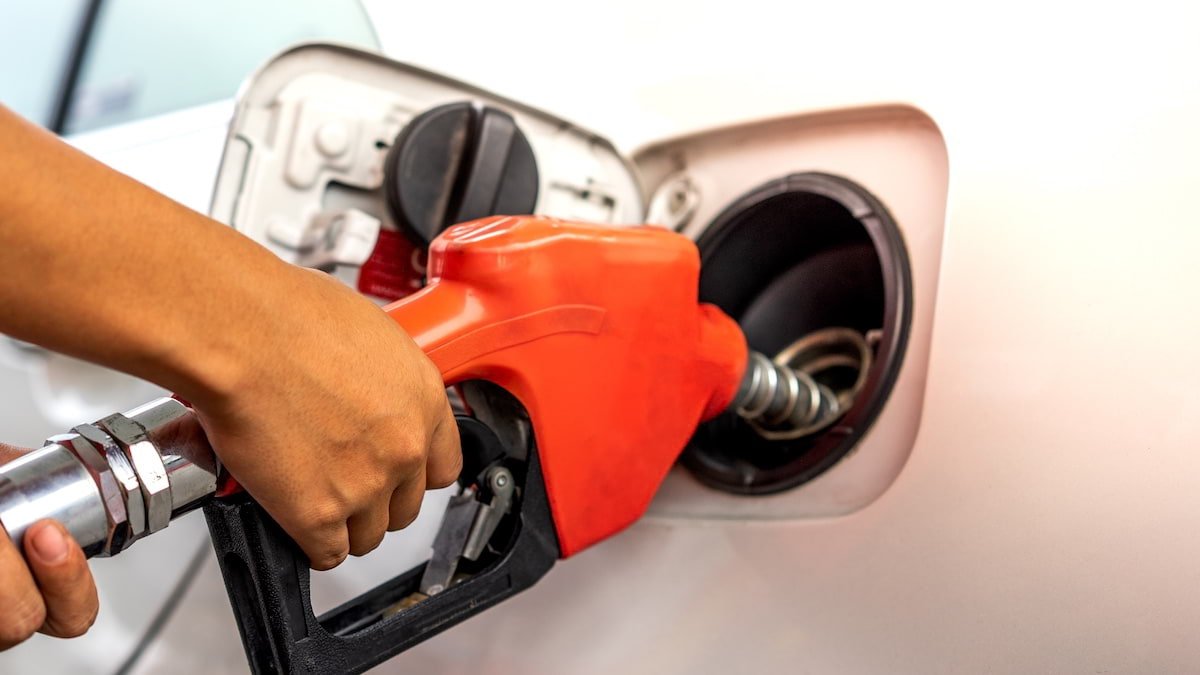
Many drivers keep adding fuel after the pump clicks off. This is called topping off. It may seem harmless, but it can push liquid fuel into parts of the EVAP system that are meant for vapor only.
That can damage the charcoal canister or upset the fuel tank pressure readings. The car may then turn on the check engine light after refueling.
Non-obvious insight: topping off does more than waste a little fuel. It can also create a false pressure condition that looks like a leak to the car’s computer. The damage may not show up right away, which is why the warning sometimes appears on the next drive instead of at the station.
3. EVAP system leak
A small crack in a hose or connector can be enough to trigger the light. These leaks are often tiny and may not cause any driveability symptoms. The car still finds them because it performs self-tests on the fuel system.
Refueling can make the leak easier to detect because tank pressure changes fast. If the leak is in a hose near the tank or filler neck, the problem may show up soon after gas is added.
4. Faulty purge valve
The purge valve helps move fuel vapors from the charcoal canister into the engine when the time is right. If it sticks open or closed, the EVAP system may fail its test.
A stuck purge valve can sometimes cause rough idle, hard starting after refueling, or a fuel smell. But in many cases, the only clear sign is the check engine light.
5. Bad fuel tank pressure sensor
The pressure sensor tells the car how much pressure is in the fuel system. If it sends the wrong reading, the computer may think there is a leak even when there is not one.
This can be tricky because the problem may seem to happen only after refueling. The real issue may be a sensor that reacts badly to pressure changes, not an actual leak.
6. Fuel cap seal or filler neck damage
The cap is not the only sealing point. The filler neck and the area around it must also be in good shape. Rust, dents, or cracked seals can keep the system from closing properly.
If the neck is damaged, changing the gas cap may not solve the problem. This is why a quick visual inspection is useful, but not always enough.
What to do first when the light turns on
Do not panic. The right response depends on how the car is behaving. If the engine feels normal and the light is steady, the problem is often not urgent. If the light is flashing or the car is running badly, that is different.
Credit: justanswer.com
1. Check the gas cap
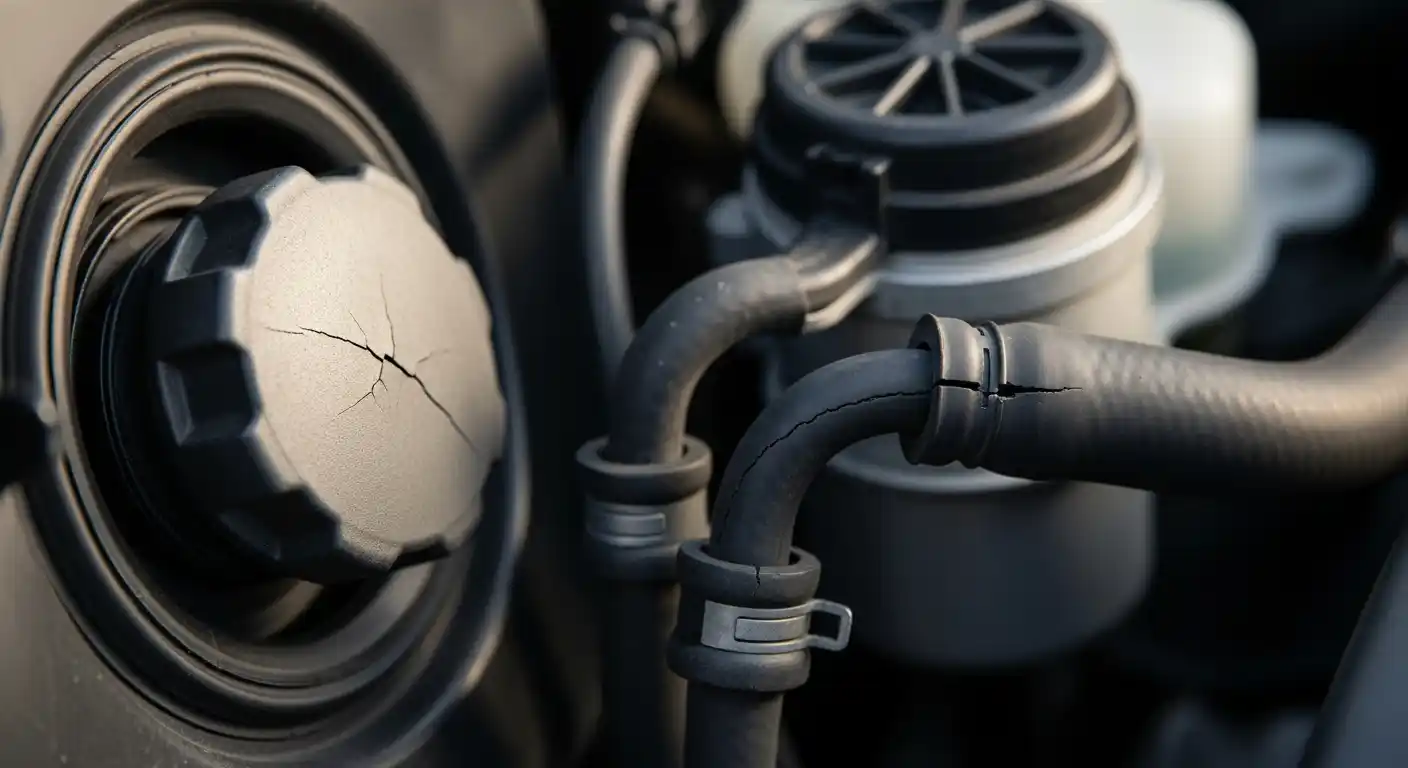
Open the fuel door and remove the gas cap. Look at the rubber seal. Make sure it is clean, soft, and not cracked. Then reinstall the cap and tighten it until it clicks if your car uses a click-style cap.
If the cap was loose, tighten it properly and continue driving. Some cars need several trips before the warning goes away on its own. Others may need the code cleared with a scanner.
2. Wait and monitor the light
If the cap was loose and you fixed it, the light may turn off after a few drive cycles. That can mean the system passed its test again.
If the light stays on for several days, or comes back after you tightened the cap, there is likely another issue. At that point, more diagnosis is needed.
3. Avoid topping off next time
Even if the current issue is small, stop topping off the tank in the future. Let the pump click off naturally. That one habit can save you from EVAP problems later.
Non-obvious insight: many drivers think more fuel means better value. In reality, forcing extra fuel into the tank can create repair costs that are much higher than the small amount of fuel gained. It is one of the easiest fuel-system mistakes to avoid.
4. Watch for fuel smell or driveability changes
If you smell gasoline, notice hard starts, or see poor idling, the problem may be more than a loose cap. Those symptoms suggest a real vapor or fuel control issue.
In that case, it is smart to get the car checked sooner rather than later.
When it is safe to keep driving
In many cases, a steady check engine light after refueling does not mean you must stop driving right away. If the car runs normally, accelerates normally, and does not smell like fuel, you can often drive it to a repair shop or continue your day while you arrange service.
But there are limits. You should not ignore the warning for weeks. The EVAP system may not stop the car today, but a small leak can grow, and a sensor problem can hide a bigger issue.
Also, if the light is flashing, or if the engine is shaking, misfiring, or losing power, treat it as urgent. A flashing light usually means the engine may be damaging the catalytic converter or facing a more serious problem than EVAP alone.
Credit: topgear.com.ph
How mechanics diagnose the problem
A repair shop usually begins by reading the trouble code with a scan tool. This code points them in the right direction. Common codes for refueling-related issues often start with P0440, P0441, P0442, P0455, or similar EVAP codes.
Then the technician may inspect the gas cap, hoses, filler neck, and EVAP parts. In some cases, they use smoke testing. Smoke testing helps find small leaks that are hard to see with the eye alone.
Why codes matter
The check engine light is not the full diagnosis. It only says the car found a problem. The code tells the mechanic which system failed its test, which saves time and avoids random parts replacement.
If you have a scan tool, you can read the code yourself. But do not assume the first code is the only problem. Sometimes a loose cap triggers one code, and a second test reveals a weak valve or hose leak.
What not to do
People often make the problem worse by guessing. A few bad habits can turn a simple issue into a bigger repair.
- Do not keep driving with the gas cap loose. This can let more vapor escape and keep the system from passing its self-test.
- Do not overfill the tank again. If topping off caused the issue, repeating it can damage EVAP parts further.
- Do not clear the code without checking the cause. Resetting the light may hide the problem for a while, but it does not fix it.
- Do not ignore fuel smell. A strong gasoline odor needs attention because it may point to a leak, not just a sensor error.
- Do not replace parts blindly. The gas cap is cheap, but other EVAP parts are not. Diagnosis first usually saves money.
How to prevent it from happening again
Good fuel habits can prevent many of these warnings. You do not need special tools. You just need a few simple routines.
- Turn the gas cap until it clicks fully.
- Replace a cracked or worn gas cap seal early.
- Stop refilling when the pump clicks off.
- Keep the fuel door area clean.
- Fix fuel smell or EVAP codes before they grow into larger problems.
It also helps to use quality replacement parts if the cap or EVAP components need repair. Cheap parts can fit poorly and create the same warning again.
A small habit that helps a lot
After refueling, take five seconds to check that the cap is tight. That tiny step can prevent a warning light, a repair bill, and a lot of stress later.
How serious is this problem really?
Most of the time, a check engine light that appears after refueling is not an emergency. It is often a vapor leak or a cap problem. But “not an emergency” does not mean “safe to ignore forever.”
EVAP faults can affect emissions, fuel smell, and inspection results. In some places, the car may fail a smog test if the light is on. Also, if the cause is a real leak, you want it repaired before it becomes larger.
Non-obvious insight: even if the car drives fine, the warning can hide a problem that becomes expensive only later. A small cap seal today can turn into a damaged charcoal canister or repeated code resets if the root cause is not fixed.

Credit: reddit.com
Simple decision guide
If the light came on after refueling, use this quick logic:
- Gas cap loose? Tighten it and monitor the light.
- Tank was topped off? Stop that habit and watch for repeated warnings.
- Fuel smell or rough running? Get the car checked soon.
- Light flashing? Do not delay diagnosis.
- Light stays on after a few days? Read the code or visit a mechanic.
This simple approach helps you act without panic and without wasting money on guesswork.
Useful external resource
If you want a deeper general explanation of the check engine light and how onboard diagnostics work, the U.S. Environmental Protection Agency’s OBD overview is a reliable place to start.
FAQs
1. Why does the check engine light come on after refueling?
It usually happens because the EVAP system detects a fuel vapor leak or pressure change. The most common cause is a loose gas cap, but topping off the tank or a small hose leak can also trigger it.
2. Can a loose gas cap really turn on the light?
Yes. A loose or damaged gas cap is one of the most common reasons the check engine light comes on after refueling. The cap helps seal the fuel system, so even a small leak can be detected.
3. Is it safe to drive with this light on?
Usually, yes, if the light is steady and the car drives normally. But you should check the gas cap first and get the code read soon. If the light flashes or the car runs badly, stop and seek help.
4. Will the light go off by itself after I tighten the gas cap?
Sometimes it will, but not always right away. Some cars need several drive cycles before the computer turns the light off. Others may need the code cleared after the problem is fixed.
5. Can overfilling the tank cause damage?
Yes. Topping off can push liquid fuel into EVAP parts that are designed for vapor only. This can damage the charcoal canister or create repeated check engine light warnings.