
When you are driving, nothing is more worrying than seeing the check engine light suddenly appear on your dashboard. For many car owners, this warning can seem mysterious and stressful. One common cause of the check engine light is a problem with the EGR valve. If you are not a car expert, you may wonder: What is an EGR valve? Why does it make the check engine light come on? What should you do next? In this guide, you will learn everything you need to know about the check engine light and the EGR valve, explained in simple, clear language.
What Is The Egr Valve?
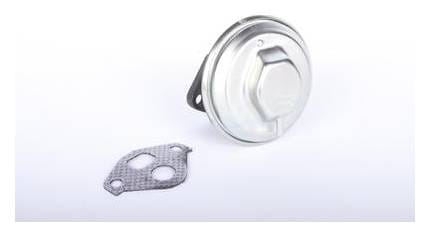
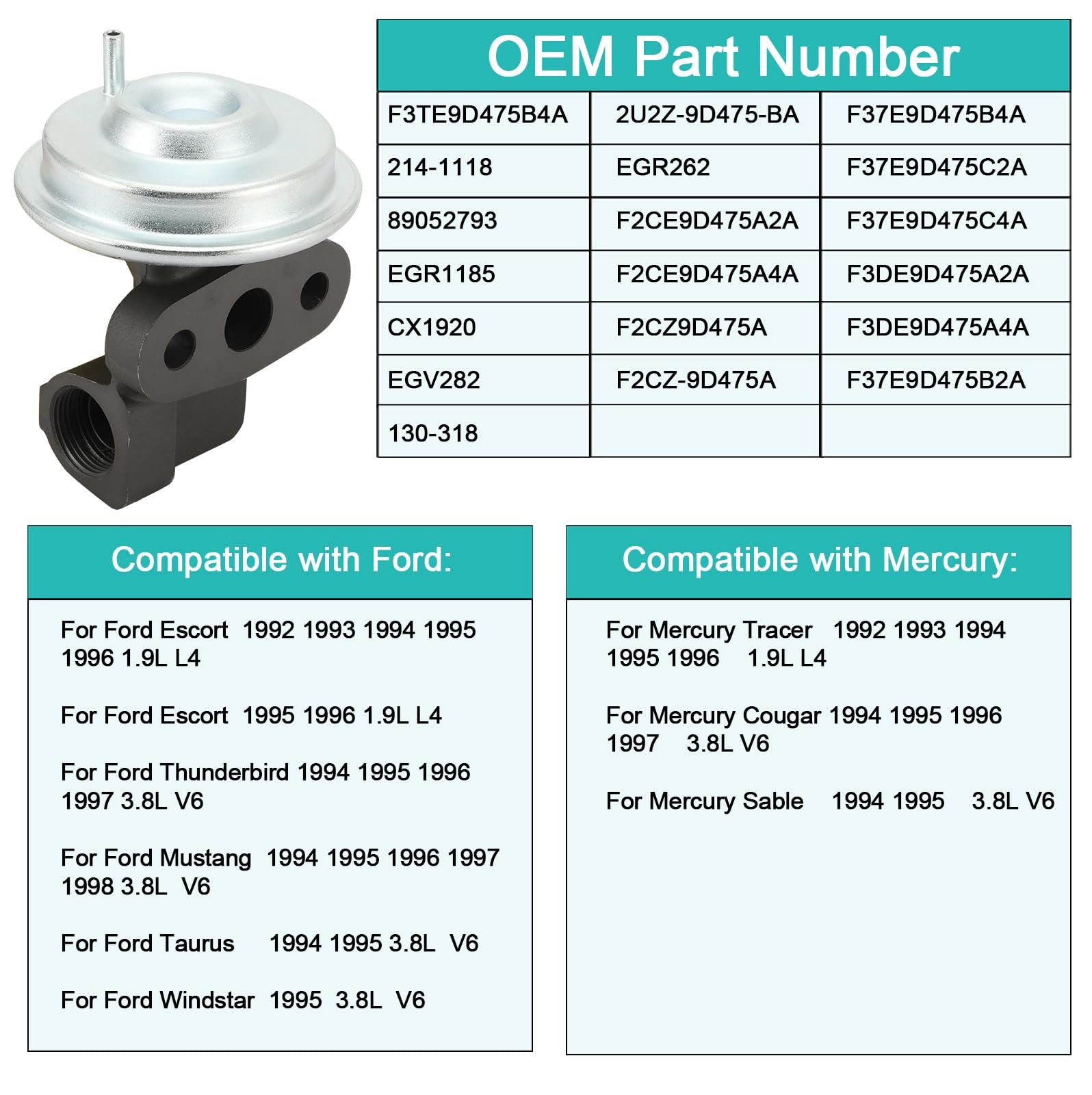
The EGR valve stands for Exhaust Gas Recirculation valve. It is a component found in most modern gasoline and diesel engines. The main job of the EGR valve is to reduce harmful emissions. It does this by taking some of the exhaust gases from the engine and sending them back into the intake manifold, where they mix with fresh air and fuel. This process helps lower the engine’s temperature and reduces the amount of nitrogen oxides (NOx) released into the air.
There are two main types of EGR valves:
- Vacuum-operated EGR valves (older vehicles)
- Electronic EGR valves (newer vehicles)
A properly working EGR valve helps your car run cleaner and smoother. When it fails, both engine performance and emissions can be affected.
Why Does The Egr Valve Trigger The Check Engine Light?
When your car’s computer (ECU) detects a problem in the EGR system, it turns on the check engine light. This warning is your first sign that something is wrong. The EGR valve can cause the light to come on for several reasons, such as:
- Sticking open or closed: The valve can get stuck due to carbon buildup or mechanical failure.
- Faulty wiring or connections: In electronic EGR systems, broken wires or sensors can trigger a warning.
- EGR flow issues: If too much or too little exhaust gas is recirculated, the system will notice the imbalance.
Sometimes, the check engine light is the only symptom. Other times, you may notice rough engine idle, poor acceleration, or increased fuel use.
Common Symptoms Of A Faulty Egr Valve
A bad EGR valve often causes more than just a warning light. Here are the most frequent symptoms you might notice:
- Rough idling: The engine shakes or feels unstable when stopped.
- Engine knocking or pinging: You hear unusual noises, especially at low speeds.
- Poor acceleration: The car feels slow or weak when you try to speed up.
- Increased fuel consumption: You use more gasoline or diesel than usual.
- Failed emissions test: Your car does not pass government pollution standards.
If you experience any of these issues along with the check engine light, it is likely the EGR valve is to blame.
How Mechanics Diagnose Egr Valve Problems
When you visit a workshop with the check engine light on, a mechanic will use several steps to find the exact problem.
Step 1: Code Reading
The first tool used is an OBD-II scanner. This device plugs into your car and reads the error codes stored in the computer. For EGR problems, common codes are P0401, P0402, and P0404.
| Code | Meaning | Possible Cause |
|---|---|---|
| P0401 | Insufficient EGR Flow | Blocked EGR passages or stuck valve |
| P0402 | Excessive EGR Flow | Valve stuck open or sensor issue |
| P0404 | EGR Circuit Range/Performance | Faulty EGR valve or wiring |
Step 2: Visual Inspection
The mechanic checks the EGR valve and its connections for damage, leaks, or buildup.
Step 3: Functional Testing
For electronic EGR valves, the mechanic may use a multimeter to test electrical signals. For vacuum-operated valves, they may use a hand pump to see if the valve opens and closes.
Step 4: Removal And Cleaning
If the valve looks clogged, they may remove and clean it to see if this fixes the problem.
Can You Drive With The Check Engine Light On?
If the check engine light is on because of the EGR valve, you can usually drive your car for a short time. However, there are some risks:
- Reduced engine performance: You may notice less power or rough running.
- Higher emissions: Your car will pollute more, which can be illegal in some areas.
- Possible engine damage: Over time, running with a faulty EGR valve may harm other parts, such as the catalytic converter.
If the light is flashing, stop driving immediately. A flashing light means a severe problem that can damage the engine.
How To Fix An Egr Valve Problem
Fixing the EGR valve depends on the cause. In some cases, cleaning the valve is enough. Other times, you must replace it. Here’s what to expect:
- Cleaning the EGR valve: Mechanics often remove the valve and clean it with a special spray to remove carbon deposits.
- Replacing the EGR valve: If cleaning does not work, the valve must be replaced with a new one.
- Checking related parts: Sometimes, hoses or sensors connected to the EGR system also need service.
Here is a comparison of costs for cleaning versus replacing the EGR valve:
| Service | Estimated Cost (USD) | Time Required |
|---|---|---|
| Cleaning EGR Valve | $70 – $200 | 30 min – 1 hour |
| Replacing EGR Valve | $200 – $600 | 1 – 2 hours |
Most beginners miss that simply clearing the check engine light with a scanner does not fix the root problem. The light will return if the EGR issue is not solved.
Credit: www.mcsweeneyarms.ie
Diy: Can You Clean Or Replace The Egr Valve Yourself?
Many car owners wonder if they can handle an EGR valve problem at home. The answer depends on your skill level and tools. Cleaning is possible for those with basic mechanical knowledge. Replacing the valve is more advanced but can be done with patience. According to the U.S. Environmental Protection Agency, vehicle emissions standards and onboard diagnostic systems are designed to identify problems that can increase pollution.
Tools Needed
- Wrenches or sockets
- Screwdrivers
- EGR valve cleaner spray
- Gloves and eye protection
Basic Steps To Clean The Egr Valve
- Disconnect the battery for safety.
- Locate the EGR valve (check your car’s manual).
- Remove the valve from the engine.
- Spray and clean the valve using EGR cleaner and a brush.
- Reinstall the valve and reconnect any hoses or wires.
- Reconnect the battery and test drive the car.
Caution: Always check if your car requires a new gasket when refitting the valve. Also, some EGR valves are hard to reach and may require removing other parts first.
Preventing Egr Valve Problems
Prevention is cheaper and less stressful than repair. Here are ways to avoid EGR valve trouble:
- Use quality fuel: Cheap fuel leaves more carbon deposits.
- Drive at highway speeds sometimes: Short trips cause more buildup.
- Change oil regularly: Clean oil keeps the system working well.
- Use fuel additives: Some can help clean the EGR system.
A non-obvious tip: If you drive mostly in the city, consider a “blowout drive”—taking your car on the highway for 20 minutes at higher speed. This helps burn off carbon in the EGR system.
Credit: www.youtube.com
Egr Valve Vs Other Causes Of Check Engine Light
It is easy to assume the EGR valve is always the problem, but the check engine light can mean many things. Here is a comparison of EGR valve issues versus other common causes:
| Cause | Main Symptoms | Typical Repair Cost |
|---|---|---|
| EGR Valve Fault | Rough idle, poor acceleration, increased emissions | $70 – $600 |
| Oxygen Sensor Fault | Poor fuel economy, failed emissions test | $100 – $350 |
| Loose Gas Cap | No symptoms, just warning light | $0 (just tighten cap) |
| Ignition Coil Fault | Misfires, rough running, loss of power | $150 – $400 |
Understanding the differences can save you time and money. It is always a good idea to scan for error codes before making repairs.
How Egr Valve Issues Affect Emissions And The Environment
The EGR valve is a key part of your car’s emission system. When it fails:
- Nitrogen oxide emissions rise: This gas contributes to smog and respiratory problems.
- You may fail state inspections: Many places require a working EGR system.
- Your car’s resale value drops: Buyers and dealers check for emission system problems.
Many drivers do not realize that a faulty EGR valve can cause engine overheating in some cases, further increasing repair costs.
When To Seek Professional Help
If you are not comfortable working on your car or if cleaning/replacing the EGR valve does not fix the check engine light, it is time to visit a mechanic. Look for a workshop that:
- Uses modern diagnostic tools
- Has experience with your car brand
- Offers a warranty on parts and labor
Never ignore the check engine light for long. Even if your car seems to run fine, hidden problems can become expensive if left untreated.
Frequently Asked Questions
What Does The Check Engine Light Mean For My Egr Valve?
The check engine light means the car’s computer has detected a problem in the EGR system. It could be due to a faulty valve, sensor, or wiring issue. You should scan for error codes to confirm the exact cause.
Is It Safe To Keep Driving With An Egr Valve Problem?
You can usually drive for a short time, but you may notice poor performance or higher emissions. If the light is flashing or you hear loud noises, stop driving and get your car checked immediately.
How Much Does It Cost To Fix The Egr Valve?
Cleaning can cost $70 to $200. Replacing the valve usually costs $200 to $600, depending on your car model and labor rates.
Can I Fix The Egr Valve Myself?
If you have basic tools and car knowledge, you can try cleaning the EGR valve. Replacing it is harder but possible. Always follow safety steps and check your car’s manual.
Where Can I Learn More About Car Emission Systems?
You can find reliable information about vehicle emission systems on the Wikipedia EGR page.
Taking action when your check engine light comes on is smart. Understanding the role of the EGR valve, its symptoms, and how to fix problems will keep your car running well and protect the environment. If you are ever unsure, seek help from a trusted mechanic.
That little warning light is your car’s way of asking for attention—don’t ignore it.
Credit: www.mcsweeneyarms.ie