
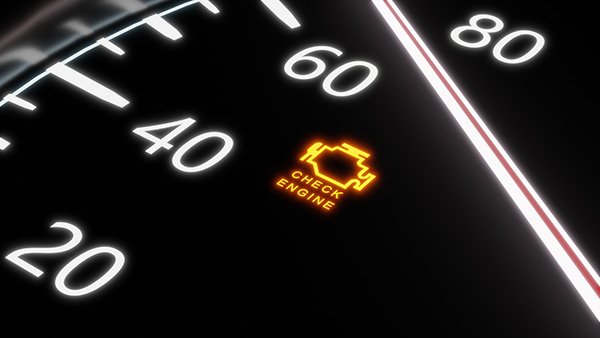
A Check Engine Light Flashing is not the same as a steady warning light. A solid light often means the car needs attention soon. A flashing light usually means something is wrong right now and the engine may be in danger. This is one of those alerts you should not ignore or “drive for a few days” with.
Many drivers feel confused when this happens. The car may still move. It may even feel normal at first. But a flashing light can mean a serious misfire, fuel problem, or another issue that can damage the engine or the catalytic converter very fast. The good news is that you can take the right steps quickly and avoid a bigger repair bill.
In this guide, you will learn what a flashing check engine light means, what causes it, what to do next, and when to stop driving. You will also learn a few mistakes that many drivers make in this situation, so you can protect your car and stay safe.
What a flashing check engine light usually means
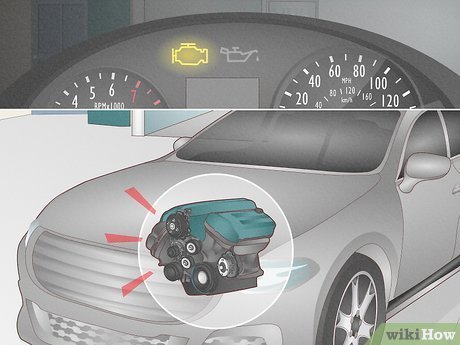
When the Check Engine Light Flashing appears, your car’s computer has found a serious problem in the engine system. In many cases, the engine is misfiring. That means one or more cylinders are not burning fuel the right way.
A misfire can let raw fuel move into the exhaust system. That fuel can overheat and damage the catalytic converter. This part is expensive, and damage can happen quickly. A flashing light is the car’s way of saying, “Stop or fix this now.”
It helps to know the difference between warning lights:
- Steady check engine light — the issue needs attention, but it is usually not an emergency.
- Flashing check engine light — the problem may be active and severe enough to cause fast damage.
- Red warning lights — these often mean immediate safety risk, such as oil pressure or overheating.
A flashing light is serious even if the car still feels drivable. Sometimes the engine may shake, lose power, or smell like fuel. Other times the symptoms are small. Do not wait for the car to get worse before acting.
Common reasons the light starts flashing
There are several likely causes, but one of the most common is engine misfire. Misfire can happen for many reasons, and the fix depends on the real cause. Here are the most common problems behind a flashing check engine light.
1. Faulty spark plugs or ignition coils
Spark plugs and ignition coils help ignite the air-fuel mix inside the engine. If one fails, that cylinder may stop firing correctly. This is a common cause of a flashing light, especially in older cars or cars with overdue maintenance.
Signs may include rough idle, shaking, weak acceleration, and poor fuel economy. In some cases, the car may hesitate when you press the gas.
2. Fuel system problems
If the engine does not get the right amount of fuel, it may misfire. A clogged fuel injector, weak fuel pump, dirty fuel filter, or bad sensor can lead to this issue.
Fuel problems are tricky because they may come and go. The light may flash during hard acceleration, on hills, or when the engine is under load.
3. Vacuum leaks
The engine needs the correct balance of air and fuel. A vacuum leak lets extra air into the system and can upset that balance. This may cause rough running and misfires.
Vacuum leaks can come from cracked hoses, loose intake parts, or damaged seals. They are easy to miss without a proper inspection.
4. Catalytic converter trouble
The catalytic converter helps reduce harmful exhaust gases. If it is damaged or overheated, the check engine light may flash. This often happens after a long misfire, not before it.
This is one reason the problem should not be ignored. A small misfire can turn into a costly exhaust repair if you keep driving.
5. Sensor or computer issues
Sometimes the problem is not a major mechanical failure. A bad oxygen sensor, mass airflow sensor, or engine control issue can trigger the light. Still, the car should be checked soon because sensors affect how the engine runs.
What to do right away
If the Check Engine Light Flashing comes on, take the situation seriously. Your first actions can prevent more damage.
- Ease off the gas and avoid hard acceleration.
- Check how the car feels. If it shakes badly, loses power, or smells like fuel, the problem may be severe.
- Find a safe place to stop if the engine is running rough.
- Turn the car off if it is shaking hard or making unusual noises.
- Do not keep driving long distances unless a mechanic tells you it is safe.
Many drivers make a costly mistake here. They think, “The car still runs, so it must be okay.” That is not always true. A flashing light can mean damage is happening while you continue driving.
If you are close to home or a repair shop and the car seems only mildly rough, drive gently and avoid heavy throttle. But if the engine is bucking, the dashboard shows more warnings, or power is dropping fast, it is safer to pull over and call for help.
Credit: wikihow.com
Should you keep driving?
In most cases, the answer is no for long drives. A flashing light usually means the engine is misfiring strongly enough to cause harm. Short, careful driving may be possible only if the car is still running fairly smoothly and you need to reach a nearby safe place.
Here is a simple way to think about it:
- Minor roughness but stable car — drive gently to a nearby mechanic if needed.
- Strong shaking, loud popping, or low power — stop driving as soon as it is safe.
- Fuel smell, smoke, or overheating — shut the engine off and get help immediately.
One non-obvious point many beginners miss: even if the engine seems to settle down after a few minutes, the underlying problem may still be there. Intermittent misfires can be harder to diagnose and sometimes more expensive if ignored.
How a mechanic diagnoses the problem
A repair shop will usually start by reading the car’s diagnostic trouble codes with a scan tool. These codes point to the system or cylinder that is failing. The mechanic may also watch live sensor data while the engine runs.
A proper diagnosis often includes:
- Reading stored trouble codes
- Checking for misfire counts
- Inspecting spark plugs and ignition coils
- Testing fuel pressure and injector performance
- Looking for vacuum leaks
- Checking the catalytic converter if needed
It is tempting to buy the first part that “might” fix the issue. That is a common mistake. A flashing light does not always mean a spark plug is bad. Replacing random parts can waste money and still leave the real problem unsolved.
If you want to learn more about how onboard diagnostics work, the National Highway Traffic Safety Administration has helpful vehicle safety information.
Can you check the code yourself?
Yes, in many cars you can use an OBD2 scanner to read the trouble code. This can help you understand whether the issue is a misfire, sensor problem, or fuel system issue. It is a useful first step, but it is not always the full answer.
For example, a code for a misfire on cylinder 3 does not always mean the spark plug is the only problem. The cause could be a coil, injector, vacuum leak, wiring problem, or compression issue inside the engine.
A scanner is helpful for direction, not for guessing blindly. If you are not comfortable with diagnostics, it is better to let a mechanic inspect the car before more damage happens.
What not to do when the light flashes
Some actions make the problem worse. Avoid these common mistakes:
- Do not keep driving at highway speed if the light is flashing.
- Do not ignore the warning because the car “still feels okay.”
- Do not clear the code immediately before understanding the cause.
- Do not replace parts at random without checking the system.
- Do not assume it is a small problem just because the light later turns off.
Another beginner mistake is filling the fuel tank and hoping the light goes away. Fuel level does not usually fix a flashing check engine light. If the problem is real, the warning will return.
Credit: tlmotors.com
How urgent is the repair?
A flashing light should be treated as urgent, usually same day if possible. If the car is shaking badly or smells hot, stop driving and arrange towing. If the car is still running and you are near a trusted shop, drive there carefully without delay.
Think of urgency in this simple way:
| Symptom | What it may mean | What to do |
|---|---|---|
| Light flashes briefly, car feels almost normal | Possible minor or early misfire | Get scanned soon and drive gently |
| Light keeps flashing, engine shakes | Serious misfire | Stop driving and arrange repair |
| Flashing light plus fuel smell or smoke | High risk of damage or fire-related issue | Shut off engine and call for help |
| Flashing light plus overheating | Possible major engine stress | Pull over immediately |
The faster the problem is diagnosed, the more likely you are to avoid expensive follow-up damage. A small ignition repair is far cheaper than a destroyed catalytic converter or long-term engine damage.
Why the problem can get expensive fast
A flashing light is dangerous because one small failure can trigger a chain reaction. Misfire creates extra heat in the exhaust system. Extra heat can damage the catalytic converter. A weak engine can also put stress on other parts.
That is why delaying the repair is risky. The issue may start as a bad coil or spark plug, but it can grow into a much larger repair if the car keeps running under stress.
Two non-obvious things many drivers miss:
Short trips can still cause damage
Some people think only long highway drives are a problem. In reality, repeated short trips with a flashing light can still damage parts, especially if the misfire happens every time the engine starts cold.
The light may flash only under load
A car may seem fine at idle, then misfire during uphill driving or acceleration. That often points to a problem that only appears when the engine needs more power. This detail helps a mechanic narrow the cause faster.
Simple prevention tips
You cannot prevent every warning light, but you can lower the chance of a flashing check engine light by keeping the car in good shape.
- Replace spark plugs at the interval recommended by the maker.
- Fix small engine problems early, before they spread.
- Use quality fuel if your car requires it.
- Keep up with air filter and oil changes.
- Do not ignore rough idling, hesitation, or weak acceleration.
Small symptoms are often the first warning before a serious fault. Catching them early can save you time, money, and stress.
What a flashing light means for safety
A flashing check engine light is not only about repair cost. It can also affect safe driving. If the engine loses power while merging, climbing, or crossing traffic, the risk goes up. If raw fuel is entering the exhaust, there may also be a smell that should not be ignored.
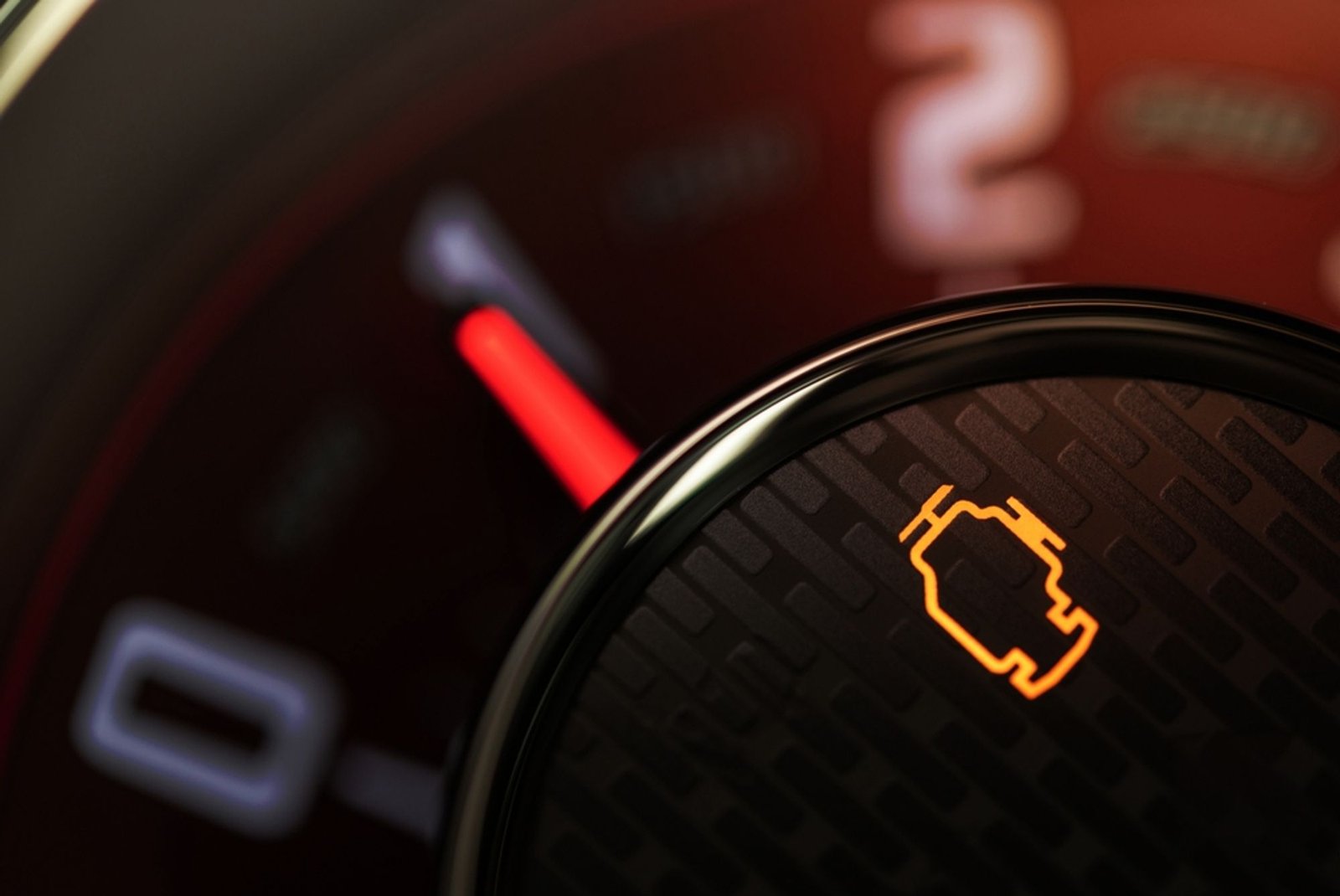
So even if the car still moves, treat the issue with care. Do not assume the warning is just a sensor glitch. In many cases, it is the car’s first and best alert that something serious is happening.
Credit: innova.com
Final thoughts
If you see Check Engine Light Flashing, the safest choice is to slow down, avoid hard driving, and get the car checked quickly. The warning often means an active misfire or another serious engine problem that can cause fast damage. Acting early can protect your engine, your catalytic converter, and your wallet.
When in doubt, do not guess. Read the code, inspect the cause, and fix the issue before it grows. A flashing light is one warning that deserves immediate attention.
FAQs
1. Is a flashing check engine light always serious?
Yes, it should always be treated as serious. It often means the engine is misfiring or another problem is active right now. Even if the car still runs, damage can happen quickly.
2. Can I drive with a flashing check engine light?
Only for a very short distance, and only if the car is still running smoothly enough to reach a nearby safe place or repair shop. If the engine shakes hard, smells like fuel, or loses power, stop driving.
3. What is the most common cause of a flashing check engine light?
One of the most common causes is an engine misfire from bad spark plugs or ignition coils. Fuel system problems and vacuum leaks can also cause the light to flash.
4. Will the light go away on its own?
Sometimes it may stop flashing if the problem is intermittent, but that does not mean the issue is fixed. The fault can return, sometimes under harder driving conditions.
5. How soon should I get the car checked?
As soon as possible, ideally the same day. A flashing check engine light can lead to costly damage if the car keeps running with the problem unresolved.