
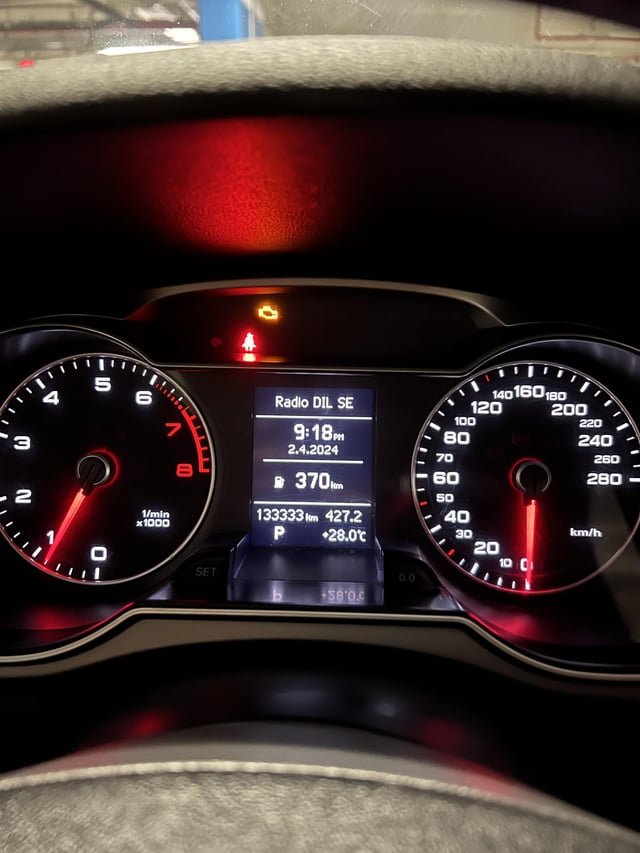
When you’re driving and the check engine light suddenly turns on, it often brings a wave of worry. This simple dashboard symbol can mean many things, but one common cause is a problem with the fuel injector. Understanding why the check engine light links to fuel injector issues can save you time, money, and stress. In this article, you’ll learn what fuel injectors do, how they can trigger warning lights, and what steps you should take next. Let’s break down this topic in a clear, practical way.
What Is A Fuel Injector?
A fuel injector is a small device in your car’s engine. Its main job is to spray a fine mist of fuel into the engine’s combustion chamber. This mixes with air, and the spark plug ignites it, making your engine run. Modern engines have one injector per cylinder, and they work very fast and precisely. If the injector doesn’t work properly, your engine can lose power, idle roughly, or even fail to start.
How Fuel Injectors Work
- The car’s computer (ECU) sends signals to each injector.
- The injector opens and closes rapidly to deliver the right amount of fuel.
- The fuel is sprayed under high pressure, which helps it burn efficiently.
- Good injectors help the engine run smoothly and reduce emissions.
Why The Check Engine Light Comes On
Your car’s computer is always checking for problems. If it finds something wrong with the fuel injection system, it will turn on the check engine light. This is a warning to prevent bigger engine problems.
Common Reasons
- Clogged injector: Dirt or old fuel can block the tiny holes in an injector.
- Leaking injector: An injector that drips fuel when it should be closed causes excess fuel.
- Electrical problems: Broken wires or failed sensors can stop injectors from working.
- Injector stuck open/closed: If the injector cannot open or close, your engine can misfire.
Engine Codes
When the check engine light is on, a mechanic uses a scanner to read error codes. Codes related to fuel injectors include P0200–P0206 (injector circuit malfunction) and P0300–P0306 (misfire detected). Each code points to a cylinder or type of problem.
Symptoms Of A Bad Fuel Injector
Sometimes, the check engine light is your only clue. But often, other symptoms appear when a fuel injector fails.
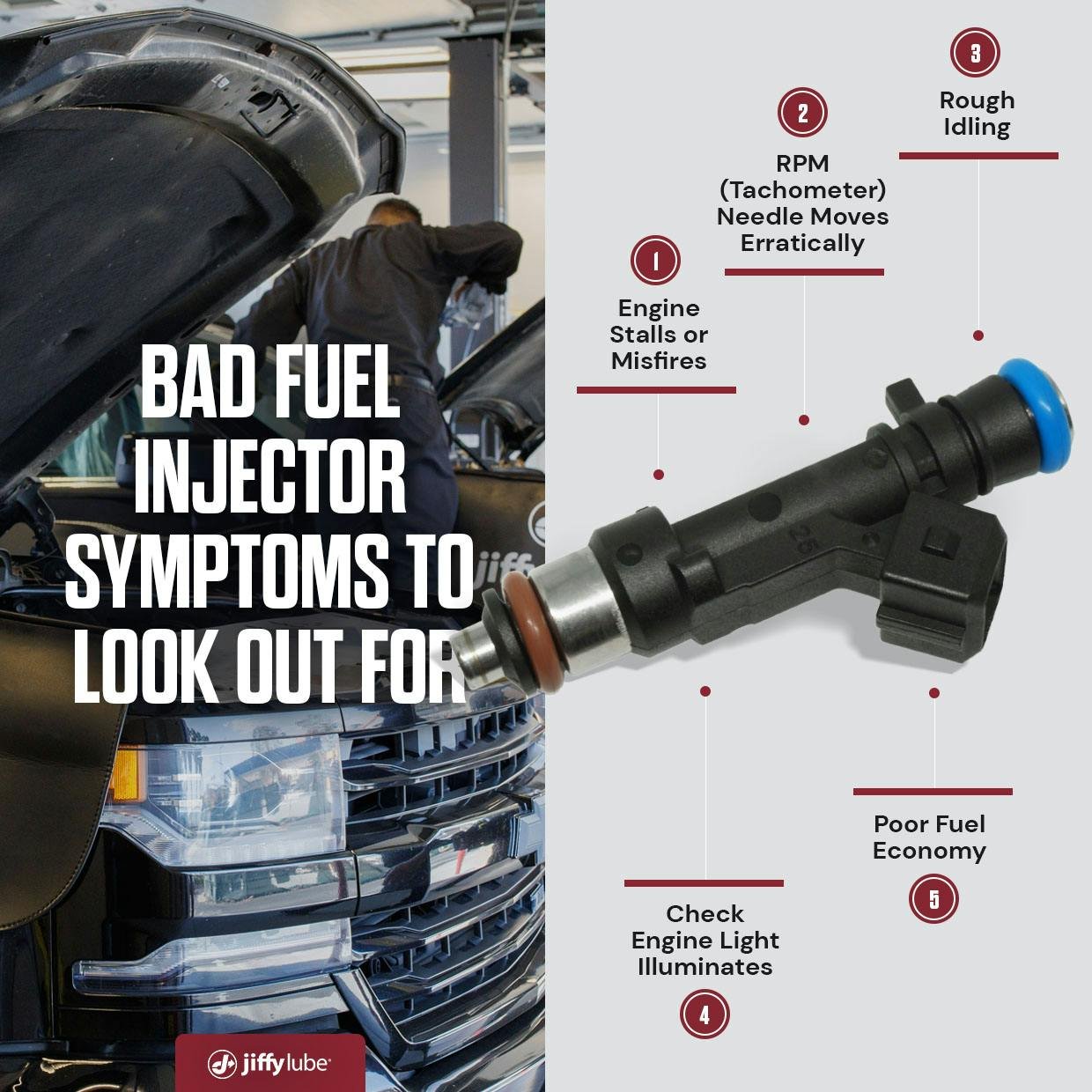
- Rough idle: The engine shakes or vibrates at rest.
- Poor acceleration: The car feels slow or hesitates when you press the gas.
- Increased fuel consumption: You need more fuel for the same distance.
- Failed emissions test: Bad injectors increase pollution.
- Engine misfires: The engine stutters or skips a beat.
- Strong fuel smell: Leaking injectors may cause a gasoline odor.
Diagnosing Fuel Injector Problems
If you see the check engine light, don’t panic. Here’s how to find out if a fuel injector is the problem.
Step-by-step Diagnosis
- Scan for error codes
- Use an OBD-II scanner to read the codes.
- Look for codes related to fuel injectors.
- Listen for misfires
- A steady “ticking” sound when the engine is running is normal.
- If one cylinder is quieter or noisier, that injector may be bad.
- Check injector resistance
- Use a multimeter to measure the electrical resistance.
- Compare with the manufacturer’s specifications.
- Inspect injector spray
- Mechanics can remove the injector and watch the spray pattern.
- A weak or uneven spray means trouble.
- Check for leaks
- Look for wet spots or strong fuel smells near the injectors.
- Monitor fuel pressure
- Low pressure could mean a clogged injector or a fuel pump issue.
Data Example: Common Check Engine Codes
| Error Code | What It Means | Possible Cause |
|---|---|---|
| P0201 | Injector Circuit Malfunction (Cylinder 1) | Wiring, connector, or injector failure |
| P0302 | Misfire Detected (Cylinder 2) | Clogged or leaking injector |
| P0171 | System Too Lean | Clogged injector, vacuum leak |
Repair And Maintenance Options
Once you know a fuel injector is causing the check engine light, you have several options.
Cleaning The Injector
If the injector is clogged but not damaged, cleaning can help. There are two main ways:
- In-tank cleaners: Additives you pour into the fuel tank.
- Professional cleaning: Mechanics use special equipment to clean injectors directly.
Non-obvious insight: In-tank cleaners may not fix severe clogs. Professional ultrasonic cleaning is often more effective.
Replacing The Injector
If an injector is leaking, stuck, or electrically dead, it must be replaced. Most modern cars use injectors that cost between $50–$200 each, plus labor.
Repair Cost Comparison
Here’s a simple comparison of average costs (in USD):
| Service | Parts Cost | Labor Cost | Total Cost |
|---|---|---|---|
| In-tank Fuel Cleaner | $10–$20 | DIY | $10–$20 |
| Professional Cleaning | $0–$10 | $80–$120 | $80–$130 |
| Injector Replacement (each) | $50–$200 | $50–$100 | $100–$300 |
When To Visit A Mechanic
- The check engine light is flashing (engine is misfiring badly).
- You smell strong fuel, which could mean a leak.
- DIY methods didn’t fix the problem.
Preventing Fuel Injector Problems
You can reduce the chance of seeing the check engine light by taking care of your fuel injectors.
Simple Prevention Tips
- Use good quality fuel: Cheap or old fuel can cause deposits.
- Replace fuel filters: A clogged filter sends dirt to the injectors.
- Drive regularly: Cars that sit for months are more likely to develop injector issues.
- Add fuel system cleaner: Every 5,000–10,000 miles, use a cleaner to prevent buildup.
- Fix check engine lights quickly: Don’t ignore warnings, as small problems can grow.
Data Table: Common Fuel Injector Lifespans
| Vehicle Type | Average Injector Life | Maintenance Needed |
|---|---|---|
| Modern Gasoline Car | 80,000–150,000 miles | Occasional cleaning |
| Older Car (pre-1990s) | 60,000–100,000 miles | More frequent cleaning |
| Diesel Vehicle | 100,000–200,000 miles | Regular filter changes |
Non-obvious insight: Short trips and city driving can shorten injector life because the engine does not get hot enough to burn off deposits.
Credit: www.reddit.com
Diy Vs. Professional Repair
Some car owners try to fix fuel injector problems themselves. This can work for simple cleaning, but not for all situations.
Diy Solutions
- Using fuel system cleaner
- Changing fuel filters
- Checking for obvious wiring problems
When A Mechanic Is Needed
- Removing and testing injectors
- Diagnosing complex electrical problems
- Replacing injectors
Tip: If you are not sure, ask a mechanic for a diagnosis. This can prevent accidental damage to your engine.
The Link Between Check Engine Light And Fuel Injectors
The check engine light is a communication tool. It tells you the car’s computer has found a problem. Modern cars have sensors that measure air, fuel, and exhaust. If a fuel injector fails, the mix of fuel and air is wrong. The computer sees this and stores a code, triggering the warning light. According to the U.S. Environmental Protection Agency, vehicle emissions standards and onboard diagnostic systems are designed to identify problems that can increase pollution.
Example Scenario
- A clogged injector sends less fuel.
- The engine runs “lean” (too much air, not enough fuel).
- The oxygen sensor detects extra oxygen in the exhaust.
- The computer triggers the check engine light and stores a code like P0171.
Credit: www.jiffylube.com
Common Mistakes When Dealing With Check Engine Light
Many drivers make the same errors when the check engine light comes on.
- Ignoring the light: Hoping it will go away can lead to engine damage.
- Replacing parts blindly: Changing injectors without diagnosis wastes money.
- Not checking for simple fixes: Sometimes, a loose gas cap or dirty air filter is the cause.
- Using the wrong fuel: Cheap gas can leave deposits and cause injector issues.
How Fuel Quality Affects Injectors
The fuel you use matters a lot. Low-quality or contaminated fuel can clog injectors. In some countries, fuel may have more impurities. Always buy from trusted stations and avoid old or stored fuel.
Fuel Additives: Worth It?
Some additives promise to clean injectors. They can help prevent problems, but won’t fix a seriously clogged or broken injector. Use them as preventive care, not as a cure for big problems.
Environmental Impact
A bad fuel injector doesn’t just harm your car. It can make your engine pollute more. This increases carbon monoxide, hydrocarbons, and nitrogen oxide emissions. Keeping injectors clean is good for your car and the environment.
When To Replace All Injectors
If one injector fails, should you replace just one, or all of them? For most modern cars, you can change only the faulty injector. But if your car is old and others are likely to fail soon, changing all can save future labor costs.
Expert tip: Always use injectors that match your car’s specifications to avoid new problems.
Credit: www.reddit.com
Frequently Asked Questions
Why Does The Check Engine Light Come On For A Fuel Injector Problem?
The car’s computer detects something wrong with the fuel-air mix or the injector’s electrical circuit. It turns on the light to warn you.
How Do I Know If My Injector Is The Cause, Not Something Else?
Reading the error code with an OBD-II scanner helps. Codes like P0201 or P0302 point directly to injector issues.
Can I Drive With A Bad Fuel Injector?
You can drive for a short distance if the car still runs, but you risk damaging the engine or the catalytic converter. Get it checked soon.
Will A Fuel System Cleaner Fix A Check Engine Light?
It might help if the problem is a mild clog. But if the injector is leaking or broken, cleaning will not fix it.
Where Can I Find More Technical Details About Fuel Injectors?
You can read more about how fuel injectors work at the Wikipedia page on fuel injectors.
Keeping your car’s fuel injectors in good shape is key to engine health and performance. If your check engine light comes on, don’t ignore it—find out why, and act quickly. Regular maintenance, quality fuel, and quick repairs will keep you on the road and out of trouble.