
When the check engine light comes on in your Kia, it can feel worrying. You might wonder if it’s a small issue or something that needs immediate attention. For many drivers, the light is just a mystery. But understanding what it means—and what the Kia codes are—can help you feel in control. Let’s dive deep into what triggers this light, how Kia diagnostic codes work, and what you should do next.
What Is The Check Engine Light?
The check engine light is part of your Kia’s onboard diagnostic system, often called OBD-II. When this light comes on, your car’s computer has found something wrong in the engine, exhaust, or related systems. It can be solid or blinking. A solid light usually means a less urgent issue, while a flashing light often points to a serious problem that needs fast action.
Why Does The Check Engine Light Turn On?
There are many reasons for the light to turn on. Here are some of the most common:
- Loose or damaged gas cap
- Faulty oxygen sensor
- Worn spark plugs or wires
- Bad catalytic converter
- Issues with the mass airflow sensor
- Engine misfires
Sometimes, it’s something simple, like the gas cap not being tight. Other times, it’s more complex and needs a mechanic’s help.
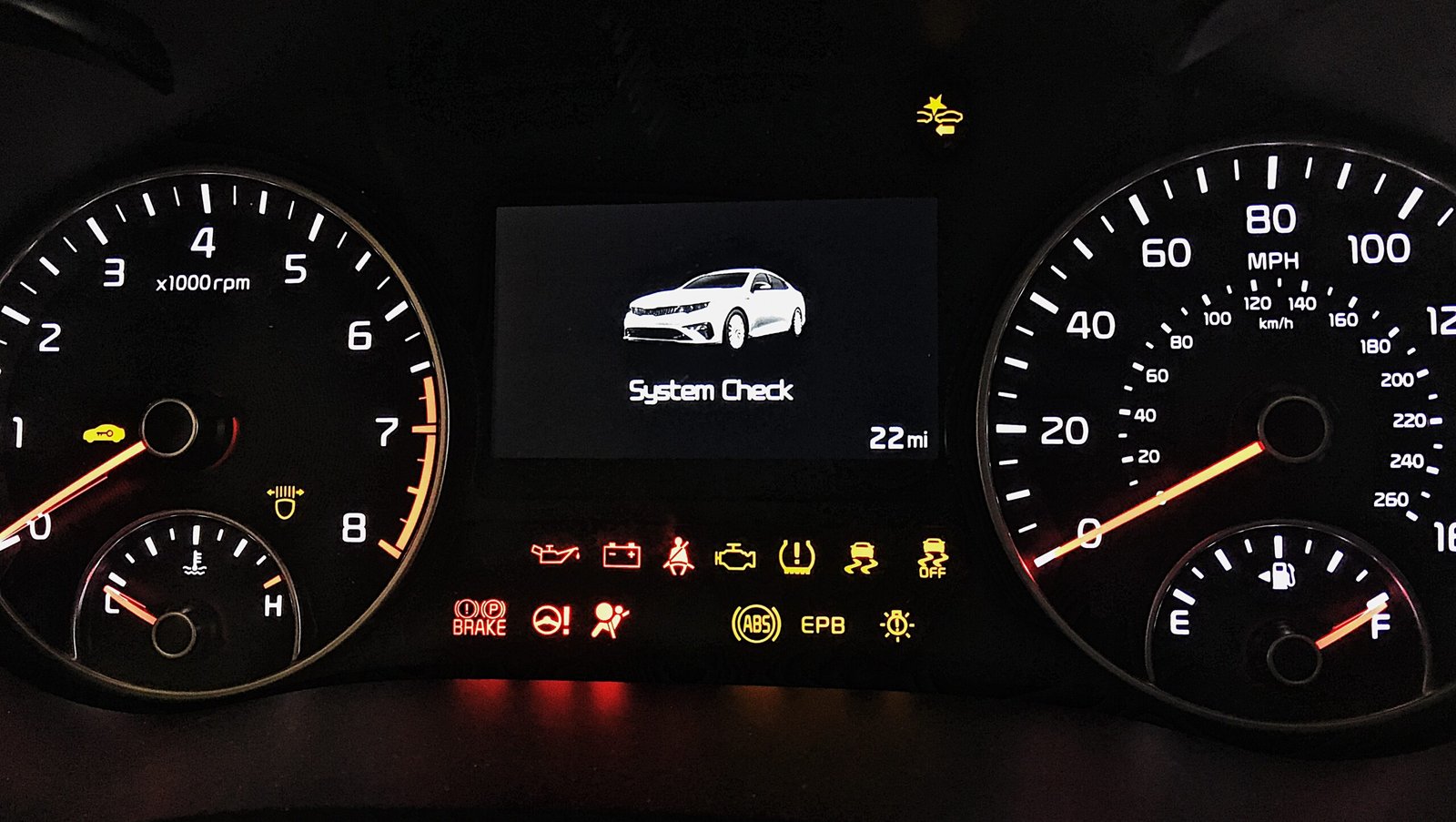
Credit: www.mattblattkiatr.com
Understanding Kia Diagnostic Trouble Codes (dtcs)
When your check engine light comes on, your Kia stores a diagnostic trouble code (DTC) in its computer. These codes help you and your mechanic find out what’s wrong. You can read these codes with a code reader or a scan tool.
How Dtcs Work
DTCs are usually a letter followed by four numbers (for example, P0420). The letter shows the area of the problem:
- P: Powertrain (engine, transmission)
- B: Body (airbags, seat belts)
- C: Chassis (brakes, suspension)
- U: Network (communication between computers)
Most check engine light codes start with P.
Example Of A Kia Code
If your car shows P0301, it means “Cylinder 1 Misfire Detected.” That points to a problem in the first cylinder.
Most Common Kia Check Engine Light Codes
Some codes are seen more often in Kia vehicles. Here are a few you might encounter:
- P0420: Catalyst System Efficiency Below Threshold (Bank 1)
- The catalytic converter isn’t working as it should.
- P0455: Evaporative Emission Control System Leak Detected (gross leak)
- There’s a large leak, often due to a loose gas cap.
- P0171: System Too Lean (Bank 1)
- The engine is getting too much air or not enough fuel.
- P0300: Random/Multiple Cylinder Misfire Detected
- More than one cylinder is misfiring.
- P0442: Evaporative Emission Control System Leak Detected (small leak)
- A small leak in the system, possibly a cracked hose.
- P0133: O2 Sensor Circuit Slow Response (Bank 1, Sensor 1)
- The oxygen sensor is not responding quickly enough.
Knowing these common codes can help you talk with your mechanic and understand what needs fixing.
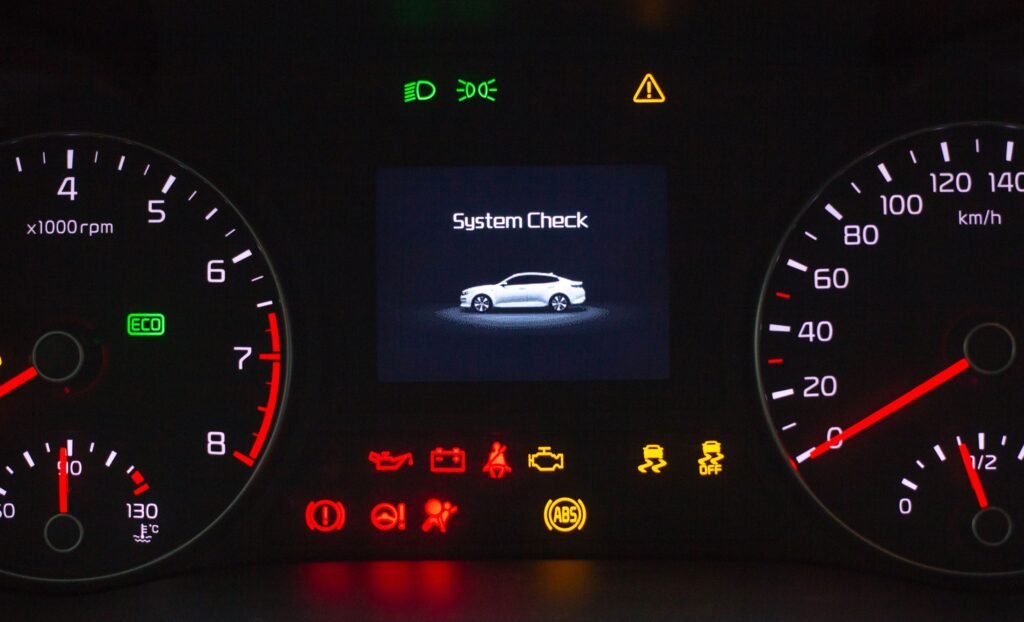
Credit: www.kenstrans.com
How To Read Kia Check Engine Light Codes
You don’t always need to go to the dealer to find out what’s wrong. Here’s how you can read codes yourself:
- Buy or borrow an OBD-II scanner.
- Many auto parts stores will let you use one for free.
- Plug the scanner into the OBD-II port.
- On most Kias, the port is under the dashboard, near the driver’s seat.
- Turn your car’s ignition to “On.”
- You don’t need to start the engine.
- Follow the scanner instructions.
- It will show you the code(s) stored in your car’s computer.
- Look up the meaning.
- Most scanners give a short description, but you can also search online for full details.
Here’s a quick comparison of popular ways to read Kia codes:
| Method | Cost | Ease of Use | Accuracy |
|---|---|---|---|
| OBD-II Scanner (DIY) | Low ($20–$60) | Easy | Good |
| Auto Parts Store Scan | Free | Very Easy | Good |
| Dealership Diagnostic | High ($100+) | Professional | Excellent |
What To Do When Your Kia’s Check Engine Light Comes On
If your check engine light turns on, here’s what you should do:
- Check for urgent symptoms.
- Is the car running rough, making strange noises, or smoking? If yes, stop driving and call for help.
- Tighten the gas cap.
- A loose cap is a common cause. Tighten it and see if the light goes away after a few drives.
- Read the code.
- Use a scanner to get the code and find out what’s wrong.
- Decide on your next step.
- Some problems, like an old oxygen sensor, can wait a few days. Others, like a misfire, need quick repair.
When Should You Stop Driving?
If the light is blinking, or if your car won’t run smoothly, stop and get it checked as soon as possible. A blinking light often means a problem that can damage your engine.
Kia-specific Code Patterns And Insights
Kia vehicles, especially models from the last 10 years, have some unique patterns:
- Evaporative system leaks (P0455, P0442) are common in Kias, especially after fueling up.
- The P0420 code often appears after 80,000–100,000 miles as the catalytic converter ages.
- Oxygen sensor codes (P0133, P0134) can be triggered by even mild exhaust leaks, not just sensor failure.
One insight many owners miss: Sometimes, codes appear in groups. For example, a failing oxygen sensor might trigger both a sensor code and a catalytic converter code. Always fix the root cause first—changing sensors before fixing an exhaust leak won’t solve the problem. According to the U.S. Environmental Protection Agency, vehicle emissions standards and onboard diagnostic systems are designed to identify problems that can increase pollution.
How Mechanics Diagnose And Fix Kia Codes
When you take your Kia to a mechanic, here’s how they usually work:
- Read all stored codes using a professional scanner.
- Check live data from sensors to confirm what’s happening in real time.
- Inspect related parts. For example, if there’s a misfire code, they’ll check spark plugs, coils, and wires.
- Test drive the car to see if the problem is ongoing.
- Clear the codes after repair and retest to make sure the issue is fixed.
Some shops use advanced diagnostic tools just for Kia and Hyundai vehicles. These tools read special manufacturer codes that generic scanners can miss.
Fixing Common Kia Check Engine Light Problems
Let’s look at how to fix the most frequent issues:
- Loose Gas Cap
- Remove and re-tighten the cap. If damaged, replace it. It’s a cheap fix, often under $20.
- Oxygen Sensor Failure
- These sensors usually last 60,000–100,000 miles. Replacing one can cost $150–$300.
- Catalytic Converter Issues
- This is a bigger job. If truly broken, expect $1,000 or more. But make sure sensors and leaks are not the real cause first.
- Spark Plug Misfire
- New spark plugs are $10–$20 each, plus labor. Coils can cost $50–$150 each.
- Small Emissions Leaks
- Mechanics check hoses and valves for cracks. Most repairs cost $50–$200.
Here’s a quick price comparison for common fixes:
| Problem | DIY Cost | Shop Cost | Time to Fix |
|---|---|---|---|
| Gas Cap | $10–$20 | $20–$50 | 5 minutes |
| Oxygen Sensor | $60–$120 | $150–$300 | 30–60 minutes |
| Spark Plugs | $40–$80 | $100–$200 | 1–2 hours |
| Catalytic Converter | $400–$900 | $1,000–$2,000 | 2–4 hours |
Preventing Future Check Engine Light Problems
Prevention saves money and stress. Here’s what you can do:
- Use quality fuel. Dirty or low-quality gas can damage sensors and cause codes.
- Replace spark plugs and filters on schedule. Old plugs lead to misfires and codes.
- Keep your gas cap tight. Make it a habit after every fill-up.
- Service your car regularly. Follow the schedule in your Kia’s manual.
A smart tip: Many Kia owners forget to check hoses and small plastic parts under the hood. These can crack with age and trigger codes. A quick look every oil change can catch problems early.
When To Visit The Dealership
You don’t always need a dealership, but sometimes it’s the best option:
- If your car is under warranty, repairs may be free.
- If you have repeated or hard-to-clear codes, dealers have special tools.
- For software updates or recalls, only the dealer can do these.
Kia Code Myths And Mistakes
Some common myths can lead to wasted time and money:
- Myth: “If I clear the code, the problem is gone.”
Reality: The problem will come back if not fixed.
- Myth: “A check engine light always means expensive repairs.”
Reality: Many fixes cost less than $50.
- Myth: “All OBD-II scanners show the same info.”
Reality: Some codes are only visible with Kia-specific tools.
A mistake many people make is replacing parts without checking for related issues. For example, changing the oxygen sensor when the real problem is a leaky exhaust gasket.
Resources For Kia Owners
If you want to learn more, Kia’s official website has guides and owner manuals. You can also find forums and communities where other owners share tips and solutions. For more technical information on OBD-II codes, the Wikipedia page on OBD-II PIDs is a good place to start.
Frequently Asked Questions
What Does A Blinking Check Engine Light Mean On A Kia?
A blinking light means a serious misfire or engine problem. It can damage your engine or catalytic converter. Stop driving and get help right away.
Can I Drive My Kia With The Check Engine Light On?
If the light is solid and the car runs fine, you can drive short distances. But get it checked soon. If it’s blinking, stop driving.
How Do I Reset The Check Engine Light On My Kia?
You can clear codes with an OBD-II scanner. But if the problem isn’t fixed, the light will return. Don’t just reset the light—solve the issue.
Will A Loose Gas Cap Really Cause The Check Engine Light?
Yes, a loose or damaged gas cap is a top cause of the check engine light in Kias. Tighten it, and the light may turn off after a few drives.
Do I Need A Kia-specific Scanner To Read Codes?
A regular OBD-II scanner works for most codes. But for advanced or manufacturer-specific codes, a Kia or Hyundai scanner gives more details.
When you understand your Kia’s check engine light and the codes it shows, you’re less likely to be caught off guard. Small steps—like reading the codes and fixing simple issues—can save you time and money. And if you ever feel unsure, don’t hesitate to ask a professional for help.
Your Kia is built to last, and knowing how to handle the check engine light keeps it running strong.

Credit: www.nissanoftorrance.com
