
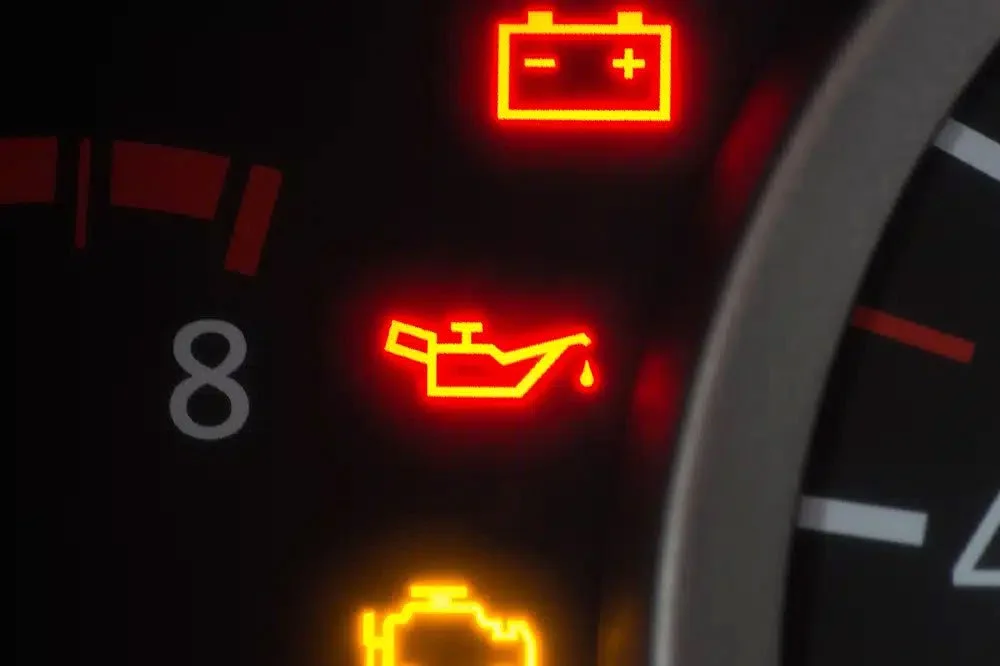
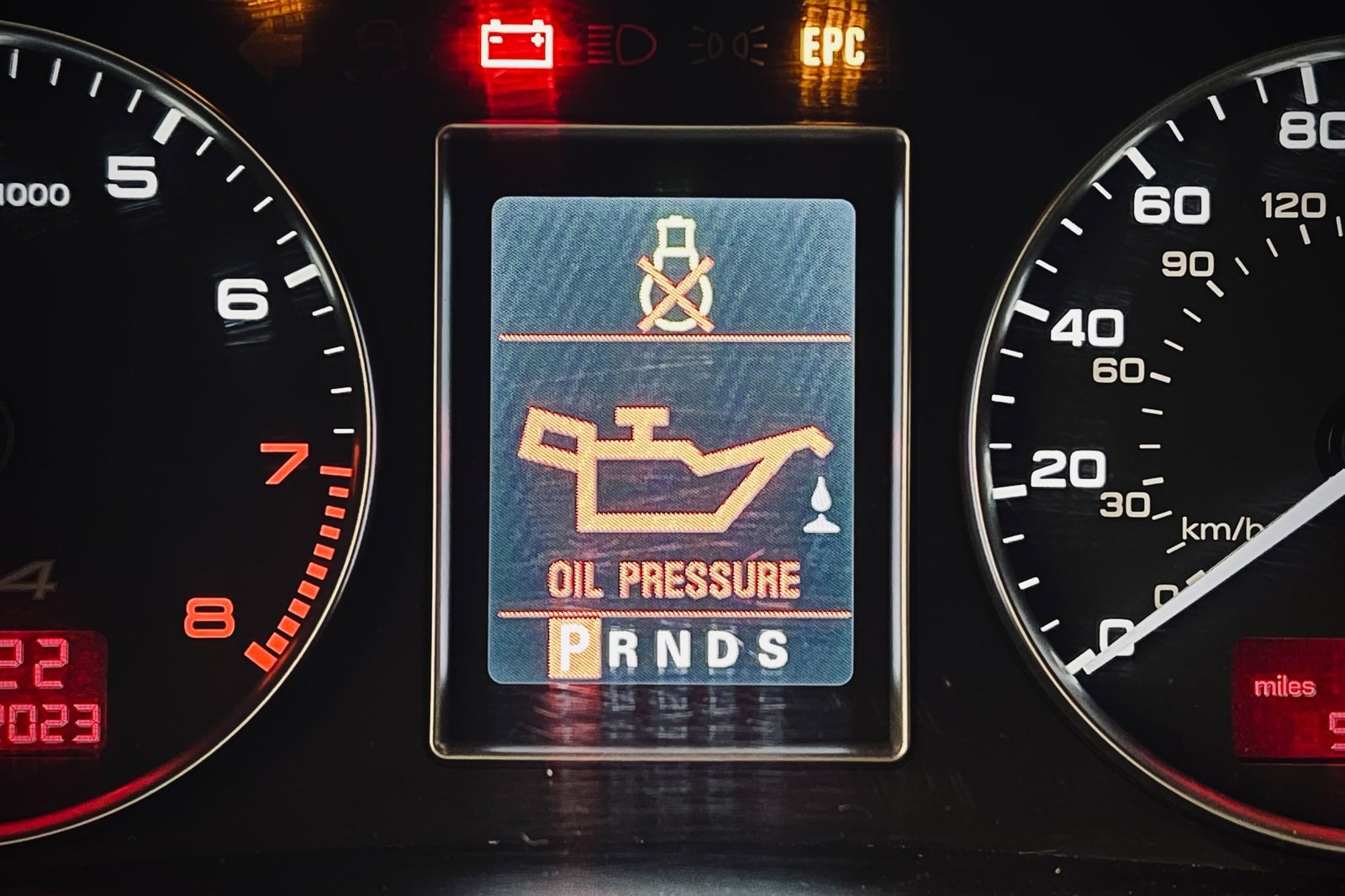
When you see the check engine light and a warning about low oil pressure on your dashboard, it’s a moment that makes most drivers nervous. These lights aren’t just there to annoy you—they’re signals that something important is happening inside your car’s engine. If you ignore them, you risk expensive repairs or even complete engine failure. Understanding what these warnings mean, why they appear, and how to respond can save you a lot of trouble and money.
Let’s look at what causes the check engine light and low oil pressure warnings, how to diagnose the problem, and the best steps for fixing it. Whether you’re a new driver or someone who’s dealt with cars for years, this guide will help you handle the situation with confidence.
What Does The Check Engine Light Mean?
The check engine light is part of your car’s onboard diagnostics system. When this light comes on, your car’s computer has detected a problem. The issue can be simple, like a loose gas cap, or serious, like a failing engine sensor.
But when the check engine light appears together with a low oil pressure warning, it’s a sign of a problem that needs attention right away. Low oil pressure means your engine might not be getting enough oil to stay lubricated. If the engine runs without enough oil, it can get damaged quickly.
Why Is Low Oil Pressure Dangerous?
Oil pressure keeps the moving parts inside your engine running smoothly. Without enough pressure, friction increases. Metal parts can rub together, causing heat and wear. Over time, this leads to:
- Engine overheating
- Bearing failure
- Damaged pistons and crankshafts
- Complete engine seizure
Even a few minutes of driving with low oil pressure can cause damage that’s expensive to repair. That’s why you should never ignore this warning.
Credit: girlingtongarage.com
Main Causes Of Low Oil Pressure
Several problems can cause low oil pressure. Here are the most common:
- Low oil level: Not enough oil in the engine, often from leaks or burning oil.
- Old or thin oil: Oil breaks down over time and loses its ability to lubricate.
- Clogged oil filter: Dirt and debris can block oil flow.
- Worn engine bearings: Bearings inside the engine wear out, causing oil to escape.
- Faulty oil pump: The pump can fail or get clogged, reducing oil circulation.
- Oil leaks: Oil can leak from seals, gaskets, or the oil pan.
- Incorrect oil type: Using oil that’s too thin or thick for your car.
- Defective oil pressure sensor: Sometimes the problem is with the sensor, not the oil pressure itself.
Let’s compare the most common causes in a quick overview:
| Cause | How It Happens | Severity |
|---|---|---|
| Low oil level | Leaks, burning oil, missed oil changes | High |
| Old/thin oil | Delayed oil changes, wrong oil | Medium |
| Clogged filter | Poor maintenance, dirty oil | High |
| Worn bearings | High mileage, lack of lubrication | High |
| Faulty oil pump | Mechanical failure, debris | High |
| Oil leaks | Damaged seals, gaskets | Medium |
| Incorrect oil type | Wrong viscosity used | Low/Medium |
| Defective sensor | Electrical fault | Low |
Signs Of Low Oil Pressure
Besides the warning light, you might notice other signs. These can help you confirm there’s a real problem:
- Engine knocking or ticking sounds
- Burning oil smell
- Blue or gray exhaust smoke
- Engine runs hotter than usual
- Loss of engine power
- Oil puddles under your car
If you see any of these, you should stop driving and check your engine.
What To Do When The Light Comes On
If the check engine light and low oil pressure warning come on together, take these steps right away:
- Pull over safely: Don’t keep driving. Find a safe spot and stop the car.
- Turn off the engine: Prevent further damage by shutting it down.
- Wait a few minutes: Let the engine cool down before opening the hood.
- Check the oil level: Use the dipstick to see if you have enough oil. If it’s low, add oil as recommended in your owner’s manual.
- Look for leaks: Check under the car for oil puddles.
- Restart and check lights: After adding oil, restart the engine. If the warning stays on, do not drive. Call a mechanic.
- Do not ignore the warning: Even if the light goes off, get your car checked soon.
Diagnosing The Problem
Finding the real cause of low oil pressure can be tricky. Here’s how you or a mechanic might approach it:
- Scan for error codes: Mechanics use a scan tool to read codes from the car’s computer. This shows exactly which system is having trouble.
- Inspect the oil and filter: Old, dirty, or low oil is the easiest fix. Check the oil color and level. If it’s black or gritty, change it and the filter.
- Check for leaks: Leaks are often found at the oil pan, valve cover gasket, or oil filter area.
- Test the oil pressure: A mechanical gauge can measure real oil pressure to confirm if the sensor is faulty or the pressure is truly low.
- Inspect the oil pump: If oil and filter are good, the pump might be weak or broken.
- Check the bearings: If your car has high mileage, worn bearings might be the problem. This requires a deeper engine inspection.
Here’s a comparison of basic vs. advanced diagnostic checks:
| Basic Checks | Advanced Checks |
|---|---|
| Oil level/condition | Oil pressure test with gauge |
| Check for leaks | Inspect oil pump and bearings |
| Scan for error codes | Replace sensors or engine parts |
How To Fix Low Oil Pressure
The solution depends on the cause. Here’s what usually fixes the problem:
- Add or change oil: If oil is low or dirty, use the type and amount recommended for your car.
- Replace the oil filter: A clogged filter blocks oil flow. Always change the filter with the oil.
- Fix leaks: Replace gaskets, seals, or the oil pan if you find leaks.
- Repair or replace the oil pump: If the pump is faulty, it must be fixed by a mechanic.
- Replace worn bearings: This is a major repair, usually for older engines.
- Install a new oil pressure sensor: If the sensor is faulty, it can be swapped out quickly.
- Use the correct oil type: Check your manual for the right oil viscosity and grade.
Here’s how different repairs compare in cost and difficulty:
| Repair | Estimated Cost (USD) | Difficulty |
|---|---|---|
| Oil and filter change | $30 – $100 | Easy |
| Fixing leaks | $100 – $400 | Medium |
| Oil pump replacement | $300 – $1,000 | Hard |
| Bearing replacement | $1,000 – $3,000+ | Very Hard |
| Sensor replacement | $50 – $200 | Easy |
Preventing Low Oil Pressure Issues
Preventing problems is always better than fixing them. Here’s how you can avoid low oil pressure:
- Change your oil and filter regularly: Follow your car’s schedule for oil changes.
- Check oil levels monthly: Make it a habit to check your dipstick.
- Use the right oil: Only use oil that matches your car’s specifications.
- Fix leaks early: Even small leaks can lead to big problems.
- Pay attention to warning lights: Don’t ignore dashboard warnings.
- Have regular mechanic checkups: A professional can spot problems before they get serious.
Non-obvious Insights Most Drivers Miss
Many drivers think that if the check engine light goes off after adding oil, the problem is solved. But sometimes, the damage has already started. For example, if the engine ran with low oil pressure for even a few minutes, internal parts might have been damaged.
That’s why it’s smart to have a mechanic inspect the engine for signs of wear, even if everything seems normal after a top-off.
Another thing beginners often miss: Not all oils are the same, even if the bottle says “for cars.” If you use oil that’s too thin (low viscosity), it won’t build enough pressure, especially in hot weather or with an older engine. Always double-check your owner’s manual for the exact oil needed. According to the U.S. Environmental Protection Agency, vehicle emissions standards and onboard diagnostic systems are designed to identify problems that can increase pollution.
When To See A Mechanic
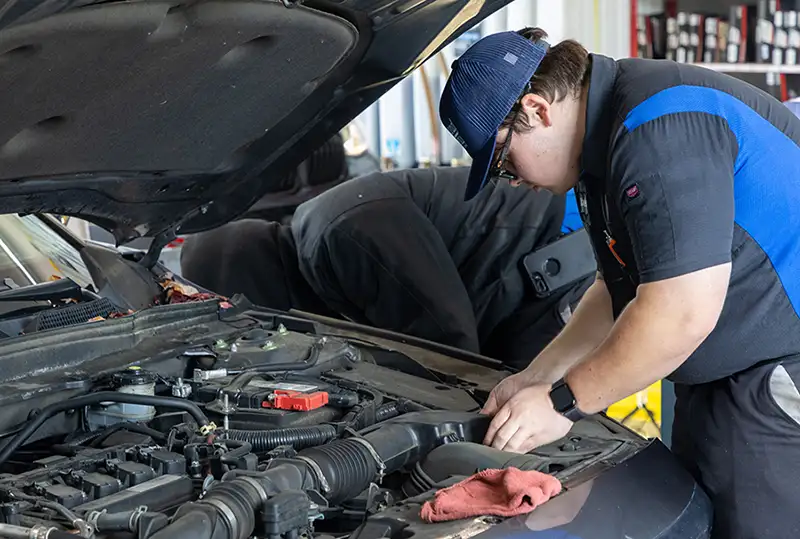
You can handle basic checks and oil top-ups yourself. But if the warning lights stay on, or you hear engine noises, it’s time to see a mechanic. Don’t try to drive long distances with these warnings. Towing your car to a repair shop may cost less than fixing a ruined engine.
Credit: www.capitalone.com
Real-world Example
Imagine you’re driving, and both the check engine and oil pressure lights come on. You pull over and check the oil. It’s low, so you add a quart, and the lights go off. You think the problem is solved. But a few days later, the lights come back, and now the engine sounds rough.
The real issue was a small leak in the oil pan gasket. Because you kept driving, the engine bearings got damaged, leading to a much bigger repair bill. This example shows why it’s important to address both the symptom and the cause.
Learning More
Staying informed about your car’s health is important. For more about engine oil and car maintenance, you can visit this Wikipedia page about engine oil.
Credit: sboilchange.com
Frequently Asked Questions
What Should I Do First If The Low Oil Pressure Warning Comes On?
Pull over safely and turn off your engine. Check the oil level with the dipstick. If it’s low, add oil. If the warning stays on after adding oil, call a mechanic and do not keep driving.
Can I Drive Home With The Check Engine And Low Oil Pressure Lights On?
No, it’s not safe. Driving with these warnings can cause severe engine damage. Get your car checked as soon as possible.
How Often Should I Check My Engine Oil?
Check your engine oil at least once a month, and always before a long trip. Regular checks help you spot leaks or low oil before they cause problems.
What Are Signs Of Engine Damage From Low Oil Pressure?
Common signs include knocking or ticking noises, loss of power, overheating, and blue smoke from the exhaust. If you notice these, get your car checked immediately.
Can A Faulty Sensor Cause A False Low Oil Pressure Warning?
Yes, a bad oil pressure sensor can trigger a false warning. However, never assume it’s just the sensor—always check your oil level first and consult a mechanic if the light stays on.
Taking quick action when you see the check engine light and low oil pressure warning can save you from high repair costs and keep your car running smoothly. Stay alert, keep up with maintenance, and don’t ignore your car’s warnings.
Your engine—and your wallet—will thank you.