
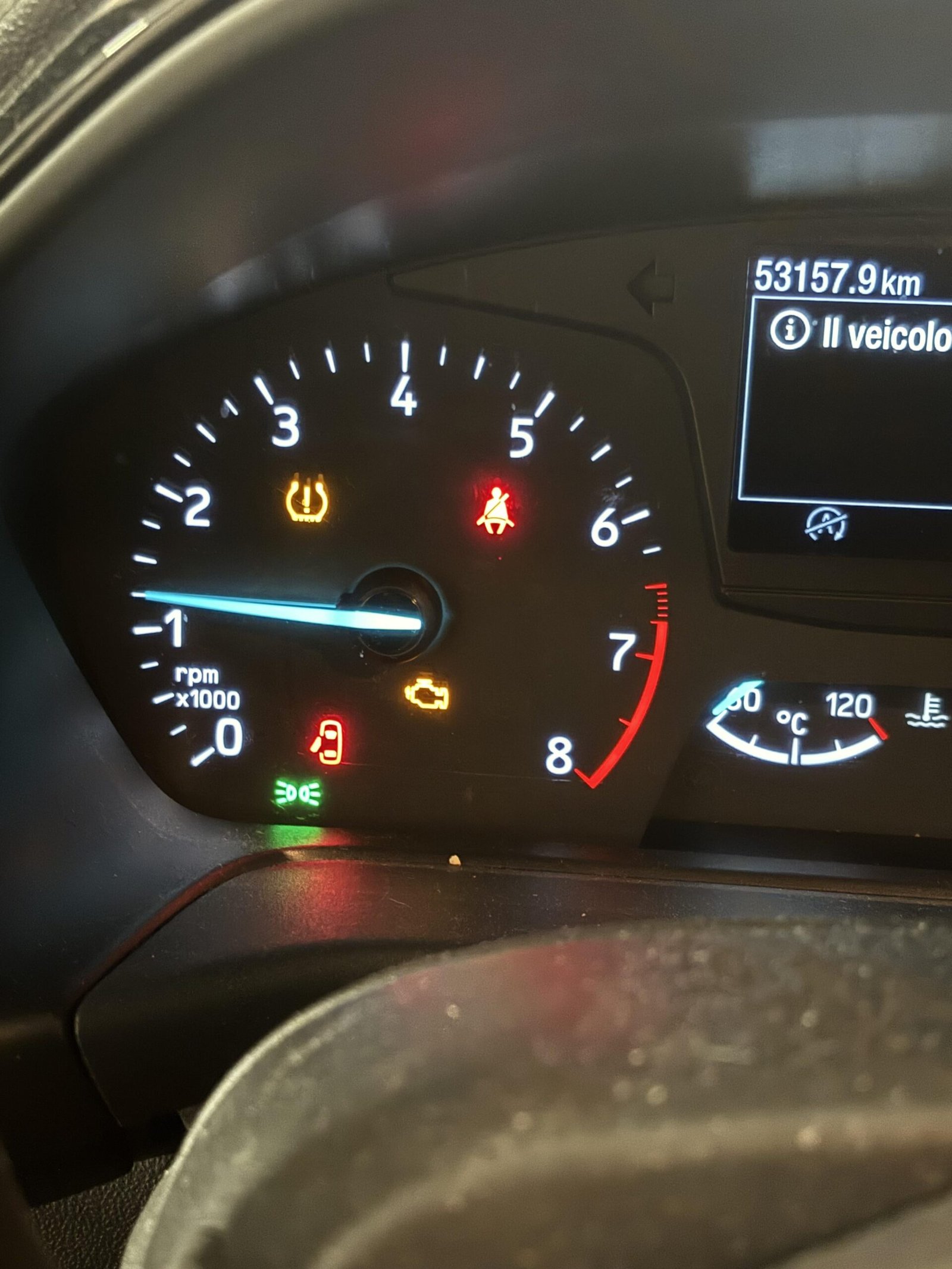
When you’re driving and suddenly see the check engine light blink on your dashboard, it can be stressful. But what if this warning light comes on and off, seemingly at random? Many drivers experience this intermittent check engine light problem, often feeling confused and unsure what to do next. This situation is more common than you might think, and it’s important to understand what’s happening with your car, why it matters, and how you should respond.
Cars today are full of sensors and computer systems. Sometimes, these systems detect a problem, trigger the check engine light, and then the issue disappears for a while—only to return later. Ignoring this warning can turn a small problem into a big repair bill.
In this article, you’ll learn why the check engine light might blink on and off, what it means, how to diagnose the cause, and what steps to take to keep your car safe and reliable.
What Does The Check Engine Light Really Mean?
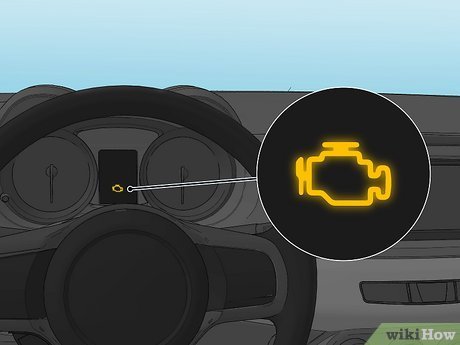
The check engine light is part of the onboard diagnostic system. When the car’s computer, called the Engine Control Unit (ECU), detects a problem with the engine, emissions, or related systems, it turns on this light. The message is simple: the car needs attention.
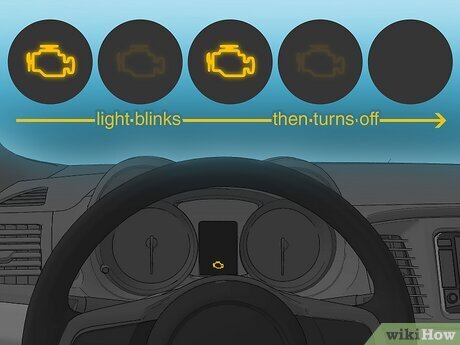
But not every check engine light means disaster. Sometimes, it’s a minor issue, like a loose gas cap. Other times, it’s a warning of a more serious problem. When the light turns on and off, it means the issue is not constant, but the system has detected something wrong at least once.
Solid Vs. Blinking Check Engine Light
- Solid Light: Usually a less urgent issue, but still needs checking soon.
- Flashing Light: This often means a more serious problem, like a misfire, which can damage the catalytic converter.
If your light is intermittent—sometimes on, sometimes off—it means the problem is not always present, but the car’s computer has seen it more than once.
Common Causes Of An Intermittent Check Engine Light
Let’s look at the most frequent reasons the check engine light might turn on and off:
- Loose or Faulty Gas Cap
- A loose gas cap lets fuel vapors escape, confusing the emissions system.
- Tighten the cap, and the light may go off after a few drives.
- Oxygen Sensor Issues
- The O2 sensor measures oxygen in your exhaust. If it’s failing, the light may flicker as the sensor sends bad data only sometimes.
- Bad Spark Plugs or Wires
- Old or dirty spark plugs can cause misfires that come and go, triggering the light only during those misfires.
- Faulty Mass Air Flow (MAF) Sensor
- This sensor measures air entering the engine. If it’s dirty, the problem may only show up under certain driving conditions.
- Intermittent Electrical Issues
- Loose wires or weak connections can cause sensors to send bad signals, turning the light on and off.
- Catalytic Converter Problems
- If the converter is starting to fail, it may only show trouble sometimes, especially under heavy load.
- Vacuum Leaks
- Small leaks can confuse the engine’s air/fuel mix, but may only be detected in certain situations.
- Failing Ignition Coil
- Sometimes, the coil only fails when hot or under load, causing the check engine light to come on briefly.
- Exhaust Gas Recirculation (EGR) Valve Issues
- If the EGR valve sticks or works incorrectly, the light may only come on during specific driving conditions.
- Sensor or Computer Glitches
- Occasionally, an ECU update or software glitch will cause the light to behave strangely.
How To Diagnose An Intermittent Check Engine Light
Many people think you need to go straight to a mechanic, but you can start with a few simple steps yourself.
Step-by-step Guide
- Notice When the Light Comes On
- Does it come on when the engine is cold? During highway speeds? After hitting a bump? These clues help find the cause.
- Check the Gas Cap
- Tighten it, clear any dirt, and drive for a day or two.
- Use an OBD-II Scanner
- These tools plug into your car and read trouble codes from the ECU.
- Many auto parts stores will check your codes for free.
- Record the Codes
- Even if the light goes off, the code is usually stored in the system. Write it down before clearing it.
- Check for Obvious Issues
- Look for loose wires, cracked hoses, or anything disconnected.
- Test Drive
- After checking basics, drive again to see if the light returns.
Here’s a simple comparison of different diagnosis options:
| Diagnosis Method | Cost | Required Skill | Accuracy |
|---|---|---|---|
| OBD-II Scanner (DIY) | Low | Basic | Good for common issues |
| Mechanic Diagnostic | Medium to High | None (for you) | High |
| Visual Inspection | Free | Basic | Low |
What Should You Do If The Check Engine Light Is Intermittent?
It’s tempting to ignore the light if the car seems fine, but that’s risky. Here’s what you should do:
- Don’t Panic, But Don’t Ignore
- Most intermittent lights are not urgent, but it’s important to investigate.
- Get the Codes Read
- Even if the light is off, stored codes can show what’s wrong.
- Address Minor Issues
- Replace a loose gas cap or dirty air filter right away.
- Seek Professional Help for Serious Codes
- If the code points to engine misfire, emissions, or sensor failure, see a mechanic soon.
- Monitor Your Car
- Keep track of when the light appears and any changes in car performance.
- Don’t Just Reset the Light
- Clearing the code without fixing the problem can lead to bigger issues.
How An Intermittent Check Engine Light Can Affect Your Car
Some drivers think if the car runs fine, they can ignore the light. But here’s what can happen if you delay:
- Poor Fuel Economy: A bad sensor or misfire can make your engine use more fuel.
- Emissions Test Failure: Many areas require emissions checks, and a code—even if the light is off—can cause a failed test.
- Hidden Damage: Problems like misfires can damage your catalytic converter, which is expensive to replace.
- Reduced Engine Life: Ignoring warning signs can shorten your engine’s lifespan.
Real-world Example
Imagine this scenario: You’re driving your 2015 Honda Accord, and the check engine light comes on during the morning commute. By lunch, it’s off. The car feels fine. Next week, it happens again. You ignore it for a month, but then the light stays on, and the engine starts running rough.
If you had checked the codes early, you might have found a misfire code and replaced a $10 spark plug. Waiting led to a damaged catalytic converter—a repair costing over $1,000. This shows why it’s important to act early, even if the light is intermittent.
Common Myths About The Check Engine Light
Myth 1: If the light turns off, the problem is gone.
- Truth: The issue can still exist, and codes stay in the system.
Myth 2: It’s only emissions-related, so it doesn’t matter.
- Truth: Many codes affect engine health, not just emissions.
Myth 3: You must visit a dealer for every check engine light.
- Truth: Many issues are simple and can be checked at home or at a local shop.
How Mechanics Diagnose Intermittent Check Engine Lights
Mechanics use special tools to read not only current codes but also history and “pending” codes. They may also test sensors with live data and check wiring and connections. If the problem is hard to find, they might need to keep the car overnight or test it under different conditions.
Here’s a look at what a mechanic might compare when diagnosing:
| Possible Cause | Test Performed | Estimated Repair Time | Estimated Cost |
|---|---|---|---|
| Loose Gas Cap | Visual/OBD-II Code | 5 minutes | Free |
| O2 Sensor Failure | OBD-II/Live Data | 1 hour | $100-$300 |
| Ignition Coil | OBD-II/Swap Test | 1-2 hours | $150-$400 |
Credit: www.reddit.com
Two Insights Most Drivers Miss
- Intermittent codes can prevent your car from running self-diagnostic tests. If the check engine light keeps cycling on and off, your car may not complete “readiness monitors,” which means it could fail inspection even if the light is off when you go for a test.
- Not all OBD-II codes are the same. Some codes are “pending,” meaning the car saw a problem once, but not enough to turn on the light. Others are “confirmed” and will always trigger the light. Reading both types can help you catch problems early.
When To Seek Immediate Help
While most intermittent check engine lights are not emergencies, you should get help right away if:
- The light flashes (not just solid)
- The engine runs rough, stalls, or has poor power
- There are strange smells (rotten egg, burning)
- There are new noises (knocking, rattling)
These signs mean a serious issue that could cause engine damage or safety risk.
Credit: www.wikihow.com
Preventing Future Check Engine Light Issues
Prevention is better than cure. Here’s what you can do:
- Keep up with regular maintenance (oil changes, spark plugs, air filters)
- Use quality fuel and avoid running the tank near empty
- Fix small issues quickly before they become big ones
- Inspect wires and hoses for wear or animal damage, especially if your car sits outside
Where To Learn More
If you want to dig deeper into what check engine lights mean and how modern diagnostics work, the U.S. Environmental Protection Agency offers a great resource: EPA Onboard Diagnostic Systems.
Credit: www.wikihow.com
Frequently Asked Questions
Why Does My Check Engine Light Turn On And Off Randomly?
This usually means your car’s computer is seeing a problem that comes and goes. It could be a loose gas cap, a sensor that sometimes fails, or a wiring issue. The system turns the light off if the problem disappears, but the code is often still stored.
Is It Safe To Drive With An Intermittent Check Engine Light?
Usually, yes—if the car runs normally and the light is not flashing. But you should check the codes soon. If the light flashes or the car drives poorly, stop and get it checked right away.
Can I Pass An Emissions Test If The Check Engine Light Is Off But The Code Is Stored?
Often, no. Many emissions tests check for stored or pending codes, and if the car hasn’t run its self-tests, you may fail even if the light is off.
Will Disconnecting The Battery Fix The Check Engine Light?
Disconnecting the battery may clear the light, but it does not fix the problem. The issue will likely return, and you may lose radio presets or other settings.
How Much Does It Cost To Fix An Intermittent Check Engine Light Problem?
Costs vary. Simple fixes like tightening a gas cap are free. A new sensor or coil may cost $100–$400. If you delay and damage the catalytic converter, repairs can cost over $1,000.
When the check engine light comes on and off, it’s your car’s way of asking for attention. Taking quick action can save you money and stress. Whether the fix is simple or complex, understanding the warning signs and responding early is the best way to keep your car running smoothly for years to come.