
When your car’s check engine light comes on and you notice the temperature gauge rising, it can feel like a double warning. These two issues—an illuminated check engine light and engine overheating—often signal that something serious is happening under the hood. Ignoring these signs can lead to expensive damage or even complete engine failure. If you’re not a car expert, it’s important to understand what these warnings mean, what causes them, and what steps you should take. Let’s explore why your check engine light might come on due to overheating, what to do immediately, and how to prevent future problems.
What Does The Check Engine Light Mean?
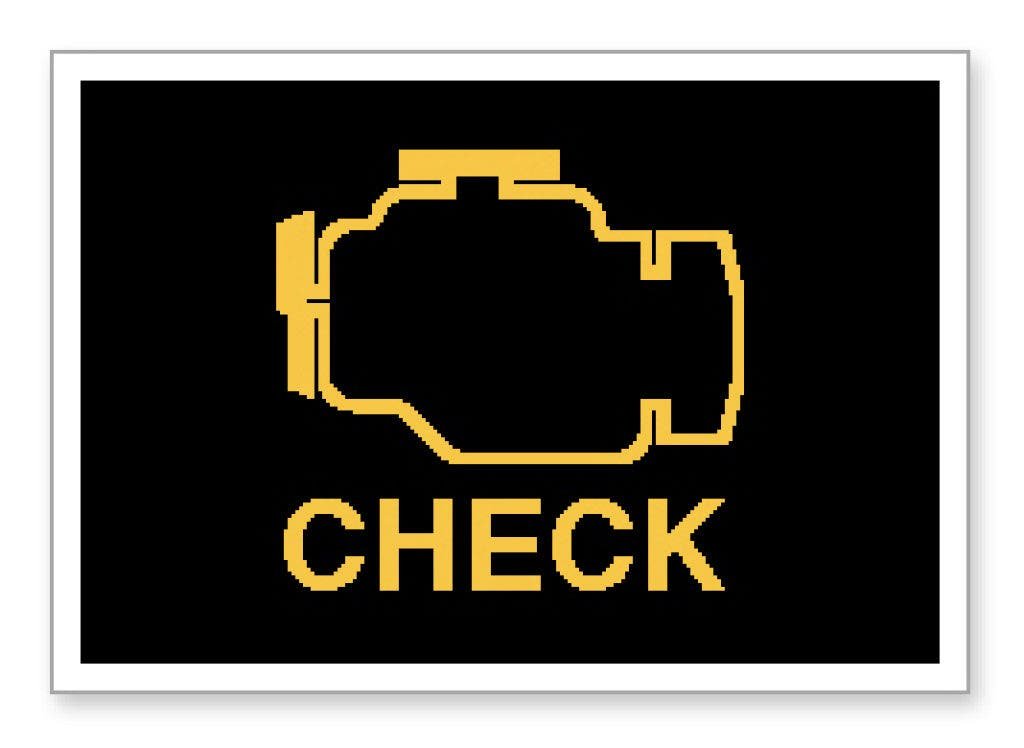
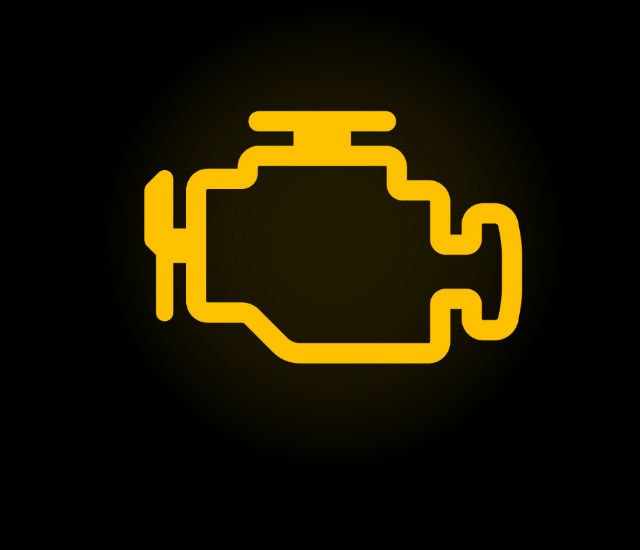
The check engine light is part of your car’s onboard diagnostics system. It turns on when the car’s computer detects a problem that affects engine performance or emissions. Sometimes, the issue is minor, like a loose gas cap. But when combined with signs of overheating, it’s usually a sign of a more critical problem.
How The System Works
Most vehicles have sensors that monitor temperature, air flow, and coolant levels. If any of these readings fall outside safe limits, the computer triggers the check engine light and may also store a “trouble code.” Mechanics can read these codes using a diagnostic scanner.
Why Do Engines Overheat?
Engines generate a lot of heat. The cooling system’s job is to keep temperatures in check. When something goes wrong, heat can build up quickly. Here are the most common reasons for engine overheating:
- Low coolant levels: Coolant (or antifreeze) absorbs heat and carries it away from the engine.
- Coolant leaks: Hoses, water pumps, or the radiator can develop leaks.
- Broken thermostat: This part controls the flow of coolant. If it sticks closed, coolant can’t circulate.
- Faulty radiator fan: The fan helps cool the radiator. If it fails, heat builds up fast.
- Blocked radiator: Dirt, debris, or rust can reduce cooling ability.
- Water pump failure: The pump circulates coolant. If it fails, the system can’t move coolant.
- Blown head gasket: This serious failure allows coolant and oil to mix, causing rapid overheating.
Credit: patch.com
How Overheating Triggers The Check Engine Light
When your car’s engine gets too hot, sensors detect the rise in temperature. The car’s computer may turn on the check engine light to warn you of the risk. Some cars even have a special “engine over temperature” warning, but in many, it’s simply the check engine light.
Overheating can also cause other engine parts to fail, leading to more error codes.
Common Error Codes Related To Overheating
Mechanics often find these codes when diagnosing overheating:
- P0217: Engine Over Temperature Condition
- P0117: Engine Coolant Temperature Circuit Low Input
- P0128: Coolant Thermostat (Coolant Temperature Below Thermostat Regulating Temperature)
- P0480/P0481: Cooling Fan Malfunction
If you have an OBD-II scanner, you can read these codes yourself, but you’ll still need to fix the root cause.
Immediate Steps When Both Warnings Appear
If the check engine light and signs of overheating happen together, don’t panic—but do act quickly. Ignoring these warnings can destroy your engine.
- Pull Over Safely: As soon as you notice the engine temperature rising or see steam, pull over and turn off the engine.
- Wait for Cool Down: Do not open the hood immediately. Wait at least 15-20 minutes. Opening a hot radiator can cause serious burns.
- Check Coolant Level: Once the engine is cool, check the coolant reservoir. If it’s low, add coolant or water if you have it. Never add cold water to a hot engine.
- Look for Leaks: Check under the car for puddles. Green, orange, or pink fluid usually means a coolant leak.
- Restart and Monitor: If you refill coolant and the temperature stays normal, drive carefully to a mechanic. If the car overheats again, call for a tow.
Common Causes: Overheating And Check Engine Light Together
Several issues can trigger both overheating and the check engine light at the same time. Here’s how they connect:
| Cause | Effect on Engine | Typical Warning Signs |
|---|---|---|
| Low Coolant | Insufficient cooling, rising temperature | Check engine light, high temp gauge |
| Broken Thermostat | Prevents coolant circulation | Sudden overheating, warning light |
| Faulty Radiator Fan | No air flow, poor cooling at idle | Overheating in traffic, error codes |
| Head Gasket Failure | Mixes oil/coolant, severe overheating | Steam, white smoke, misfire code |
| Coolant Leak | Fast coolant loss, hot engine | Puddles under car, low coolant code |
How Mechanics Diagnose The Problem
Mechanics use a mix of tools and experience to find the real issue.
Step-by-step Diagnosis
- Scan for Codes: The first step is to connect a scanner and read the stored trouble codes.
- Check Coolant System: They look for visible leaks, damaged hoses, and coolant level.
- Test Thermostat: A stuck thermostat can be tested and replaced if needed.
- Inspect Radiator and Fan: They check for blockages and test the fan’s operation.
- Pressure Test: Mechanics pressurize the cooling system to spot hidden leaks.
- Chemical Test: To check for a blown head gasket, they may test for exhaust gases in the coolant.
Example: Diagnosing A 2010 Honda Accord
A 2010 Honda Accord arrives with a check engine light and overheating. The scanner shows code P0128 (coolant thermostat). The mechanic checks and finds the thermostat stuck open, so coolant doesn’t reach the right temperature. Replacing the thermostat fixes the issue. According to the U.S. Environmental Protection Agency, vehicle emissions standards and onboard diagnostic systems are designed to identify problems that can increase pollution.
What To Do If You’re Not A Mechanic
You don’t need to be an expert to handle the basics, but know your limits.
- Never keep driving if the engine is overheating. The risk of engine failure is high.
- Add coolant if possible, but only when the engine is cool.
- Call for help if you see steam, hear knocking, or notice a sweet smell (sign of coolant leak).
- Don’t ignore the light. Even if the car seems fine, get it checked soon.
Preventing Overheating And Check Engine Light Issues
Prevention is always cheaper than repair. Here are steps you can take:
- Check coolant regularly: Top off as needed, and flush the system every 2-3 years.
- Inspect hoses and belts: Replace cracked or worn parts before they fail.
- Watch the temperature gauge: If it rises above normal, investigate immediately.
- Get regular service: Have your mechanic check the cooling system during oil changes.
- Fix leaks early: Even a small leak can lead to bigger problems.
- Replace the thermostat: Most thermostats last 5-7 years. Change it with your timing belt or water pump.
Overlooked Preventive Tips
- Use the right coolant mix: Many owners top off with water, but modern engines need a 50/50 mix of coolant and water for best protection.
- Check radiator cap pressure: A weak cap can let coolant boil away at lower temperatures. It’s cheap to replace but often ignored.
Repair Costs: What Should You Expect?
Engine overheating and check engine light repairs can range from cheap to very expensive. Here’s a look at typical costs:
| Repair | Parts Cost | Labor Cost | Total Estimate |
|---|---|---|---|
| Thermostat Replacement | $20–$60 | $80–$150 | $100–$210 |
| Coolant Flush | $15–$50 | $50–$100 | $65–$150 |
| Radiator Replacement | $100–$300 | $200–$400 | $300–$700 |
| Head Gasket Repair | $100–$400 | $900–$1,500 | $1,000–$1,900 |
Prices depend on your car’s make and model. Luxury or imported cars usually cost more.
Real-world Example: Ignoring The Warning
A driver notices the check engine light and a hot smell, but keeps driving. The engine temperature keeps rising, but he ignores it. After 20 minutes, the car stalls. The mechanic finds a cracked cylinder head and a destroyed engine.
The repair bill? Over $3,000. A $15 bottle of coolant and an early stop could have prevented the damage.
Credit: johnsautocare.com
When To Call A Professional
If you see any of these warning signs, don’t try to fix it yourself:
- Steam or smoke from the hood
- Sweet or burning smell
- Engine knocking or rattling
- Coolant leaking rapidly
- Repeated overheating even after adding coolant
These signs mean you need a tow and a professional mechanic.
Data: How Common Are These Problems?
According to the Car Care Council, nearly 1 in 5 cars on the road have low coolant or cooling system problems. Overheating is one of the top five reasons for engine failure. Quick action can avoid most of these breakdowns.
Credit: www.cbac.com
Non-obvious Insights Most Drivers Miss
- Winter weather can cause overheating: Many think overheating is a summer problem. But a stuck thermostat or frozen coolant can cause engine overheating even in cold weather.
- Check engine light can come and go: Sometimes the light turns off if the sensor detects normal temperatures. Don’t ignore it—it can return as a bigger problem.
Reliable Resources For Further Reading
For more on engine diagnostics and cooling systems, visit the Wikipedia article on check engine lights.
Frequently Asked Questions
Why Does My Check Engine Light Turn On When My Car Overheats?
The light comes on because overheating affects engine performance and emissions. Sensors detect the abnormal temperature and alert you through the check engine light.
Can I Drive With The Check Engine Light And Overheating?
No. Driving with both warnings can cause severe engine damage. Pull over, let the engine cool, and seek help as soon as possible.
How Can I Tell If My Engine Is Really Overheating?
Look for a rising temperature gauge, steam from the hood, or a hot, sweet smell. If you notice any of these, stop driving immediately.
Will Adding Coolant Fix The Problem?
Adding coolant might lower the temperature temporarily, but it doesn’t fix leaks or broken parts. Always have a mechanic check for the cause.
How Much Does It Cost To Fix Overheating And Check Engine Light Issues?
Costs vary widely. Simple repairs like a new thermostat might cost $100–$200. Major repairs, like a head gasket, can exceed $1,000. Early action keeps costs low.
When your check engine light and overheating warning appear together, don’t take chances. Quick, informed action protects your engine and your wallet. Stay alert, maintain your car, and consult a trusted mechanic at the first sign of trouble.
